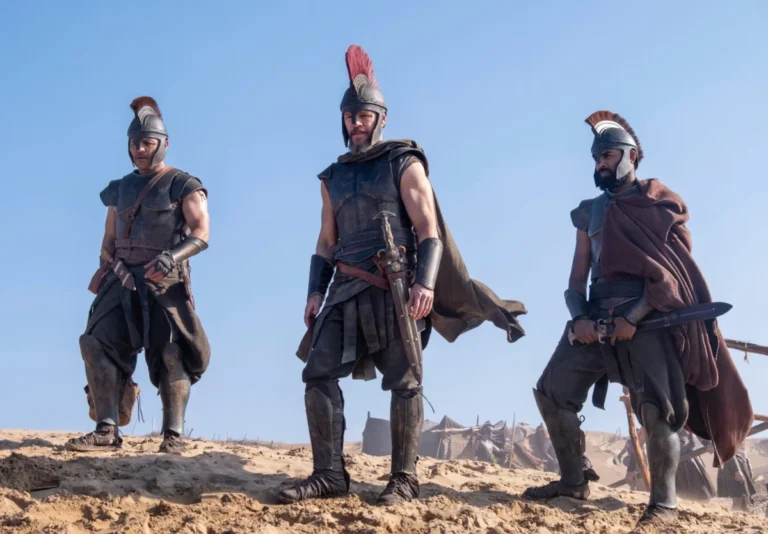

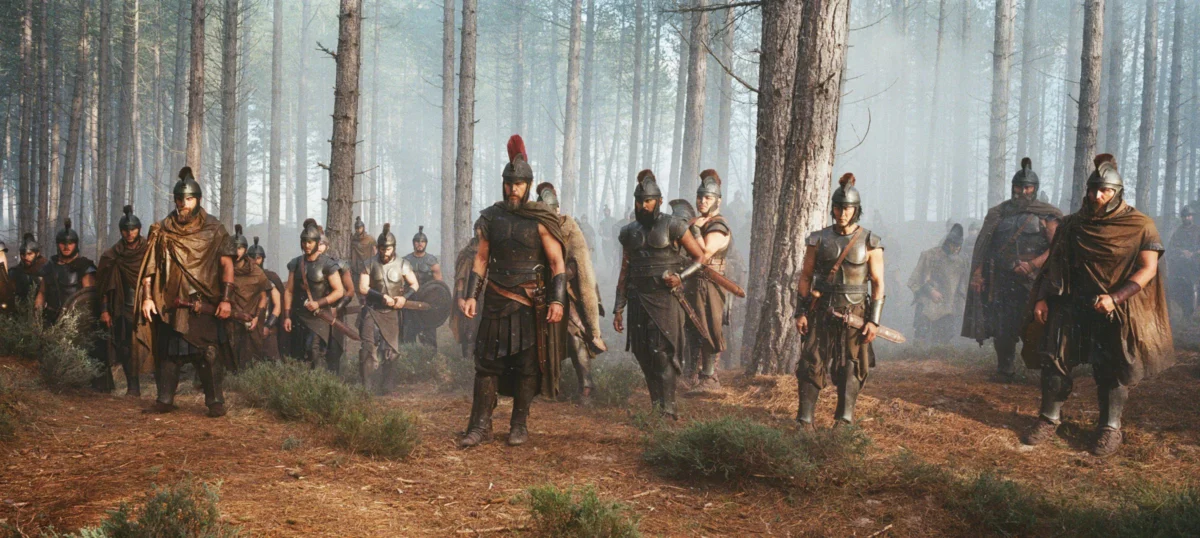
The highly anticipated theatrical release of Christopher Nolan’s The Odyssey has arrived with a level of commercial momentum and cultural friction rarely seen in modern cinema. As audiences flocked to specialized theaters to witness the Homeric epic in its intended 70-mm IMAX format, the production faced a dual challenge: localized technical failures and a coordinated online campaign aimed at delegitimizing the film’s creative choices. Despite these hurdles, early market indicators suggest that the film is on a trajectory to become one of the most successful non-franchise releases in cinematic history, highlighting a significant disconnect between localized internet discourse and the broader global appetite for large-scale theatrical experiences.
Technical Disruptions and Opening Day Logistics
The launch of The Odyssey was met with immediate logistical hurdles at several high-profile locations. In the Philadelphia suburbs, specifically at the King of Prussia Regal Cinema—one of the few remaining venues globally equipped to project large-format, super-high-resolution 70-mm IMAX film—opening day screenings were disrupted by power outages. On the morning of the release, hundreds of ticket holders arrived for 8:00 a.m. screenings only to find the theater in the dark.
Theater employees were forced to manage the influx of disappointed cinephiles manually, recording ticket numbers for future refunds and issuing vouchers as the facility’s computer systems remained offline. While some frustrated attendees speculated on social media about potential sabotage given the film’s controversial standing in certain online circles, local utility reports confirmed that the outages were the result of extreme weather patterns affecting the regional power grid. The incident served as a microcosm of the intense demand for the film, with many patrons having traveled across state lines or taken personal time off work to secure a seat for the earliest possible showing.
The Anatomy of the Online Backlash
Since its initial announcement, Christopher Nolan’s adaptation of the ancient Greek poem has been a focal point for a specific segment of "terminally online" critics. This opposition, largely concentrated on social media platforms like X (formerly Twitter), has been amplified by high-profile figures, including Elon Musk. The criticisms leveled against the film are diverse but primarily center on perceived deviations from historical or traditional interpretations of the source material.
Key points of contention among the opposition include:
- Casting Decisions: The inclusion of Black and trans actors in the ensemble has drawn significant fire from those who advocate for a strictly Eurocentric portrayal of the Bronze Age Mediterranean.
- Lead Casting: The selection of Matt Damon as the wily Odysseus was met with skepticism by purists who questioned his suitability for the role of a Homeric hero.
- Linguistic and Aesthetic Choices: Critics have pointed to the use of Americanized English dialects in the script and what they describe as "ahistorical" designs for the Achaean ships.
- Script Nuances: Even minor details, such as the character Telemachus (played by Tom Holland) referring to Odysseus as "dad" in the trailer, were cited as evidence of a modern "psyop" intended to undermine the foundations of Western culture.
Despite these vocal complaints, the film has maintained a 96 percent critic’s score on Rotten Tomatoes, leading some detractors to allege a "woke conspiracy" among professional reviewers. This digital campaign included organized efforts to downvote trailers and discourage attendance, yet these actions appear to have had a negligible impact on the film’s commercial viability.
Record-Breaking Financial Projections
The financial data surrounding The Odyssey paints a picture of a massive global success. Early ticket sales and box office forecasts indicate a worldwide opening weekend return of approximately $200 million. Should these figures hold, the film will represent the most profitable opening for any Christopher Nolan project that does not feature the Batman character, surpassing the initial returns of previous hits like Inception, Interstellar, and Oppenheimer.
The secondary market for tickets has reached unprecedented levels. On platforms such as eBay, tickets for 70-mm IMAX screenings have reportedly fetched prices as high as $1,000. This frenzy is driven by the scarcity of the format; only a few dozen theaters worldwide are capable of showing the film in Nolan’s preferred 15-perforation, 70-mm film gauge. Industry analysts suggest that if the current momentum continues, The Odyssey is well-positioned to exceed the $1 billion mark at the global box office.
Chronology of a Blockbuster: From Announcement to Release
The journey of The Odyssey from a conceptual project to a global phenomenon followed a strategic timeline:
- Initial Announcement (Early 2024): Universal Pictures announced that Christopher Nolan would tackle the Homeric epic, promising a "definitive" take on the journey of Odysseus.
- Production Phase (2024–2025): Filming took place across various Mediterranean locations, utilizing custom-built IMAX cameras. Reports surfaced of Nolan’s insistence on practical effects for the mythological creatures, including the Cyclops and the Sirens.
- The Trailer Launch (Early 2026): The first teaser trailer debuted, sparking the initial wave of online controversy regarding the casting and dialogue.
- The Resale Surge (June 2026): As pre-sales opened, demand crashed several major ticketing platforms, leading to the emergence of the $1,000 resale market.
- Global Premiere (July 2026): The film opened to nearly unanimous critical acclaim, contrasted by the localized technical issues and ongoing digital protests.
Audience Dedication and Cultural Impact
The dedication of the film’s core audience has manifested in extraordinary ways. Beyond the high resale prices, reports have surfaced of fans crossing national borders to access IMAX theaters. One widely circulated report detailed a California woman who allegedly timed medical procedures to ensure she would be able to travel to a specific theater for the opening weekend.
This level of commitment underscores a widening chasm between "The Discourse"—the high-decibel debates occurring on social media—and the reality of consumer behavior. While online critics focus on ideological purity and historical accuracy, the general public appears more invested in the spectacle and the pedigree of the filmmaker. Nolan’s reputation as a savior of the theatrical experience remains intact, as his ability to draw audiences into physical cinemas continues to defy the prevailing trend toward streaming.
The Rise of the AI Alternative
In a peculiar twist to the release week, an AI film studio known as Fountain 0 announced the release of its own version of the Odyssey. This completely AI-generated film, titled Dreams of Violets, is being marketed directly to those dissatisfied with Nolan’s version. Analysts view this as a strategic move to capitalize on the "anti-woke" sentiment by offering a product that adheres to the specific aesthetic and casting preferences of the vocal online minority.
This development marks a new frontier in the culture wars of the entertainment industry. While mainstream audiences receive a high-budget, three-hour practical effects blockbuster, the dissenting demographic is being offered "rushed-to-streaming AI content." This suggests a bifurcated future for cinema, where traditional studios produce massive, physical events while AI-driven entities cater to niche, ideologically driven markets.
Analysis of Implications
The success of The Odyssey, in the face of both technical failure and coordinated backlash, suggests several key takeaways for the film industry:
- The Resilience of the "Event" Movie: Nolan has successfully turned the act of watching a film into a high-stakes event. The difficulty of obtaining the "correct" format (70-mm IMAX) has paradoxically increased the film’s desirability.
- The Limits of Social Media Boycotts: The disconnect between the online "anti-woke" campaign and the film’s box office performance suggests that social media outrage may have a diminishing return on actual consumer choices, particularly when the product is tied to a trusted brand or director.
- The Evolution of the Culture War: The emergence of an AI-generated alternative to a major blockbuster indicates that future "counter-programming" may not come from rival studios, but from technology-driven startups catering to specific political or social silos.
In conclusion, Christopher Nolan’s The Odyssey is more than a cinematic release; it is a testament to the enduring power of the big-screen experience. While the digital landscape remains fractured by ideological debates, the physical reality of the box office confirms that the human desire for grand, shared storytelling remains a dominant force. As the film continues its global run, it stands as a reminder that while one can downvote a trailer, the collective imagination of the moviegoing public is much harder to suppress.