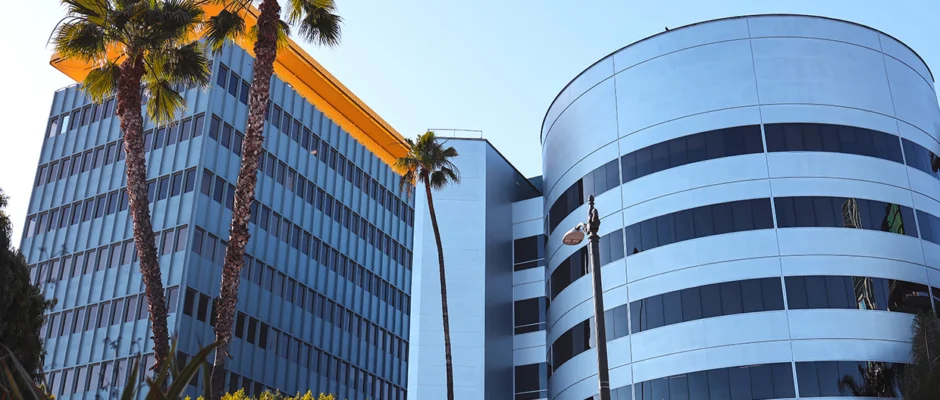
Located in the heart of Hollywood on the historic Sunset Boulevard, The Los Angeles Film School (LAFS) has functioned as a central hub for vocational and creative development since its inception in 1999. In an era where the global entertainment market is projected to reach unprecedented valuations—driven by the proliferation of streaming services and the democratization of digital content—the demand for a technically proficient and business-savvy workforce has never been higher. The Los Angeles Film School has positioned itself as a critical pipeline for this industry, moving beyond traditional theoretical education to provide an immersive, hands-on environment that mirrors the rigors of professional production sets. By offering a diverse range of degree programs both on-campus and online, the institution addresses the evolving needs of the "creative economy," ensuring that the next generation of filmmakers, animators, and media executives are equipped with the foundational skills necessary to navigate a highly competitive landscape.
Historical Context and Institutional Evolution
The Los Angeles Film School was established during a period of significant transition within the entertainment industry. The late 1990s marked the beginning of the digital revolution in cinema, as celluloid began to share the stage with digital acquisition and non-linear editing systems. Recognizing the need for a specialized training ground that focused on these emerging technologies, the school opened its doors in the former RCA Building, a site with deep ties to the history of recorded sound and film. Over the past quarter-century, the institution has expanded its footprint and its curriculum, gaining accreditation from the Accrediting Commission of Career Schools and Colleges (ACCSC) and evolving from a local vocational school into a comprehensive degree-granting institution.
The school’s growth mirrors the broader expansion of the Los Angeles creative sector. According to the Otis College of Art and Design’s Report on the Creative Economy, the entertainment industry remains a primary driver of California’s GDP, supporting hundreds of thousands of jobs ranging from high-level directing to technical "below-the-line" roles. LAFS has adapted to these market shifts by introducing online degree programs and expanding its focus to include the business, communication, and animation sectors, reflecting the multifaceted nature of modern media production.
The Pedagogy of Practical Immersion
A defining characteristic of the educational model at The Los Angeles Film School is its departure from the traditional liberal arts approach to film study. While many universities focus on film theory and history, the LAFS model is built on the principle of "learning by doing." This pedagogical framework places students behind industry-standard cameras, in professional recording studios, and on active soundstages from the early stages of their education.
This immersive approach is designed to reduce the "skills gap" often cited by industry veterans when hiring new graduates. By training on the same gear and following the same procedural protocols used on major Hollywood productions, students enter the workforce with a level of technical fluency that allows for immediate integration into professional environments. This hands-on philosophy extends to the institution’s online offerings, which utilize specialized technology kits and digital workflows to replicate the collaborative nature of filmmaking in a remote setting.
Comprehensive Degree Pathways: On-Campus and Online
The institution offers a variety of Bachelor and Associate of Science degrees, each tailored to specific niches within the media landscape. These programs are structured to provide both a broad overview of the industry and deep technical specialization.
Bachelor of Science in Film Production
The flagship on-campus program, the Bachelor of Science in Film Production, is rooted in the art of visual storytelling. This program is unique in its elective concentration model, which allows students to specialize in cinematography, directing, production, or producing. This specialization is critical in today’s market, where "hyphenate" professionals (e.g., writer-producers) are highly valued, yet deep technical expertise in a single discipline remains the primary entry point for union and guild-level work.
![Craft your story, leave a legacy [Sponsored]Filmmaker Magazine](https://cdn.filmmakermagazine.com/uploads/2026/07/LAFS_building-1240x698.jpg-628x348.png)
Digital Filmmaking and Online Accessibility
Recognizing the global demand for film education, the Bachelor of Science in Digital Filmmaking Online provides a curriculum that covers the entire lifecycle of a project—from screenwriting and pre-production to cinematography and post-production editing. The existence of this program reflects a broader trend in higher education: the shift toward flexible, accessible learning that does not require residency in a traditional media hub.
The Business of Show Business
The entertainment industry is as much a commercial enterprise as it is a creative one. The Bachelor of Science in Entertainment Business, offered in both online and on-campus formats, addresses the administrative and strategic side of the industry. Students in this program study intellectual property law, distribution strategies, talent management, and marketing. As the industry moves toward data-driven decision-making and complex multi-platform release strategies, the need for executives who understand both the creative process and the bottom line has grown exponentially.
Writing and Media Communications
The Bachelor of Science in Writing for Film & TV Online focuses on the architectural foundations of storytelling. In an age of "Peak TV" and high-concept streaming series, the demand for structured, character-driven scripts is at an all-time high. Similarly, the Bachelor of Science in Media Communications Online prepares students for the digital-first reality of modern marketing. This program covers social media management, digital content production, and new media advertising, acknowledging that every modern film or television project requires a robust digital presence to succeed in a crowded marketplace.
Animation and Visual Effects
The institution’s animation programs—available both on-campus and online—prepare students for the technical demands of 2D and 3D animation, digital sculpting, and character creation. With the global animation market continuing to expand due to the popularity of animated features and the integration of high-end VFX in live-action productions, these programs focus on the software and artistic techniques used by major studios like Pixar, DreamWorks, and Disney.
Industry Impact and Economic Implications
The impact of specialized film education extends beyond the individual success of graduates; it has significant implications for the regional and national economy. The Bureau of Labor Statistics (BLS) projects that employment in media and communication occupations will continue to grow, driven by the need to create, edit, and distribute content across various platforms. By providing a steady stream of qualified professionals, institutions like The Los Angeles Film School support the infrastructure of the entertainment industry.
Furthermore, the school’s commitment to diversity and inclusion through its online programs allows individuals from various socioeconomic backgrounds to enter an industry that has historically been criticized for its high barriers to entry. By providing the tools and connections necessary to succeed, the school facilitates a more diverse range of voices in the creative process, which in turn leads to more varied and representative storytelling.
Chronology of Institutional Milestones
- 1999: The Los Angeles Film School is founded in Hollywood, California, occupying the historic RCA Building.
- Early 2000s: The school expands its facilities to include professional soundstages and Dolby-certified dubbing stages.
- 2010s: The institution introduces its first online degree programs, responding to the growing demand for remote learning and digital media training.
- Present: The school continues to update its curriculum to include emerging technologies such as virtual production and AI-assisted editing, maintaining its position at the forefront of vocational media education.
Conclusion and Future Outlook
As the entertainment landscape continues to shift toward a more digital, global, and decentralized model, the role of specialized educational institutions becomes increasingly vital. The Los Angeles Film School’s mission of fostering creativity, collaboration, and exploration serves as a blueprint for how modern vocational training can adapt to rapid technological change.
By balancing the artistic demands of storytelling with the technical requirements of modern production and the strategic needs of the business, the school ensures that its students are not merely observers of the industry, but active participants in its future. Whether on a physical set in Hollywood or through a digital interface halfway across the world, the next generation of award-winning professionals is currently being forged through a curriculum that prioritizes the practical application of craft in a real-world context. For those seeking to enter the entertainment sector, the comprehensive offerings at lafilm.edu represent a significant gateway into one of the world’s most dynamic and influential industries.