


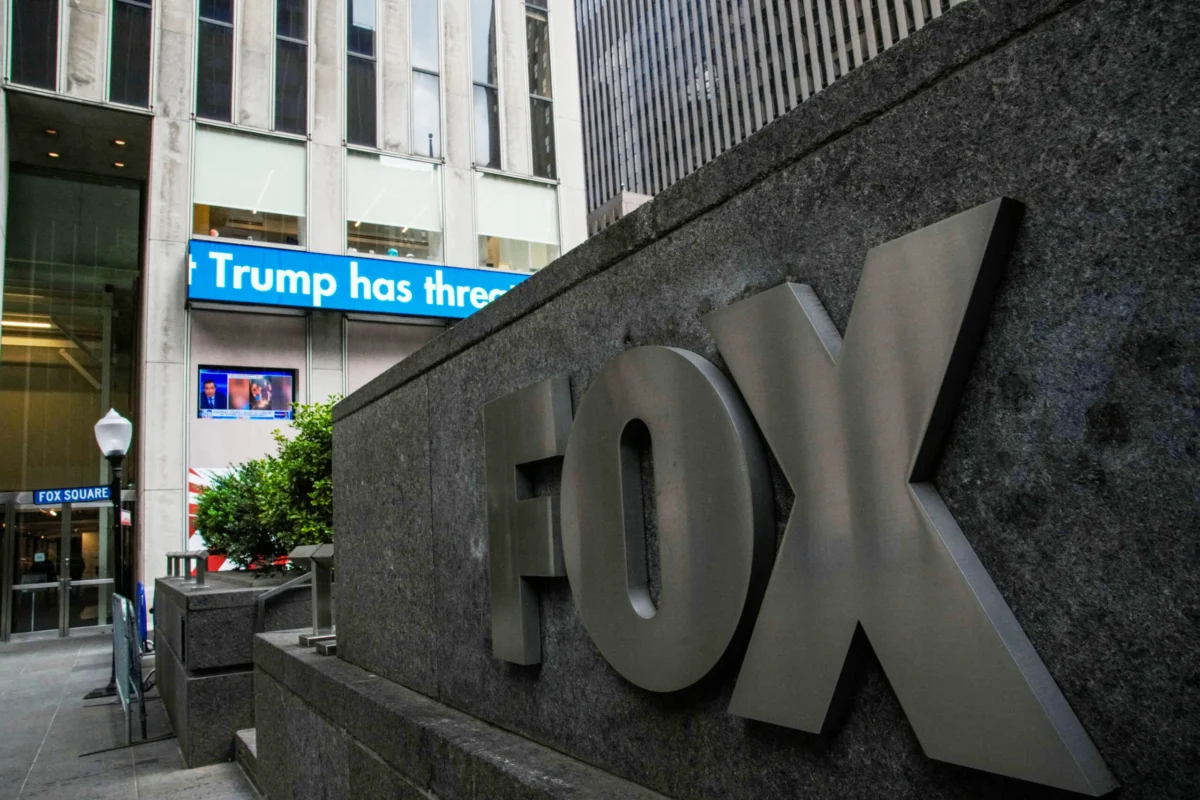
Fox Corporation has officially entered into a definitive agreement to acquire Roku Inc. for approximately $22 billion, a move that signals a massive consolidation within the media and technology sectors as traditional broadcasters race to secure their dominance in the digital streaming era. The transaction, valued at $160 per share, represents a significant premium over Roku’s recent trading averages and marks Fox’s most aggressive expansion since the restructuring of its empire several years ago. Announced on Monday, the deal is structured as a cash-and-stock transaction, with Fox set to leverage a combination of existing cash reserves and $12 billion in newly secured debt to finalize the purchase.
The acquisition arrives at a pivotal moment for Fox, which has spent the last half-decade narrowing its focus toward live news and sports. By absorbing Roku—the leading streaming platform in the United States by market share—Fox gains direct control over the hardware and software gateway through which millions of Americans consume content. The market reaction was immediate and polarized: Fox’s stock plummeted 17% in morning trading as investors voiced concerns over the substantial debt load, while Roku’s shares saw a modest 2% decline, following a 20% surge the previous Friday fueled by rumors of the impending sale.
Strategic Integration of FAST Platforms
Central to the merger is the synergy between Fox’s Tubi and The Roku Channel. Both services operate within the Free Ad-supported Streaming TV (FAST) segment, which has seen explosive growth as consumers experience "subscription fatigue" from paid services like Netflix and Disney+. While Fox CEO Lachlan Murdoch confirmed that Tubi and The Roku Channel will remain separate entities for the time being, the backend integration of their advertising technology and data analytics is expected to create a powerhouse in the digital ad market.
Tubi, which Fox acquired in 2020 for $440 million, has been a standout performer in the company’s portfolio, often outperforming its peers in terms of total viewing hours for on-demand content. The Roku Channel, conversely, has built its success on a mix of licensed content and "linear-style" free channels that mimic the traditional cable experience. Murdoch described the two services as "incredibly complementary," noting that there is only a 33% overlap between their respective audiences. By owning both, Fox can offer advertisers a massive, unduplicated reach across nearly every demographic.
Financial Architecture and Market Performance
The $22 billion price tag reflects the premium Fox is willing to pay to secure a future-proof distribution network. Under the terms of the agreement, existing Fox shareholders will own approximately 73% of the combined company, while Roku shareholders will retain about 27%. To facilitate the $12 billion cash portion of the deal, Fox has secured a bridge loan, a move that contributed to the downward pressure on its stock price as analysts weighed the risks of increased leverage in a high-interest-rate environment.
Roku CEO Anthony Wood highlighted the strength of Roku’s current platform business, which reaches more than 100 million streaming households globally. Roku’s ecosystem generates over 145 billion hours of engagement annually, providing Fox with an unprecedented mountain of first-party data. This data is critical for targeted advertising, which commands higher rates than traditional broadcast spots. Fox anticipates that the merger will generate approximately $400 million in annual run-rate cost synergies, primarily through the elimination of redundant corporate overhead and the integration of technical infrastructure.
A Chronology of Fox’s Digital Evolution
This acquisition is the latest step in a decade-long transformation of the Fox brand. To understand the gravity of the Roku deal, one must look at the timeline of Fox’s corporate maneuvers:
- March 2019: Fox Corporation completes the $71 billion sale of its entertainment assets (21st Century Fox) to The Walt Disney Company. This left "New Fox" with Fox News, Fox Sports, and the Fox broadcast network.
- April 2020: Fox acquires Tubi for $440 million, signaling its entry into the FAST market as an alternative to the "plus" subscription wars.
- 2022–2024: Fox aggressively invests in sports rights, including the NFL and the FIFA World Cup, while expanding its digital footprint through the "Fox One" direct-to-consumer initiative.
- July 2025: Fox announces the $22 billion acquisition of Roku to control the primary operating system of the modern living room.
Since 2019, Lachlan Murdoch has maintained that Fox’s strength lies in "live" and "local." However, the reliance on cable carriage fees has become a vulnerability as cord-cutting accelerates. The Roku acquisition provides Fox with a "hedge" against the decline of traditional cable, giving the company ownership of the platform that cord-cutters migrate to.

Advertising: The New Battleground
The shift in the media landscape has turned advertising into the primary engine of growth for streaming services. During a call with investors, Murdoch emphasized that Fox has been "reorienting" its business model to maximize ad revenue. Unlike Disney+ or Max, which rely heavily on monthly subscription fees, the Fox-Roku combination is designed to dominate the "free" ecosystem.
In the current economic climate, advertisers are gravitating toward live events—specifically news and sports—because they are among the few remaining programs that viewers watch in real-time. By owning Roku, Fox can now place its own content (like Fox News and Fox Sports) prominently on the Roku home screen, while simultaneously collecting a percentage of advertising revenue from every other third-party app hosted on the Roku platform. This "gatekeeper" status is what analysts believe justifies the $22 billion valuation, despite the immediate hit to Fox’s stock price.
Leadership and Governance
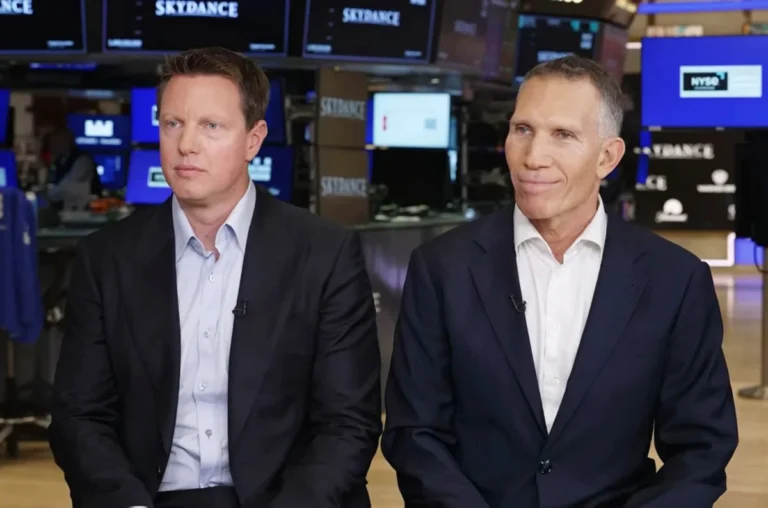
Both Lachlan Murdoch and Anthony Wood framed the deal as a "position of strength" for their respective companies. Wood, who founded Roku and led it through its 2017 IPO, is expected to play a key role in the transition. For Murdoch, the deal represents a "defining moment" that pushes Fox "aggressively into the 21st century."
The leadership team faces the challenge of integrating two very different corporate cultures: a traditional media giant based in New York and a Silicon Valley tech firm. The success of the merger will depend on whether Fox can maintain Roku’s reputation for neutrality. Currently, Roku hosts apps from competitors like Netflix, Disney, and Amazon. If Fox uses its ownership to unfairly prioritize its own content, it could face a backlash from both consumers and antitrust regulators.
Industry Implications and Regulatory Outlook
The deal is expected to close in the first half of 2027, pending approval from regulators and shareholders. Given the size of the transaction, it is likely to face intense scrutiny from the Federal Trade Commission (FTC) and the Department of Justice (DOJ). Regulators have recently taken a more skeptical view of vertical integration in the media space, particularly when a content provider acquires a major distribution platform.
Industry analysts suggest that the Fox-Roku merger may trigger a new wave of consolidation. Competitors like Vizio (recently targeted by Walmart) and Vizio’s peers may become acquisition targets for other media companies looking to secure their own hardware gateways. Furthermore, the deal highlights the increasing irrelevance of the "streaming wars" as a purely subscription-based metric. The new metric for success is "share of the screen," and with Roku, Fox has just purchased the largest share available.
Looking Ahead: The 2027 Horizon
As Fox prepares for the long road to closing the deal, the focus will remain on stabilizing its balance sheet and proving to investors that the $12 billion in new debt is a manageable burden. The company’s broadcast of the FIFA World Cup and its continued dominance in cable news provide a steady stream of cash flow to service this debt.
The acquisition of Roku is more than just a purchase of a hardware company; it is a land grab for the digital interface of the future. By 2027, the combined entity will possess the content (Fox Sports and News), the distribution (Roku OS), and the monetization engine (Tubi and Roku Ad Framework) to compete with tech giants like Google and Amazon on equal footing. While the 17% drop in Fox’s stock suggests Wall Street is wary of the price, the strategic logic points to a company that is no longer content to simply be a passenger in the streaming revolution—it wants to own the vehicle.