


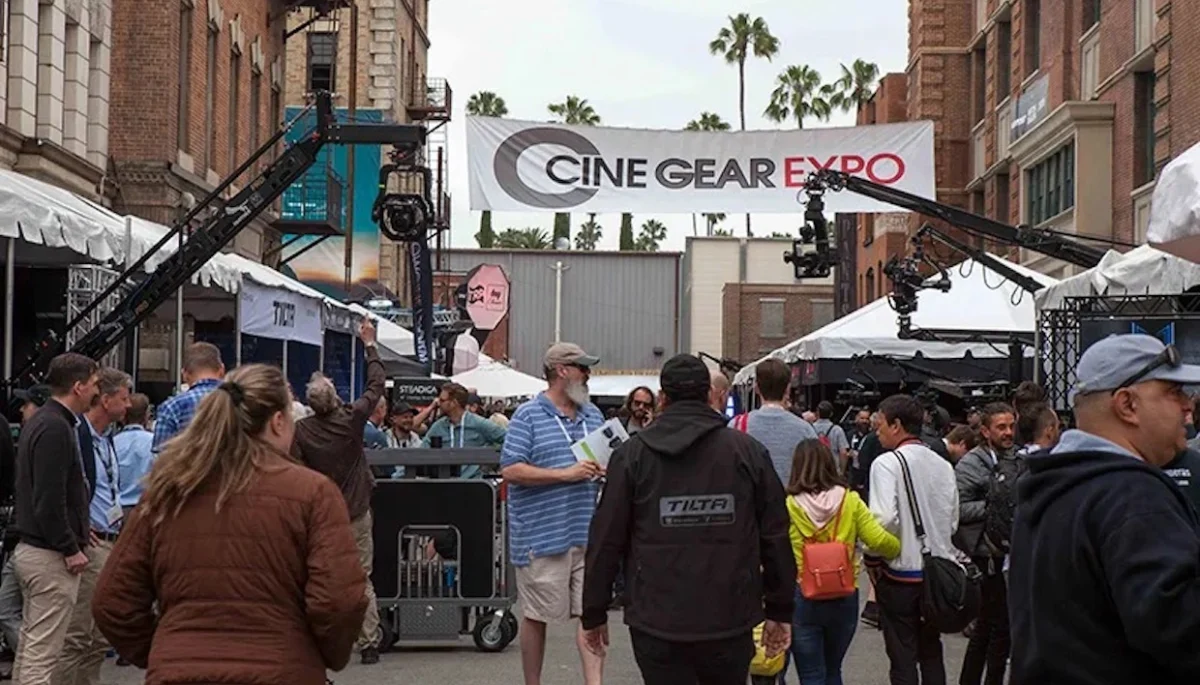
The 2026 iteration of the Cine Gear Expo at the Universal Studios Lot in Los Angeles served as a pivotal gathering for the global cinematography community, offering a stark contrast to the broader, often overwhelming scope of the NAB Show. While larger broadcast conventions frequently highlight the diminishing role of traditional cinema in favor of high-growth sectors like streaming, digital signage, and artificial intelligence, Cine Gear remains a steadfast celebration of the craft of filmmaking. The two-day event brought together a diverse cross-section of the industry, from veteran American Society of Cinematographers (ASC) members to a new generation of filmmakers influenced by viral digital aesthetics. Set against the iconic backdrop of the Universal backlot, the expo functioned as both a high-tech trade show and a community-building retreat for cinematographers, gaffers, and lighting technicians.
The Cultural Landscape of Modern Cinematography
The demographic shift at Cine Gear 2026 was one of the most immediate observations for long-time attendees. The presence of younger filmmakers, many of whom have found inspiration in independent successes like the Obsession and Backrooms phenomena, injected a distinct energy into the Friday morning sessions. This "ethnographic" shift suggests a bridging of the gap between traditional film school education and the DIY ethos of the digital age. Independent filmmakers, such as Alec Moeller of the New Faces class of 2022, noted that despite the influx of high-end stabilization and digital sensor technology, there remains a persistent interest in naturalistic lighting and the tactile quality of celluloid.
This year’s transition to the Universal Studios Lot presented logistical shifts from previous years at the Warner Bros. lot. While the backlot setting provides an immersive environment that resonates with the history of Hollywood, the sprawling layout necessitated a shuttle-based transit system between the vendor tents and the seminar areas. Despite these logistical hurdles, the event maintained a high level of engagement, with panels featuring world-renowned cinematographers like Ed Lachman drawing large crowds who queued in the Southern California sun for a chance to hear insights into the evolving medium.
Insights from the American Society of Cinematographers
A centerpiece of the expo was the annual ASC Dialogue panel, which featured 15 distinguished members of the Society. The lineup included Jeff Cronenweth (The Girl with the Dragon Tattoo), Rachel Morrison (Black Panther), Karl Walter Lindenlaub (Independence Day), and Natasha Braier (I Love Boosters). The panel opened with a retrospective montage celebrating over 100 years of ASC history, showcasing iconic frames from films such as John Toll’s The Thin Red Line.
The discussion moved beyond technical specifications to address the psychological and physical aspects of cinematography. Steven Fierberg (Secretary) introduced the concept of "body consciousness," describing the intuitive movement of a cinematographer on set as a subconscious reaction to the environment and the actors. Natasha Braier further elaborated on this by linking her cinematographic choices to her upbringing in Argentina under a military dictatorship, where she learned to navigate and visualize subtext—a skill that she now applies to the visual language of her films. This emphasis on the "unconscious" elements of filmmaking highlighted a core theme of the expo: that despite the rapid advancement of tools, the human element remains the primary driver of cinematic art.
The Rapid Evolution of LED and Lighting Control
In the lighting sector, the pace of technological advancement continues to accelerate, moving far beyond the slow historical cycles of tungsten and HMI technology. Boutique rental houses, such as Canary Yellow, reported that keeping pace with LED chipset updates has become a full-time requirement for modern gaffers. A major highlight in this category was the Aputure Blair CG color engine, which represents a significant step forward in color accuracy and spectral output for LED fixtures.
Simultaneously, the software used to control these lights is becoming more sophisticated. The preview of V3 for the Blackout Lighting Console demonstrated a shift toward visual control components. By moving away from purely numerical inputs to intuitive iPad-based visual interfaces, the software allows lighting professionals to manipulate complex arrays with greater fluidity. This evolution reflects a broader trend in the industry: the "democratization" of high-end tools through more accessible, user-friendly interfaces that do not sacrifice professional-grade precision.
The Hybrid Future: The Cinelux Sixteen
One of the most talked-about hardware reveals at Cine Gear 2026 was the Cinelux Sixteen, a 16mm film camera prototype developed by Cinelux Cinema Tools. As the first new film camera designed in several years, the Cinelux Sixteen addresses a specific market need: the ability to shoot film and digital simultaneously. The camera records 3.2k digital proxies to an SD card while running traditional 16mm film, utilizing a film-emulation LUT to provide producers and directors with an immediate approximation of the final celluloid look.
Chief engineer Caz Voorhees detailed the technical challenges of the project, which has been in development for over two years. While the digital aspect was managed using a Sony sensor, the mechanical engineering of the film magazine proved to be the most significant hurdle. The design requires the film to move with zero friction within a highly constrained space to avoid scratching or jamming. In a move toward industry transparency, the Cinelux team plans to make the magazine designs open-source, allowing users to 3D-print components in emergency situations. The camera is projected for a mid-2027 release, potentially revolutionizing the workflow for independent productions that favor the aesthetic of film but require the speed of digital dailies.
Restoration and Rehousing: Giving New Life to Vintage Glass
The lens market at Cine Gear 2026 showcased a dual focus on the restoration of historical glass and the creation of new anamorphic series. Zero Optik, a leader in the rehousing space, highlighted its work on the Bausch & Lomb Ultra Baltar lenses, which date back to the late 1930s. Originally designed for photography, these lenses were long considered unusable for modern cinema due to mirror shutter conflicts. However, the rise of digital sensors has allowed these vintage optics to return to the forefront, as seen in recent films like El Conde and Maria.
Zero Optik also revealed its restoration of the Todd-AO 65mm prime lenses for the ASC. These lenses, used on classics like The Sound of Music and Oklahoma!, were discovered in the ASC archives and restored with input from cinematographer Greig Fraser (Dune: Part Two). The project aimed to create a consistent look across the set while maintaining the iconic characteristics of 1950s large-format cinematography. These lenses are now available exclusively through Keslow Camera, representing a bridge between Hollywood’s Golden Age and modern blockbusters.
Anamorphic Advancements and Large Format Sensors
Atlas Lens Co. continued its trajectory of growth with the announcement of the Kaizen Series Anamorphic lenses. Founded by Dan Kanes, who transitioned from a lighting technician to a lens designer, Atlas has become a staple for major productions including Babylon and the upcoming Dune: Part Three. The Kaizen series is specifically optimized for the latest generation of large-sensor cameras, such as the Fujifilm GFX Eterna 55, the Arri Alexa 265, and the Blackmagic Design Ursa Cine 17K.
Kanes explained that the Kaizen series addresses a common limitation of vintage anamorphic glass: high field curvature. By engineering a more parallel field curvature, the Kaizen lenses allow for multiple subjects to remain in focus across the wide frame, a feature that is increasingly requested for ensemble-driven large-format productions. Despite being designed for massive sensors, the lenses maintain compatibility with Super 35 and full-frame systems, offering versatility for DPs working across different formats.
Community and the Pedagogy of the Craft
The expo concluded with a focus on education and the social fabric of the industry. M. David Mullen, a highly respected figure in the cinematography community and a frequent contributor to industry forums, led a seminar presented by Red Digital Cinema. Mullen provided a detailed breakdown of the technical choreography required for the complex tracking shots in The Marvelous Mrs. Maisel, demonstrating how multi-camera setups are integrated into seamless visual narratives.
The event’s final act took place at the ASC Clubhouse in Hollywood for the annual post-expo barbecue. This tradition underscores the unique nature of Cine Gear; while the technology is the draw, the community remains the foundation. Attendees, ranging from student filmmakers to Oscar-winning cinematographers, gathered to discuss the future of the industry over a shared meal. This sense of camaraderie is essential in an industry currently navigating rapid technological shifts and economic uncertainty.
Broader Impact and Industry Implications
Cine Gear Expo 2026 highlighted several critical trends that will likely define the next five years of filmmaking. First, the hybrid approach to film and digital—exemplified by the Cinelux Sixteen—suggests that celluloid is no longer a niche or dying format but a premium choice that is being integrated into modern digital workflows. Second, the rapid advancement in LED technology and visual-first software interfaces is changing the role of the gaffer and the lighting department, requiring a blend of traditional artistry and high-level technical proficiency.
Finally, the success of companies like Zero Optik and Atlas Lens Co. indicates that the industry is moving toward a more personalized and "boutique" approach to optics. DPs are increasingly seeking unique visual signatures that differentiate their work from the clean, clinical look of standard digital sensors. As Cine Gear 2026 proved, the future of cinematography lies not just in higher resolutions or more powerful sensors, but in the creative application of diverse tools that honor the history of the medium while embracing the possibilities of the future.