


Janus Films has officially released the main US trailer for The Samurai and the Prisoner, the highly anticipated Japanese samurai murder mystery film from master filmmaker Kiyoshi Kurosawa. Originally known by its Japanese title, Kokurojo, or Kokurojo: The Samurai and the Prisoner, the film has garnered significant international attention since its premiere at the 2026 Cannes Film Festival. This gripping, large-scale psychological mystery, set against the tumultuous backdrop of Japan’s Warring States period, promises a thrilling blend of historical drama and intricate detective work, arriving in US theaters starting July 31st, 2026.
A Deep Dive into Feudal Intrigue and Psychological Suspense
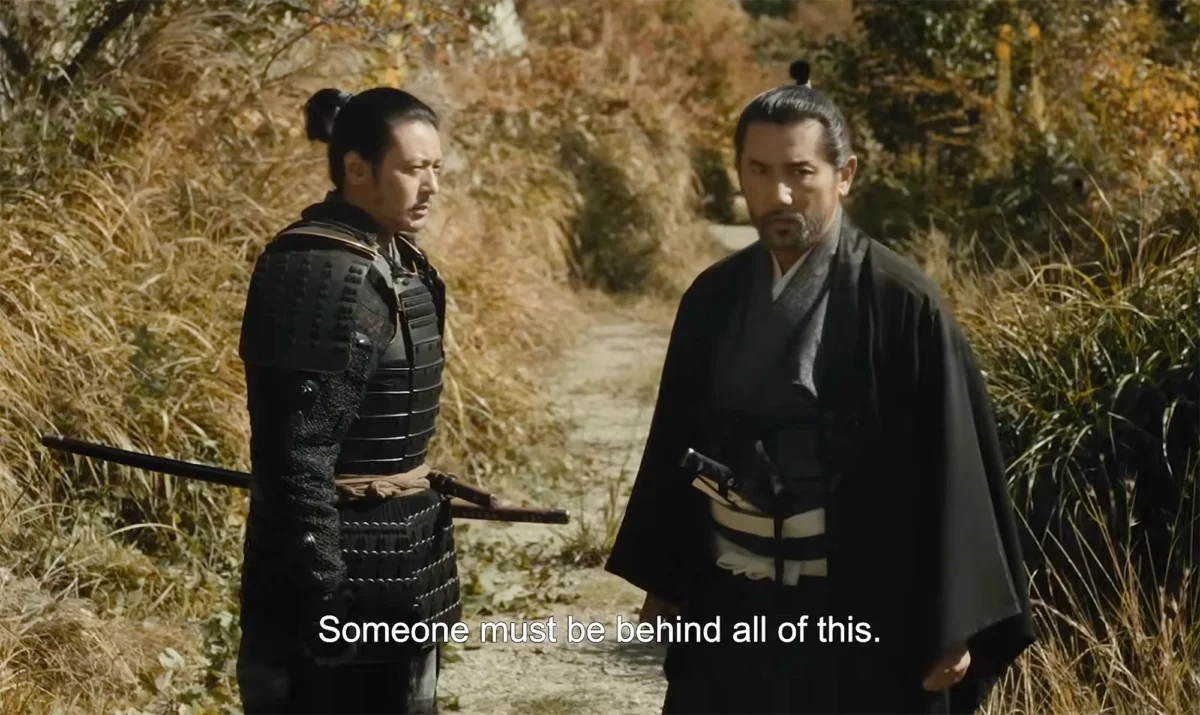
The Samurai and the Prisoner transports audiences to a besieged castle where conflicting ambitions and desperate measures collide. The narrative centers on Lord Murashige (portrayed by Masahiro Motoki), who has dared to defy the tyrannical Oda clan, finding himself and his loyalists trapped within his own fortress walls. As the external threat of Oda’s advancing army looms, an even more insidious danger emerges from within: a series of mysterious crimes, including a perplexing "closed-room" murder, shatter the fragile order of Murashige’s court. These bizarre incidents plunge the castle into an abyss of fear, suspicion, and paranoia, eroding trust among its inhabitants.
To confront this escalating internal crisis, Lord Murashige is compelled to forge an unlikely and uneasy alliance with Kanbei, a brilliant yet dangerous strategist. Kanbei, imprisoned in the castle’s dungeon, holds the key to unraveling the truth, possessing a formidable intellect that can dissect the most intricate puzzles. Their collaboration forms the core of the film’s tension, as they race against time to unmask the traitor lurking among Murashige’s ranks and uncover the truth behind the murders, all while the external siege intensifies. The film’s tagline, "Believe in me! Believe in our castle’s strength!" encapsulates the desperate plea for loyalty and the existential threat facing the besieged lord.
Kiyoshi Kurosawa’s Departure into Period Drama
For acclaimed Japanese filmmaker Kiyoshi Kurosawa, The Samurai and the Prisoner marks a significant and intriguing departure from his well-established filmography. Renowned globally for his contributions to the J-horror movement and his mastery of psychological thrillers, Kurosawa has built a formidable reputation with films like Cure (1997), Pulse (2001), Tokyo Sonata (2008), and more recently, the critically lauded Wife of a Spy (2020) and Cloud (2025). His signature style often involves slow-burn suspense, existential dread, and an exploration of the darker facets of human psychology, often set in contemporary or near-future urban landscapes.

The Samurai and the Prisoner is Kurosawa’s very first period piece feature film, an ambitious leap into the historical drama genre. While the setting is new, the film demonstrates Kurosawa’s ability to infuse his characteristic thematic concerns – paranoia, moral ambiguity, and the unraveling of order – into a historical context. This shift allows him to explore timeless human dilemmas against a richly detailed feudal backdrop, proving his versatility as a storyteller. This foray into a new genre has been keenly observed by critics and fans alike, eager to see how his unique directorial voice translates to the samurai epic.
Critical Reception and Festival Buzz from Cannes
The film’s world premiere at the 2026 Cannes Film Festival was met with widespread critical acclaim, generating significant buzz. Reviewers highlighted its intricate plot, atmospheric tension, and Kurosawa’s meticulous direction. One particularly insightful review, cited by RogerEbert.com, described the film as "a work that feels a bit like Agatha Christie, a bit like Shakespeare, and even a bit like Samurai Columbo." This comparison perfectly encapsulates the film’s multi-layered appeal: the intricate "whodunit" mystery reminiscent of Christie, the profound character drama and power struggles echoing Shakespeare, and the methodical detective work recalling the iconic detective Columbo, all within the distinctive framework of a samurai film.
Critics praised Kurosawa’s ability to blend these seemingly disparate influences into a cohesive and compelling narrative. The film’s psychological depth, coupled with the high stakes of a castle under siege, created an immersive experience that resonated deeply with festival audiences. This strong critical endorsement from Cannes has set a high bar for its theatrical release, positioning it as a must-see for cinephiles and fans of international cinema.
The Historical Canvas: Japan’s Warring States Period
The Warring States period (Sengoku Jidai, c. 1467-1615) provides a compelling and brutal historical canvas for The Samurai and the Prisoner. This era was characterized by relentless civil war, political intrigue, and the rise and fall of powerful daimyo (feudal lords) vying for control of Japan. The breakdown of central authority led to a period of intense social and military upheaval, where loyalty was fluid, betrayal was common, and survival often depended on cunning and ruthlessness.
Within this turbulent environment, the concept of a "closed-room" mystery takes on added layers of tension. A castle, typically a symbol of strength and security, becomes a pressure cooker where external threats mirror internal betrayals. The film expertly leverages this historical context to amplify its themes of ambition, power, and the fragility of human alliances. The besieged castle setting is not merely a backdrop but an active participant in the drama, symbolizing the isolation and desperation of its inhabitants. Understanding the historical context enhances the appreciation of the characters’ dilemmas and the gravity of their choices.

A Stellar Ensemble Cast
Kurosawa has assembled a formidable cast to bring The Samurai and the Prisoner to life. Leading the ensemble is Masahiro Motoki as Lord Murashige, a role that demands both vulnerability and resolute leadership. Motoki, known for his nuanced performances in films like Departures (2008), brings a depth to the character of a besieged lord grappling with betrayal. Masaki Suda, a versatile actor celebrated for his roles in Death Note: Light Up the New World (2016) and The Great War of Archimedes (2019), likely portrays the brilliant but dangerous strategist Kanbei, whose intellect is key to unraveling the mystery.
The cast also features Yuriko Yoshitaka, a prominent actress seen in Gantz (2011) and Norwegian Wood (2010), adding another layer of intrigue to the castle’s inhabitants. Veteran actor Joe Odagiri, a frequent collaborator with Kurosawa in films like Bright Future (2003) and Seventh Code (2013), further enriches the ensemble with his distinctive presence. Other notable actors include Takashi Aoki, Ryota Miyadate, and Tasuku Emoto, each contributing to the complex tapestry of characters caught in the castle’s web of secrets and suspicions. The collective talent of this cast ensures powerful and engaging performances that anchor the intricate narrative.
From Novel to Screen: The Genesis of Kokurojo
The film is an adaptation of Honobu Yonezawa’s acclaimed novel "Kurojo" (黒牢城), which translates to "Black Fortress Castle." Yonezawa is a celebrated author known for his mystery novels, and his work provides a strong literary foundation for Kurosawa’s cinematic interpretation. The process of adapting a complex historical mystery novel to the screen involves careful crafting to maintain the intricate plot while translating its psychological depth visually. Kurosawa, alongside producer Satoko Ishida, has meticulously brought this narrative to life, ensuring that the film honors the source material while bearing the unmistakable stamp of his directorial vision.
The film’s journey began with its production, culminating in its much-anticipated premiere at Cannes. Following its international debut, The Samurai and the Prisoner saw its initial theatrical release in Japan on June 19th, 2026, a few weeks prior to its US debut. This staggered release strategy allows for critical momentum to build, leveraging the positive reception from Cannes and its home market to generate anticipation in North America.
Janus Films and the US Distribution Strategy

Janus Films, a distinguished distributor known for bringing classic and contemporary international art-house cinema to American audiences, is handling the US release of The Samurai and the Prisoner. Janus Films has a long-standing reputation for championing auteur cinema and introducing significant foreign works to the US market, often through collaborations with The Criterion Collection. Their involvement signals the film’s artistic merit and its potential to resonate with a discerning audience.
The decision to release the film in select US theaters starting July 31st, 2026, positions it as a significant summer offering for specialized cinema. This timing allows it to stand out from mainstream blockbusters, targeting audiences looking for intellectually stimulating and artistically rich cinematic experiences. The distribution strategy will likely involve a gradual rollout, beginning in major urban centers and expanding based on critical reception and audience demand, maximizing its reach among its target demographic. The release is accompanied by a compelling official US poster that captures the film’s intense atmosphere and historical setting.
Broader Implications for Japanese Cinema
The international success and critical acclaim of The Samurai and the Prisoner have broader implications for Japanese cinema on the global stage. Kurosawa’s ability to transcend genre boundaries and achieve critical success in a new format demonstrates the artistic vitality and versatility of Japanese filmmakers. Such films contribute significantly to diversifying the perception of Japanese cinema beyond its well-known horror or anime exports, showcasing its capacity for sophisticated historical dramas and psychological thrillers.
Moreover, the film’s blend of Western mystery tropes (Agatha Christie, Columbo) with a distinctly Japanese historical setting makes it particularly accessible to international audiences while retaining its cultural authenticity. This cross-cultural appeal can foster greater appreciation for Japanese storytelling and filmmaking techniques, encouraging more international distribution and collaboration. The film serves as a testament to the enduring power of compelling narratives and masterful direction, regardless of their origin.
As The Samurai and the Prisoner prepares for its US theatrical debut, anticipation is high. Kurosawa’s latest work is poised to deliver an intense, thrilling, and intellectually stimulating cinematic experience, firmly establishing his prowess across diverse genres and reaffirming the global significance of Japanese filmmaking. Audiences are encouraged to prepare for a journey into a world where honor, betrayal, and a desperate quest for truth collide within the confines of a besieged feudal castle.