


The digital streaming landscape in mid-2026 continues to demonstrate a significant shift in consumer behavior, as audiences increasingly pivot toward a mixture of high-concept independent features and curated historical retrospectives. While the summer season traditionally prioritizes high-octane theatrical blockbusters, the current streaming slate across platforms such as Netflix, Prime Video, Hulu, and specialized services like Criterion and Shudder reflects a sophisticated demand for "unseasonable" content. This month’s offerings are characterized by a surge in high-quality animation, the return of foundational cinematic franchises, and a renewed interest in science fiction narratives that address the contemporary intersection of climate change and artificial intelligence.
The Rise of Mexican Stop-Motion and Independent Animation
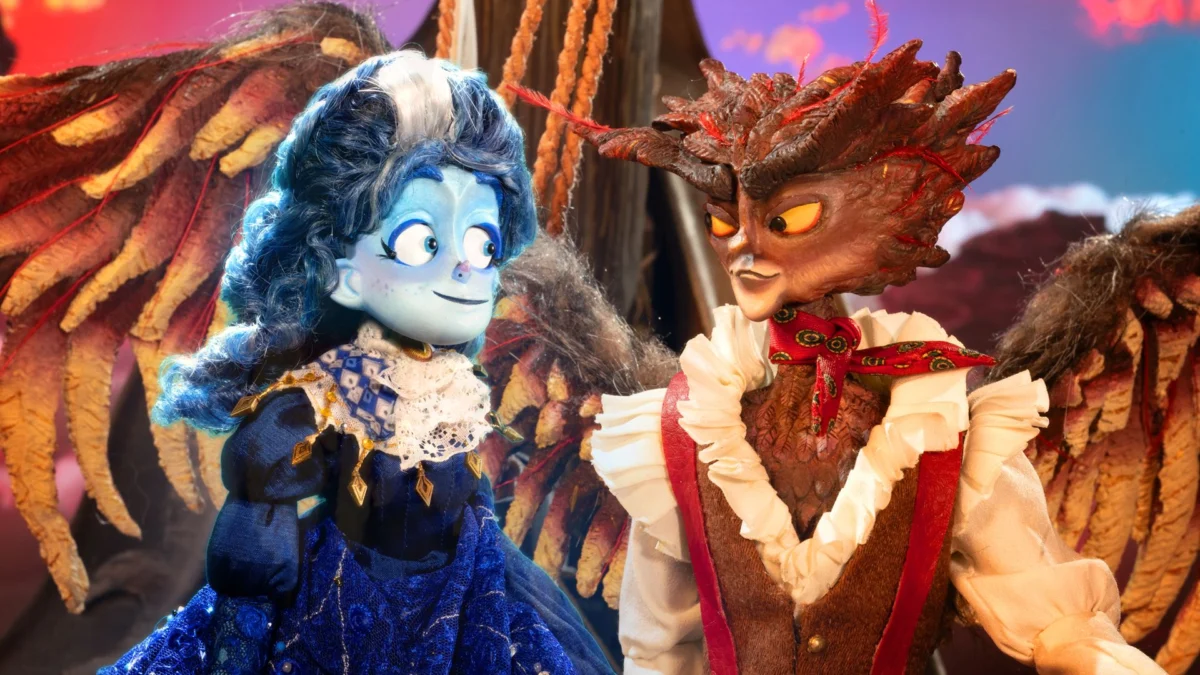
One of the most significant cultural milestones of the current streaming cycle is the arrival of I Am Frankelda on Netflix. Produced by the Mexican studio Cinema Fantasía, this feature-length adaptation of the popular web series represents a watershed moment for the Latin American animation industry. It stands as Mexico’s first feature-length stop-motion production, a feat that industry analysts suggest was emboldened by the global success of earlier Mexican-led projects in the genre.
Set in the late 19th century, the narrative centers on Francisca Imelda, voiced by Mireya Mendoza. The story details her journey into the macabre world of Topus Terrentus under the guidance of Prince Herneval. The film’s production design, which draws heavily from the aesthetic traditions of gothic literature and Mexican folklore, has invited comparisons to the works of Guillermo del Toro and Henry Selick.
Data from the Mexican Film Institute (IMCINE) indicates that investment in stop-motion animation has increased by 40% over the last five years, largely due to the "Frankelda effect." Critics have noted that the film’s exploration of the "nightmare teller" role serves as a meta-commentary on the nature of storytelling itself, positioning it as a mature alternative to traditional family-oriented animation.
Yorgos Lanthimos and the Evolution of Modern Surrealism
Following the successful streaming debut of Bugonia, director Yorgos Lanthimos and producer-actor Emma Stone have solidified their status as the most prolific creative partnership in contemporary cinema with the arrival of Poor Things on Netflix. Based on the 1992 novel by Alasdair Gray, the film serves as a postmodern reimagining of Mary Shelley’s Frankenstein.
The film’s production history is notable for its intricate world-building. Production designers James Price and Shona Heath utilized massive soundstages to create a "stylized 19th-century Europe," eschewing digital green screens for traditional painted backdrops and miniatures. This tactile approach has been credited with the film’s unique visual identity. The narrative follows Bella Baxter, a woman brought back to life with the brain of an infant, as she embarks on a journey of self-discovery and sexual liberation.
Since its initial theatrical run, Poor Things has sparked significant academic discussion regarding its themes of "social constructivism" and "bodily autonomy." In the context of 2026, the film’s exploration of a woman’s right to define her own existence remains highly relevant to ongoing global discourse on civil liberties.
Historical Retrospective: The Connery Era and Bond’s Foundation
The Criterion Channel has secured the streaming rights to the foundational trilogy of the James Bond franchise, offering a high-definition look at Sean Connery’s initial tenure as 007. The inclusion of Dr. No (1962), From Russia With Love (1963), and Goldfinger (1964) provides a chronological roadmap of how the "spy blockbuster" archetype was established.
Chronology of the Early Bond Era:
- 1962: Dr. No – Established the visual language of the series, including the "gun barrel" sequence and the introduction of the criminal organization SPECTRE.
- 1963: From Russia With Love – Introduced a more grounded, Cold War-era thriller tone and the first appearance of "gadgets" via Q-Branch.
- 1964: Goldfinger – Cemented the franchise’s commercial formula, introducing the "Bond Girl" trope with Pussy Galore and the iconic Aston Martin DB5.
Film historians point out that while some thematic elements of the 1960s films are dated by modern standards, the technical craftsmanship—particularly the set design by Ken Adam and the cinematography of Ted Moore—remains a benchmark for the industry. The Criterion release includes restored footage and archival interviews that provide context on the geopolitical climate of the early 1960s, which heavily influenced Ian Fleming’s source material.
Re-evaluating A.I. Artificial Intelligence in the Era of Modern Robotics
Hulu’s re-introduction of Steven Spielberg’s A.I. Artificial Intelligence comes at a pivotal moment in 2026. Originally conceived by Stanley Kubrick in the 1970s and eventually directed by Spielberg in 2001, the film was initially met with polarized reviews. However, twenty-five years after its release, the film’s depiction of a world ravaged by rising sea levels and the ethical dilemmas of sentient machinery has moved from the realm of speculative fiction toward uncomfortable reality.
The film stars Haley Joel Osment as David, a "Mecha" programmed to love. Industry analysts have noted that the film’s "Flesh Fair" sequence—depicting the destruction of obsolete robots by fearful humans—serves as a prescient allegory for current societal anxieties regarding labor displacement and the "uncanny valley."
Environmental data from 2026 confirms that the film’s depiction of submerged cities like New York, once considered an extreme cinematic exaggeration, now serves as a stark warning. The film’s transition from a "fairytale" to a "cyberpunk tragedy" in its final act remains one of the most discussed tonal shifts in Spielberg’s filmography.
The Cultural Impact of the Bill & Ted Trilogy
Prime Video’s acquisition of the Bill & Ted trilogy offers a comprehensive look at a franchise that has spanned nearly four decades. What began as a 1988 slacker comedy has evolved into a multi-generational exploration of legacy and optimism.
Timeline of the Wyld Stallyns:
- 1988: Bill & Ted’s Excellent Adventure – A seminal time-travel film that utilized historical figures to satirize the American education system.
- 1991: Bill & Ted’s Bogus Journey – A surrealist sequel that drew inspiration from Ingmar Bergman’s The Seventh Seal, featuring a high-stakes game against Death.
- 2020: Bill & Ted Face the Music – A legacy sequel released during the global pandemic, focusing on the pressures of middle age and the burden of expectation.
Social scientists have often cited the "Be excellent to each other" mantra as a rare example of "radical kindness" in popular culture. In 2026, the trilogy is viewed not just as a comedy series, but as a cultural artifact documenting the evolving screen presence of Keanu Reeves and Alex Winter.
Genre Innovations: Horror and Documentary
In the realm of psychological horror, Shudder’s release of The Voices of Our Mother demonstrates the ongoing trend of "elevated horror." Directed by Mark O’Brien, the film utilizes the framework of a possession story to explore the clinical realities of dementia. Sheila McCarthy’s performance has been highlighted by critics as a masterclass in unsettling physical acting. The film’s success on the platform indicates a growing appetite for horror that prioritizes atmospheric tension over traditional jump scares.
Simultaneously, the documentary Blue Scuti: Tetris Crasher offers a factual look at the world of competitive gaming. The film chronicles the 2023 achievement of Willis "Blue Scuti" Gibson, who became the first human to "kill" the NES version of Tetris. The documentary provides technical data on "rolling" and "hypertapping" techniques, while also exploring the emotional toll of high-level competition on a teenager grieving the loss of a parent.
The Theatrical-to-Streaming Success of The Amazing Digital Circus
The most significant data point in recent streaming history is the arrival of The Amazing Digital Circus: The Last Act. Originally a viral sensation on YouTube by Glitch Productions, the series achieved over 300 million views before transitioning to a theatrical feature and subsequently a streaming exclusive.
The film concludes the narrative of Pomni and her fellow captives in a virtual world governed by the AI entity Caine. Analysts suggest that the "Digital Circus" phenomenon represents a new model for the industry: indie creators building a massive audience on social video platforms before securing traditional distribution. The film’s exploration of "digital existence" and "memory loss" has resonated particularly well with Gen Z and Alpha audiences, who have grown up in a predominantly digital social environment.
Broader Industry Implications
The current slate of films available for streaming in 2026 suggests a maturing market. The distinction between "prestige" theatrical releases and "streaming" movies has blurred, as evidenced by the high production values of projects like I Am Frankelda and Poor Things. Furthermore, the reliance on archival content, such as the Bond and Bill & Ted collections, highlights the importance of "comfort viewing" in an increasingly fragmented media landscape.
As platforms continue to navigate the complexities of AI integration—both as a narrative theme in films like A.I. and as a tool in the animation process—the human element of storytelling remains the primary driver of subscriber engagement. The diversity of this month’s picks, ranging from Mexican stop-motion to 1960s espionage, reflects a globalized audience that is as interested in cinematic history as it is in the future of the medium.