



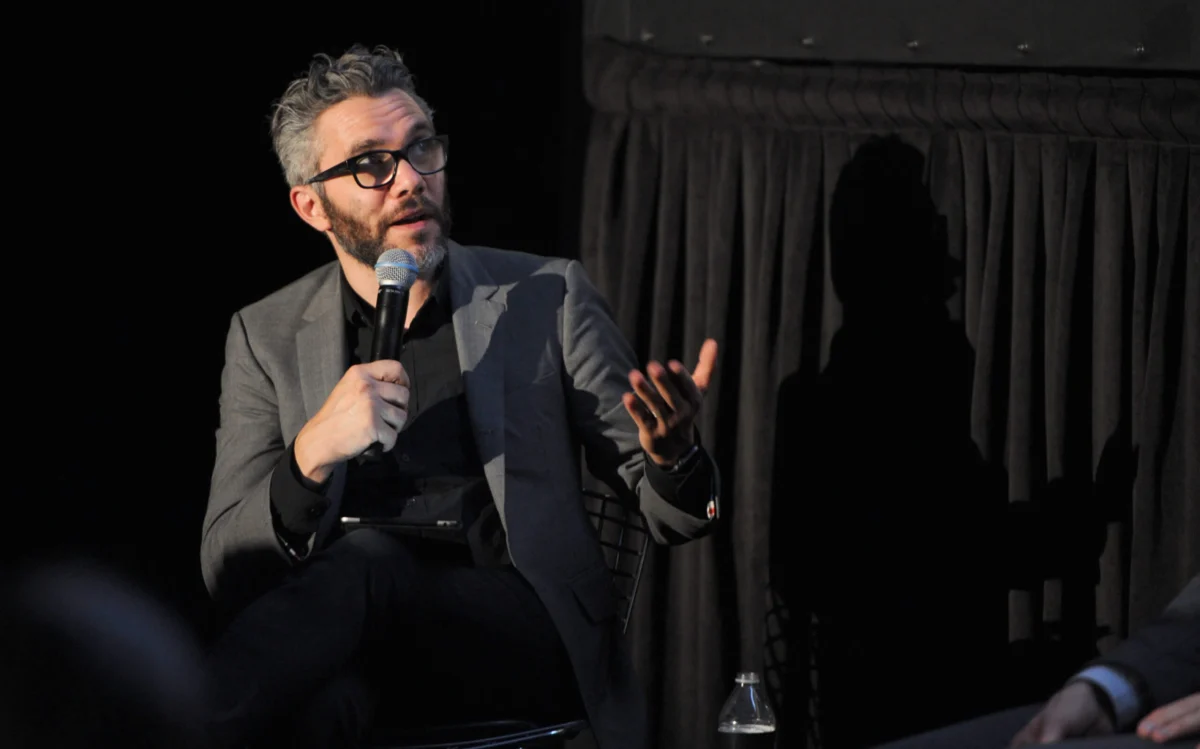
In a move that signals a definitive break from decades of internal succession, CBS News has named Nick Bilton as the new executive producer of "60 Minutes." The appointment marks a pivotal moment for the most successful news magazine in television history, ending the tenure of Tanya Simon and placing the future of the broadcast in the hands of a figure whose background lies in print journalism, documentary filmmaking, and technology reporting rather than traditional television news management.
The leadership change at "60 Minutes" comes as Paramount Skydance, the newly formed entity following last year’s high-profile merger, seeks to modernize its media properties. Bilton, a former New York Times technology columnist and the author of several high-profile books on the digital revolution, enters the role at a time when the program is grappling with internal dissent, high-profile departures, and the shifting pressures of a rapidly evolving media landscape. While "60 Minutes" has maintained its position as the No. 1 rated news program for 52 consecutive years, the decision to install an outsider suggests that CBS News leadership believes a radical shift is necessary to ensure the program’s survival in a post-broadcast era.
A Strategic Pivot in Leadership
Nick Bilton’s appointment is the result of a direct selection by Bari Weiss, the editor-in-chief of CBS News. Bilton and Weiss reportedly developed a professional rapport in Los Angeles, collaborating on documentary projects such as "Unknown: Killer Robots" and "Biggest Heist Ever." Bilton’s career has been defined by his ability to analyze the intersection of technology, power, and culture—a skillset that CBS leadership appears to value more highly in the current climate than traditional newsroom management experience.
Tanya Simon, whom Bilton replaces, represented the institutional memory of the program. With a career at "60 Minutes" spanning over 30 years, Simon rose through the ranks from a researcher to executive producer, embodying the "legacy" approach that has defined the show since its inception by Don Hewitt in 1968. By contrast, Bilton has never run a television news division. His previous experience includes a lengthy stint at The New York Times, where he covered the rise of Silicon Valley, and producing documentaries for streaming giants HBO and Netflix.
This transition reflects a broader trend within Paramount Global. Under the leadership of David Ellison, the CEO of Paramount Skydance, the company has been aggressive in restructuring its core assets. The "60 Minutes" shakeup follows the recent termination of "The Late Show With Stephen Colbert," which aired its final episode earlier this month after 11 seasons. These moves suggest a mandate from the top to prune legacy costs and reinvent traditional formats for a digital-first audience.
The Shadow of Litigation and Political Pressure
Bilton’s arrival coincides with a period of significant internal turmoil at CBS News. One of his most immediate challenges will be addressing the perception among staff that the newsroom’s editorial independence is being compromised by corporate interests and political calculations.
In 2024, the program became a flashpoint in the presidential election when then-candidate Donald Trump filed a lawsuit against CBS. The litigation alleged that "60 Minutes" had deceptively edited an interview with Vice President Kamala Harris to present her in a more favorable light. While CBS News initially defended its editorial process, the parent company, Paramount, eventually settled the lawsuit for $16 million.
The settlement sent shockwaves through the organization. Veteran correspondents, including Scott Pelley, reportedly expressed deep frustration, viewing the payout as a capitulation that undermined the program’s journalistic integrity. The atmosphere of discontent was further punctuated by the announcement that Anderson Cooper, a staple of the broadcast for nearly two decades, would be leaving the show.
Bilton has addressed these concerns directly, stating in recent interviews that his hiring is not a political maneuver intended to appease any specific administration or regulatory body. "I will prove it with the work," Bilton said. "I’m dedicated to holding people in power to account." However, the context of his appointment remains tied to the broader corporate ambitions of David Ellison, who is currently seeking regulatory approval from the Trump administration for a potential merger between Paramount and Warner Bros. Discovery.
Analyzing the "Nokia Moment" for Broadcast TV
Despite the internal friction, "60 Minutes" remains a ratings powerhouse. According to Nielsen data, the program’s viewership grew by 9% over the past year, a rare feat in an era of declining linear television audiences. Bilton, however, argues that current success is a lagging indicator of future viability.
In explaining the timing of his arrival, Bilton referenced the history of technological disruption. He pointed to Nokia’s peak sales in 2008—one year after the release of the iPhone—and The New York Times’ record revenue in 1999, just before the digital migration decimated print advertising.
"It’s still the No. 1 news broadcast in America. But history tells you disruption doesn’t happen immediately when new technology comes along—it’s usually a few years later," Bilton noted. "We’re on the precipice of this happening to broadcast TV."
Bilton’s strategy for "60 Minutes" appears to involve a "pivot" rather than an "overhaul." While he has declined to provide specific details on the upcoming changes, industry analysts expect a greater emphasis on multi-platform storytelling, shorter-form content designed for social media consumption, and a focus on investigative pieces that resonate with the younger demographics currently migrating to streaming platforms and independent news outlets.
Institutional Stability vs. Creative Disruption
The hiring of an outsider to lead "60 Minutes" is a gamble that risks alienating the show’s veteran producers and correspondents. The program has long prided itself on a "producer-driven" model, where individual teams operate with a high degree of autonomy. Bilton’s lack of experience in the specific mechanics of a weekly 60-minute broadcast—from the complex legal vetting process to the nuances of film-style editing—may create friction with a staff accustomed to leaders who rose through those very ranks.
However, proponents of the move argue that the "insider" model is exactly what has prevented traditional news broadcasts from adapting to the internet. By bringing in a figure who understands the "disruption" cycle, CBS News is betting that Bilton can preserve the gravitas of the "60 Minutes" brand while translating it into a format that survives the eventual collapse of the cable bundle.
Chronology of Recent Events at CBS and Paramount
To understand the weight of Bilton’s appointment, it is necessary to look at the timeline of the past 18 months:
- Mid-2023: Negotiations begin for the merger of Skydance Media and Paramount Global.
- Late 2023: David Ellison takes control of the combined entity, prioritizing a "leaner, tech-forward" approach to media management.
- October 2024: Donald Trump files a lawsuit against CBS over the Kamala Harris "60 Minutes" interview.
- Early 2025: Paramount settles the Trump lawsuit for $16 million, leading to public and private pushback from CBS News veterans.
- June 2025: CBS announces it will not renew "The Late Show With Stephen Colbert," signaling a major shift in late-night programming.
- June 2025: Anderson Cooper announces his departure from "60 Minutes" after 18 years.
- Current: Nick Bilton is officially named Executive Producer of "60 Minutes," replacing Tanya Simon.
Implications for the Future of News
The appointment of Nick Bilton is more than just a personnel change; it is a case study in how legacy media institutions attempt to navigate a period of existential threat. If Bilton succeeds, he could provide a blueprint for how other venerable news brands—such as "ABC World News Tonight" or "NBC Nightly News"—can transition their prestige into the digital age without losing their authority.
If the transition falters, however, it could accelerate the "brain drain" of veteran journalists from CBS News and further erode the trust of an audience that views "60 Minutes" as a bastion of traditional, objective reporting. The $16 million settlement and the departure of key talent have already bruised the show’s reputation. Bilton’s primary task will be to stop the bleeding while simultaneously reinventing the vessel.
Bilton has stated that he plans to spend the next few weeks meeting with the "60 Minutes" staff at their New York headquarters before unveiling his formal plan for the show’s future. For the producers, editors, and correspondents who have spent decades building the program’s legacy, the coming months will determine whether Bilton is the savior who prepares them for the future or the disruptor who dismantles the traditions that made them No. 1.