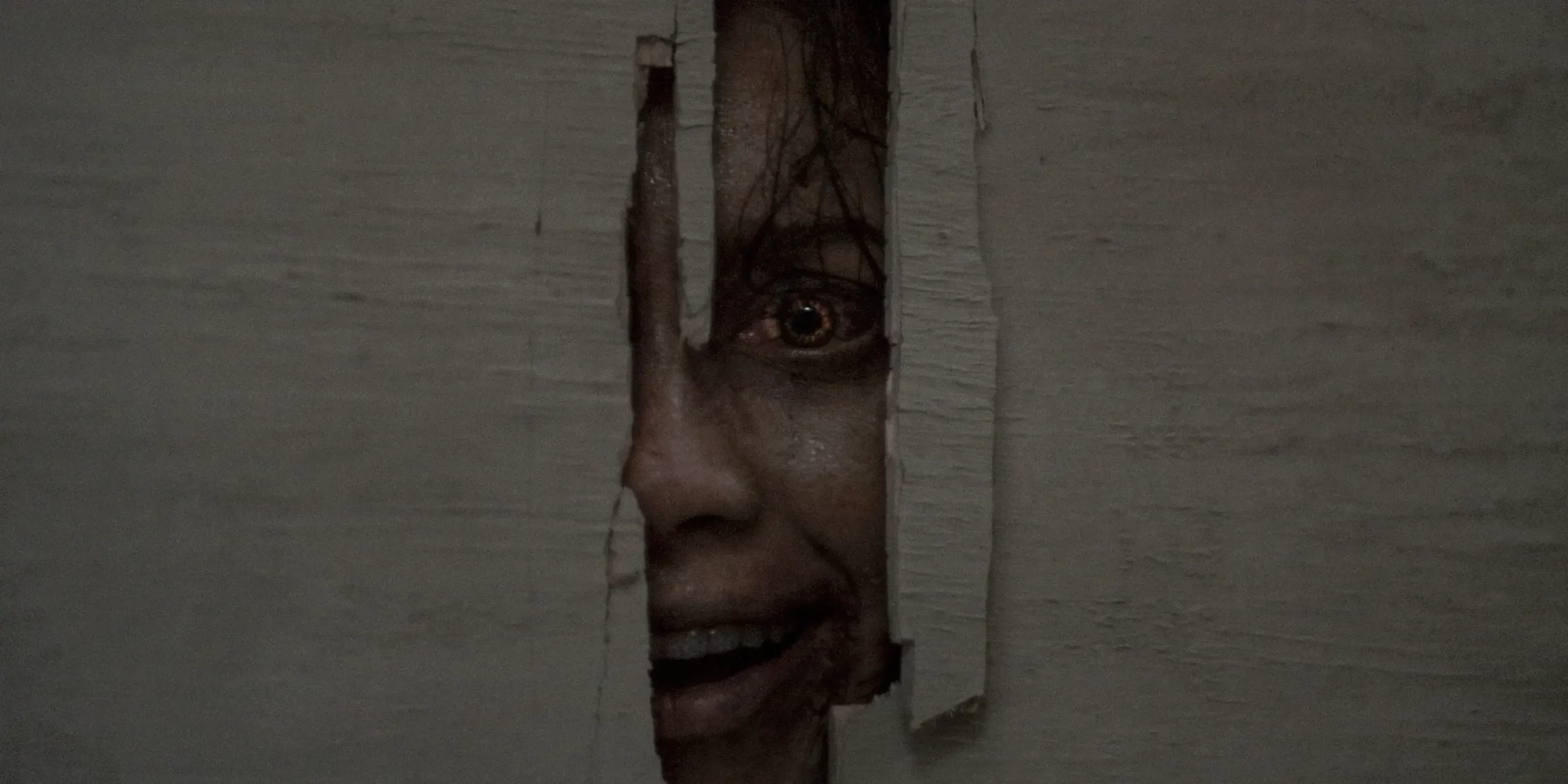
The latest installment in the iconic Evil Dead franchise, titled Evil Dead Burn, unleashes a brutal and bloody descent into demonic possession, transforming a somber family gathering into a nightmarish gauntlet. Directed and co-written by Sébastien Vaniček, with writing contributions from Florent Bernard, the film clocks in at a runtime of 110 minutes, aiming to recapture the visceral thrills that have defined the series for decades. Starring Souheila Yacoub, Hunter Doohan, Luciane Buchanan, Tandi Wright, Erroll Shand, and Maude Davey, Evil Dead Burn positions itself as a direct continuation of the franchise’s legacy, emphasizing gore, inventive horror set pieces, and a darkly comedic undertone.
A Legacy of Demonic Mayhem: The Evil Dead Franchise
The Evil Dead saga, born from the fevered imagination of Sam Raimi, has consistently pushed the boundaries of horror cinema. The original trilogy, commencing with The Evil Dead (1981), Evil Dead II (1987), and Army of Darkness (1992), established a unique blend of extreme gore, slapstick violence, and a palpable sense of dread. Raimi’s distinctive directorial style, characterized by kinetic camerawork, inventive practical effects, and a penchant for the grotesque, cemented the franchise’s cult status. As Raimi transitioned to a producer role for subsequent entries, the series evolved, providing new filmmakers with a platform to interpret and expand upon its established mythology. This approach has yielded successes such as Fede Álvarez’s Evil Dead (2013) and Lee Cronin’s Evil Dead Rise (2023), both of which garnered critical acclaim and commercial success by embracing the franchise’s core tenets of relentless terror and audacious gore. Evil Dead Burn follows this tradition, with Vaniček stepping into the director’s chair to offer his own vision of demonic chaos.
The Unraveling of a Family: Plot and Premise
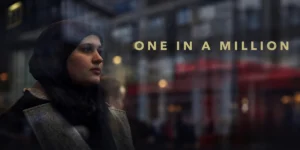
Evil Dead Burn centers on Alice (Souheila Yacoub), a woman grappling with the recent and violent death of her husband, Will. The circumstances surrounding Will’s demise are shrouded in mystery, hinted to be the result of a brutal car accident with supernatural undertones. In the wake of his passing, Alice finds herself attending a funeral and subsequent gathering at a secluded family home alongside Will’s grieving relatives. However, this is no ordinary reunion; it quickly devolves into a "family reunion from hell" as members of Will’s family begin to succumb to a sinister force, transforming into malevolent Deadites.
The narrative suggests a deep-seated tension within the family, particularly concerning Alice. Will’s mother, Susan (Tandi Wright), harbors a suspicious gaze towards Alice, her perception of her late son’s relationship starkly contrasting with Alice’s own experiences of alleged abuse. This familial discord provides a fertile ground for the encroaching evil. The catalyst for the horror appears to be an encounter at the funeral home, where Edgar (Erroll Shand) falls victim to a spirit that slowly corrupts him, initiating his transformation into a Deadite.
The malevolent forces are revealed to be on a quest for a powerful artifact, an ancient relic unearthed by the long-deceased grandfather through his research into a forgotten cult. This pursuit of the artifact fuels the escalating violence and terror that engulfs the household, which also includes Will’s brother Joseph (Hunter Doohan), his girlfriend Thya (Luciane Buchanan), and the family matriarch, a grandmother (Maude Davey) afflicted with dementia. It ultimately falls upon Alice, burdened by her past and facing unimaginable horrors, to confront the darkness that threatens to consume her and her in-laws.
Vaniček’s Vision: A Stylistic Approach to Terror
French director Sébastien Vaniček brings a distinct visual flair to Evil Dead Burn, demonstrating a keen understanding of the franchise’s aesthetic. His direction is marked by a stylish intensity, characterized by rapid-fire editing, dynamic camerawork, and a propulsive momentum that keeps the audience on edge. The pacing, at times, is deliberately breakneck, offering little respite as emotions and situations escalate from zero to sixty with minimal build-up. This approach, while occasionally leaving little room for emotional nuance, effectively amplifies the sense of chaos and urgency inherent in the Evil Dead universe.
Vaniček’s execution revels in the series’ signature violence, transforming seemingly ordinary individuals into grotesque and terrifying creatures. The film’s visual language cleverly hints at the instruments of torment that will later be employed, creating a sense of anticipation and dread that pays off handsomely during the more gruesome sequences. One notable example, the review mentions a particularly squeamish gag involving a pen, which is designed to elicit a visceral reaction from viewers, whether it be groans of discomfort or gasps of morbid fascination. While the distorted sound mix occasionally renders the Deadites’ dialogue less discernible, the primary focus remains on crafting memorable and impactful sequences of slaughter.
The Blended Art of Horror and Humor
A hallmark of the Evil Dead franchise has always been its ability to seamlessly blend extreme horror with dark, often absurd, comedy. Evil Dead Burn continues this tradition, incorporating humor in various forms. Overt comedic elements are present, such as the disruption of a funeral by the cacophony of nearby construction, highlighting the stark contrast between the somber occasion and the unfolding supernatural chaos.
A significant source of levity comes from the grandmother, whose dementia-induced pronouncements and observations provide unexpected moments of dark humor. Her presence, coupled with the use of a slow-moving chair that navigates the stairs, contributes to the film’s comedic undertones. This interplay between fear and laughter is a well-established psychological response to horror, with laughter often serving as a release of tension following moments of intense dread. While Evil Dead Burn may not reach the overt comedic heights of Army of Darkness or the self-aware silliness of Evil Dead Rise, its appreciation for the material’s inherent absurdity is evident and appreciated by fans of the series. This acknowledgment of the genre’s potential for humor is crucial in maintaining the franchise’s unique identity.
Narrative Ambitions and Their Limitations
Despite its strengths in directorial style and thematic consistency, Evil Dead Burn‘s narrative ambitions prove to be its most significant challenge. Co-written by Vaniček and Florent Bernard, the screenplay attempts to introduce a more layered backstory and deeper character development than typically found in the franchise. The Necronomicon, the ancient tome that serves as the nexus of the evil, is no longer simply a random object of terror; its origins and the specific reasons for the characters’ torment are explored.
While this endeavor to provide more context and a stronger connection to the characters is commendable, it ultimately falls short. The established shallowness of some characters prevents the audience from forming a profound emotional attachment, even when the narrative attempts to imbue their experiences with greater significance. The introduction of lore, while adding a new dimension, does not sufficiently deepen the emotional resonance or introduce compelling mysteries. The storytelling still relies heavily on individual set pieces, and the overarching narrative thread, while present, feels underdeveloped. The film’s climactic confrontation, intended to be a peak of terror, is somewhat undermined by excessive CGI, diminishing the visceral impact that practical effects and more grounded gore have historically delivered for the franchise. The attempt to inject more dimensionality into the characters paradoxically serves to highlight their inherent limitations within the narrative.
The Ensemble Cast: Delivering on the Demands
The cast of Evil Dead Burn largely delivers on the expectations set by the Evil Dead franchise, embodying the archetypes and demands of their roles with conviction. The actors understand that the series prioritizes visceral performance over profound emotional depth.
Souheila Yacoub, as Alice, shoulders the responsibility of the "Final Girl" archetype. While she carries the weight of her character’s past trauma, stemming from alleged abuse, the film struggles to fully communicate this emotional burden through her performance. Her physical performance, however, is a notable strength, conveying resilience and determination amidst the carnage.
Hunter Doohan, as Joseph, and Tandi Wright, as Susan, spend more screen time in their human forms compared to their transformed counterparts. Their performances are largely tasked with conveying terror and peril, objectives they achieve effectively. Wright, in particular, imbues her character with a stern, maternal disapproval that adds a compelling layer to her reactions. Doohan adequately portrays a general state of dismay as the horror unfolds.
Erroll Shand and Luciane Buchanan, as Edgar and Thya respectively, do not have as many opportunities to fully showcase their demonic personas, but they still manage to be striking presences on screen during their transformed states. The ensemble, as a whole, demonstrates an understanding of the assignment, delivering performances that align with the genre’s demands and the franchise’s established tone.
Conclusion: A Worthy, Though Not Groundbreaking, Entry
Evil Dead Burn is unlikely to convert those who are not already invested in the Evil Dead franchise. It is a film that leans heavily into its gruesome and often sadistic nature, yet it possesses a twisted glamour that appeals to audiences who appreciate its depraved sensibilities. The film’s captivating power stems from Vaniček’s uninhibited direction, which fully embraces the ridiculous and often over-the-top tone that runs as an undercurrent.
However, the film’s attempt to delve deeper into character emotions ultimately proves to be its undoing, short-changing the narrative and leading it into less effective territory. While it doesn’t offer significant new elements to the established formula, and its added contributions are of limited value, Evil Dead Burn still manages to capture the indomitable spirit of The Evil Dead. It stands as a worthy entry and a largely thrilling example of how filmmakers can continue to deliver scares within this beloved horror universe, solidifying its place as another chapter in the ongoing legacy of demonic mayhem. The film’s runtime of 110 minutes allows for ample exploration of its horrors, contributing to its immersive and often overwhelming experience. The ensemble cast, comprising Souheila Yacoub, Hunter Doohan, Luciane Buchanan, Tandi Wright, Erroll Shand, and Maude Davey, navigates the escalating terror with varying degrees of success, but all contribute to the film’s overall impact. Sébastien Vaniček’s directorial vision, in collaboration with co-writer Florent Bernard, presents a vision of horror that is both familiar and ambitious, making Evil Dead Burn a noteworthy, if imperfect, addition to the Evil Dead pantheon.