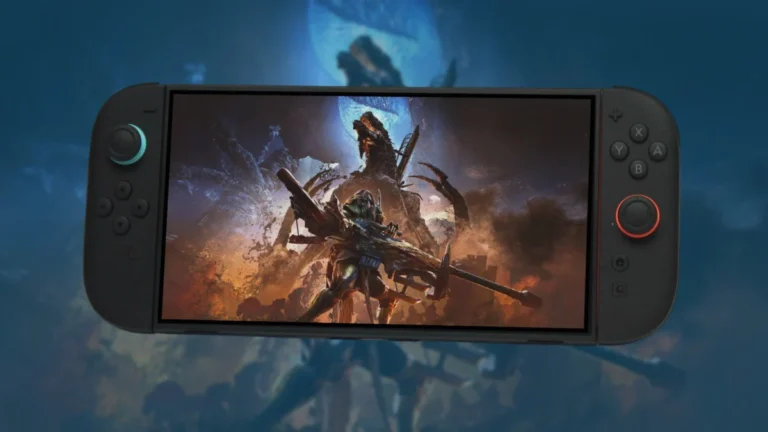




The upcoming launch of Halo: Campaign Evolved on the PlayStation 5 will necessitate a mandatory link to a Microsoft account and the use of an Xbox Gamertag, according to a recent technical update from Halo Studios. This requirement applies to all users regardless of their chosen hardware platform, aligning the PlayStation 5 release with the existing infrastructure used for Halo: The Master Chief Collection and Halo Infinite. The move is designed to facilitate a unified ecosystem that supports seamless cross-platform progression and cross-play capabilities, ensuring that player data, unlocks, and social connections remain consistent across the Xbox, PC, and PlayStation environments.
The official announcement, delivered via a comprehensive Community Q&A on Halo Waypoint, clarifies that the integration of the Microsoft account is not merely an optional feature for social connectivity but a core requirement for accessing the game’s various modes. For PlayStation 5 users, this means that even when playing on Sony’s hardware, the underlying backend services will be managed through Microsoft’s Azure-based gaming infrastructure. This decision follows a growing trend in the industry where platform-agnostic account systems are used to bridge the gap between formerly siloed console ecosystems.
Technical Requirements and Subscription Dependencies
The integration of Microsoft accounts on PlayStation hardware brings with it several specific requirements that vary depending on the intended mode of play. According to the data provided by Halo Studios, a PlayStation Plus subscription will be required for all online multiplayer activities, consistent with Sony’s standard policy for non-free-to-play titles. However, the Q&A also indicates that split-screen local play on the PlayStation 5 will require players to be linked to a Microsoft account, a detail that has sparked significant discussion within the gaming community.
To ensure a smooth transition on the launch day of July 28, Microsoft and Halo Studios have recommended that prospective players create their Xbox accounts in advance. This proactive measure is intended to minimize setup delays once the physical or digital version of the game is activated. The requirement for a secondary account on a rival console is not entirely unprecedented—titles such as Sea of Thieves, Minecraft, and various Ubisoft and Electronic Arts games have utilized similar systems—but its application to the Halo franchise, once the definitive "system seller" for the Xbox brand, represents a significant milestone in the industry’s shift toward multi-platform distribution.
The Strategic Evolution of the Halo Franchise
The release of Halo: Campaign Evolved on PlayStation 5 is a central pillar of Microsoft’s broader "Project Latitude" strategy. This initiative marks a pivot from traditional console exclusivity toward a model that prioritizes software reach and service revenue. By bringing its flagship intellectual property to a direct competitor’s hardware, Microsoft is effectively transforming its role from a hardware-centric platform holder to a high-volume multi-platform publisher.

This shift began in early 2024 with the release of four experimental titles on PlayStation and Nintendo platforms: Pentiment, Hi-Fi Rush, Grounded, and Sea of Thieves. The commercial success of these ports, particularly Sea of Thieves, which topped the PlayStation Store download charts for several weeks, provided the data necessary for Microsoft to greenlight larger projects like Halo: Campaign Evolved. Industry analysts suggest that this strategy is a response to the rising costs of AAA game development, which now frequently exceed $200 million per title, making the broader install base of the PlayStation 5 (currently exceeding 60 million units) an attractive target for recouping investment.
A Chronology of Halo’s Development and Platform Expansion
To understand the significance of this release, one must look at the twenty-four-year history of the franchise.
- 2001: Halo: Combat Evolved launches as a flagship title for the original Xbox, developed by Bungie. It revolutionizes the first-person shooter (FPS) genre on consoles.
- 2011: 343 Industries releases Halo: Combat Evolved Anniversary, a remastered version featuring updated graphics and the ability to toggle between classic and modern visuals.
- 2014: The Master Chief Collection (MCC) launches on Xbox One, bundling the core Halo titles into a single interface.
- 2019-2020: Microsoft begins its expansion beyond the console by bringing the MCC to PC via Steam and the Microsoft Store, introducing the requirement for Xbox account linking for PC players.
- 2021: Halo Infinite launches with a free-to-play multiplayer component, further normalizing the use of a unified Microsoft account for cross-progression between Xbox and PC.
- 2024: 343 Industries rebrands as Halo Studios and announces a shift to Unreal Engine 5 for future projects. Concurrently, the announcement is made for Halo: Campaign Evolved to debut on PlayStation 5.
Halo: Campaign Evolved is described as a "reimagining" that leverages modern hardware capabilities while maintaining the core gameplay loop that defined the original 2001 release. The inclusion of cross-platform progression means that a veteran player who has spent years earning cosmetic items or completing challenges in the Master Chief Collection on Xbox will find their progress waiting for them upon logging into the PlayStation 5 version.
Community Reaction and the "Double Subscription" Debate
The requirement for multiple accounts and subscriptions has met with a polarized response from the gaming public. While many players welcome the opportunity to play Halo on PlayStation hardware, others have expressed frustration over the perceived complexity of the modern gaming experience. One specific point of contention involves the local multiplayer experience. On legacy hardware, local split-screen was a "plug-and-play" affair requiring no internet connection or external accounts. The transition to a model where even local play is tethered to a Microsoft account and potentially a PlayStation Plus subscription for certain features has been criticized as a step away from user-friendly design.
Critics on social media platforms have pointed to Nintendo’s "pick up and play" philosophy as a counter-example, where local multiplayer remains largely unencumbered by account hurdles. However, defenders of the move argue that the benefits of a unified profile—such as cloud saves, unified friends lists, and synchronized achievement/trophy data—outweigh the initial inconvenience of account creation.
Distribution Logistics and Scalping Audits
Beyond the technical requirements, the Halo Waypoint Q&A addressed the physical distribution of the game. The Collector’s Edition of Halo: Campaign Evolved sold out almost immediately upon its announcement, leading to concerns regarding the influence of automated scalping bots. Halo Studios addressed these concerns directly, stating that their retail partners have conducted thorough audits of all orders.

According to the studio, there was "no evidence of widespread scalping," and the rapid sell-out was attributed to genuine high demand from the fanbase. Despite this, the studio confirmed there are currently no plans to restock the Collector’s Edition, making it a highly sought-after item on the secondary market. This limited availability highlights the enduring cultural cachet of the Halo brand, even as it transitions into a new era of multi-platform availability.
Debunking Development Myths and Looking Ahead
In an effort to clarify the historical record of the franchise, the Q&A also touched upon long-standing rumors regarding the casting of the Master Chief. Reports had occasionally circulated that Hollywood stars like Tom Cruise or Julia Roberts were at one point considered for roles within the Halo universe. The studio clarified that while informal conversations may have occurred at social gatherings between casting agents and former voice director Marty O’Donnell, no formal offers were ever extended, and the iconic voice of Steve Downes remains synonymous with the character.
As the July 28 release date approaches, the industry is watching closely to see how the PlayStation audience receives the Master Chief. The success or failure of Halo: Campaign Evolved on the PlayStation 5 will likely determine the future cadence of Microsoft’s porting strategy. If the title performs well, it could pave the way for other major franchises, such as Gears of War or Forza, to make the jump to Sony’s platform.
In summary, the requirement for a Microsoft account and Xbox Gamertag on PlayStation 5 represents the final dismantling of the "platform walls" that once defined the console wars. While it introduces new layers of digital administration for the player, it serves the broader goal of a unified, persistent gaming identity that follows the user across hardware generations and brands. For Halo Studios, the focus remains on ensuring that the "Campaign Evolved" experience is as polished and accessible as possible, regardless of which controller the player holds in their hands.