

The month of May has traditionally served as a critical inflection point for the American television industry, functioning as the final sprint toward the Television Academy’s May 31 eligibility deadline. For streamers, cable networks, and broadcast entities, this period represents the "December" of the television calendar, a high-stakes window where the volume of prestige content reaches its annual peak to capitalize on the recency bias of Emmy voters. While the Academy Awards follow a linear progression toward a spring ceremony, the Emmy Awards operate on a year-round cycle of campaigning, screening, and strategic positioning that reflects the increasingly complex nature of the global media landscape.
The Mechanics of the Emmy Nomination Process
Understanding the current state of the Emmy race requires an analysis of the structural differences between the Television Academy and the Academy of Motion Picture Arts and Sciences. Unlike the Oscars, which generally limit nominations to five per category—with the exception of Best Picture—the Emmy Awards employ a sliding scale based on the number of submissions in a given year. Under current rules, the number of nominees in the major "Outstanding Series" categories is determined by the total volume of entries. For the 2024-2025 cycle, this results in eight nominees for the Comedy and Drama Series categories, and five for Limited or Anthology Series.
This mathematical approach has historically led to record-breaking hauls for dominant programs. For example, HBO’s Game of Thrones continues to hold the record for the most nominations for a drama series in a single year, securing 32 nods for its final season. More recently, the 2023-2024 cycle saw FX’s The Bear and HBO’s The Studio tie for the most comedy nominations in a single year with 23 each. This density of nominations often concentrates prestige within a handful of elite productions, making the barrier to entry for new or independent series increasingly high.
Furthermore, the Emmy calendar lacks the traditional "precursor" season that defines the Oscars. While the Golden Globes and Critics Choice Awards offer some early momentum, the major professional guilds—including the Screen Actors Guild (SAG) and the Directors Guild of America (DGA)—typically present their television honors months after the Primetime Emmys. This creates a vacuum where publicists must rely heavily on internal marketing, "For Your Consideration" (FYC) billboards, and strategic premiere dates to ensure their projects remain top-of-mind during the June voting window.
The Impact of Industry Consolidation and the Streaming Wars
The competitive field of 2025 is a direct reflection of the "Streaming Wars" and the subsequent era of corporate consolidation. The race is no longer merely a battle between networks, but a clash of multi-platform conglomerates. The primary contenders are currently organized into several dominant blocks:
- Disney: Encompassing ABC, FX, Hulu, and Disney+.
- Warner Bros. Discovery: Centered around the HBO and Max brands.
- Paramount Global: Including CBS, Showtime, and Paramount+.
- NBCUniversal: Featuring NBC, Peacock, and the Bravo suite.
- The Tech Giants: Apple TV+, Netflix, and Amazon’s Prime Video.
This consolidation has led to a slight reduction in the total number of scripted series produced—a shift from the "Peak TV" era of 2019–2022 toward a more curated, cost-conscious model. However, the density of high-budget productions remains significant. Industry analysts note that while there are fewer shows overall, the marketing spend per "prestige" show has increased as studios attempt to cut through a crowded digital marketplace.
Drama Series Analysis: The Rise of the Juggernauts
In the Drama Series category, the current frontrunner is HBO’s The Pitt. Following a critically acclaimed and commercially successful second season, the medical drama has established itself as the rare "water cooler" show in a fragmented viewing environment. Its weekly release strategy has fostered a sustained social media discourse that many streamers have struggled to replicate with the "binge" model.
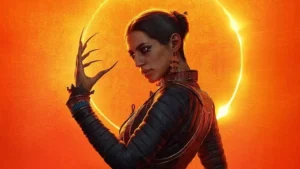
However, the competition remains fierce. Prime Video’s Fallout has successfully transitioned a high-profile gaming intellectual property into a serious awards contender, following the path blazed by The Last of Us. Apple TV+ continues its prestige push with The Morning Show and the new series Pluribus, while Hulu’s Paradise and Netflix’s perennial heavyweight Stranger Things remain significant threats.
The current trend in the drama field suggests a preference for high-concept genre pieces blended with traditional character-driven narratives. As one veteran publicist noted, the sheer volume of high-quality drama means that for many productions, "the nomination is the win." Securing one of the eight coveted slots provides a level of legitimacy that is essential for series longevity and international licensing.
Comedy Series: A Battle of Legacy and Innovation
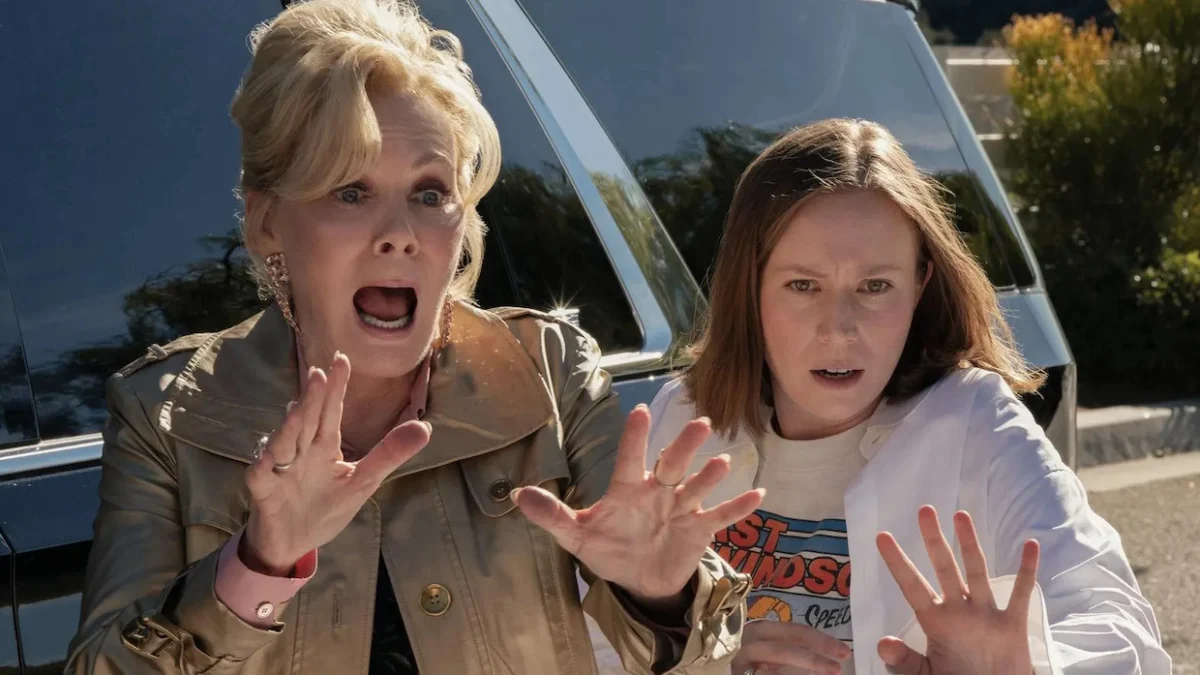
The comedy landscape is currently defined by a tension between established winners and rising satiric voices. HBO’s Hacks enters the race for its final season with significant momentum. Lead actress Jean Smart, who has secured four consecutive wins for her portrayal of Deborah Vance, is widely expected to contend for a fifth. Hacks benefits from its "backstage" setting, a trope that historically resonates with industry voters who appreciate realistic depictions of the entertainment business.

Contrasting the traditional structure of Hacks is FX’s The Bear. Despite its previous dominance, some critics and voters have debated its categorization as a comedy, given its intense, dramatic tone. This "dramedy" friction was evident in 2024 when Hacks famously broke The Bear’s winning streak.
Other notable contenders include:
- Abbott Elementary (ABC): Representing the resilience of the network sitcom, Quinta Brunson’s mockumentary remains a critical darling as it reaches its fifth season.
- Shrinking (Apple TV+): A series that leans heavily into the "feel-good" therapeutic comedy trend.
- Margot’s Got Money Troubles (Apple TV+): The strongest of the debut series this year, signaling a continued investment in star-led vehicles.
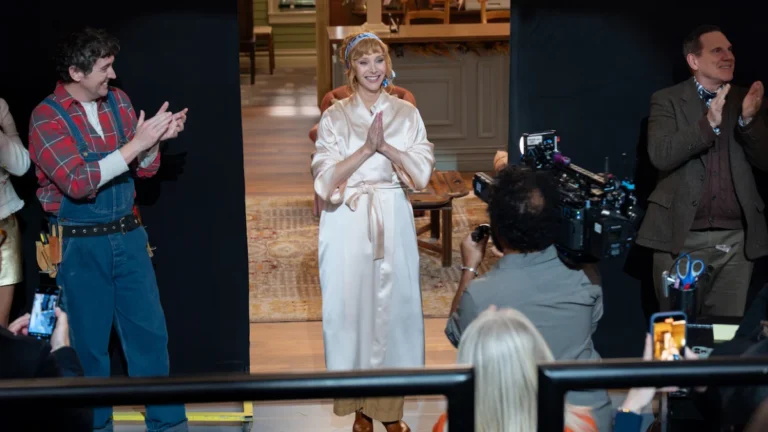
- The Comeback (HBO): Lisa Kudrow’s Hollywood satire is seeking a historic "overdue" nomination in the series category, having previously earned nods for Kudrow in 2006 and 2015.
Limited and Anthology Series: The Narrative of the Moment
The Limited or Anthology Series category often serves as the most experimental segment of the Emmy race. This year is dominated by "relationship woes" and harrowing psychological narratives. Netflix’s Beef and HBO’s DTF St. Louis are expected to lead the pack, alongside FX’s historical dramatization Love Story: John F. Kennedy Jr. & Carolyn Bessette.
A significant narrative thread this season involves the work of Richard Gadd. Following the massive success of Baby Reindeer in 2024, Gadd’s new HBO series Half Man has been described as an even more visceral exploration of trauma. Similarly, Netflix’s adaptation of Lord of the Flies and the dark comedy Adolescence indicate a strong appetite for British-led productions.
In the dark comedy sub-sector, Prime Video’s Bait, starring Riz Ahmed, has gained traction for its meta-commentary on the film industry, specifically the cultural weight of the James Bond franchise. These shows represent a broader trend toward limited storytelling that allows high-profile film stars to participate in television without multi-year commitments.
Broader Implications: AI, Politics, and the Post-Strike Reality
Beyond individual shows, the 2025 Emmy season is being shaped by three external factors: the integration of Artificial Intelligence, the global political climate, and the lingering effects of the 2023 Hollywood strikes.
The 2023 WGA and SAG-AFTRA strikes caused significant delays in production schedules, leading to the current "bottleneck" of content. Many shows originally intended for 2024 were pushed into the 2025 eligibility window, creating an unusually competitive environment. This delay has also influenced the themes of the content itself, with a noticeable increase in scripts addressing labor rights, economic disparity, and the existential threat of AI.
The Television Academy has also had to grapple with the role of AI in production. New guidelines regarding the use of generative AI in writing and visual effects are being monitored closely, as voters weigh the "human element" of storytelling against technological advancement. Furthermore, the political volatility of the current era is reflected in the nominated dramas, many of which explore themes of institutional collapse and societal polarization.
Chronology of the 2025 Emmy Season
To maintain a competitive edge, networks follow a strict chronological roadmap:
- January – March: Early screenings and "taste-maker" events are held in Los Angeles and New York.
- April – May: The "Blitz Period." High-budget premieres and extensive billboard campaigns dominate the trade publications.
- May 31: Eligibility deadline. All episodes must be aired or posted on a platform for member viewing by this date.
- June: Round one of voting begins. The Television Academy’s nearly 20,000 members cast their ballots for nominations.
- July: Official announcement of the Emmy nominations.
- August: Final round of voting.
- September: The Primetime Emmy Awards ceremony.
As the industry moves toward the June voting period, the focus shifts from public consumption to internal industry perception. The coming weeks will see a flurry of Q&A sessions, luncheons, and digital mailers as the major studios attempt to organize the "chaos" of a 500-show landscape into a coherent narrative of excellence. For the creators, actors, and artisans behind these programs, the Emmy race is more than a trophy hunt; it is a vital mechanism for securing the future of their projects in an increasingly volatile media economy.