


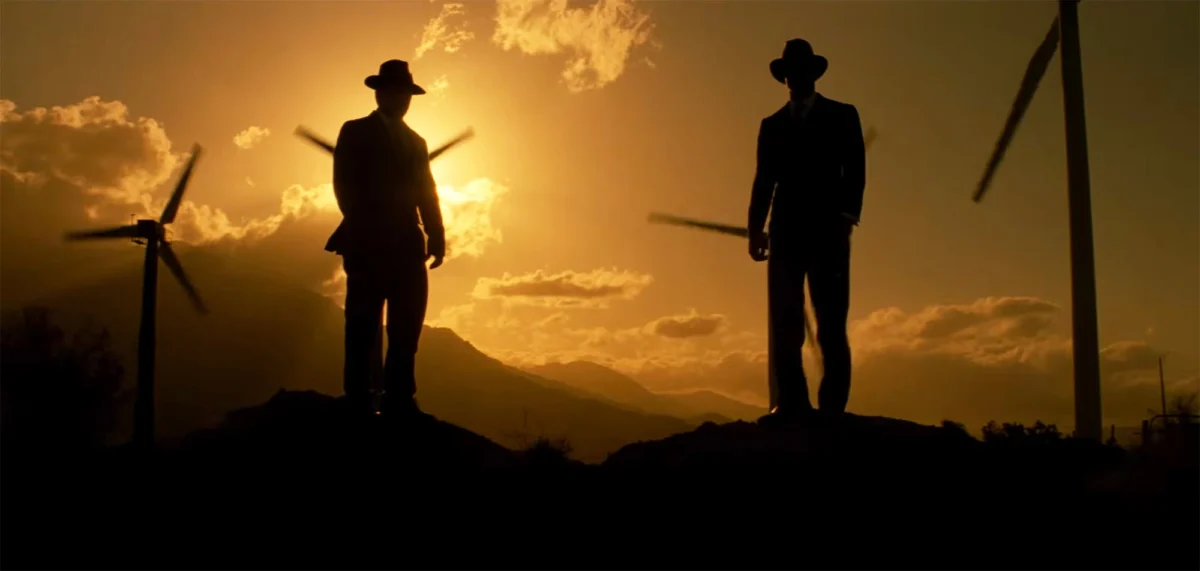
Cineverse is set to debut the highly anticipated neo-noir thriller, Chapter 51, on VOD platforms starting June 23, 2026. Helmed by the distinctive filmmaker Tyler Shields, known for his edgy visual style, the film promises a captivating dive into the sinister underbelly of the entertainment industry. This intriguing independent production boasts an impressive ensemble cast, including Abigail Breslin, Colman Domingo, Emily Alyn Lind, Charlotte Lawrence, Dylan Sprayberry, and Connor Paolo, with veteran actor Giovanni Ribisi serving as a producer. The narrative unfolds as a chilling meta-thriller, exploring themes of ambition, obsession, and the profound cost of relentless artistic pursuit within the cutthroat world of Hollywood. Its release marks a significant moment for independent cinema, offering audiences a unique blend of high-concept mystery and stark visual storytelling, partly captured using IMAX film cameras, a rarity for indie features.
The central premise of Chapter 51 revolves around a series of brutal murders that plague the set of a fictional, high-profile blockbuster titled "Dissident," a project reportedly budgeted at an astronomical $500 million. Three actresses fall victim to an enigmatic assailant dubbed the "Hollywood Killer," plunging the film’s production into a maelstrom of fear and suspicion. Despite the escalating terror and the profound tragedy, the cameras are compelled to keep rolling, albeit under the guidance of a new director, underscoring the industry’s often ruthless prioritization of production schedules and financial commitments over human lives. Years after the initial crimes, the unresolved case, which had sent shockwaves through Tinseltown, is reopened by former FBI agent Thomas Scott, portrayed by Dylan Sprayberry. His investigation promises to unravel a complex tapestry of dark truths, long-buried secrets, and the pervasive corruption that can fester beneath Hollywood’s glamorous facade. The film’s self-referential nature, portraying a film within a film, allows for a multi-layered critique of the industry it depicts, positioning it as not merely a crime thriller but also a commentary on the very act of filmmaking and the ethical dilemmas it often presents.
A Filmmaker’s Distinct Vision: Tyler Shields at the Helm

Tyler Shields, who not only directed Chapter 51 but also served as its cinematographer, brings his signature visual flair and provocative storytelling to this project. Shields has carved out a niche in independent cinema with works like Final Girl (2015), which also starred Abigail Breslin, and Outlaw (2021). His aesthetic is often characterized by high-contrast imagery, stark compositions, and an unflinching gaze at the darker aspects of human nature and societal constructs. This distinctive visual language is expected to be a cornerstone of Chapter 51, lending itself well to the neo-noir genre’s inherent moodiness and psychological depth.
The decision to shoot portions of Chapter 51 on IMAX film cameras is particularly noteworthy for an independent production. IMAX, typically reserved for large-scale blockbusters, suggests an ambitious artistic intent, aiming for an immersive and visually arresting experience despite the film’s indie roots and direct-to-VOD release strategy. This choice highlights Shields’ commitment to cinematic quality and his desire to elevate the visual storytelling beyond conventional independent film aesthetics. It also speaks to a growing trend where indie filmmakers leverage high-end technology to create distinct visual identities, blurring the lines between mainstream and independent production values. Shields’ dual role as director and cinematographer allows for an uncompromised translation of his artistic vision from concept to screen, ensuring that every frame contributes to the film’s overall atmospheric and thematic impact. The involvement of Giovanni Ribisi as a producer further underscores the project’s artistic credibility and potential, given Ribisi’s own diverse career in both acting and production, often gravitating towards unique and challenging narratives.
An Impressive Ensemble Cast Bringing Depth to the Narrative
The cast assembled for Chapter 51 is undeniably impressive, blending seasoned veterans with rising stars, all poised to deliver compelling performances within the film’s intricate plot.

Abigail Breslin, a celebrated actress since her breakout role in Little Miss Sunshine (2006), reunites with Tyler Shields after their collaboration on Final Girl. Breslin’s career has seen her transition from a critically acclaimed child actress to a versatile performer tackling complex adult roles. Her presence suggests a character of significant depth, possibly one of the ill-fated actresses, a survivor, or a key figure in the cold case investigation, lending a familiar yet powerful anchor to the film’s emotional core.
Colman Domingo adds significant gravitas to the cast. Domingo has garnered widespread critical acclaim for his nuanced performances across film, television, and theatre, including his Emmy-winning role in Euphoria and his Oscar-nominated turn in Rustin. His ability to embody characters with intense psychological complexity makes him an ideal fit for a neo-noir thriller steeped in mystery and moral ambiguity. He could portray anyone from a jaded studio executive, a compromised detective, or a mentor figure to Thomas Scott, bringing his characteristic intensity to the screen.
Dylan Sprayberry takes on the pivotal role of former FBI agent Thomas Scott, the catalyst for reopening the cold case. Known for his work in Teen Wolf and Man of Steel, Sprayberry’s portrayal will be crucial in guiding the audience through the labyrinthine investigation, connecting the past horrors with present-day revelations. His character’s journey is central to uncovering the "haunting story of ambition, obsession, and the cost of keeping the cameras rolling."
The cast is further bolstered by emerging talents like Emily Alyn Lind (Gossip Girl, Doctor Sleep) and Charlotte Lawrence (a singer-songwriter making strides in acting, notably in The Good Mother), who are likely to portray some of the actresses involved in the ill-fated "Dissident" production, contributing to the film’s portrayal of Hollywood’s cutthroat competitive landscape. Connor Paolo, known for Gossip Girl and Revenge, completes the principal ensemble, promising additional layers to the film’s character dynamics. The collective talent of this cast signals a project that attracted performers keen on exploring challenging material and working under a director with a distinct artistic vision, elevating Chapter 51 beyond a typical indie thriller.

The Enduring Allure of Hollywood Noir and Meta-Narratives
Chapter 51 positions itself firmly within the rich tradition of Hollywood neo-noir, a genre that has consistently captivated audiences by peeling back the glossy veneer of Tinseltown to reveal its darker, more cynical heart. Films like Chinatown (1974), L.A. Confidential (1997), and Mulholland Drive (2001) have masterfully used the setting of Los Angeles and the film industry itself as a backdrop for tales of corruption, moral decay, and shattered dreams. Chapter 51 appears to continue this legacy, utilizing the intrinsic glamour and inherent moral compromises of Hollywood to craft a modern mystery. The "Hollywood Killer" becomes a metaphor for the industry’s destructive potential, where ambition can morph into obsession, and the pursuit of fame can lead to tragic ends.
Moreover, the film’s "meta thriller" designation places it within a fascinating subgenre of self-referential cinema. Films about filmmaking, such as Billy Wilder’s Sunset Boulevard (1950), Robert Altman’s The Player (1992), and David Lynch’s Inland Empire (2006), often serve as powerful critiques or satirical commentaries on the industry’s inner workings, its absurdities, and its ethical quandaries. By embedding a murder mystery within the context of a high-stakes film production, Chapter 51 offers Shields a unique platform to dissect the pressures faced by actors and crew, the power dynamics at play, and the insidious ways in which art and commerce collide. The staggering $500 million budget of the fictional film "Dissident" within the narrative itself adds another layer of commentary, hinting at the immense financial stakes and the lengths to which studios might go to protect their investments, even in the face of tragedy. This meta-narrative approach allows the film to explore universal themes of truth, illusion, and identity through the specific lens of Hollywood’s dream factory.
Strategic VOD Release and Industry Implications

Cineverse’s decision to release Chapter 51 directly to VOD on June 23, 2026, reflects evolving distribution strategies for independent films in the contemporary media landscape. While the original article notes the film "premiered last year but hasn’t shown at any festivals or elsewhere," this direct-to-digital approach is increasingly common for projects that might have a niche appeal or a strong, pre-existing audience for the director’s specific style. For a film with such a distinctive visual and thematic identity, VOD offers immediate global accessibility, allowing viewers to engage with the unique cinematic experience from the comfort of their homes. This strategy bypasses the often arduous and costly process of securing theatrical distribution, particularly for independent features, and places the film directly into the hands of an audience eager for compelling and unconventional storytelling.
The VOD release also aligns with the film’s independent spirit, granting it a direct pathway to viewers without the compromises often associated with mainstream theatrical runs. For Shields, whose work often pushes boundaries, this distribution model provides artistic autonomy and ensures his vision reaches its intended audience unfiltered. The intriguing premise, coupled with the notable cast, is expected to generate significant interest on digital platforms, demonstrating the viability of VOD as a primary distribution channel for critically ambitious independent cinema.
As Chapter 51 prepares for its digital debut, it stands as a testament to the enduring power of independent filmmaking to explore complex narratives and challenge conventional cinematic norms. Tyler Shields’ distinct vision, combined with a talented ensemble cast and a compelling meta-narrative, promises a neo-noir thriller that not only entertains but also provokes thought about the intricate and often dark realities behind the Hollywood dream. Audiences seeking a stylish, psychologically rich mystery with a keen eye for industry critique will undoubtedly find Chapter 51 a compelling watch this summer.