

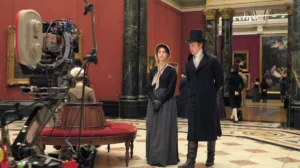
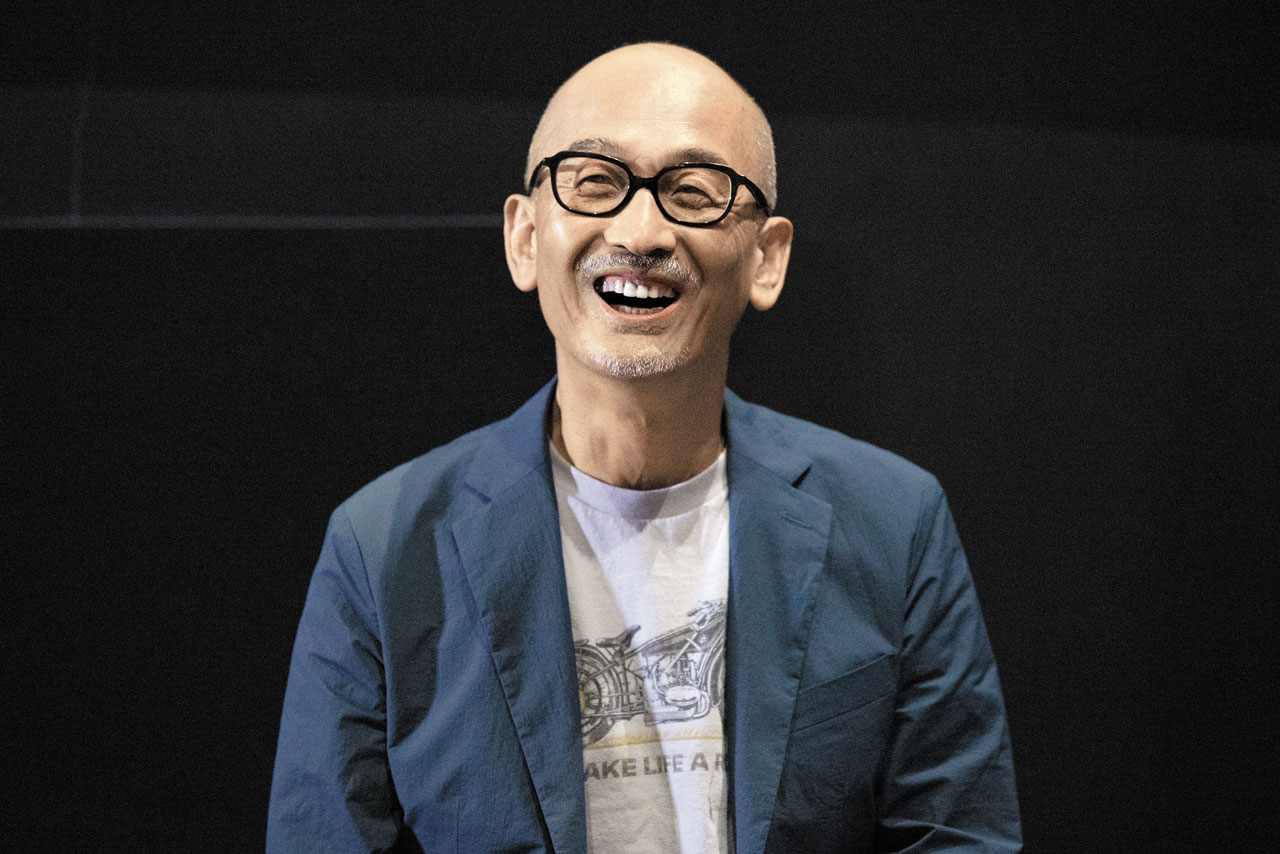
Lee Joon-ik has carved a significant niche in contemporary South Korean cinema, consistently delivering films that resonate with audiences and critics alike. His oeuvre, marked by a distinctive blend of popular appeal, artistic depth, and commercial success, includes acclaimed works such as "The King and the Clown," "Radio Star," "Hope," "The Throne," "Dongju: The Portrait of a Poet," and "The Book of Fish." While his directorial explorations have traversed diverse themes and genres, from comedy and music to queer cinema and poignant dramas, it is his profound engagement with historical narratives that has most firmly cemented his reputation. However, Lee’s approach to history diverges sharply from conventional period filmmaking, eschewing grand tales of national glory and heroic sacrifice in favor of intimate portraits of individuals grappling with powerful societal forces.
A Distinctive Lens on History
Unlike many directors who utilize historical settings to bolster national pride or recount monumental events, Lee Joon-ik consistently foregrounds the individual experience within larger, often oppressive systems. His protagonists find themselves ensnared by monarchies, colonial governments, rigid social hierarchies, or stifling family expectations. Even when depicting historical figures, Lee is less interested in deifying them and more committed to unraveling their vulnerabilities, emotional complexities, and personal relationships. This humanistic lens is a hallmark of his directorial style, offering a refreshingly nuanced perspective on the past.
A potent anti-war sentiment also permeates much of Lee’s historical work. In films like "Once Upon a Time in a Battlefield" (2003) and its sequel, "Battlefield Heroes" (2011), the true victims of conflict are not the architects of war—kings, generals, and politicians—but the ordinary soldiers and civilians caught in the crossfire of competing powers. Similarly, "Anarchist from Colony" (2017) masterfully sidesteps the potential for overt nationalism often inherent in narratives of resistance against Japanese occupation. Instead, Lee focuses on the personal convictions and the intertwined lives of Park Yeol and Kaneko Fumiko, foregrounding their individual agency and complex relationship amidst a politically charged era.
Furthermore, Lee consistently challenges popular, often romanticized, interpretations of Korean history. "Once Upon a Time in a Battlefield," for instance, reframes the legendary decision of General Gyebaek to sacrifice his family before battle not as a noble act of valor, but as a consequence of his arrogance and authoritarianism. The downfall of the Baekje kingdom, in Lee’s portrayal, is attributed not to mythical tales of royal indulgence but to tangible political missteps, rampant corruption, and internal divisions among the ruling elite. Likewise, "The Throne" (2015) moves beyond simplistic portrayals of King Yeongjo and his son, Crown Prince Sado, presenting them as deeply flawed individuals tragically consumed by the suffocating strictures of the royal institution.
The Unassuming Ascent of a Visionary
Lee Joon-ik’s path to cinematic acclaim was not paved with immediate success. After studying Oriental painting at Sejong University, he embarked on a career in magazine design and advertising before transitioning into the film industry. For years, he ran a marketing company specializing in film poster design and promotional activities. His directorial debut, "Kid Cop" (1993), proved to be a commercial disappointment, attracting fewer than 50,000 viewers in Seoul. Despite finding some appreciation on home video, the film’s theatrical failure prompted Lee to shift his focus towards film production, importation, and distribution.
As a producer, Lee was instrumental in bringing several projects to fruition, including "The Spy" (1999), "Anarchists" (2000), "Ghost Taxi" (2000), and the commercially successful "Hi! Dharma!" (2001). The latter, which drew approximately 3.7 million viewers, provided Lee with the crucial opportunity to return to directing after a decade-long hiatus. His comeback film, "Once Upon a Time in a Battlefield" (2003), a historical comedy, garnered around 2.78 million admissions, signaling a resurgence and setting the stage for the film that would fundamentally alter his career trajectory and significantly impact the South Korean box office.
"The King and the Clown" (2005): A Landmark Achievement
"The King and the Clown" stands as a pivotal moment in Lee Joon-ik’s career and a landmark in South Korean cinema. Upon its release, it became one of the highest-grossing domestic films in the country, holding the record for the most commercially successful Korean production until "The Host" surpassed it a few months later. This remarkable achievement was particularly noteworthy for a film produced on a relatively modest budget, without the star power of A-list actors, and tackling a controversial subject matter. Adapted from the stage play "Yi," the film captivated over 12 million viewers and earned the Grand Prize in the film category at the prestigious Baeksang Arts Awards.
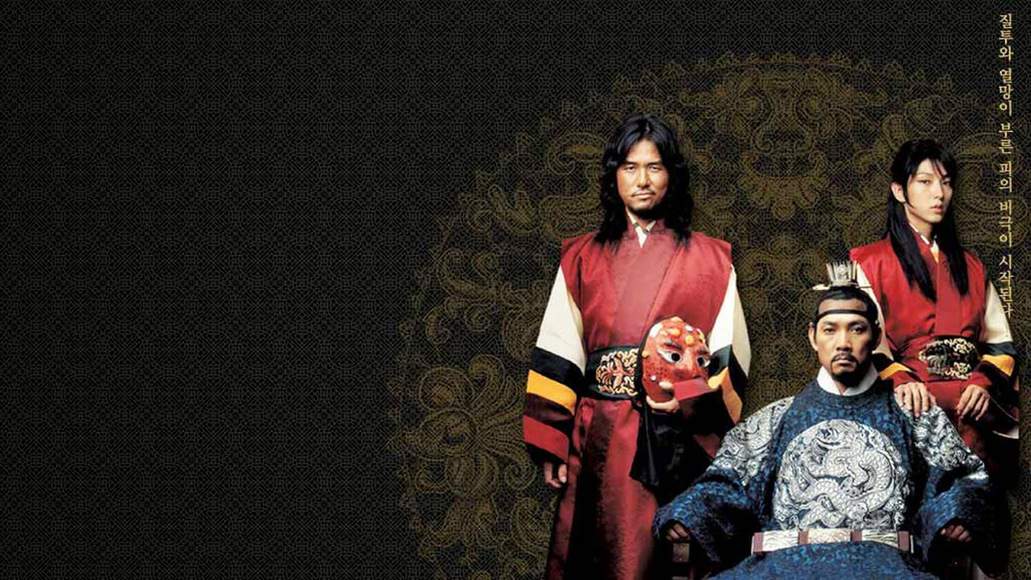
The narrative unfolds in 15th-century Joseon, following Jang-saeng and the effeminate Gong-gil, two street performers skilled in satirical sketches and acrobatic routines. Their troupe leader’s exploitation of Gong-gil forces the pair to flee to the capital, where they join another group and begin staging performances that daringly mock the king and the opulence of the Royal Palace. Their provocative act eventually draws the attention of the cruel King Yeonsan, who summons the troupe, becoming particularly captivated by Gong-gil.
Lee masterfully crafts a world imbued with beauty, color, and affection, brought to life by equally vibrant characters. While homosexuality is an underlying theme, its explicit portrayal is deliberately understated. The film’s strength lies in its ability to convey the characters’ profound emotional connections without needing to rigidly define them. Kam Woo-sung delivers an excellent performance as Jang-saeng, Lee Joon-gi breathes life into the enigmatic Gong-gil, and Jung Jin-young commands the screen as the tyrannical King Yeonsan. The film’s visual splendor is further enhanced by the breathtaking cinematography of Ji Kil-woong and the evocative score by Lee Byung-woo, which elevates both the street performances and the elaborate palace scenes.
Exploring the Human Condition Through Diverse Genres
Following the resounding success of "The King and the Clown," Lee Joon-ik continued to explore themes of emotional expression through artistic mediums in "The Happy Life" (2007). This film became part of an informal trilogy where music serves as a conduit for emotions that individuals struggle to articulate otherwise. Featuring a stellar cast including Jung Jin-young, Kim Yoon-seok, and Kim Sang-ho, the film was destined for entertainment, a promise it fulfilled with aplomb.
The story centers on Gi-yeong, an unemployed man burdened by debt from failed investments and financially dependent on his wife. The death of Sang-woo, the former leader of his university band, sparks an idea during a reunion at the funeral: to reform "Active Volcano." The former members, Seong-wook and Hyeok-su, are each struggling with their own financial and familial pressures. Gi-yeong eventually persuades them to reunite, and with the addition of Hyun-joon, the son of their deceased singer, the band finds renewed purpose.
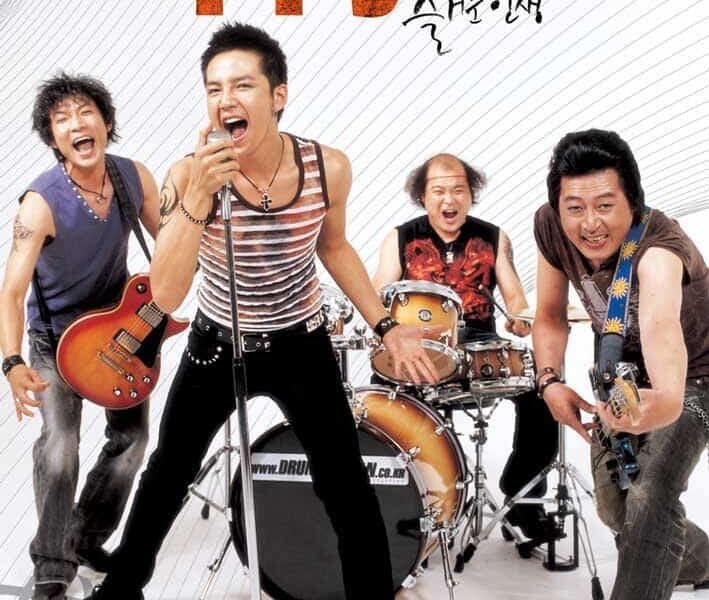
Lee Joon-ik’s triumph in "The Happy Life" lies in his seamless integration of comedy, drama, social commentary, nostalgia, and male bonding, all underscored by the pervasive and tonally defining presence of rock music. Jung Jin-young embodies the seemingly carefree Gi-yeong, Kim Yoon-seok portrays the perpetually frustrated Seong-wook, and Kim Sang-ho elicits laughter through his mere appearance while also proving adept in dramatic moments. The film offers a poignant message about the multifaceted challenges of being a father, husband, provider, and rock star, presenting a grounded and authentic portrayal of middle-aged life that avoids both excessive melodrama and conventional underdog tropes.
"Hope" (2013): Resilience in the Face of Adversity
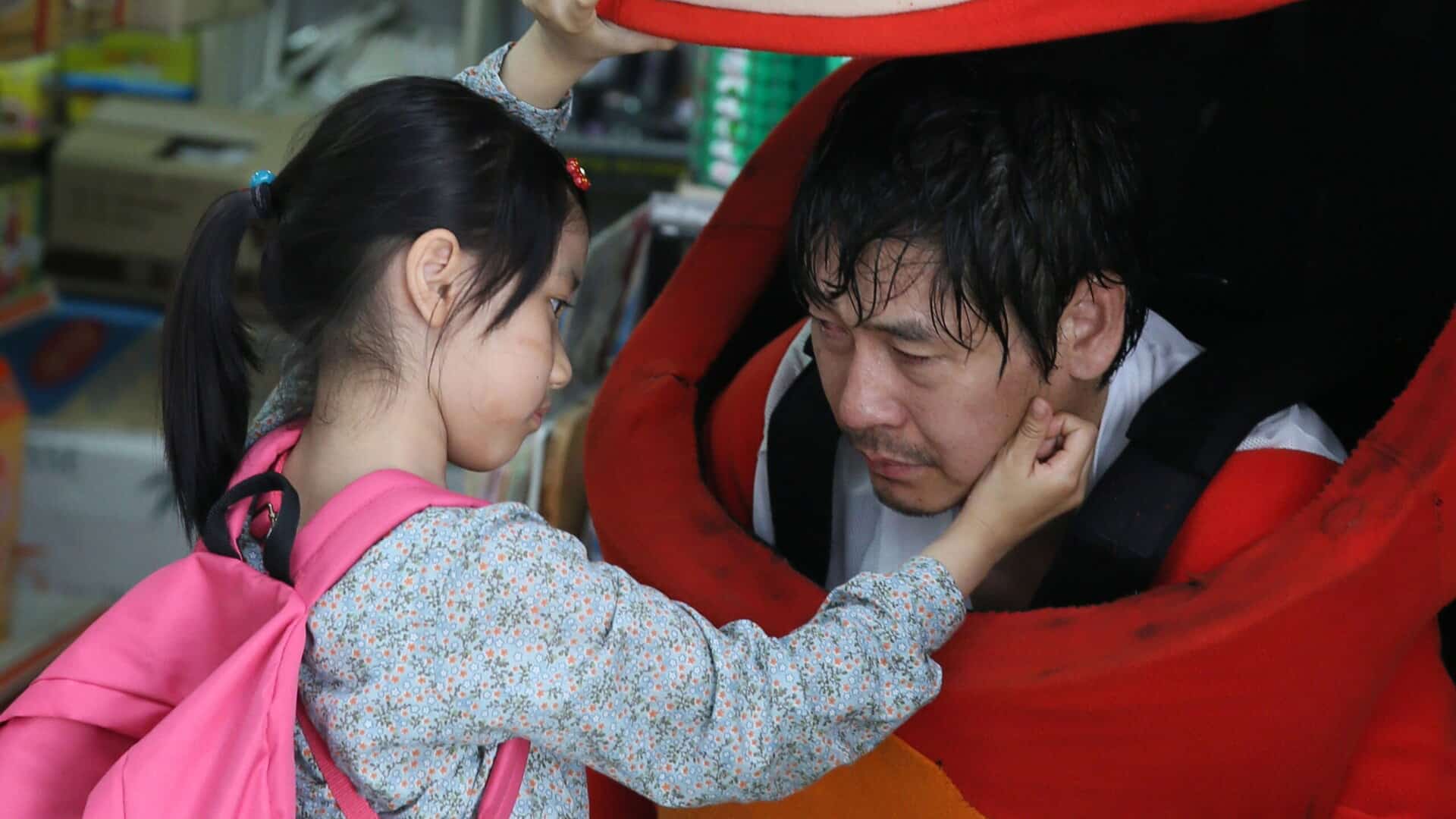
"Hope" (2013) marked Lee Joon-ik’s return after a brief hiatus following "Battlefield Heroes." The film garnered significant critical acclaim, winning Best Film at the 34th Blue Dragon Film Awards. The screenplay is based on a deeply disturbing real-life case involving an eight-year-old girl who was brutally assaulted by an intoxicated adult. Rather than succumbing to the conventions of a revenge thriller or courtroom drama, Lee meticulously focuses on the child’s arduous recovery and her family’s Herculean efforts to rebuild a life irrevocably altered by trauma.
The narrative begins with an ordinary family operating a grocery store named after their daughter, So-won, whose name translates to "hope." Her parents, overworked and devoted, often leave their cheerful and independent daughter to her own devices. One morning, on her way to school, So-won is attacked by a drunken assailant. The subsequent events thrust her parents into a harrowing journey of coping with her profound physical and emotional suffering, while simultaneously navigating the complexities of the legal system in their pursuit of justice.
"Hope" is undeniably a challenging film due to the gravity of its subject matter. However, Lee approaches the material with profound sensitivity, eschewing gratuitous graphic depictions and maintaining a deep respect for So-won during her most vulnerable moments. Amidst the devastating sadness, he artfully intersperses moments of cheerfulness and joy, offering the audience vital respites and allowing them to better process the family’s profound distress. Lee Re delivers an unforgettable performance as So-won, and Sol Kyung-gu offers one of his career-defining turns as a father grappling with the arduous task of reconnecting with a child now terrified of men. Screenwriters Kim Ji-hye and Jo Joong-hoon skillfully weave together the pain and resilience of human suffering, creating a narrative centered on emotional healing and the enduring strength of family bonds. Lee’s gentle pacing builds tension almost imperceptibly, delivering emotional impact with remarkable precision.
"The Throne" (2015): A Royal Tragedy of Power and Family
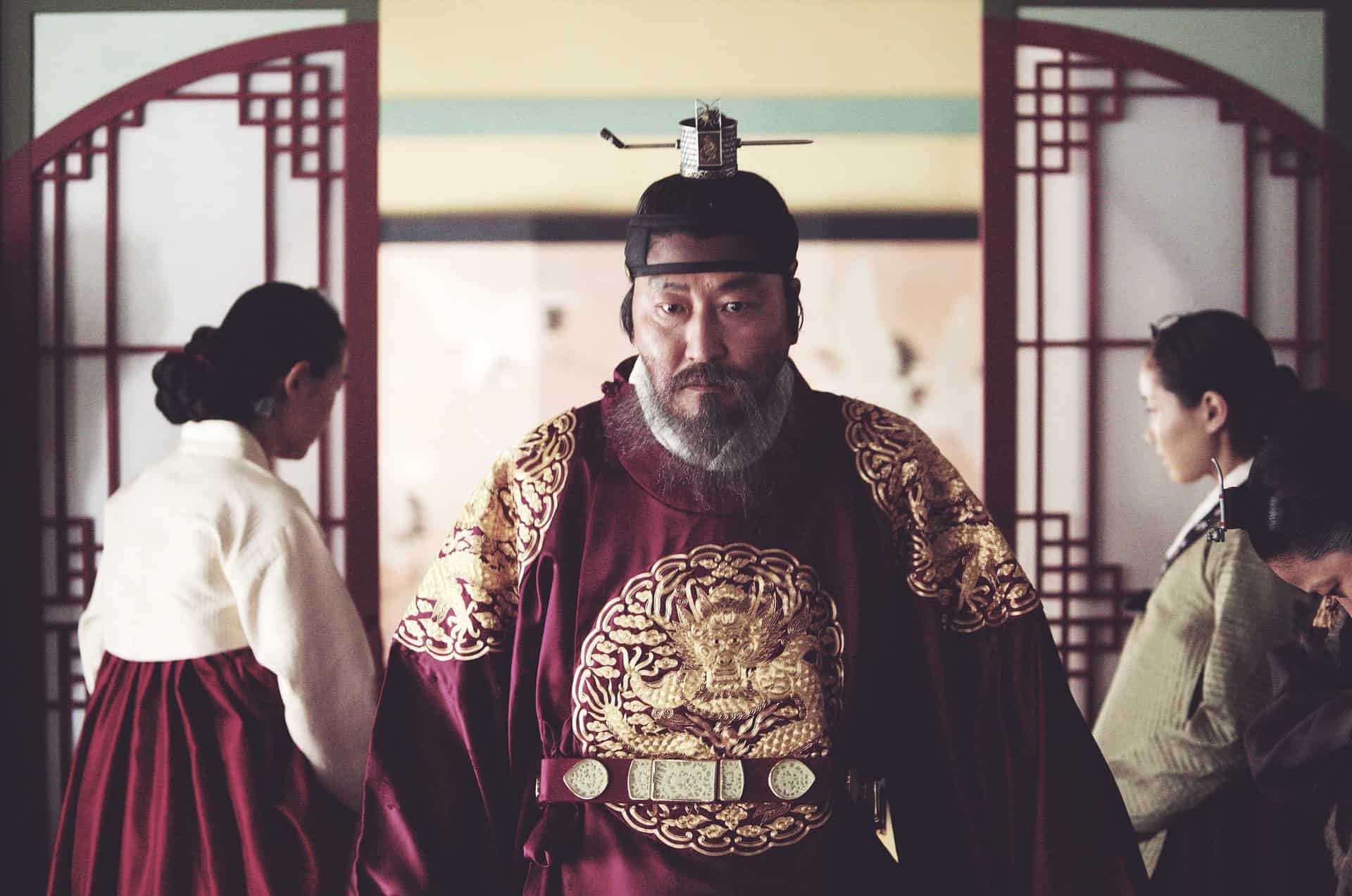
Selected as South Korea’s submission for the Best Foreign Language Film at the 88th Academy Awards, "The Throne" (2015) saw Lee Joon-ik return to the Joseon era to explore one of the most tragic episodes in the nation’s royal history. The film, featuring elaborate sets, meticulously detailed costumes, and a stellar cast led by Song Kang-ho and Yoo Ah-in, reaffirmed Lee’s mastery of the historical genre.
The story centers on the fraught relationship between King Yeongjo and his son, Crown Prince Sado. Yeongjo, plagued by an inferiority complex stemming from his mother’s non-noble birth, dedicates his life to achieving an unattainable ideal of perfection. This relentless pursuit of flawlessness extends to his demands on Sado, whose passions lie more in painting and archery than in assuming the mantle of ruler his father envisioned. Their escalating conflict culminates in Yeongjo’s horrific decree: Sado is to be sealed inside a wooden rice chest, where he perishes after eight days.
Lee structures the narrative around three interwoven axes of tragedy: the ill-fated life of Prince Sado, the destructive father-son dynamic, and the constant machinations within the royal court. The film is steeped in pervasive tension, with chronological shifts handled with exceptional clarity due to the superb editing by Kim Jae-beom and Kim Sang-beom. Song Kang-ho delivers a performance of remarkable dignity as the perpetually angry and dissatisfied King Yeongjo, while Yoo Ah-in portrays Sado with a captivating blend of youthful excess and theatrical intensity. Their contrasting approaches create a powerful on-screen chemistry, particularly evident in the film’s opening scene and the poignant sequence where the king communicates with his son inside the chest. The film’s visual grandeur, from costumes and makeup to sets and scenery, underscores its substantial budget and the exceptional skill of the production crew, resulting in an audiovisual poem that thrives on its powerful performances and meticulous production values.
"Dongju: The Portrait of a Poet" (2016): Poetry, Friendship, and Resistance
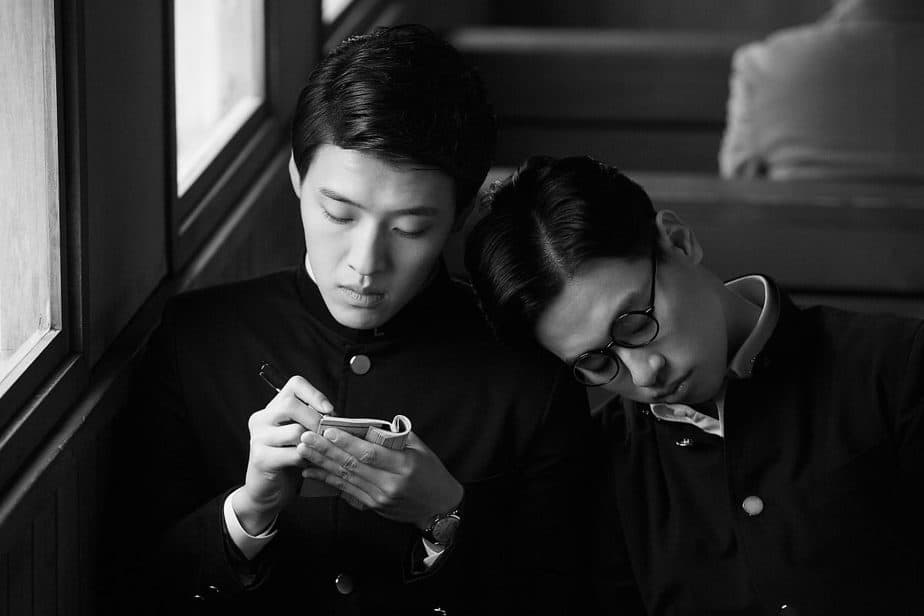
In stark contrast to the grand scale of "The Throne," Lee Joon-ik turned to a more intimate, black-and-white production with "Dongju: The Portrait of a Poet" (2016). Despite its limited budget and lack of conventional spectacle, the film achieved both critical and commercial success, drawing approximately 1.17 million viewers. Its focus on poetry, friendship, and the oppression of the colonial era demonstrated Lee’s capacity to approach historical material with restraint and profound emotional resonance rather than overt grandeur.
The film chronicles the tragic story of poet Yun Dong-ju and his cousin and closest friend, Song Mong-gyu. During their university years, both men engage in writing poetry. Song gains initial recognition and gradually becomes involved in political activism against the Japanese occupation. Their paths lead them to Japan, where Yun continues his poetic endeavors and Song emerges as a leader in the resistance movement. The narrative frames their story with their imprisonment and interrogation by Japanese authorities.
Lee directs the film along two distinct yet interconnected axes. The first unfolds during Yun Dong-ju’s interrogation, while the second delves into the past, recounting the events that led to their arrest. These parallel narratives are masterfully synchronized, with Yun’s poems being narrated alongside corresponding events, a synchronization that stands as one of the film’s most significant achievements. Kang Ha-neul portrays the timid Yun Dong-ju, who, despite his evident talent, relies heavily on his friend. Park Jung-min shines as Song Mong-gyu, embodying a force of nature. Their chemistry is exceptional, and Choi Yong-jin’s black-and-white cinematography is a visual masterpiece, perfectly complementing the film’s aesthetic. "Dongju: The Portrait of a Poet" is a cinematic triumph in every respect and remains one of Lee Joon-ik’s most cherished works.
"Anarchist from Colony" (2017): Challenging Narratives of Resistance
Following "Dongju: The Portrait of a Poet," Lee Joon-ik continued his exploration of the Japanese occupation era with "Anarchist from Colony" (2017). This biographical drama, based on the true story of Korean anarchist and independence activist Park Yeol, stars Lee Je-hoon as Park and Choi Hee-seo as his Japanese partner, Kaneko Fumiko. The film adeptly addresses the injustices of colonial oppression while deliberately eschewing the overt nationalism often found in narratives about Korean independence fighters.
The story is set in Japan in 1923, where Park has established an anarchist group composed of both Koreans and Japanese individuals. Kaneko is drawn to Park through his writings and eventually joins his group, becoming both his political collaborator and lover. Their lives take a drastic turn following the Great Kanto Earthquake, when fabricated rumors, fueled by government propaganda and the press, lead to the massacre of thousands of Koreans. The Japanese authorities then attempt to exploit Park as a scapegoat to divert international attention from the pogrom, while Kaneko insists on sharing his fate. Neither, however, is prepared to endure interrogation and trial without a fight.
Lee employs a distinctive and often unconventional narrative style, maintaining a surprisingly lighthearted tone throughout much of the film, even during moments of profound violence, interrogation, and trial. The ironic theatricality of Lee Je-hoon and Choi Hee-seo’s performances aligns perfectly with the film’s overall aesthetic. Park Sung-joo’s cinematography, Kim Jung-hoon’s editing, and the jazzy soundtrack further enhance the production’s compelling fusion of historical drama, noir, and comedy. The result is a film that is both highly entertaining and politically incisive, without compromising the gravity of the historical events it portrays.
"Sunset in My Hometown" (2018): A Return to Contemporary Themes
Lee returned to contemporary storytelling with "Sunset in My Hometown" (2018), reuniting with actor Park Jung-min after their collaboration on "Dongju: The Portrait of a Poet." The film also continues the director’s thematic interest in music, though this time rap takes center stage, replacing the rock performances of "Radio Star" and "The Happy Life." In this context, the songs transcend mere entertainment, serving as potent expressions of the protagonist’s history, frustrations, and his unresolved relationship with his hometown.
The protagonist, Hak-soo, played by Park Jung-min, has participated in the television competition "Show Me the Money" for six consecutive years, consistently failing to reach the final stages. His emotional breakdown during a freestyle rap about his late mother prompts a call informing him of his estranged father’s stroke. Returning to his hometown of Buan, he discovers the call was orchestrated by his former classmate, Seon-mi, portrayed by Kim Go-eun. A wrongful arrest necessitates his extended stay in town, where former friends, romantic entanglements, and past adversaries confront him with the life he had attempted to leave behind.
"Sunset in My Hometown" incorporates familiar elements often found in narratives about individuals returning to their rural roots from urban centers. Lee and screenwriter Kim Se-gyeom seem to comment on the enduring nature of small-town dynamics, where characters remain bound by relationships forged during their formative years. Through revisiting these connections, Hak-soo gains a deeper understanding of his past and becomes more accepting of his present self. As he navigates this period of reflection, the soundtrack, composed of his future rap performances, effectively encapsulates his journey and emotional state. The production offers enjoyable music, effective comedy, and moments of physical confrontation. However, an overreliance on conventional plot devices and melodrama lends a slightly clouded aspect to this otherwise engaging narrative.
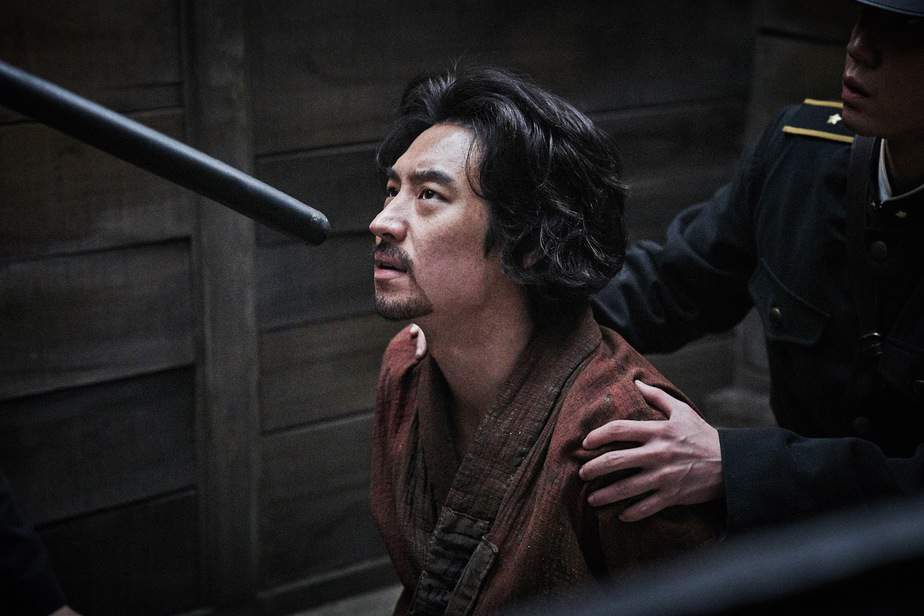
"The Book of Fish" (2021): Scholarship, Class, and the Sea
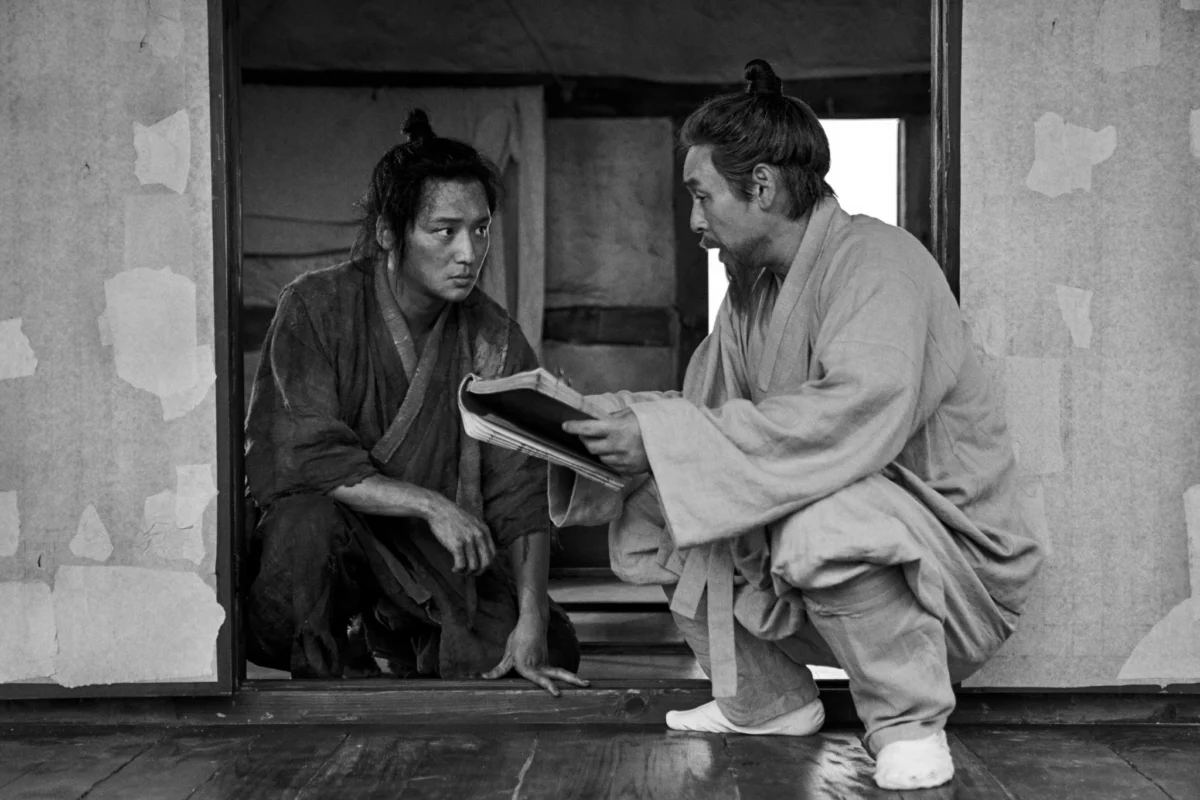
After the urban explorations of "Sunset in My Hometown," Lee Joon-ik revisited historical territory with "The Book of Fish" (2021). This film delves into the life of Jeong Yak-jeon, the elder brother of the more renowned scholar Jeong Yak-yong, and the process through which he authored an encyclopedia of marine life during his exile. Filmed entirely in black and white, the movie skillfully merges biographical elements with profound inquiries into class, education, social status, religion, and the inherent limitations of Confucian society.
The narrative commences in the aftermath of King Jeongjo’s death, with the young King Sunjo ascending the throne under the effective rule of the Queen Dowager. An anti-Catholic purge leads to the execution of Jeong Yak-jong and the exile of his brothers, with Yak-jeon being sent to Black Mountain Island. There, he encounters Jang Chang-dae, an educated fisherman possessing extensive knowledge of marine life but lacking the resources for formal study. Initially viewing the exiled scholar with suspicion, Chang-dae and Yak-jeon eventually recognize their mutual benefit, forging a unique teacher-student relationship.
Lee Joon-ik’s choice of subject is particularly compelling. Most filmmakers might have gravitated towards the more famous Jeong Yak-yong. Instead, through Yak-jeon, Lee crafts a narrative that illuminates the pervasive influence of class and social hierarchy in shaping careers and lives during the Joseon period. Sol Kyung-gu delivers a deeply immersive performance as Yak-jeon, while Byun Yo-han portrays Chang-dae as a man driven by an unwavering determination to improve his circumstances, having been repeatedly denied opportunities. Nevertheless, "The Book of Fish" is likely to be most remembered for the breathtaking cinematography of Lee Eui-tae. The monochrome images of fog-shrouded mountains, crashing waves, and fishing scenes evoke the serene beauty of traditional Chinese ink paintings. Visually stunning and competently acted, the production stands as one of Lee Joon-ik’s finest achievements, despite a less consistent final act compared to its preceding sections.
People Before Institutions: The Unifying Thread
Across a diverse filmography encompassing historical epics, musical comedies, family dramas, and intimate biographies, Lee Joon-ik consistently returns to the theme of individuals whose identities clash with the roles society prescribes for them. His characters—clowns confined within a royal court, middle-aged men striving to reclaim lost dreams, a traumatized child learning to trust again, a prince crushed by the weight of royal expectations, poets resisting cultural erasure, and scholars grappling with the intellectual confines of their beliefs—all embody this struggle.

Performance and artistic expression frequently serve as vital tools in this existential battle. The clowns in "The King and the Clown" utilize theater to subvert political authority, while the musicians in "The Happy Life" rediscover themselves through the power of rock. Yun Dong-ju preserves his identity through poetry, Hak-soo employs rap to confront his past, and Yak-jeon meticulously records knowledge excluded from official historical accounts. For Lee, artistic creation is not merely a profession or a pastime; it is a profound means of resisting the imposed identities dictated by society.
His historical productions are further distinguished by a pronounced skepticism towards nationalism, political authority, and the myth of the heroic archetype. Kings, activists, poets, and scholars are consistently portrayed as complex individuals whose contradictions are as significant as their achievements. Simultaneously, Lee possesses a rare ability to meld these thematic concerns with accessible popular entertainment, navigating seamlessly between broad comedy and intimate tragedy without ever deviating from his central focus on the human beings inhabiting these diverse cinematic forms.
For Lee Joon-ik, history is not a static collection of battles, rulers, and pivotal events. It is the intricate tapestry woven from relationships, compromises, humiliations, aspirations, and acts of expression that official accounts often overlook. His cinema consistently directs the gaze beyond imposing monuments and national myths to uncover the essential humanity concealed beneath them, offering audiences a more profound and empathetic understanding of the past and its enduring resonance in the present.