
The global video game industry witnessed a seismic shift in consumer engagement this June, as Nintendo’s latest Direct presentation officially surpassed all other major broadcasts to become the most-watched showcase of the Summer Game Fest season. According to comprehensive data released by the industry analytics firm LevelUp, the June 9 presentation reached a staggering peak of 3.8 million concurrent viewers across various streaming platforms. This figure narrowly edged out the primary Summer Game Fest kickoff event, which recorded a peak of 3.7 million viewers, marking a significant victory for the Kyoto-based hardware manufacturer as it prepares for the transition to its next-generation console, colloquially known as the Switch 2.
The analytics, which tracked digital engagement from June 1 through June 11, highlight a period of intense competition between the industry’s "Big Three" and various third-party publishers. While the Summer Game Fest period has traditionally served as a decentralized alternative to the now-defunct E3 expo, the 2026 season has demonstrated that platform-specific showcases remain the primary drivers of public interest. Nintendo’s performance was particularly notable given the late-window timing of its broadcast, coming after major presentations from Sony Interactive Entertainment and Microsoft’s Xbox division.
Comparative Viewership and Market Performance
The data provided by LevelUp offers a granular look at how the various showcases fared in terms of live audience retention and peak interest. While Nintendo secured the top spot with 3.8 million concurrents, Sony’s PlayStation State of Play followed with a respectable peak of 2.9 million viewers. Microsoft’s Xbox Games Showcase, which featured a heavy emphasis on Game Pass titles and first-party Western RPGs, reached a peak of 2.2 million viewers.
Interestingly, Microsoft also held a dedicated follow-up stream for Gears of War: E-Day, which maintained a peak of 808,000 viewers. Analysts suggest that while Microsoft’s primary numbers were lower than its competitors, the high retention for a single-franchise deep dive indicates a highly loyal core audience. However, in terms of sheer broad-market reach, Nintendo’s ability to capture nearly 4 million people simultaneously underscores the massive anticipation surrounding the company’s software pipeline and its upcoming hardware reveal.
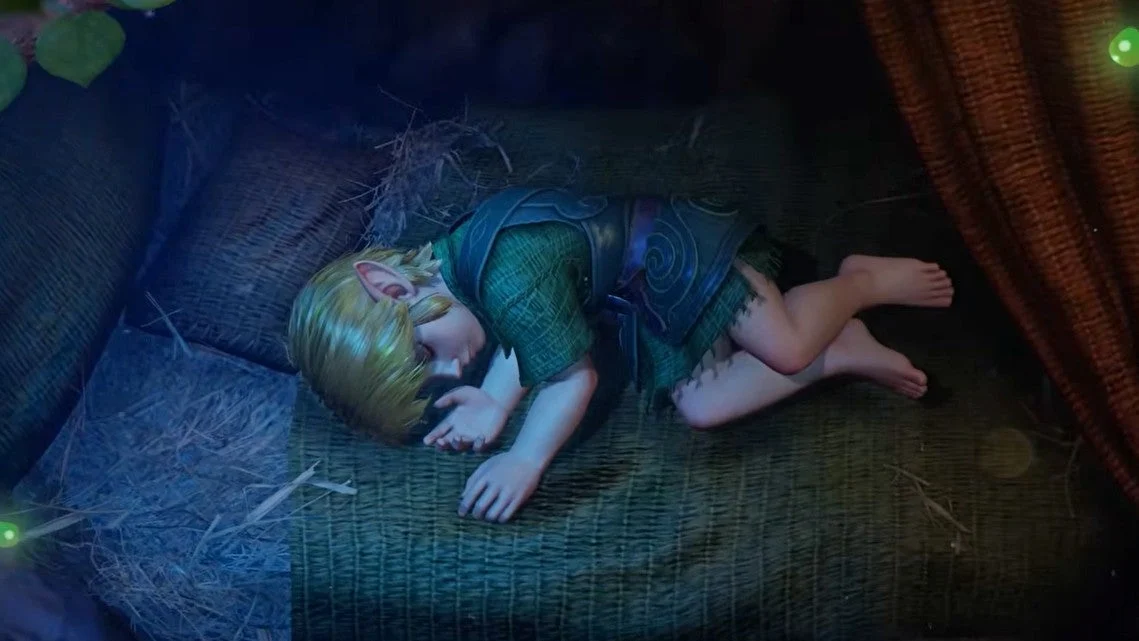
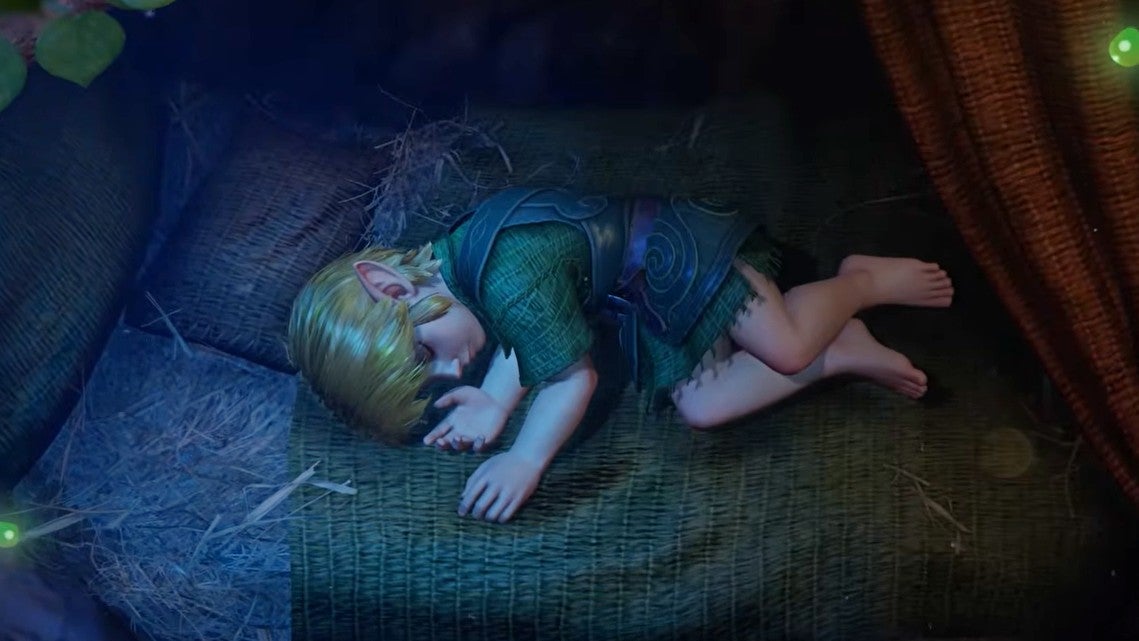
The disparity in viewership can be attributed to several factors, including the historical significance of the titles announced. Nintendo’s showcase was heavily buoyed by the reveal of The Legend of Zelda: Ocarina of Time remake, a project that has been the subject of industry rumors for several years. The announcement of a ground-up reconstruction of what many consider the greatest video game of all time acted as a lightning rod for both veteran gamers and younger audiences.
The Ocarina of Time Phenomenon
The standout metric of the June 2026 season was not just the concurrent viewership of the live stream, but the viral velocity of the trailers that followed. LevelUp reported that the reveal trailer for The Legend of Zelda: Ocarina of Time remake garnered 115 million views across YouTube, X (formerly Twitter), and other social media platforms within just three days of its June 9 debut. To put this into perspective, this single trailer outperformed the total cumulative views of many entire indie showcases held during the same week.
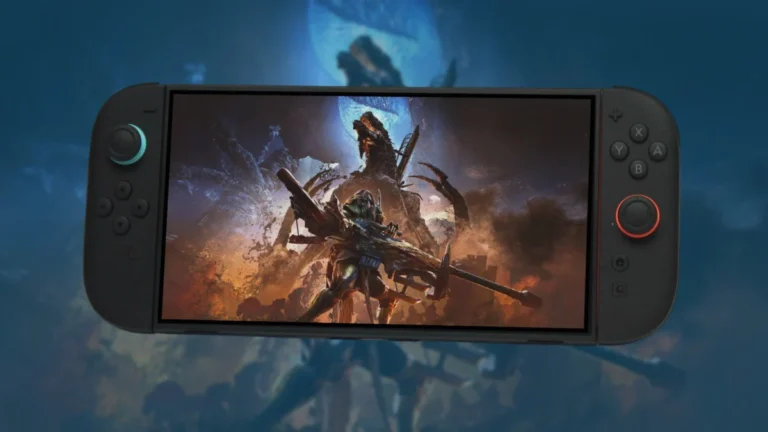
The remake is being developed specifically for the Switch 2, Nintendo’s highly anticipated successor to its record-breaking hybrid console. The trailer showcased a complete graphical overhaul, utilizing modern lighting, high-resolution textures, and an expanded orchestral score, while promising to maintain the core mechanical integrity of the 1998 Nintendo 64 original. The decision to lead the Switch 2’s software lineup with such a prestigious title is viewed by market analysts as a strategic move to ensure a high hardware adoption rate at launch.
The original Ocarina of Time remains a cornerstone of the industry, holding a Metacritic score of 99 and having sold over 7.6 million copies on its original platform. By modernizing this specific title, Nintendo is tapping into a multi-generational nostalgia that few other franchises can claim.
A Season of Major Reveals: God of War and Resident Evil
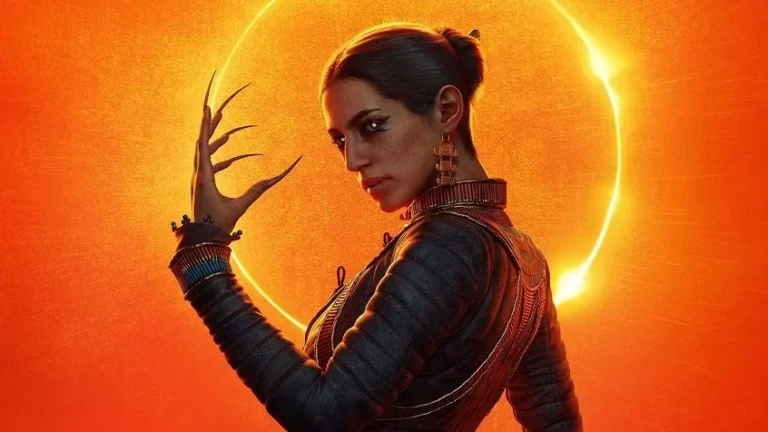
While Nintendo dominated the headlines, the competition remained fierce with two other major trailer reveals taking the second and third spots in the viewership rankings. Sony’s God of War: Laufey announcement trailer secured the second position with 90.5 million views. This new entry in the God of War series appears to be a prequel or a parallel narrative focusing on the character Faye (Laufey the Just), the mother of Atreus and wife of Kratos. The high interest in this title suggests that the "Norse Era" of the franchise still holds significant cultural capital, even after the conclusion of the main Ragnarök storyline.
In the third spot, Capcom’s Resident Evil: Code Veronica remake achieved 70.9 million views. For years, fans of the survival horror series have campaigned for a remake of Code Veronica, which originally debuted on the Dreamcast and serves as a critical bridge in the series’ narrative. Following the massive commercial success of the Resident Evil 2, 3, and 4 remakes, Capcom’s decision to revisit the story of Claire and Chris Redfield was met with widespread acclaim. The game is slated for a multi-platform release in 2027, covering the PlayStation 5, Xbox Series X/S, PC, and the upcoming Switch 2.
Chronology of the 2026 Summer Game Fest Season
The 2026 showcase season followed a structured timeline that allowed each major player a window of exclusivity in the news cycle:
- June 1–3: Smaller third-party publishers and indie-focused streams, such as the Wholesome Games Direct and the PC Gaming Show, set the stage with a focus on niche titles and creative innovations.
- June 5: The Summer Game Fest Kickoff Live, hosted by Geoff Keighley, provided a broad overview of the industry, peaking at 3.7 million viewers and featuring a mix of DLC announcements and new IP reveals.
- June 7: Sony Interactive Entertainment held its State of Play, focusing on the future of the PlayStation 5 and the first teaser for God of War: Laufey.
- June 8: Microsoft’s Xbox Games Showcase and the Gears of War: E-Day deep dive focused on the strength of the Xbox ecosystem and the graphical prowess of the Unreal Engine 5.
- June 9: Nintendo aired its Direct presentation, effectively "closing" the major reveal window with the Ocarina of Time remake announcement.
- June 10–11: Post-show wrap-ups, developer interviews, and hands-on previews dominated social media as analytics firms began compiling the data that would eventually crown Nintendo the winner of the week.
Industry Analysis and Future Implications
The success of the June 2026 Nintendo Direct serves as a case study in the power of brand legacy and the importance of hardware-software synergy. As the industry moves toward the launch of the Switch 2, Nintendo has demonstrated that it can still command the largest audience in the world without relying on the traditional trade show floor.
"The data indicates that the ‘direct-to-consumer’ model of digital showcases has reached its zenith," said a senior analyst at LevelUp. "Nintendo’s ability to generate 115 million views on a single trailer in 72 hours suggests that the market is not experiencing ‘remake fatigue,’ provided the source material is of high enough caliber. Furthermore, the 3.8 million concurrent viewers for the Direct show a high level of consumer readiness for Nintendo’s next hardware cycle."
The implications for the 2026 holiday season are profound. With The Legend of Zelda: Ocarina of Time remake confirmed for a "later this year" launch, the Switch 2 is positioned to have one of the strongest launch titles in gaming history. Meanwhile, Sony and Microsoft find themselves in a position where they must rely on long-term project reveals like God of War: Laufey and the continued growth of subscription services to maintain momentum.
Capcom’s performance with Resident Evil: Code Veronica also signals a continued trend toward high-fidelity remakes of classic titles. As development costs for entirely new IPs continue to skyrocket, the "safe bet" of a beloved remake—enhanced with modern technology—remains an attractive strategy for major publishers.
As the dust settles on the 2026 Summer Game Fest season, the narrative is clear: Nintendo has reclaimed its position as the primary influencer of mainstream gaming trends. With record-breaking viewership and a trailer that has captivated over a hundred million viewers, the company enters the second half of the year with unprecedented momentum, leaving fans and investors alike eager to see how the "Switch 2" era will unfold.