

The 2026 Cannes Film Festival, a beacon of cinematic excellence, concluded with a palpable buzz around a film that, despite not clinching the coveted Palme d’Or, nonetheless carved out a significant space in critical discussions: James Gray’s Paper Tiger. The New York City-set crime thriller, featuring a powerhouse cast led by Adam Driver, Miles Teller, and Scarlett Johansson, premiered in the festival’s prestigious Main Competition on May 26, 2026. While the top honors ultimately went to Cristian Mungiu for his second Palme d’Or with Fjord, Gray’s ninth feature was widely noted for its distinctive, understated approach to the genre and its evocative return to the filmmaker’s thematic roots.
A Return to Gray’s Gritty New York Canvas
James Gray, a director frequently lauded for his meticulous craftsmanship and deeply personal narratives, has long been associated with the urban landscapes and complex familial dynamics of New York City. From his debut with 1994’s Little Odessa, a raw portrayal of the Russian Jewish mafia in Brighton Beach, to subsequent works like The Yards and We Own the Night, Gray has consistently explored themes of loyalty, betrayal, and the corrosive nature of ambition within the confines of crime and family. Paper Tiger marks a deliberate and resonant return to this foundational aspect of his filmography, setting its intricate narrative against the gritty backdrop of 1980s Brooklyn. Following his more expansive and introspective 2022 film Armageddon Time, which delved into his own childhood experiences in Queens, Paper Tiger demonstrates Gray’s enduring fascination with the specific cultural and criminal ecosystems of his hometown.
The film’s premise immediately grounds it in this familiar Gray territory: the story of two brothers, Irwin and Gary Pearl, whose intertwining lives unravel amidst a perilous scheme to profit from the polluted industrial zones of the Gowanus Canal. This narrative framework allows Gray to delve into the moral ambiguities and economic pressures that defined a certain segment of New York society in the 1980s, a decade often romanticized but also marked by significant social and criminal upheaval. The decision to set the film during this period is not merely aesthetic; it serves to highlight a specific era of organized crime operations and urban decay that forms an intrinsic part of the city’s historical fabric, providing a rich, textured canvas for the unfolding drama.
Narrative Threads and Character Dynamics
Paper Tiger introduces audiences to the Pearl family, a microcosm of the pressures and aspirations of working-class New York. Miles Teller portrays Irwin Pearl, an engineer whose seemingly ordinary life is disrupted by his elder brother’s ambitious, albeit dubious, ventures. Scarlett Johansson plays Hester Pearl, Irwin’s wife, whose perspective anchors a significant part of the family’s struggle, while their teenage sons, Scott (Gavin Goudey) and Ben (Roman Engel), represent the innocent casualties of their parents’ entanglement.
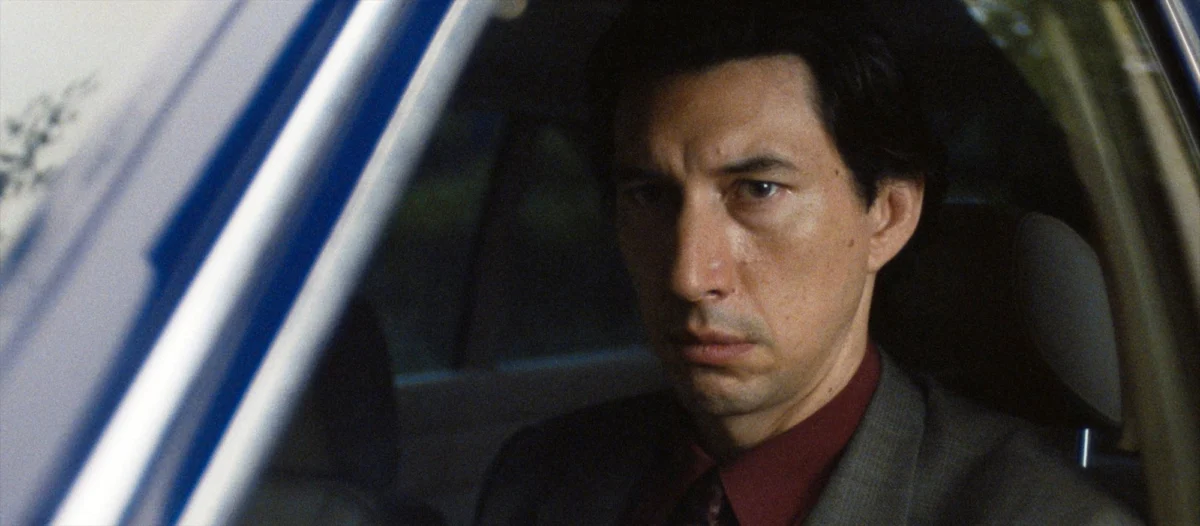
Central to the film’s dramatic tension is Adam Driver’s portrayal of Gary Pearl, a character that critics have already highlighted as a standout performance. Gary, a former city cop, has reinvented himself as a "fixer" and businessman, navigating the labyrinthine world of deals and backroom negotiations across the city. His proposition to Irwin—to establish an engineering middleman company to streamline paperwork for businesses along the environmentally compromised Gowanus Canal—initially appears to be a legitimate opportunity. However, the veneer of legality quickly erodes as it becomes clear that many of these businesses are fronts for the Russian mafia, engaged in illicit activities such as illegal oil dumping.
The narrative escalates when Irwin, perhaps driven by a misguided sense of paternal pride or an underestimation of the inherent dangers, exposes his children to the illicit operations. This seemingly innocuous act inadvertently "ruffles the feathers" of the ruthless Russian mobsters, drawing both brothers and Irwin’s family into a spiraling conflict. The core of the film then becomes a desperate race against time as Gary and Irwin frantically attempt to placate the unrelenting mob, navigate the treacherous underworld they’ve stumbled into, and protect their loved ones from escalating harm. This plot, while rooted in genre conventions, is filtered through Gray’s distinctive lens, emphasizing the psychological toll and moral compromises rather than overt action sequences.
The Craft of Understated Tension
One of the most frequently cited characteristics of Paper Tiger by early viewers at Cannes was its "low key" nature. This is not to suggest a lack of engagement but rather a deliberate choice by Gray to foreground an insidious, simmering tension over explosive theatrics. The film reportedly "never reaches a boil," instead maintaining an "undercurrent of tension simmering beneath the entire narrative." This approach leans heavily into the realm of pure drama, blurring the lines between a traditional crime thriller and a profound character study.

The aesthetic choices further reinforce this atmosphere. Described as a "grainy, grimy 80s crime thriller," Paper Tiger consciously evokes a bygone era of filmmaking. Its "old school style" and "not much happens" vibes are a testament to Gray’s commitment to creating a film that feels authentically rooted in the period it depicts, both narratively and cinematically. This deliberate retro sensibility has led some critics to label it as one of the most compelling "they don’t make ’em like they used to" films to emerge recently, suggesting it intentionally defies contemporary cinematic trends in favor of a more classical, methodical storytelling pace. This stylistic choice, while potentially challenging for audiences accustomed to faster-paced thrillers, is integral to the film’s ability to immerse viewers in its specific world and the slow-burn dread faced by its protagonists.
Performances as the Bedrock of the Narrative
While Gray’s direction and thematic concerns are central, the performances, particularly Adam Driver’s, are described as pivotal to the film’s success. Driver’s portrayal of Gary Pearl is highlighted as "terrific" and "complex & composed," carrying significant weight within the narrative. His character’s duality—a former cop now operating in a morally ambiguous zone—provides fertile ground for Driver’s nuanced acting style. Critics noted that understanding "the nature of his performance as Gary and the subtle layers to his choices" significantly enhances the film’s overall meaning, elevating it beyond a simple crime story to a "slick character study wrapped up within a thriller." This emphasis on the psychological depth of the characters, particularly Gary’s capacity to maintain composure amidst chaos, is a hallmark of Gray’s work and a testament to Driver’s interpretive skill.
Miles Teller’s portrayal of Irwin Pearl is equally crucial, grounding the audience’s emotional journey. As the less experienced, more vulnerable brother, Irwin’s escalating fear and desperation provide a stark contrast to Gary’s guarded pragmatism. Scarlett Johansson, as Hester, grounds the family’s plight, embodying the anxieties and resilience of a wife and mother caught in circumstances beyond her control. The ensemble cast, including the young actors Gavin Goudey and Roman Engel, contributes to the authenticity of the Pearl family unit, making their predicament feel more tangible and harrowing.
Cannes 2026: The Competitive Landscape and Critical Reception
The Cannes Film Festival’s Main Competition is arguably the most prestigious platform for global cinema, a crucible where films are presented to an international jury and the world’s most discerning critics. For a film to be selected is an immense honor, signifying its artistic merit and cultural relevance. In 2026, Paper Tiger found itself alongside a formidable lineup, competing for the Palme d’Or against highly anticipated works from acclaimed directors such as Ryusuke Hamaguchi, Na Hong-jin, and Quentin Dupieux, among others. The absence of an award for Paper Tiger at the closing ceremony, where Cristian Mungiu’s Fjord ultimately triumphed, does not diminish its standing as a significant festival entry. History is replete with critically acclaimed films that premiered at Cannes without winning awards, only to gain widespread recognition and cultural impact later.
Initial critical assessments of Paper Tiger at Cannes reflected a nuanced appreciation. While praise was abundant for Gray’s atmospheric direction and the standout performances, particularly Driver’s, some observations pointed to certain narrative elements that felt less integrated. A subplot involving Hester’s discovery of cancer, for instance, was mentioned as not fully syncing with the primary crime narrative, suggesting a potential area where the film’s ambitious thematic scope might have occasionally stretched its cohesion. Similarly, some felt that the development of the broader Pearl family dynamics could have been more thoroughly explored to heighten the emotional stakes. Despite these critiques, the consensus largely affirmed Paper Tiger as a "solid film overall" and a worthy addition to Gray’s distinguished filmography. Its ability to maintain suspense and immerse viewers in its intricate story, despite its deliberate pacing, was frequently cited as a major strength.
Thematic Resonance and Broader Implications
Beyond its immediate plot, Paper Tiger engages with profound thematic questions that resonate with Gray’s established oeuvre. It is fundamentally "a tale of brothers and what they will do for each other," exploring the complex bonds of familial loyalty under extreme duress. It also delves into "the decisions that families make" and the ripple effects of those choices, often unintended and catastrophic. The film’s examination of "how to maintain your cool when things are going sideways" speaks to a universal human struggle, particularly relevant in a high-stakes criminal environment. These themes, coupled with the film’s detailed historical setting, offer a rich tapestry for audiences to explore.
For James Gray, Paper Tiger solidifies his reputation as a filmmaker consistently drawn to "low key, refined, focused stories about multifaceted individuals caught up in sticky situations they can’t control." Its success in garnering critical attention at Cannes, even without an award, reinforces his position as a director whose artistic vision remains uncompromising and distinct in an increasingly commercialized cinematic landscape. The film’s deliberate embrace of an "old school" aesthetic and narrative pacing might also spark broader conversations about the evolving nature of the crime thriller genre and the appetite for films that prioritize character and atmosphere over spectacle.
In an era often dominated by franchise blockbusters and high-concept premises, Paper Tiger stands as a testament to the enduring power of intimate, character-driven storytelling. Its premiere at Cannes 2026 ensures it will be a significant talking point in the upcoming film season, inviting audiences to delve into its grainy, morally ambiguous world and witness the unraveling of a family under the watchful, unforgiving eye of 1980s New York. While the Palme d’Or may have eluded it, the film’s critical reception and the strength of its performances, particularly Adam Driver’s, position it as a compelling and important work from one of contemporary cinema’s most consistent auteurs.