


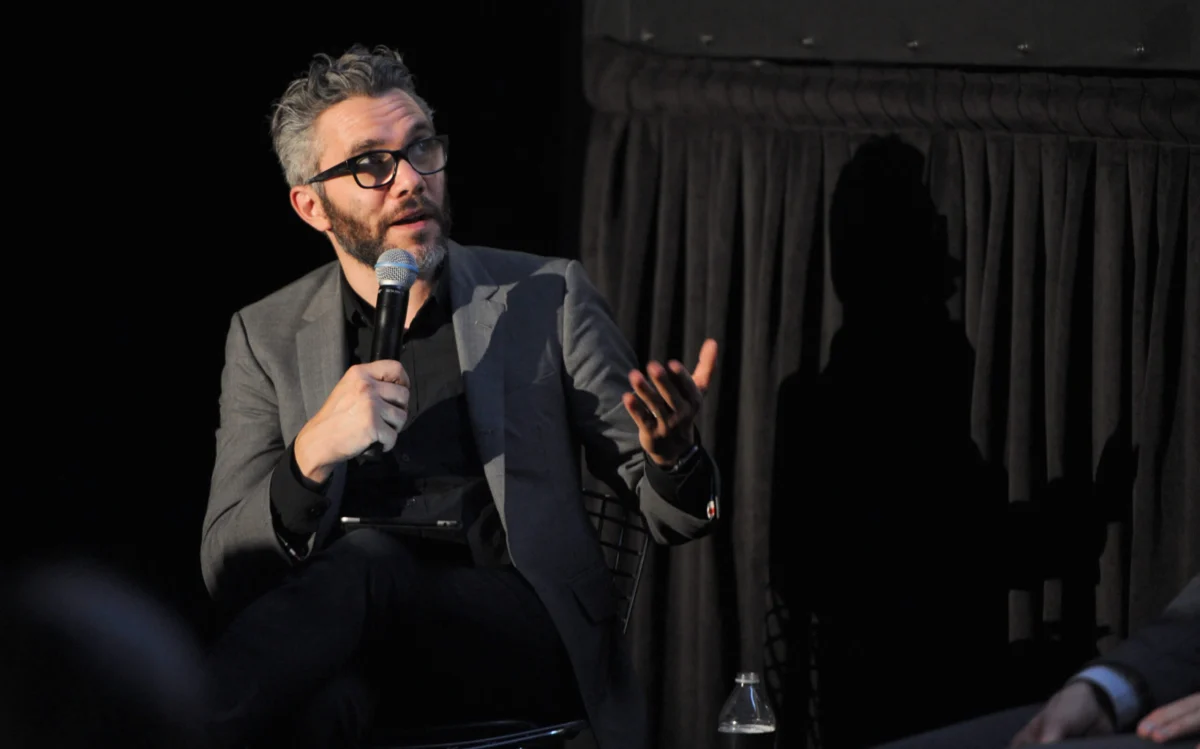
CBS News has officially named Nick Bilton as the new executive producer of "60 Minutes," signaling a significant departure from traditional newsroom leadership for the most-watched news program in American television history. The appointment marks the beginning of a transformative era for the broadcast, which has maintained its position as the No. 1 rated news program for 52 consecutive years. Bilton, a veteran technology journalist and documentary filmmaker, succeeds Tanya Simon, a "60 Minutes" stalwart who departed after more than three decades with the program.
The transition comes at a pivotal moment for CBS News and its parent company, Paramount Global, which recently completed a high-stakes merger with Skydance Media. The installation of Bilton—a figure with deep roots in Silicon Valley reporting but no prior experience managing a linear television news division—has sent shockwaves through the industry and raised questions regarding the future editorial direction of the storied news magazine.
A Non-Traditional Leader for a Legacy Institution
Nick Bilton’s professional trajectory stands in stark contrast to the executive producers who have historically helmed "60 Minutes." While predecessors like Don Hewitt and Jeff Fager spent decades rising through the ranks of broadcast journalism, Bilton established his reputation in the digital sphere. As a former technology columnist for The New York Times, Bilton specialized in chronicling the disruptive forces of the internet, social media, and emerging technologies.
In recent years, Bilton transitioned into filmmaking, producing and directing high-profile documentaries for HBO and Netflix. His recent collaborations with CBS News Editor-in-Chief Bari Weiss include "Unknown: Killer Robots" and "Biggest Heist Ever." Bilton noted that his professional relationship with Weiss began socially in Los Angeles before evolving into a creative partnership.
The decision to hire an "outsider" is viewed by industry analysts as a deliberate move by Weiss and the new Paramount Skydance leadership to modernize the "60 Minutes" brand. However, the move has not been without internal friction. Bilton acknowledges the skepticism from within the newsroom, where many veterans value the show’s traditional investigative rigors. Addressing these concerns, Bilton stated in a recent interview that his commitment remains to the fundamental principles of journalism. "I will prove it with the work," Bilton said. "I’m dedicated to holding people in power to account."
Corporate Consolidation and the Pursuit of Regulatory Approval
The leadership change at "60 Minutes" cannot be viewed in isolation from the broader corporate maneuvering at Paramount Skydance. Following the merger of Skydance and Paramount last year, Chief Executive Officer David Ellison has moved aggressively to consolidate the company’s assets and streamline operations across its film studios, broadcast networks, and streaming platforms.
Currently, Ellison is navigating a complex attempt to merge Paramount with Warner Bros. Discovery (WBD). Such a merger would create a media behemoth, but it faces significant regulatory hurdles. To complete the deal, Paramount requires approval from federal regulators, a process that will be heavily influenced by the Trump administration’s stance on media antitrust and consolidation.
This corporate backdrop has led to internal speculation that leadership changes at CBS News may be influenced by political and regulatory considerations. The "60 Minutes" newsroom has been particularly sensitive to these optics following a series of controversial events involving the former president.
The Fallout from the Trump Lawsuit and Internal Dissent
In 2024, Donald Trump filed a lawsuit against "60 Minutes," alleging that the program deceptively edited an interview with his political opponent, Kamala Harris, to present her in a more favorable light. While CBS News initially defended its editorial process, Paramount eventually reached a $16 million settlement to resolve the litigation.
The settlement was met with significant backlash from the program’s editorial staff. Longtime correspondent Scott Pelley, a pillar of the broadcast, was reportedly among those irked by the decision, viewing the settlement as a concession that undermined the show’s journalistic integrity. The internal climate was further complicated earlier this month when Anderson Cooper, one of the show’s most recognizable contributors, announced his departure from "60 Minutes."
Furthermore, the cancellation of "The Late Show With Stephen Colbert" after 11 seasons has added to the sense of upheaval at the network. By declining to renew one of late-night television’s most vocal critics of the Republican establishment, CBS leadership has faced accusations of "clearing the deck" to appease incoming political powers and facilitate the WBD merger.
The "Nokia Moment": Strategy for a Declining Medium
Despite the internal turmoil and corporate shifts, "60 Minutes" remains a financial and ratings powerhouse. According to Nielsen data, the program’s viewership is actually on the rise, up 9% from the previous year. However, Bilton and Weiss argue that these figures mask a looming existential threat to broadcast television.
Bilton characterizes the current state of the industry as being on the "precipice" of a technological disruption similar to those that toppled previous industry leaders. He cites the decline of Nokia following the release of the iPhone and the peak of New York Times print sales just before the internet revolutionized news consumption.
"It’s still the No. 1 news broadcast in America. But history tells you disruption doesn’t happen immediately when new technology comes along—it’s usually a few years later," Bilton explained. His mandate appears to be a "preemptive strike" against the obsolescence of the 60-minute linear format, though he has remained tight-lipped about the specifics of his strategy.
Bilton has clarified that he does not intend to execute a "complete overhaul" of the show’s DNA. Instead, he plans to spend the coming weeks meeting with the staff and assessing the program’s internal mechanics before unveiling a formal roadmap for the show’s evolution.
Chronology of Recent Events at CBS and Paramount
The following timeline illustrates the rapid succession of events leading to Nick Bilton’s appointment:
- Mid-2023: Paramount and Skydance begin formal merger discussions amid declining cable revenue and streaming losses.
- Late 2023: Donald Trump files a lawsuit against "60 Minutes" over the Kamala Harris interview, alleging "deceptive editing."
- Early 2024: The Skydance-Paramount merger is finalized; David Ellison assumes the role of CEO of the combined entity.
- Spring 2024: Paramount settles the Trump lawsuit for $16 million, sparking internal protests from veteran CBS journalists.
- May 2024: CBS announces it will not renew "The Late Show With Stephen Colbert," ending its 11-season run.
- Early June 2024: Anderson Cooper announces he is leaving "60 Minutes."
- June 2024: Nick Bilton is officially named Executive Producer of "60 Minutes," replacing 30-year veteran Tanya Simon.
Analysis of Implications for the Media Landscape
The appointment of Nick Bilton represents a significant gamble for CBS News. By choosing a leader with a background in tech and documentaries, Bari Weiss is betting that "60 Minutes" can transition from a legacy broadcast program into a multi-platform content engine capable of thriving in an era dominated by algorithmic feeds and short-form video.
However, the risks are manifold. The primary strength of "60 Minutes" has always been its reputation for "slow journalism"—deeply researched, authoritative segments that stand apart from the frenetic pace of cable news and social media. If Bilton’s "disruption" involves moving toward more sensationalist or tech-driven formats, he risks alienating the show’s core audience, which skews older and values traditional reporting.
Furthermore, the perceived alignment between CBS News leadership and the corporate interests of David Ellison could damage the network’s credibility. If the newsroom is seen as adjusting its editorial tone to facilitate a merger or avoid conflict with the executive branch, it may lose the trust of the very viewers who have made it No. 1 for over half a century.
Conclusion
As Nick Bilton prepares to take the helm at the Black Rock headquarters in New York, the eyes of the media world are on "60 Minutes." The coming months will reveal whether Bilton can successfully bridge the gap between the program’s storied past and an increasingly uncertain digital future. While the ratings remain high for now, the internal and external pressures facing CBS News suggest that the "60 Minutes" stopwatch is ticking toward a fundamental transformation. Bilton’s promise to "hold people in power to account" will be the benchmark by which his tenure is judged, both by the public and by the wary journalists he now leads.