

The traditional pathways for aspiring filmmakers – years of on-set apprenticeships or the considerable investment in prestigious film school education – are no longer the sole or even dominant routes to Hollywood success. A seismic shift is underway, fueled by a new wave of talent emerging not from established industry pipelines, but from the vibrant, often chaotic, digital trenches of YouTube. This phenomenon, particularly evident in the burgeoning horror genre, signals a potential recalibration of how Hollywood discovers, nurtures, and ultimately, profits from emerging cinematic voices.
The Fading Promise of Traditional Avenues
For decades, the film industry operated on a well-trodden path for aspiring filmmakers. Aspiring directors and producers would often begin their careers in entry-level positions on film sets, gradually working their way up through various departments. This hands-on experience, coupled with the cultivation of industry relationships, was considered paramount. Simultaneously, a significant segment of ambitious young creatives gravitated towards renowned film schools such as the University of Southern California (USC) and New York University (NYU). These institutions offered structured curricula, access to industry professionals, and the potential for early career advantages through networking and alumni connections. The implicit understanding was that either dedication to the craft through years of practical experience or a significant financial investment in formal education provided the most viable routes to a directorial debut.
However, contemporary industry dynamics suggest that these established pathways are facing unprecedented challenges. The narrative of a unified "crop" of young filmmakers emerging simultaneously, pushing each other to innovate and redefine the cinematic landscape, has become less common. Instead, the industry appears to be grappling with a perceived lack of consistently emerging new directorial voices that can captivate a broad audience.
Hollywood’s Evolving Risk Aversion and the IP Obsession
A significant contributing factor to this shift is the perceived change in Hollywood’s appetite for risk. Historically, studios were more inclined to invest in original storytelling and to provide opportunities for nascent talent. Figures like Steven Spielberg, who honed his skills in television before helming groundbreaking features, and Paul Thomas Anderson, who made the critically acclaimed "Boogie Nights" at the remarkably young age of twenty-six, exemplify a past era where studios were willing to bet on unproven directors with fresh perspectives.
In stark contrast, the current Hollywood landscape is often characterized by a pronounced skittishness towards original films. The prevailing strategy appears to be a heavy reliance on established Intellectual Property (IP). Studios are increasingly gravitating towards sequels, prequels, remakes, and adaptations of existing franchises, comic books, and video games, driven by the hope of guaranteed box-office returns. This "IP-first" approach, while often financially prudent in the short term, can stifle the development of new cinematic voices and limit the exploration of diverse, original narratives. The COVID-19 pandemic further exacerbated this trend, with studios doubling down on tentpole releases and franchise extensions to draw audiences back to theaters.
The Unforeseen Ascent of YouTube Filmmakers
Against this backdrop of industry caution and IP saturation, an unexpected contender has emerged: the DIY digital creator. The past year, in particular, has demonstrated that the most compelling talents capable of drawing audiences back to cinemas are not necessarily graduates of prestigious film programs but rather those who have honed their craft in the digital trenches of platforms like YouTube. This evolution is not a sudden anomaly but a gradual build-up, with the horror genre serving as a primary proving ground.
YouTube, with its accessible technology and global reach, has fostered an environment where a vast ocean of young, technically adept content creators can experiment, learn, and rapidly iterate. These creators have become adept at producing engaging narratives and visually compelling content with limited resources, often driven by passion and a direct connection with their audience. The ability to "make their own work with the click of a button" has democratized filmmaking, allowing for experimentation and rapid skill development on a scale previously unimaginable.
The "Talk to Me" Tipping Point and the Year of the YouTuber
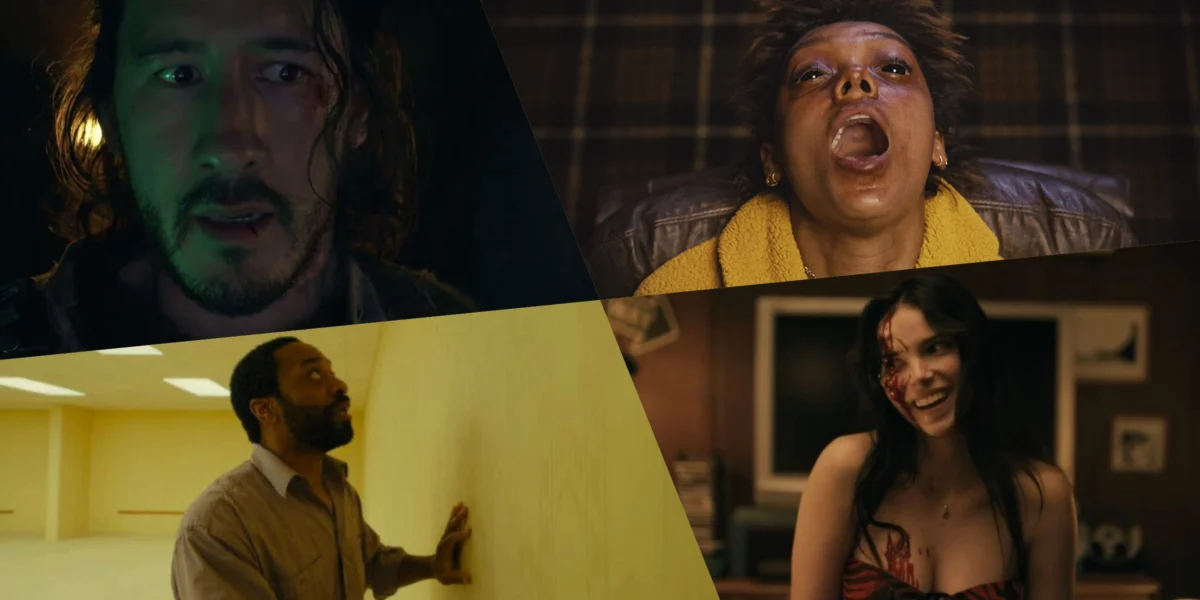
The success of Danny and Michael Philippou, globally recognized online as RackaRacka, with their debut feature film "Talk to Me," stands as a pivotal moment in this unfolding narrative. The film, a supernatural horror thriller, garnered critical acclaim and significant box-office success, grossing over $92 million worldwide against a modest production budget of $4.5 million. Its triumphant performance unequivocally marked 2023 as a landmark year for YouTubers transitioning to feature filmmaking.
Prior to "Talk to Me’s" widespread impact, another independent production, Mark "Markiplier" Fischbach’s adaptation of the video game "Iron Lung," also achieved unexpected success. This self-funded project, largely propelled by Fischbach’s substantial online following, demonstrated the power of a creator’s established fanbase to translate into box-office viability. While "Iron Lung" achieved modest financial returns, its existence and subsequent positive reception served as an early indicator of the latent potential within the YouTube creator ecosystem to generate commercially viable films. These two distinct successes, occurring within a relatively short timeframe, set a compelling tone for the summer film season, capturing the attention of both casual moviegoers and seasoned industry insiders alike.
Curry Barker and Kane Parsons: Architects of Digital-to-Digital Blockbusters
Further solidifying this trend are the remarkable achievements of two young YouTubers-turned-filmmakers, Curry Barker and Kane Parsons, who are currently responsible for some of the most significant cinematic success stories. Their work exemplifies how a deep understanding of online culture and audience engagement can translate into mainstream cinematic triumphs.
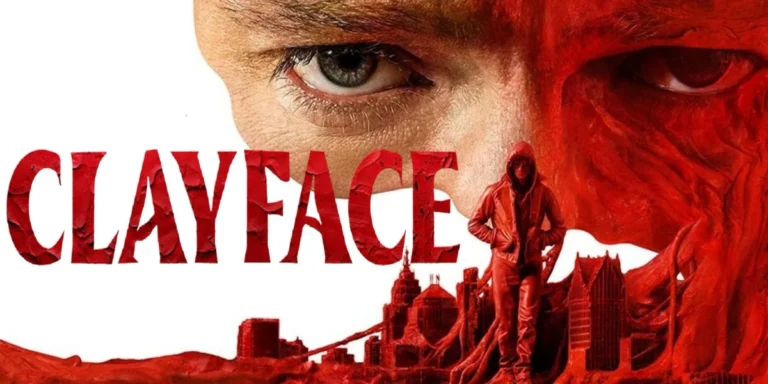
Curry Barker, at just twenty-something years old, has seen his sophomore feature, "Obsession," become a global phenomenon. After spending nearly a year building word-of-mouth buzz following its premiere at the Toronto International Film Festival, the indie horror-comedy was picked up by Focus Features. Produced on an exceptionally lean budget of $750,000, "Obsession" has since amassed over $100 million at the worldwide box office. In a testament to its broad appeal and disruptive power, the film even managed to dethrone a new "Star Wars" installment as the number one film in theaters for three consecutive weeks – a feat rarely accomplished by independent productions, let alone those helmed by a director so early in their career. This success underscores a potent combination of viral marketing, audience anticipation built through digital channels, and a compelling cinematic product.
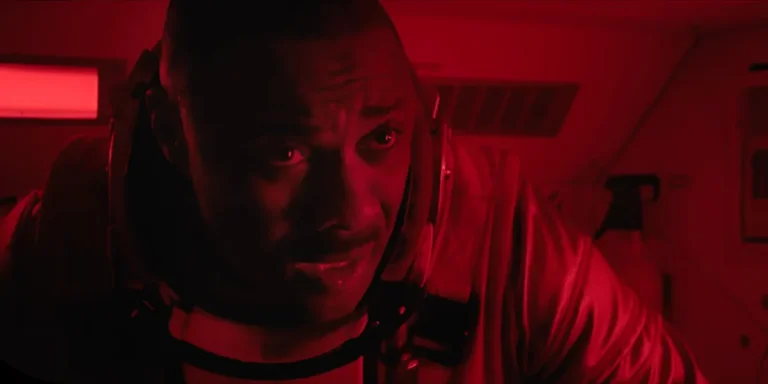
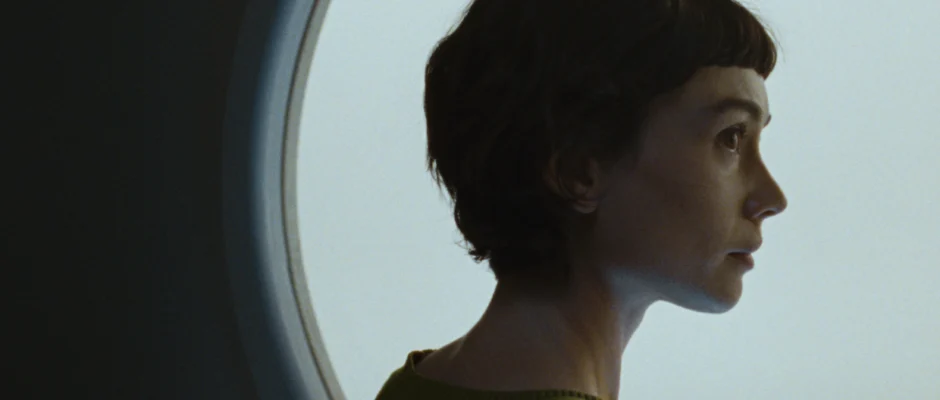
In parallel, Kane Parsons, also in his early twenties, has seen his project "Backrooms" become a critical and commercial darling. The film is an expansion of his highly popular online series, which delves into the unsettling concept of "liminal spaces" within the creepypasta universe. The distribution deal with A24, a studio renowned for its embrace of distinctive genre films and unique aesthetics, was a calculated gamble that has paid off handsomely. A24, known for its willingness to fund innovative horror projects, found in Parsons a director whose vision aligned perfectly with the studio’s brand. The decision to entrust a twenty-year-old filmmaker with a project rooted in online subculture, featuring Academy Award nominees Chiwetel Ejiofor and Renate Reinsve, proved to be a masterstroke. "Backrooms" achieved a staggering $118 million in its opening weekend alone, solidifying its place as the biggest opening weekend in A24’s history. This achievement highlights the studio’s astute understanding of audience demographics and the power of leveraging established online narratives into mainstream cinematic experiences.
The Strategic Appeal: Illusion of Risk and Built-in Fandom
The question arises: what is driving studio executives to allocate significant resources to talents like Barker and Parsons? The answer likely lies in a confluence of factors that offer a seemingly attractive proposition for studios. One key element is the "illusion of risk." By investing in novice filmmakers who have already cultivated substantial online followings, studios can mitigate some of the inherent uncertainties of film production. These creators bring with them an established, engaged demographic that is already invested in their work. This built-in fandom acts as a pre-existing marketing engine, reducing the need for extensive and costly traditional advertising campaigns.
Furthermore, the horror genre itself presents a favorable environment for such investments. Low-budget horror films have historically demonstrated a consistent ability to generate substantial profits, making them a relatively safe bet for studios seeking consistent returns. However, the breakthroughs achieved by "Obsession" and "Backrooms" transcend mere sound financial investments. They represent the emergence of authentic, powerful new voices capable of resonating with a broad audience and shaping the cultural zeitgeist. These films signify more than just profitable ventures; they are tangible proof of a new generation of storytellers ready to challenge established norms and capture the imagination of the public.
Implications for the Future of Filmmaking
The successes of creators like Barker, Parsons, and Fischbach are poised to fundamentally alter the landscape of the film industry. This trend suggests a potential pivot in how talent is scouted and developed, moving beyond traditional gatekeepers to embrace creators who have proven their ability to connect with audiences directly through digital platforms.
The hope is that studios will move beyond a myopic focus on data points and instead recognize the value of supporting projects with genuine artistic vision and compelling narratives, regardless of the director’s traditional industry pedigree. While the cynicism that this could simply be another fleeting trend is understandable, the undeniable impact of these YouTube-originated films offers a reason for optimism. It is possible that this surge of creativity from a new generation of filmmakers, empowered by digital tools and a direct connection to their audience, can reignite a passion for original storytelling and remind the industry of the profound rewards of giving artists a chance to share their unique perspectives with the world.
Industry Reactions and Future Outlook
While official statements from major studios regarding this specific trend remain largely unarticulated in public forums, industry analysts and critics have begun to weigh in. Many observers note that the success of these films validates the growing influence of online culture and digital natives in shaping entertainment consumption. The ability of these creators to translate viral success into cinematic box office revenue presents a compelling new model for Hollywood.
The broader implications are significant. This shift could lead to increased investment in digital-first content creators, potentially altering the traditional studio system’s development and acquisition processes. It raises questions about the future role of film schools and traditional apprenticeships. Will they adapt to incorporate digital media training and direct creator outreach? Or will they risk becoming less relevant as the industry discovers talent elsewhere?
The success of "Obsession" and "Backrooms" could serve as a catalyst for studios to take more calculated risks on original projects, recognizing that compelling storytelling and a strong connection with audiences are paramount, regardless of the creator’s background. Conversely, there is also the potential for studios to misinterpret these successes, focusing solely on the "YouTuber" aspect as a marketing gimmick rather than appreciating the underlying filmmaking talent and storytelling prowess.
Ultimately, the industry is at a critical juncture. The question remains whether Hollywood will learn the right lessons from this new wave of talent, fostering a more inclusive and innovative future for filmmaking, or if these groundbreaking successes will simply become footnotes in a cyclical industry, ultimately reverting to established patterns. The coming years will reveal whether this is the dawn of a new era or a temporary disruption, but the current momentum suggests that the digital generation is here to stay and is actively reshaping the future of cinema.