

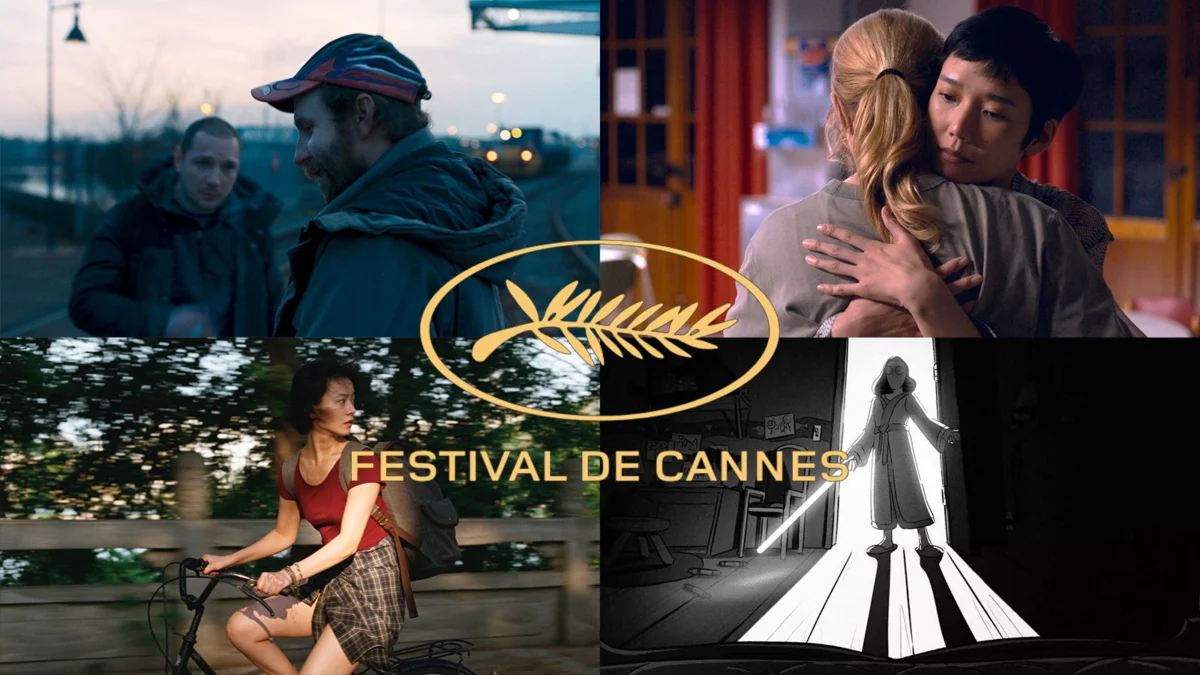
The 79th Cannes Film Festival, held from May 20 to June 2, 2026, once again solidified its position as the premier global platform for cinematic innovation and discovery. Despite an observed absence of major studio blockbusters, a common lament among some industry commentators regarding this year’s lineup, the festival’s core mission of unearthing compelling and artistically significant independent and international cinema remained robust. Over the course of twelve days, delegates and critics immersed themselves in a diverse selection of films, with one prominent critic reporting an exhaustive viewing of 46 features. This intensive engagement led to the identification of a distinct cohort of films that deeply resonated both emotionally and intellectually, signaling a vibrant future for global filmmaking.

The Enduring Significance of the Cannes Film Festival
The Cannes Film Festival, inaugurated in 1946, has evolved into a cornerstone of the international film industry, serving as a critical launchpad for filmmakers and a barometer for cinematic trends. Its various sections—the prestigious Main Competition, the artistically adventurous Un Certain Regard, and the discovery-focused Critics’ Week (Semaine de la Critique)—collectively showcase a spectrum of global talent. In 2026, the festival continued its tradition of prioritizing artistic merit over commercial spectacle, a point frequently emphasized by its organizers. The decision to forgo a significant Hollywood presence, rather than diminishing the festival’s stature, underscored its commitment to fostering cinematic artistry from around the world. As noted by many industry veterans, Cannes’ strength has always resided in its ability to curate a selection that challenges, moves, and inspires, irrespective of budget size or studio backing. This year, the side sections, particularly Critics’ Week, proved to be fertile ground for many of the festival’s most impactful premieres.
The 2026 Palme d’Or and Critical Discourse
The culmination of the 79th edition was the highly anticipated awards ceremony, where Cristian Mungiu’s Fjord was awarded the Palme d’Or, marking Mungiu’s second triumph at the festival. However, this decision was met with a degree of critical ambivalence among festival attendees. While Mungiu is an acclaimed filmmaker, some critics expressed reservations regarding the film’s thematic execution, particularly its political undertones, which were perceived by some as "misaligned." This divergence between the jury’s selection and broader critical consensus often sparks lively debate, characteristic of Cannes, highlighting the subjective nature of artistic evaluation within such a diverse cinematic landscape. Many critics and delegates opined that other films within the Main Competition, such as Ryūsuke Hamaguchi’s All of a Sudden or Andrey Zvyagintsev’s Minotaur, presented equally, if not more, compelling cases for the top prize, stimulating discussions about the jury’s mandate and the political dimensions of festival awards.

Top 10 Cinematic Discoveries of Cannes 2026
Despite varied opinions on the top prize, a consensus emerged around several standout films that captivated audiences and critics alike. These ten discoveries represent the artistic breadth and emotional depth that defined Cannes 2026, offering unique perspectives and powerful narratives poised to leave a lasting impact on global cinema.
1. All of a Sudden – Directed by Ryūsuke Hamaguchi
Ryūsuke Hamaguchi, the acclaimed Japanese director known for his intricate character studies and profound explorations of human relationships, delivered what many hailed as a modern masterpiece with All of a Sudden. Clocking in at over three hours, the film was lauded for its immersive narrative, exceptional pacing, and a deeply moving portrayal of human connection. Critics universally praised its ability to explore empathy and shared humanity through nuanced performances, particularly from co-stars Virginie Efira and Tao Okamoto, who subsequently received the Best Actress awards. The film featured a scene depicting a profoundly touching hug that resonated deeply with viewers, symbolizing the film’s core message about the transformative power of genuine care. Hamaguchi’s signature style, characterized by meticulous dialogue and a keen observational eye, was evident throughout, crafting an unforgettable cinematic experience that transcends its runtime and posits art itself as a catalyst for societal betterment.

2. Minotaur – Directed by Andrey Zvyagintsev
Andrey Zvyagintsev, the Russian auteur celebrated for his searing social critiques in films like Leviathan and Loveless, returned with Minotaur, a monumental work that garnered significant critical acclaim. The film was widely regarded as a frontrunner for the Palme d’Or, with many observers noting its profound depth and meticulously crafted visual language. Zvyagintsev’s direction was compared to masters like Kubrick and Tarkovsky for its precise framing and ability to convey complex themes through visual storytelling. Minotaur transcends a simple narrative of a wealthy Russian oligarch discovering his wife’s infidelity, evolving into a chilling commentary on corruption, power, and the pervasive falsehoods propagated in contemporary society, particularly in the context of geopolitical conflict. Its haunting atmosphere and brilliant execution made it a standout, offering a powerful, albeit cold, reflection on global moral decay.
3. Flesh and Fuel – Directed by Pierre le Gall
Pierre le Gall’s Flesh and Fuel emerged as one of the festival’s most heartwarming and sincerely uplifting films. This LGBTQ+ romance, featuring the endearing performances of Alexis Manenti as Étienne and Julian Swiezewski as Bartosz, resonated with audiences for its authentic depiction of pure love and human connection. The film joins a distinguished lineage of exceptional queer romance films showcased at Cannes, including Pillion, Portrait of a Lady on Fire, and Carol. Critics highlighted a particularly joyous scene involving the two truckers driving over a bridge, encapsulating the film’s unashamedly optimistic spirit. Le Gall’s direction skillfully navigates the challenges of a relationship on the road, celebrating the enduring power of passion without resorting to cynicism or conflict, delivering a much-needed portrayal of beautiful, uncomplicated love on screen.

4. Coward – Directed by Lukas Dhont
Lukas Dhont, whose previous works like Girl and Close have explored themes of identity and vulnerability with remarkable tenderness, continued this trajectory with Coward. Set against the brutal backdrop of World War I, this poignant love story follows two Belgian soldiers, Francis (Valentin Campagne) and Pierre (Emmanuel Macchia), as they fall in love amidst the horrors of the front lines. Campagne’s performance was lauded as transcendent, conveying a depth of emotion that captivated viewers. Dhont’s signature elements—stunning cinematography, a evocative score, and emotionally rich performances—were all present, culminating in a finale that moved many to tears. Coward was celebrated as another triumph for queer cinema at Cannes 2026, further cementing Dhont’s reputation as a filmmaker capable of crafting deeply heartfelt and visually exquisite narratives.
5. Club Kid – Directed by Jordan Firstman
Jordan Firstman’s Club Kid was undeniably one of the biggest breakout successes of the festival, generating widespread enthusiasm among critics and delegates. As a directorial and starring debut, the film was praised for its undeniable charm, humor, and uplifting narrative about personal growth. Club Kid stood out for its authenticity and honest portrayal of the journey to self-acceptance, regardless of age. Firstman’s multi-hyphenate talent as writer, director, and star infused the film with a genuine earnestness that resonated deeply. The film’s message about the universal capacity for love and its transformative power left audiences feeling emotionally uplifted, positioning Club Kid as a potential box office hit and a compelling reminder of the impact of sincere storytelling.

6. La Bola Negra – Directed by Javier Ambrossi & Javier Calvo
The Spanish filmmaking duo Javier Ambrossi and Javier Calvo delivered an epic cinematic experience with La Bola Negra, a late-festival surprise that garnered significant attention. Despite its considerable length and a narrative that some found sprawling in its middle sections, the film was lauded for its grand storytelling, unforgettable score, and profound exploration of Spanish history and identity. Spanning three timelines, La Bola Negra intricately weaves together the stories of multiple gay men, exploring the lingering trauma of the Spanish Civil War and its contemporary resonance. The film’s magnificent and emotional score was particularly highlighted as one of the year’s most fabulous. Critics praised its masterful intertwining of historical tragedy with personal narratives, establishing it as a must-see for its ambitious scope and emotional impact.
7. A Girl Unknown – Directed by Jing Zou
Jing Zou’s A Girl Unknown, an indie gem from the Critics’ Week sidebar, distinguished itself through its absolutely spectacular cinematography, attributed to DP Zhongqiang Liang. The film’s visual artistry was considered by many to be among the best at the entire festival, prompting suggestions that it deserved a slot in the more prominent Un Certain Regard section. Its evocative and emotional shots masterfully connect with the anguished mental state of the protagonist, Juan, creating an astonishingly beautiful yet tragic cinematic experience. Critics noted how the cinematography, which lingered on urban glows, vibrant fields, and twilight vistas, served as a crucial counterweight to the film’s oppressive narrative, suggesting the protagonist’s enduring capacity for wonder despite her dire circumstances. This debut was hailed as a heartbreaking and masterful work.

8. Garance (aka Another Day) – Directed by Jeanne Herry
Jeanne Herry’s Garance, alternatively titled Another Day, garnered increasing admiration post-screening for its poignant and intellectually powerful storytelling. The film meticulously tracks the struggles of an alcoholic woman, Garance, portrayed by the massively talented Adèle Exarchopoulos, as she grapples with her addiction. Herry’s filmmaking and editing choices were commended for maintaining energy and style across years of Garance’s life. Exarchopoulos’s performance was singled out as one of her career-best since Blue is the Warmest Color, praised for its expressive, emotional, yet entirely natural depth, possibly enhanced by her character also being an actress within the narrative. The film’s raw honesty and Herry’s sophisticated approach to a challenging subject made it a strong favorite.
9. Tangles – Directed by Leah Nelson
Leah Nelson’s Tangles emerged as the most acclaimed animated feature at Cannes 2026, praised for its beautiful execution and vivid black-and-white aesthetic. Beyond its visual appeal, the film was recognized for its emotional complexity, weaving together a heartbreaking narrative about a mother suffering from Alzheimer’s with an empowering LGBTQ+ story about self-confidence and maintaining loving relationships amidst life’s chaos. The film’s emotional impact stemmed from its honest, open, and vulnerable filmmaking, which managed to be both clever and engaging. Featuring a stellar voice cast including Abbi Jacobson, Seth Rogen, Julia Louis-Dreyfus, Bryan Cranston, Sarah Silverman, Samira Wiley, and Pamela Adlon, Tangles was recommended as an essential addition to any watchlist for its profound exploration of hardship and enduring human spirit.

10. Everytime – Directed by Sandra Wollner
Sandra Wollner’s Everytime was lauded as a piece of truly profound and bold cinema, leaving many viewers shaken. The latest work from the acclaimed Austrian filmmaker, it offered a remarkably vibrant and modern take on the shattering experience of grief. While some critics debated the efficacy of its ending, the preceding narrative was described as utterly mesmerizing, featuring a handful of unforgettable shots. Everytime secured the main award in the Un Certain Regard section, a decision widely understood given its powerful execution. Many argued that the film’s immense quality warranted its inclusion in the Main Competition, underscoring its potential to become a significant conversation-starter film, prompting audiences to grapple with its challenging themes and profound cinematic artistry.
Other Noteworthy Mentions and Festival Reflections
Beyond these top ten, the 79th Cannes Film Festival presented a wealth of other notable films. James Gray’s Paper Tiger, Olivier Clert’s Lucy Lost, Marine Atlan’s La Gradiva, and Abinash Bikram Shah’s Elephants in the Fog were among those that garnered positive mentions. The Spanish film The Beloved (aka El ser querido), despite strong performances from Javier Bardem and Victoria Luengo, was noted for a narrative that reportedly lost momentum. Similarly, Strawberries (aka La Más Dulce), another Spanish production about migrant workers, and the Japanese film All the Lovers in the Night were deemed worthy of viewing despite minor narrative flaws. Clio Barnard’s I See Buildings Fall Like Lightning and the animated In Waves were also recognized for their artistic merit and emotional strength, while the horror-comedy Victorian Psycho provided wicked entertainment. These diverse selections underscore Cannes’ commitment to showcasing a wide array of genres and voices, affirming that the festival consistently delivers surprises and independent films deserving of global attention.

Implications for Global Cinema
The 79th Cannes Film Festival, while perhaps not defined by a single blockbuster moment, reinforced its indispensable role in the global film ecosystem. The "discoveries" made here are not merely critical darlings; they are films that will shape the discourse for the coming year, influencing distribution deals, festival circuits, and potentially future awards seasons. The strong showing of LGBTQ+ narratives, profound explorations of human connection, and incisive social commentaries indicates a vibrant and evolving landscape for international cinema. Cannes 2026 ultimately served as a powerful reminder that true cinematic artistry thrives in the independent sphere, consistently offering films that resonate deeply and provoke meaningful reflection, solidifying its status as a torchbearer for the art form.