
The annual gathering of the National Association of Broadcasters (NAB) in Las Vegas has long served as the primary barometer for the global media and entertainment industry. In recent years, the convention floor was dominated by the "cinema revolution," as high-end digital filmmaking tools became the primary attraction for attendees. However, the 2026 show marked a definitive pivot in the industry’s trajectory. Paul Hawxhurst, senior technical specialist at Canon USA, observed a palpable change in the air this year, noting that while the focus had swung heavily toward cinema in the past, the current momentum has returned firmly to "broadcast, broadcast, broadcast." This realignment reflects a broader economic shift as vendors and creators navigate a landscape increasingly defined by live production, sports, content creation, and house-of-worship services.

A Landscape of Consolidation and Strategic Realignment
The atmosphere at the Las Vegas Convention Center was described by many vendors as quieter than in previous years, a reflection of a maturing and consolidating market. Several major players opted to reduce their physical footprint, with some skipping traditional booths entirely to serve as sponsors within programs like NAB’s Cine Central. This change in presence is not merely a cost-cutting measure but a strategic response to a series of industry-wide tremors that occurred in the weeks surrounding the event.
Just days before the show opened, German broadcast technology giant Riedel Communications announced its acquisition of ARRI, a move that signals a significant bridge between traditional cinema optics and modern broadcast infrastructure. Shortly thereafter, the industry was hit with news that Quixote Studios would shutter its operations in Atlanta and New Mexico while scaling back in Los Angeles and New York, resulting in approximately 70 layoffs. These developments underscore a period of "right-sizing" as the industry moves away from the peak-content era of streaming toward more stable, broadcast-adjacent sectors.
The definition of a "filmmaker" is also undergoing a fundamental expansion. During the show’s annual press conference, traditional narrative feature filmmaking received fewer mentions than in previous years. Instead, the spotlight fell on creators like Mark Fischbach, known globally as Markiplier, who self-financed his feature debut, Iron Lung. This transition highlights how the tools of high-end production are being co-opted by the "creator economy," where individual influencers now command the budgets and technical requirements once reserved for major studios.
The Evolution of Cinema Cameras: Affordability Meets High-End Science
Despite the shift toward broadcast, the cinema community remained a vibrant presence in the Central Hall, with a clear focus on cameras that offer high-end color science at more accessible price points. Kinefinity emerged as a major talking point with the unveiling of the Vista, a 6K full-frame model that earned a "Best of Show" award. Designed as a "personal cinema camera," the Vista emphasizes a compact, lightweight body suitable for discreet filming. Its four-inch OLED touchscreen, capable of 800 nits of brightness, eliminates the need for bulky external monitors, appealing to freelance directors of photography (DPs) who require agility without sacrificing the "ARRI-like" color science they have come to depend on.
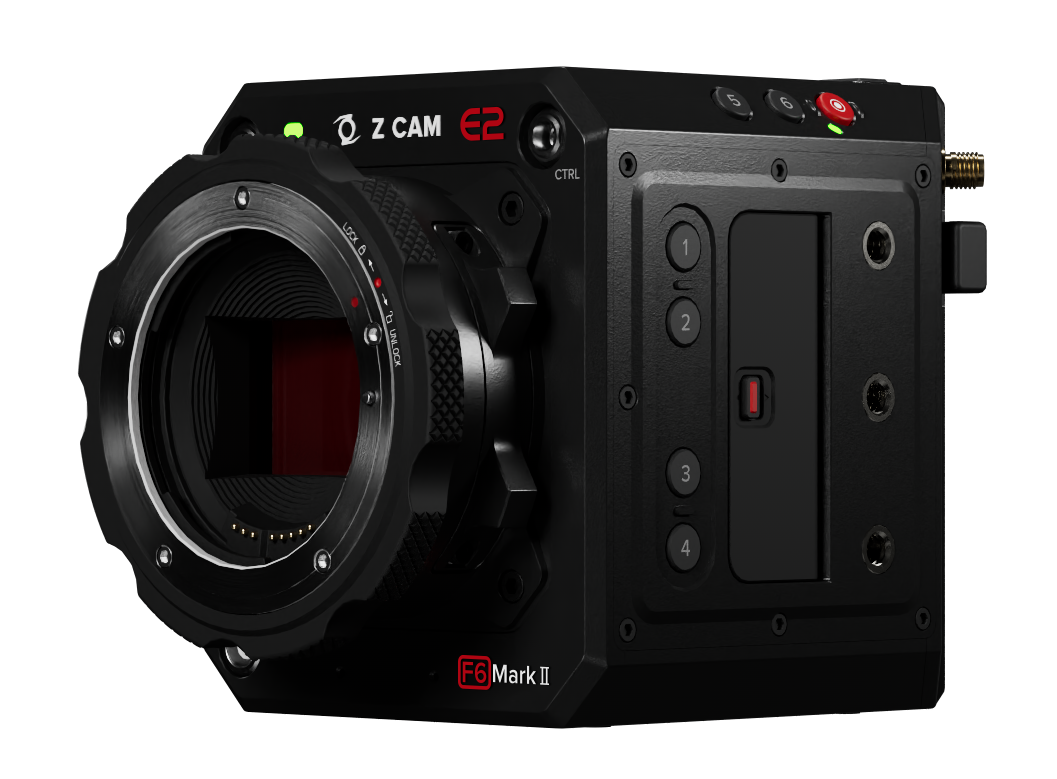
Similarly, Z CAM continued its ascent in the professional market. The company gained significant prestige last year when DP Fraser Taggart utilized Z CAM units for the high-stakes flight sequences in Mission: Impossible – The Final Reckoning. At NAB 2026, Z CAM showcased the E2-F6 Mark II, which introduces essential broadcast features such as SDI and Genlock for multi-cam synchronization. The shift from CFast to industry-standard CFexpress Type B media further aligns the camera with modern professional workflows.
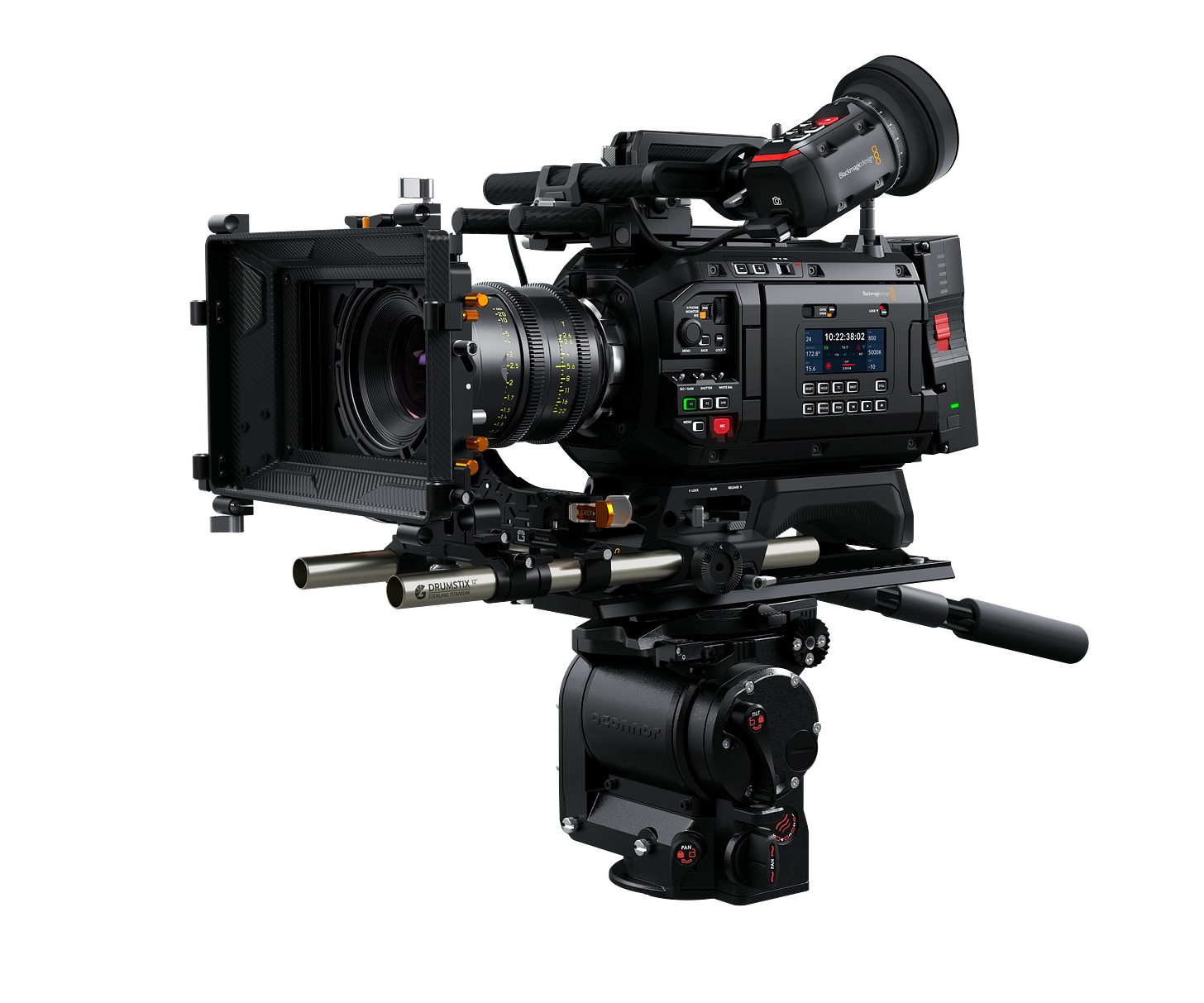
The conversation around colorimetry—once the primary battleground for camera manufacturers—appears to be evolving. Panasonic’s Neil Matsumoto suggested that as most modern cameras now shoot high-resolution log footage, the "color wars" have plateaued. With the flexibility provided by post-production color correction, the focus has shifted from internal color science to sensor size and field of view. This was echoed by DP Blake McClure, who utilized the Blackmagic URSA Cine 17K 65 for the HBO series Rooster. McClure noted that the massive 65mm sensor allowed for longer focal lengths while maintaining a wide field of view, a technical capability that fundamentally changes how stories are framed and told.
Optics and Lenses: From Hyper-Telephoto to Vintage Detuning
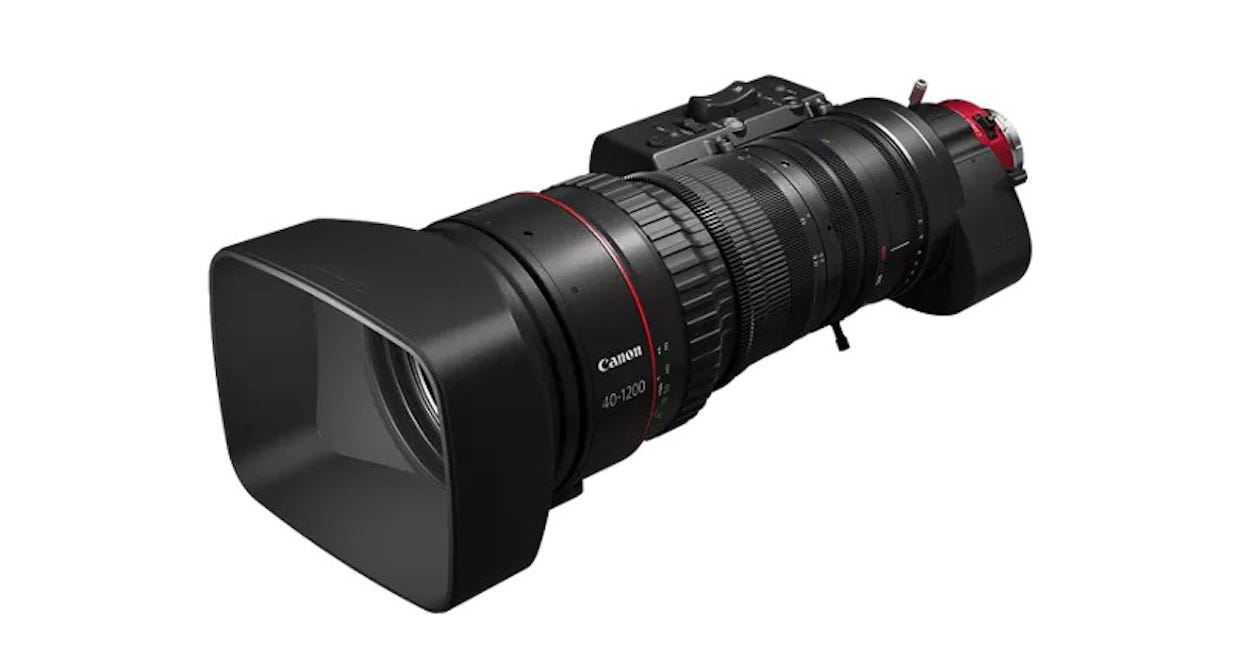
The lens market at NAB 2026 reflected the dual needs of the industry: extreme versatility for broadcast and creative "imperfection" for cinema. Canon addressed the needs of the live production and house-of-worship markets with the CINE-SERVO 40-1200mm T5.0-10.8. Replacing the legendary 50-1000mm, this lens offers a wider 40mm start, a direct response to feedback from church production teams who needed more field of view in confined spaces without losing the extreme telephoto reach required for large venues.

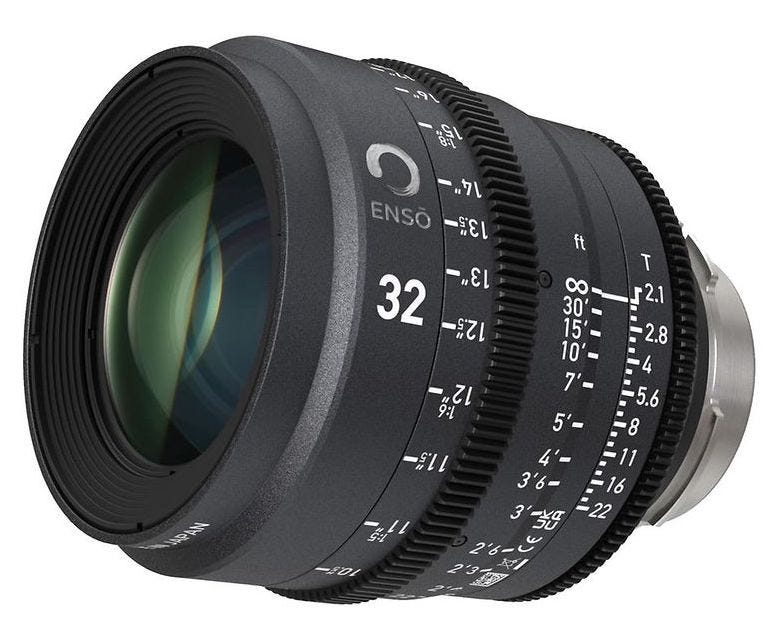
In contrast, ARRI completed its Ensō Prime line, adding 10.5mm, 14mm, and 250mm focal lengths. The Ensō system is notable for its "vintage kit" of diopters that attach to the back of the lens. This allows cinematographers to "detune" the modern, sharp glass to mimic the look of classic lenses like the Canon K35. This modular approach to "look-making" provides a safeguard against the hyper-competitive, low-cost lens market emerging from Asia.
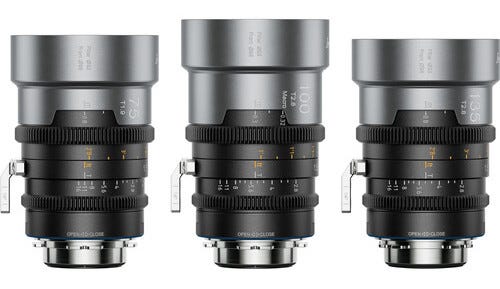
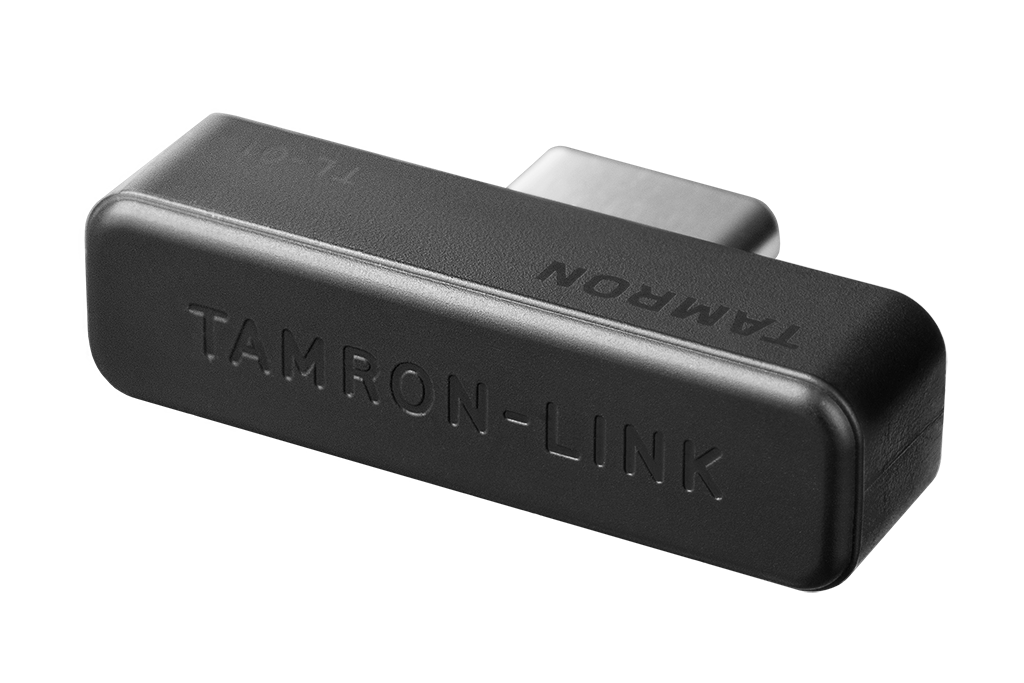
Speaking of the Asian market, SIRUI demonstrated its growth from a tripod manufacturer to a serious optics contender. The company introduced the IronStar Series, featuring 1.5x full-frame anamorphic lenses, alongside the Vision Prime Full Frame Cine Lens kit. With lenses priced as low as $600, SIRUI is making fast glass accessible to a new generation of independent creators. Meanwhile, Tamron introduced the TAMRON-LINK, a $50 Bluetooth device that enables remote lens control via an iOS app, further democratizing professional-grade control.
The Storage Crisis and the AI Factor
One of the most pressing challenges discussed at NAB 2026 was the surging cost of flash storage. Ichiro Ogawa, senior manager at Nextorage, identified the primary culprit as the global demand for AI servers. As semiconductor manufacturers prioritize high-margin AI infrastructure, the consumer and professional imaging markets have seen a reduction in available NAND flash supply. Ogawa estimated that lower prices for consumers might not return until mid-2027.
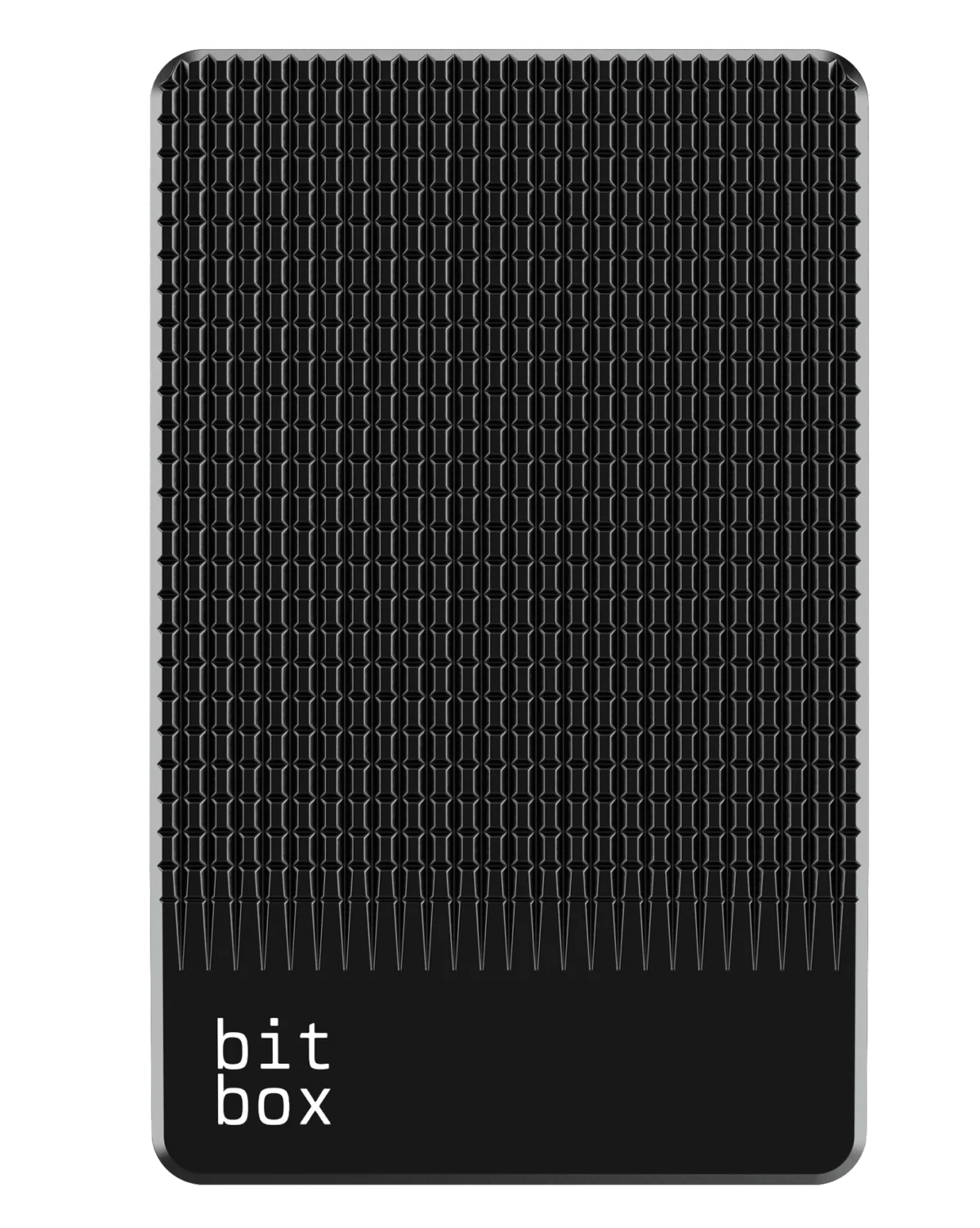
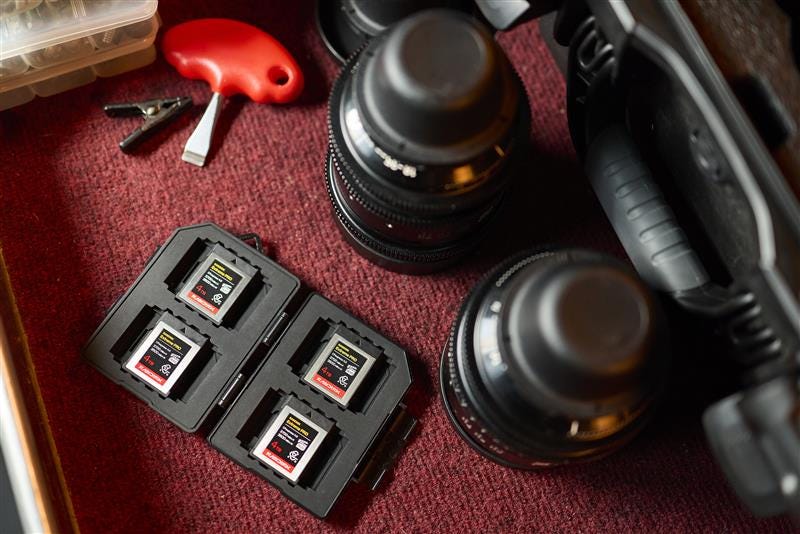
Despite these headwinds, storage companies are pushing the boundaries of "future-proofing." Nextorage introduced the NX-B2PRO+ cards, featuring VPG 1600 (Video Performance Guarantee) ratings. While most current cameras only require VPG 400, these cards are designed for the inevitable shift toward 12K and 17K resolutions. SanDisk mirrored this with its Extreme PRO CFexpress 4.0 Type B cards, offering read speeds of 3700mb/s. Lexar targeted the "rugged creator" with its ARMOR series, including a massive 8TB portable SSD and the Workflow Go Docking Station, which allows for simultaneous high-speed data dumps from multiple card formats.
Lighting and Sound: Precision in the Palm of the Hand
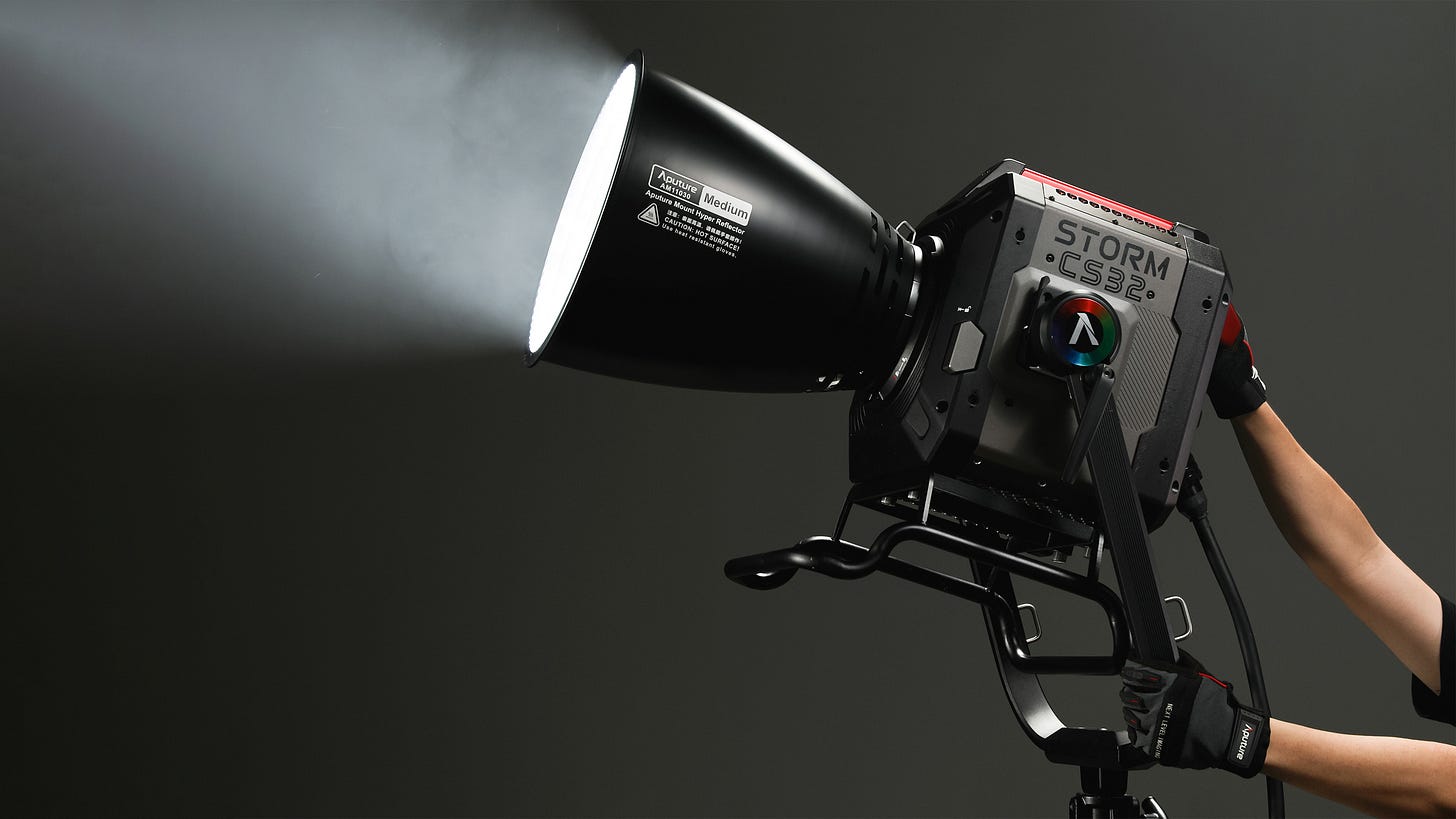
In the lighting sector, the trend toward "high output, small footprint" continued. Aputure gave a sneak peek of the STORM CS32, a point-source fixture utilizing "Blair CG" technology. By incorporating blue, lime, amber, indigo, red, cyan, and green emitters, the light can reproduce natural daylight fluorescence and vibrant skin tones with unprecedented accuracy.
Nanlite and Nanlux showcased the Evoke 5C, a powerful LED that fits in a palm but carries an IP67 rating, allowing it to be fully submerged in water. For gaffers, Astera’s QuikBeam offered a new standard in broadcast reliability, featuring Power over Ethernet (POE) and a high TLCI rating of 97, ensuring precise color rendering for television cameras.
The sound department saw a significant leap in affordability for independent filmmakers. Following its acquisition of Lectrosonics, Rode introduced the RØDELink II. This UHF system brings 32-bit float onboard recording—a technology that prevents audio clipping—to a two-channel device priced at $1,499. This move places professional-grade, "un-clippable" audio within reach of creators who previously could not afford high-end wireless systems.
Conclusion: A More Pragmatic Industry
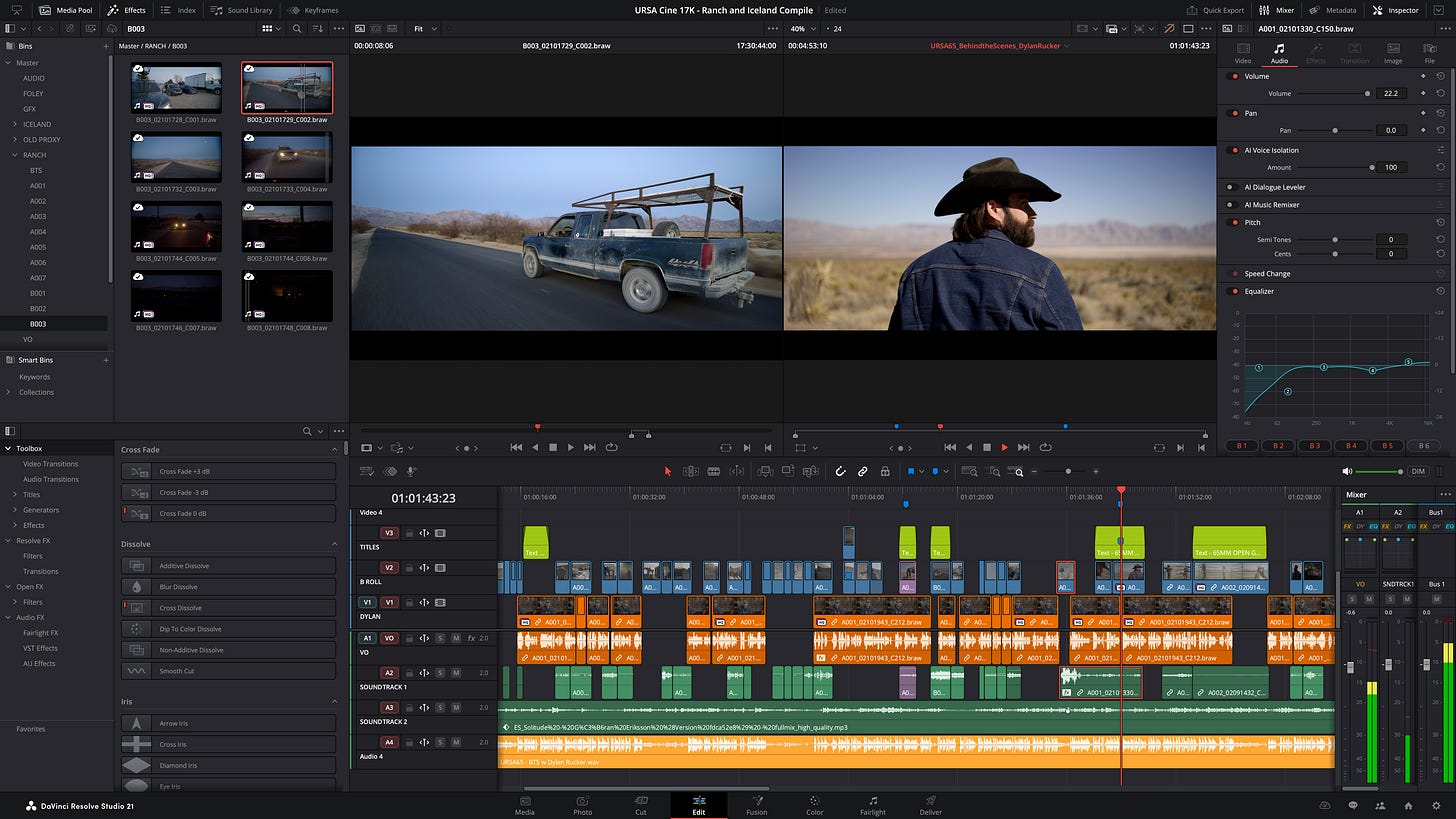
NAB 2026 revealed an industry that has moved past the exuberant "cinema-at-all-costs" phase into a more pragmatic, broadcast-focused era. The dominance of live production, the rise of the self-financed creator, and the integration of AI-driven tools in software like DaVinci Resolve 21—which now automates tedious tasks like slate syncing—point toward an industry-wide focus on efficiency and stability. While the "center of gravity" may have shifted away from the traditional movie set, the buzzing energy in Las Vegas proved that the community is more connected than ever, adapting its tools and workflows to a rapidly changing media landscape.