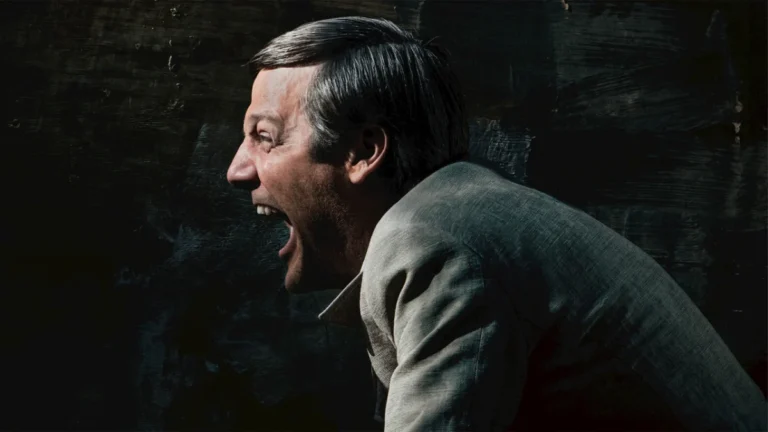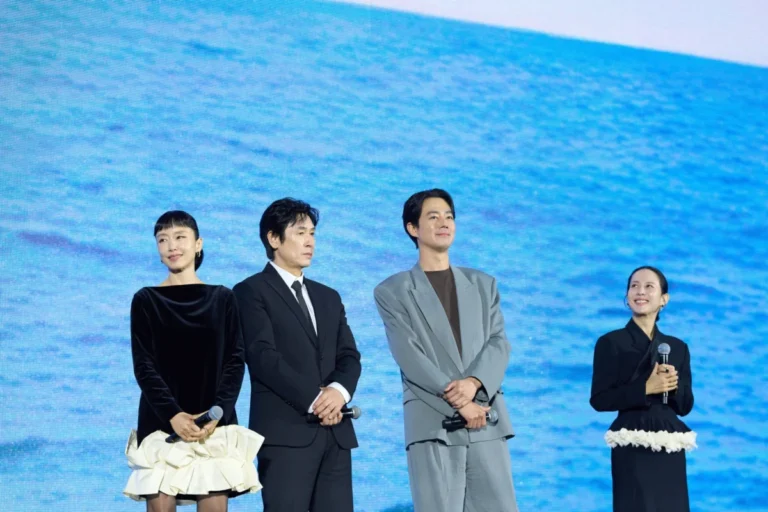




For over a decade, American actor Joey Albright has carved out a distinctive and influential niche in the vibrant landscape of South Korean cinema and television. Known for his versatility and compelling presence as a prominent guest star, Albright has recently garnered significant attention for his role as Ian in Bloodhounds season 2, a highly anticipated Netflix series that further cements Korea’s global cultural impact. This extensive career, bridging continents and cultures, positions Albright as a unique figure in the evolving global entertainment industry, and as he prepares for a strategic return to the United States, his insights offer a fascinating look into the challenges, triumphs, and future of cross-cultural acting.
A Decade of Dedication: Albright’s Journey into K-Content
Joey Albright’s immersion into South Korean culture began not with an acting ambition, but a personal fascination. At the age of 21, driven by an inherent draw to Asian cultures, particularly Japan and Korea, he made the pivotal decision to move to South Korea. This initial venture, intended as a short trip to study the language and experience the culture firsthand, blossomed into a life-altering commitment. "What started as a short trip for me turned into something much bigger," Albright recounts, detailing his return to Korea after a brief stint in Australia, drawn back by the country’s unique "vibes." His decision to attend university in Korea underscored a deeper commitment, leading him to build a career, marry, and start a family, making Korea his de facto home where he has spent all of his adult life.

Over the past ten years, Albright has amassed an impressive filmography, becoming one of the most recognizable foreign faces in Korean productions. His credits span a wide array of genres and critically acclaimed titles, including Chief Detective 1958, the popular crime drama Vincenzo, the mystery thriller Memoriest, the medical drama Doctor John, the comedic Welcome to Waikiki season 2, the historical epic Mr. Sunshine, the legal thriller Lawless Lawyer, and the blockbuster films Space Sweepers and Peninsula. This extensive body of work not only showcases his adaptability but also reflects the burgeoning global appeal of Korean media during his tenure.
Navigating the Nuances: Challenges for a Foreign Actor in Korea
Albright’s journey has been characterized by significant challenges, which he views as instrumental in shaping him positively. Foremost among these was the initial language barrier, evolving beyond mere vocabulary to encompass the intricate communication styles inherent in South Korean society. He highlights the deeply ingrained hierarchical work system on set, which directly influences linguistic expression. "This hierarchy is ingrained into the language," Albright explains, citing the necessity of using overly polite forms, different verb endings, and specific gestures like bowing, all dependent on the position of the person being addressed, particularly a director. He likens this cultural navigation to "dancing with a partner, and just kind of picking it up as you go," emphasizing the critical rhythm and understanding required for effective collaboration.
Beyond linguistic and cultural adaptation, Albright faced considerable hurdles in casting expectations. The Korean industry, like many globally, often adheres to specific physical archetypes for certain roles. For Western actors or foreigners, this frequently leads to typecasting. "They prefer more model-esque people… For a businessman, an older gentleman with gray hair, you know, there’s a lot of typecasting here for Western actors or foreigners," he notes. As a taller, heavier-set actor, Albright found himself initially challenged to fit these predetermined molds. However, through perseverance, he found his "own lane," shifting his focus to what unique qualities he could bring to a role rather than conforming to an external image. This self-discovery proved vital for his career longevity.

The business side of acting in a foreign market presented another layer of complexity. Albright candidly discusses the strategic navigation required to advocate for himself, particularly when dealing with contractual agreements and professional relationships in a language and culture different from his native one. These experiences, though demanding, have honed his resilience and adaptability, skills he believes are invaluable for any actor, especially in an international context.
The Global Rise of K-Content and Expanding Horizons
The past decade has witnessed an unprecedented global surge in the popularity of Korean media, a phenomenon that has profoundly impacted Albright’s career. The success of K-dramas, K-pop, and Korean cinema on the international stage, largely fueled by platforms like Netflix, has created a wealth of new opportunities. Netflix, for instance, committed significant investment, over $700 million, into Korean content between 2016 and 2020, doubling that figure to nearly $1 billion in 2021 alone. This strategic investment led to the explosion of K-content viewership, with titles like Squid Game breaking global records and captivating audiences worldwide.
Albright notes that this "international spotlight" has resulted in increased recognition from casting directors in the United States and other Western markets. The growing number of "crossover" productions, such as Netflix’s Beef and XO Kitty, which feature Korean elements or are filmed in Korea, directly translates into more audition opportunities for actors with his unique background. He cites his casting in Inheritance, a movie filmed in Korea featuring Bridgerton actress Phoebe Dynevor, as an example of this trend. Industry analysis confirms that South Korea has become an attractive hub for international filming, not only for its cost-effectiveness but also for its highly efficient production systems and rapid turnaround times, making it a preferred location for global projects.

Crafting ‘Ian’: The Bloodhounds Experience
Albright’s recent role as Ian in Bloodhounds season 2 exemplifies his dedication and collaborative spirit. The audition process itself was a testament to his commitment: receiving an urgent request for an audition tape while on an anniversary trip with his family, he swiftly carved out 30 minutes to practice and film, with his wife and daughter temporarily relocating to a playground.
Initially, Albright had auditioned for a different character, a boxing coach, leveraging his background in boxing and MMA training for stunts. However, the director had a different vision. During his callback, the director presented him with the script for Ian. Albright describes an immediate, clear instinct for the character, prompting him to ask if he could perform it without extensive preparation. After one take and a single adjustment from the director, his interpretation, though "different from what he originally imagined," deeply resonated with the director, leading to the role offer. This experience highlights Albright’s innate talent for character development and his ability to connect with a role on an intuitive level.
Albright further elaborated on the depth he brought to Ian, drawing parallels and distinctions with his audition for a billionaire character in Squid Game. While both roles involved investment and power dynamics, Albright articulated a crucial difference in their core motivations. The Squid Game billionaire was driven by "the love of the game," aiming to outwit rivals, whereas Ian, in Bloodhounds, was a shrewd, long-game investor, "90% sure of what he wants" but meticulously assessing viability. Albright’s portrayal imbued Ian with realistic motivations, viewing his objective as a problem-solution dynamic, where the departure of Baek Jeong presented the key solution.

His collaborative approach extends to script and dialogue. Recognizing that English translations of Korean scripts can sometimes lack the original subtext, Albright often requests both versions for comparison. He actively engages with directors to refine lines, aiming for natural delivery and character accuracy, as demonstrated by his suggestion to use "little start-up" instead of a repetitive company name for Ian, which the director accepted. This nuanced understanding of both languages and cultures allows him to enhance performances while respecting the writer’s intent. He recounted a past instance where a translated Korean curse word for a "racist soldier" character sounded more like a greeting in English, prompting him to respectfully suggest an adjustment to better convey the intended aggression, showcasing his commitment to authenticity.
The logistical aspects of filming his scenes with Korean stars Rain and Lee Myung-ro for Bloodhounds season 2 also presented unique challenges. Due to expensive location bookings, Albright was not initially scheduled to film on the same day as his co-stars. However, the director had him participate in a rehearsal via a "Zoom video call." His co-stars were filmed first, with Albright providing his performance remotely from the hair and makeup chair. Later, the camera was brought to him, and his reactions were shot from a single, static angle, with a green screen and video filter used to simulate a realistic video call. This adaptive and technologically integrated filming process is increasingly common in global productions, further illustrating the innovative methods employed in the Korean industry.
Looking Ahead: A Strategic Return to the U.S. Market
Despite his deep roots and successful career in South Korea, Joey Albright is embarking on a new chapter: a return to the U.S. market. His enthusiasm for the possibility of Ian returning in Bloodhounds season 3 is palpable ("I pray. I really want to do Ian again."), highlighting the positive experience of working with the director and talented co-stars, whom he credits with elevating his performance. However, his decision to relocate to America is driven by both professional ambition and personal priorities.
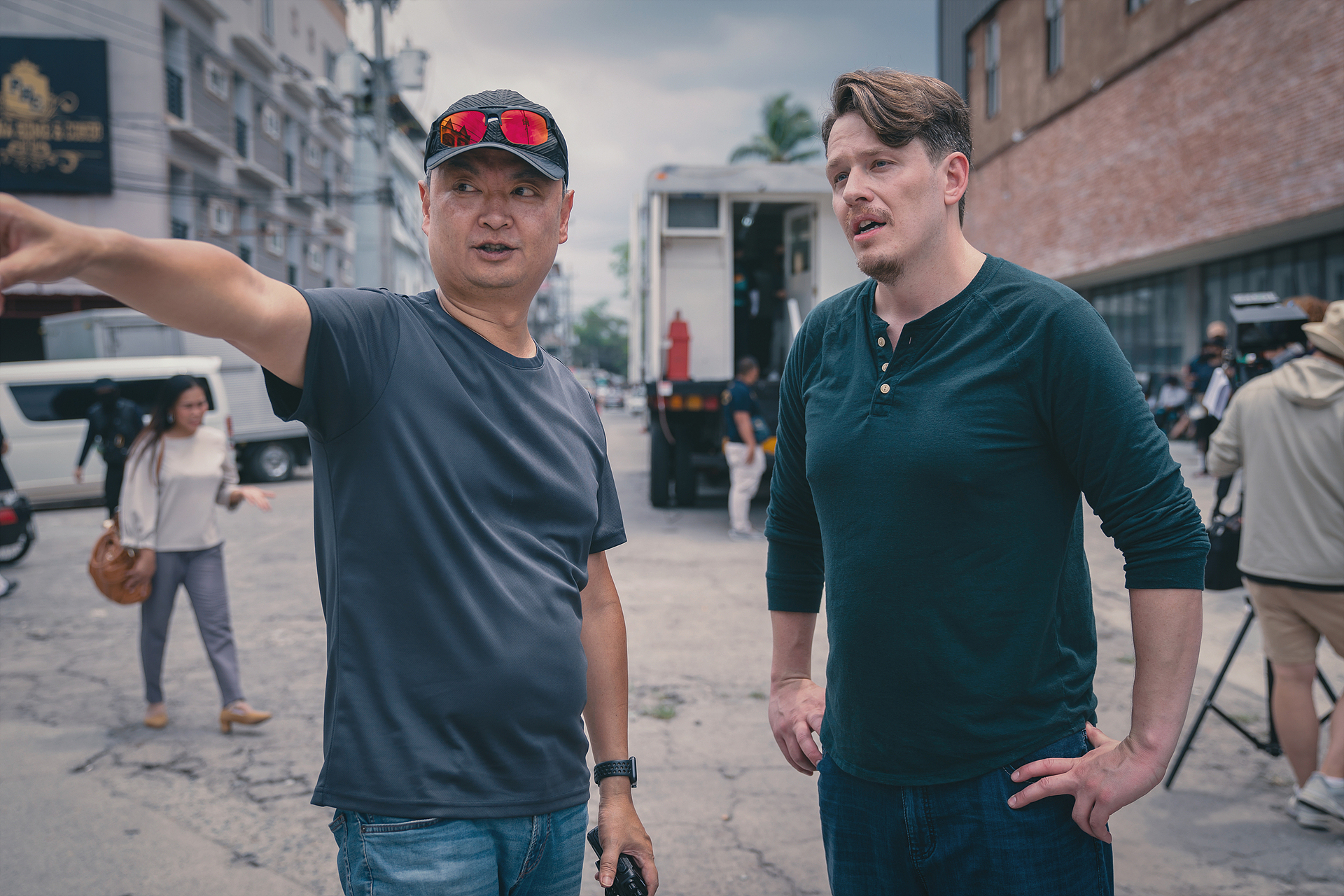
The onset of the COVID-19 pandemic offered Albright a glimpse into the U.S. market, during which he filmed seven short films in 70 days, leading in five of them. This experience, combined with a growing family, prompted a reevaluation of his geographical focus. "I can’t be that far away from my family. I’m very family-oriented," he states, explaining the joint decision with his wife to move their family back to the States.
He plans to settle in Portland, Oregon, a city he considers a "good, safe area for family" and where he spent his formative years before moving to Los Angeles. While acknowledging Portland’s smaller acting community compared to major hubs, he is actively taking in-person acting classes, a stark contrast to his 4 a.m. Zoom sessions from Korea, and aims to integrate into the local artistic community. This strategic move allows him to re-engage with the American industry while maintaining the flexibility to return to Korea for projects, a country he affectionately calls his "second home." His career trajectory serves as a compelling example of an actor successfully navigating the complexities of a globalized entertainment landscape, demonstrating adaptability, resilience, and a deep appreciation for diverse cultures.
Albright’s journey from an American drawn to Asian culture to a seasoned actor who has significantly contributed to the global rise of K-content is a testament to his talent and strategic vision. As he prepares to bridge continents once more, his experiences offer valuable insights into the interconnected future of global cinema and television, where cultural exchange and adaptability are increasingly paramount.