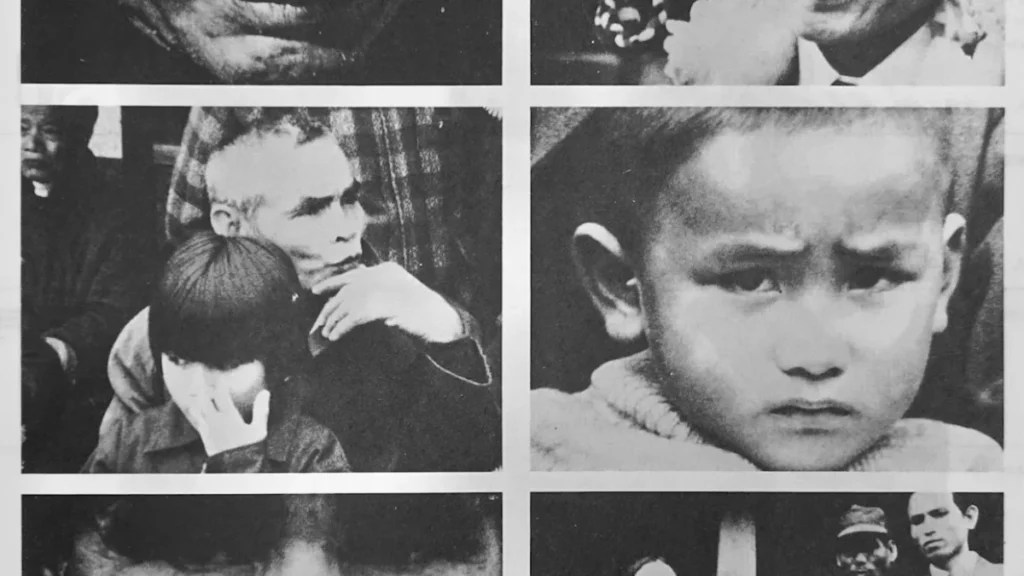


Le Ngoc Duy, a filmmaker born in the vibrant city of Da Nang in 2000, is rapidly emerging as a significant voice in contemporary cinema, renowned for his incisive exploration of memory, history, queer identity, and the nuanced heritage of Central Vietnam. His cinematic oeuvre critically examines the pervasive influence of official narratives on collective memory and the profound impact of overarching systems on the very construction of historical understanding. This commitment to unpacking complex socio-political themes has garnered him international acclaim, culminating in recent prestigious selections and nominations.
International Acclaim and Artistic Recognition
Duy’s latest short film, "Before the Sea Forgets," has achieved notable recognition on the global festival circuit. The film was an official selection in the Directors’ Fortnight at the Cannes Film Festival in 2025, a highly respected parallel section known for showcasing innovative and auteur-driven cinema. Furthermore, it was nominated for the Queer Palm, an award presented at Cannes to films that address LGBTQ+ themes with particular sensitivity and artistic merit. This dual recognition underscores the film’s critical success and its resonance within discussions of identity and representation in cinema.
Beyond Cannes, Duy’s burgeoning talent has been acknowledged by other leading international institutions. In 2025, he was honored as one of the Prince Claus Fund’s Seed Awardees, a prestigious program that supports emerging artists and cultural practitioners from Africa, Asia, Latin America, and the Caribbean. The Prince Claus Fund, established in memory of HRH Prince Claus of the Netherlands, champions cultural and artistic expression that fosters dialogue and understanding across diverse societies. His inclusion in this cohort signifies a significant endorsement of his artistic vision and potential for future impact.
Further solidifying his position on the international stage, Duy was also a participant in the 2025 Locarno Filmmakers Academy. This intensive program, hosted by the renowned Locarno Film Festival, provides a platform for emerging filmmakers to develop their craft, network with industry professionals, and engage in critical discourse. Locarno has a long-standing reputation for championing independent and auteur cinema, making participation in its academy a significant step for any emerging director.
In 2024, Duy secured a production grant from the CJ Short Filmmaking Project in Vietnam. This initiative, supported by CJ Group, a prominent South Korean conglomerate with significant investments in the entertainment industry, plays a crucial role in fostering Vietnamese filmmaking talent and supporting the development of short films. The grant provided essential resources for the realization of his artistic projects, enabling him to bring his distinctive narratives to life.
Grassroots Initiatives and Community Engagement
Duy’s commitment to the cinematic arts extends beyond his personal filmmaking endeavors. As an active member of the A Sáng Art Collective, he is deeply involved in organizing and co-curating "Cinema of Peasants, Cinema CNN," a vital grassroots project dedicated to promoting local independent cinema. This initiative aims to create accessible platforms for filmmakers and audiences to engage with a diverse range of cinematic expressions, often overlooked by mainstream distribution channels. By fostering a vibrant independent film scene, Duy and the A Sáng Art Collective contribute to the cultural landscape of Vietnam and provide vital support for emerging artists.
"Before the Sea Forgets": A Cinematic Exploration of Memory and Identity
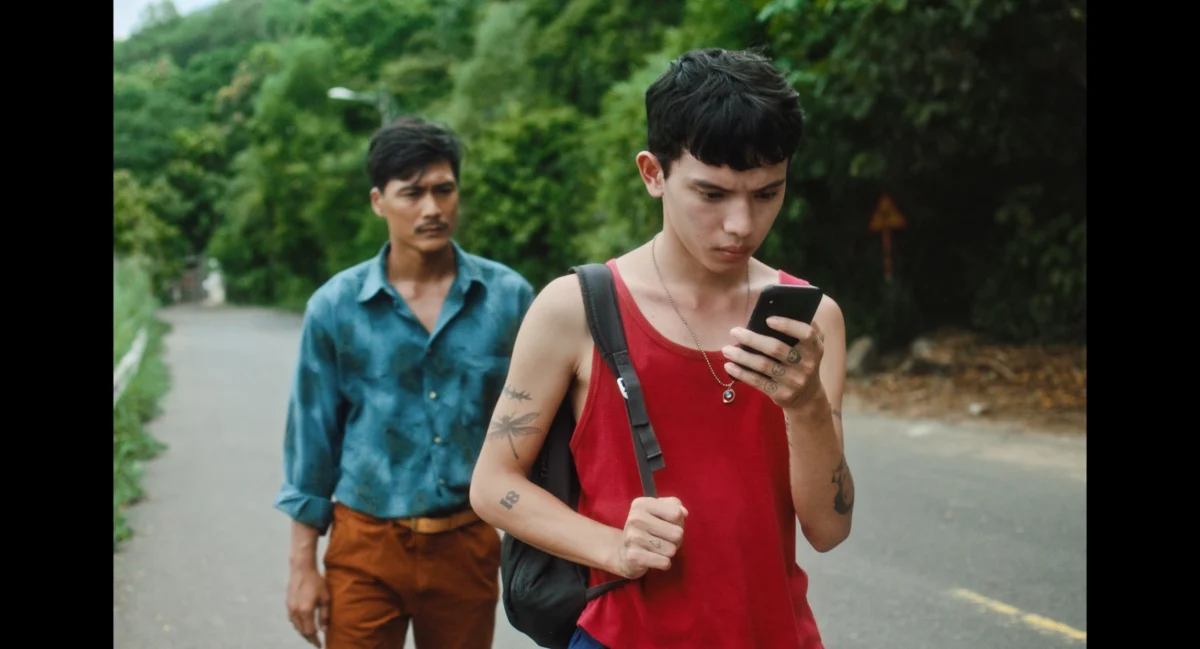
"Before the Sea Forgets" is a short film that delves into the complexities of memory, particularly as it pertains to a specific locale and the lingering echoes of the past. The narrative unfolds with evocative imagery, beginning with a group of boys engaged in a dance-like ritual amidst falling water, a scene that immediately establishes a sense of primal connection and perhaps cleansing. This imagery shifts to a serene beach setting, where two men engage in playful wrestling. The younger man exhibits subtle signs of jealousy, hinting at underlying emotional currents within their relationship. The playful dynamic takes a contemplative turn when the older man dives into the water, leaving the younger one lost in thought, pondering a poem he had recently mentioned.
The film then reveals the couple’s journey to the peninsula of Da Nang, ostensibly in search of the grave of a Vietnamese soldier. This quest serves as a narrative anchor, drawing the audience into the region’s troubled history. A pivotal moment occurs as the older man recounts his father’s wartime experiences and a poignant wish for his son to locate the resting place of a fallen comrade. This personal connection to the past imbues their search with a profound emotional weight. As they traverse through decaying structures and dense forests, the palpable presence of a skateboard gang is felt at various intervals, adding an element of contemporary urban youth culture to the historical landscape.
Cinematography and Thematic Resonance
Director Le Ngoc Duy crafts a work that is deeply focused on the nature of memory, particularly within the specific geographical context of Da Nang. The film functions almost as a guided tour through the less frequented, more introspective corners of the city. The juxtaposition of dilapidated buildings, untamed forests, and deserted roads creates an atmosphere of mystery and introspection, starkly contrasting with the initial idyllic beach scene. This visual dichotomy mirrors the film’s thematic exploration of memory’s layered and often conflicting nature.
The exceptional visual presentation of these diverse settings is a testament to the skill of cinematographer Wan Ping Looi. Looi’s camera captures each scene with a profound sense of realism and intentionality. The long shots, in particular, stand out, offering expansive vistas that underscore the vastness of the landscape and the passage of time. This deliberate visual approach allows the audience to immerse themselves in the film’s world and contemplate the weight of its themes.
While subtle tensions emerge within the relationship between the two male protagonists, an overarching sense of idyllic intimacy pervades the film. This is conveyed through moments of tenderness, such as their occasional hand-holding, and amplified by the evocative musical score, which gradually intensifies as the narrative progresses. As the story transitions into the forest, a subtle shift towards an ominous atmosphere takes hold. The unexpected appearance of a character who seemingly does not belong, yet serves to bridge the past and the present, injects a surreal quality into the short film, further blurring the lines between historical recollection and lived experience.
The portrayal of the skateboard gang adds a touch of levity and authenticity to the film. Their presence, rendered with a seemingly amateur yet engaging naturalism, suggests that they are drawn from the local community. This casting choice imbues the short with a sense of ingenuity and provides an element of unexpected entertainment, grounding the more abstract themes in a tangible reality.
Editing, Performance, and Narrative Depth
The editing, overseen by the director himself, contributes to a relatively brisk pace. Many of the cuts are characterized by an abruptness that, rather than jarring the viewer, effectively aligns with the film’s stylistic choices and the fragmented nature of memory. The performances of Tran The Manh as the Young Man and Nguyen Le Son as the Older Lover are compelling, particularly their palpable chemistry which effectively conveys the nuances of their romantic connection.
While the film successfully evokes its central themes, a more extended exploration of the narrative threads could potentially enhance its impact. However, even within its concise runtime, "Before the Sea Forgets" emerges as a remarkably beautiful short film. It powerfully articulates how memories endure and the profound, often transformative, influence they exert on individuals and communities. The film’s success at prestigious festivals like Cannes and its nominations for awards like the Queer Palm signal a promising trajectory for Le Ngoc Duy, marking him as a filmmaker whose work warrants close attention for its intellectual depth, aesthetic sophistication, and commitment to exploring the intricate tapestry of human experience and historical consciousness. His continued engagement with themes of memory, identity, and sociopolitical commentary positions him as a significant voice in the evolving landscape of global cinema.