
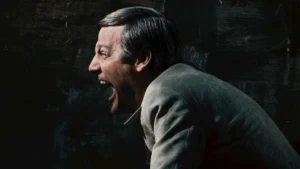

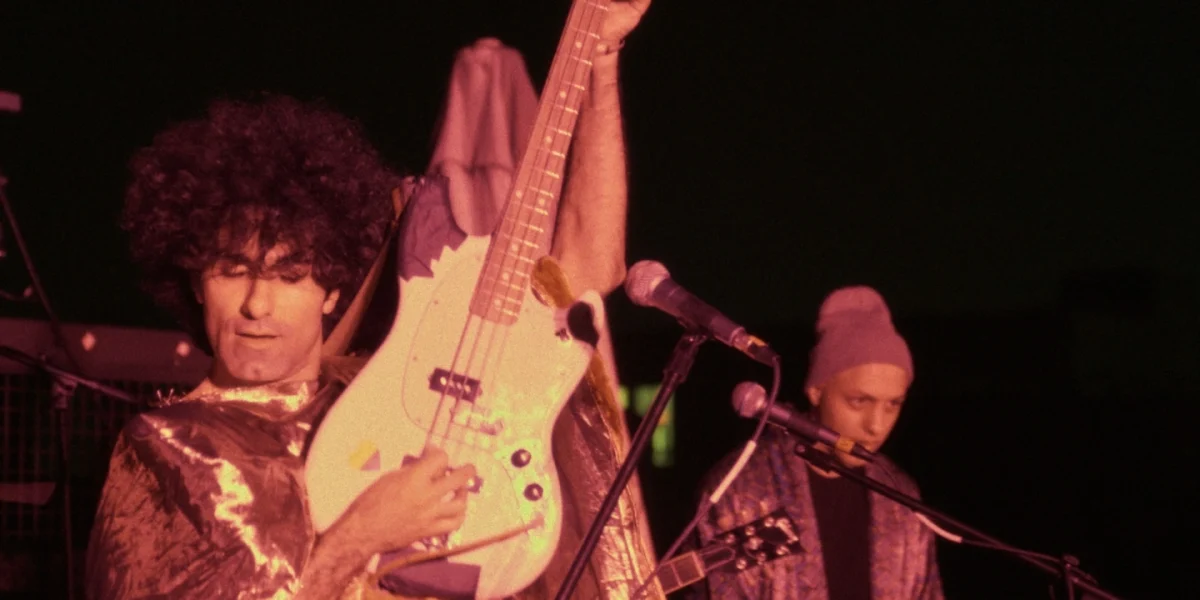
Filmmaker Mahsa Karampour’s debut feature, "Into the Jaws of the Ogre," offers a deeply personal and profoundly resonant exploration of displacement, familial bonds, and artistic perseverance, charting the divergent paths of herself and her musician brother, Siavash Karampour, as they navigate lives far removed from their native Iran. The 86-minute film, co-written by Mahsa Karampour and Maya Haffar, premiered to critical acclaim within the independent ACID (Association for the Distribution of Independent Cinema) section at the Cannes Film Festival, a testament to its raw authenticity and compelling narrative.
A Metaphorical Opening to a Divergent Journey
The film opens with a striking visual metaphor: Siavash Karampour, a musician whose journey forms a central pillar of the documentary, is captured by his sister, Mahsa, driving down a sun-drenched Californian road. The mundane act of waiting at a busy intersection for traffic to clear becomes a poignant symbol of their immigrant experience – poised on the brink of entering a new society, yet temporarily stalled by the complexities of assimilation. As a gap in the traffic appears, Siavash confidently turns the steering wheel, declaring the film’s title, a bold acknowledgment of the exciting yet perilous nature of their chosen journeys. This declaration, imbued with a "daring devil-may-care quality," immediately sets the tone for a film that embraces the inherent risks and unexpected turns of life abroad.
A Multifaceted Narrative: Family, Music, and Migration
"Into the Jaws of the Ogre" transcends simple categorization, weaving together elements of family history, a music documentary, and a road trip movie into an ambitious and emotionally generous tapestry. Mahsa Karampour, the elder sibling, largely keeps the camera focused on Siavash’s trajectory from an underground musician in Iran to achieving a degree of mainstream recognition in the United States. The film’s strength lies in its intimate, lived-in quality, largely derived from Mahsa’s extensive personal footage, captured over years of observation and engagement. This inherent access, afforded by her familial relationship with Siavash, effectively bypasses the credibility gap that often plagues rise-to-fame narratives. Both siblings have confronted significant hurdles in pursuing their artistic and academic ambitions, and Mahsa’s camera acts as a constant, unwavering witness to every step of their evolving lives.
Roots in Iran: The Seeds of Artistic Endeavor
The Karampour family’s story begins in Iran, a nation grappling with political and social restrictions that profoundly impacted the lives of its citizens, particularly artists and intellectuals. Mahsa, driven by a desire for academic freedom and an escape from the "prying eyes of the restrictive Khomeini regime," relocated to France in 2003 to pursue studies in sociology and film. Her academic pursuits and burgeoning passion for filmmaking led her to document frequent visits back to Tehran. During these visits, she captured the enduring spirit of her parents, who continued to navigate life as they aged, and the nascent stages of her younger brother Siavash’s musical career with his band, The Yellow Dogs.
Through her narration, Mahsa articulates her anxieties for her family, painting a picture of resilience amidst constraint. The Karampours, despite their children’s unconventional pursuits in music and academia, emerge as relatable figures, their struggles and aspirations resonating with the viewer. Siavash, in particular, commands attention as a compelling subject. His "wild hair and relaxed attitude" are presented through his sister’s affectionate lens; a blend of exasperated eye-rolls at his cavalier demeanor and profound admiration for his unwavering refusal to be deterred by obstacles.
The Underground Scene and a Pivotal Break
The Yellow Dogs, like many emerging artists in Iran, found their creative outlet in clandestine performances within underground clubs. This was the only viable avenue for them to express their music without attracting the unwelcome attention of the morality police, a constant threat to artistic freedom in the country. The band’s fortunes took a significant turn in 2010 when they were featured in Bahman Ghobadi’s acclaimed documentary, "No One Knows About Persian Cats." This film, which itself garnered recognition at Cannes that year, offered a powerful glimpse into Tehran’s vibrant underground music scene.
The newfound exposure brought by Ghobadi’s documentary proved to be a double-edged sword. While it propelled The Yellow Dogs onto a larger stage, it also necessitated their departure from Iran. This exodus prompted Mahsa to reflect deeply on the evolving nature of their sibling relationship. As she assimilated into French society and Siavash embarked on his new life in New York, the geographical distance and the absence of a shared homeland began to subtly reshape their bond. Mahsa candidly grapples with this evolving dynamic in her narration, confronting a situation that many might consider fortunate to avoid. While their paths have diverged more sharply than either could have anticipated, the film offers a fascinating, unvarnished exploration of this complex process.
Tragedy and Resilience: A Brother’s Loss, a Sister’s Witness
Siavash’s journey in the United States became further complicated by profound tragedy in 2013. Two members of The Yellow Dogs were killed in a shooting incident involving a disgruntled former musician. This devastating event, alongside the myriad other challenges that have shaped the siblings’ respective journeys, underscores Mahsa’s unwavering focus on her brother. Her continued filming and narration reveal a deep-seated desire to weave their separate narratives into a more cohesive whole.
This desire culminates in Mahsa’s visit to her brother in New York, which then leads to an extended road trip across America with Siavash. Throughout "Into the Jaws of the Ogre," the film steadfastly maintains its unabashedly subjective viewpoint. Mahsa even ventures into introspection in Persian during her voiceover, drawing parallels between her brother and the mythical figure for whom he is named. Siyavash, in Persian mythology, symbolized integrity, a virtue that ultimately led to his demise. Mahsa expresses a poignant hope that her brother will not meet a similar fate, a concern seemingly allayed by his evident "natural charms" and resilient spirit.
The Power of Simple Pleasures and Enduring Hope
The film’s emotional climax, or perhaps its most cherished moment, arrives when Mahsa briefly appears on screen, engaged in a game of backgammon with Siavash. This simple act of shared leisure encapsulates the film’s ultimate message: the profound happiness found in seeking simple pleasures with loved ones. "Into the Jaws of the Ogre" is fundamentally a film that chooses to focus on the positive aspects of life. Even as it navigates darker themes, it refrains from offering grand pronouncements on the Iranian authoritarian regime or the intricate challenges of assimilation.
While the film’s personal focus might appear understated in light of recent significant events, such as the widespread uprisings in Iran and subsequent geopolitical tensions, "Into the Jaws of the Ogre" stands as a testament to the power of personal storytelling. Regardless of the larger conflicts unfolding on the global stage, the universal human experience of a family wishing the very best for one another remains a deeply relatable and enduring theme. The film’s success lies not in providing definitive answers to complex geopolitical issues, but in its ability to illuminate the quiet strength of human connection and the enduring pursuit of dreams against formidable odds. The inclusion of Siavash’s music, woven throughout the narrative, serves as a constant reminder of the artistic spirit that both siblings strive to cultivate, a beacon of hope in their personal journeys. The film’s runtime of 86 minutes allows for a focused yet comprehensive portrayal of their intertwined lives, leaving audiences with a profound appreciation for their resilience and the enduring power of family.