


Remote Island Drama Unearths Trauma Through Canine Connection
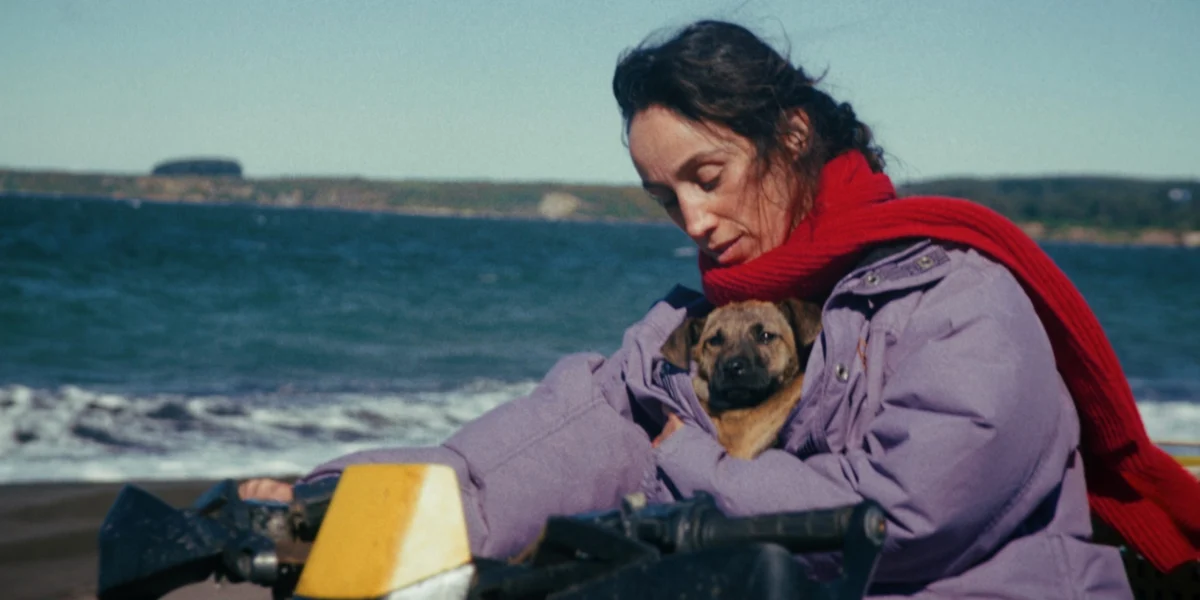
A compelling narrative of memory, isolation, and the profound impact of a single animal’s presence unfolds in "La Perra," a Spanish-language drama that premiered to critical acclaim at the 79th Cannes Film Festival’s Director’s Fortnight. Directed and co-written by Dominga Sotomayor, the film, adapted from Colombian author Pilar Quintana’s novel, centers on Silvia, a woman living a solitary existence on a remote Chilean island, whose life is irrevocably altered by the adoption of a stray puppy. This seemingly simple act serves as a catalyst, unlocking deeply buried memories of a childhood trauma.
The film stars Manuela Oyarzún as Silvia, a woman in her forties navigating a life deliberately detached from conventional societal expectations, including the pressure to start a family. Her days are defined by the rhythm of the sea and the labor of harvesting and selling seaweed. This routine is disrupted when an impulsive decision leads her to adopt a spirited puppy, whom she names Yuri. The puppy’s exuberance and freedom on the island mirror an untamed spirit that, for a time, seems to bring a new dimension to Silvia’s quiet life. However, a sudden scare from a fireworks display causes Yuri to flee, plunging Silvia into a desperate search that, in turn, excavates a forgotten past.
Unraveling the Past: A Dog’s Disappearance, A Woman’s Memory
The narrative architecture of "La Perra" masterfully intertwines the present-day search for the lost puppy with fragmented recollections of Silvia’s childhood. These flashback sequences are rendered with a dreamlike quality, often triggered by seemingly innocuous stimuli – a particular line of dialogue, a fleeting image, or a specific location. The film’s co-writer, Inés Bortagaray, alongside Sotomayor, crafts a script that eschews overt exposition, allowing the audience to piece together the emotional landscape of Silvia’s trauma.
A pivotal element in these memories is a cave situated by the beach, a location that becomes both a symbol of potential loss for the puppy and a central site of the childhood incident. The cave’s vulnerability to the incoming tide, mirroring the overwhelming nature of suppressed memories, underscores the thematic depth of the film. The script’s understated approach, a hallmark of Sotomayor’s directorial style, ensures that the audience actively engages with Silvia’s emotional journey, inferring the lasting impact of her past experiences without explicit pronouncements. This quiet power makes "La Perra" a potent study of grief, guilt, and the enduring ache of unresolved trauma.
A Dual Performance: Human and Canine Brilliance
Manuela Oyarzún delivers a tour-de-force performance as Silvia, embodying a woman who has meticulously compartmentalized her emotions for decades. Her portrayal is nuanced, capturing the subtle shifts in her demeanor as the past begins to resurface. Equally captivating is the film’s canine star, also named Yuri. This remarkable puppy demonstrates an impressive range of personality, forging a believable and deeply affecting bond with Oyarzún’s character. The canine’s contribution to the film’s emotional resonance was recognized with the prestigious Palm Dog award for Best Canine Performance at the Cannes Film Festival, a testament to its significant contribution.
The casting of "La Perra" is a notable strength. Rafaella Grimberg, who portrays young Silvia in the flashback sequences, shares an uncanny resemblance to Oyarzún. This striking visual continuity creates a palpable connection between the past and present selves, enhancing the authenticity of Silvia’s journey. The casting of the puppy Yuri, named Tormenta (meaning Storm), further solidifies the film’s success in its animal casting, with the young dog mirroring the charm and vitality of its adult counterpart.
Supporting cast members also make significant contributions. Selton Mello, known for his roles in Brazilian cinema, brings a gravitas to the character of Duda, a former acquaintance of Silvia’s parents, adding layers to the social fabric of the island community. David Gaete offers a solid performance as Mario, Silvia’s partner, though his role is intentionally understated, reflecting the couple’s established, perhaps even stagnant, routine. Paula Dinamarca provides a memorable, colorful portrayal of Xiamena, a local eccentric with aspirations to breed Yuri, injecting moments of quirky local color into the narrative.
The Island as Character: Landscape and Atmosphere
The choice of Santa Maria Island as the primary filming location is integral to the film’s thematic and atmospheric success. The rugged, windswept landscape of this remote Chilean island serves as a potent visual metaphor for Silvia’s internal state – her close connection to nature and her self-imposed emotional solitude. The island’s isolation amplifies the sense of being cut off from the outside world, a feeling further accentuated when visiting family and friends disrupt Silvia’s carefully constructed peace.
Adding a touch of surrealism to the island’s natural beauty is an unusual phenomenon: an underground gas pipeline occasionally ignites, creating flames on the water near the central cave. This elemental, almost primal display of fire and water contributes to the film’s unique visual language and underscores the untamed power of nature that surrounds Silvia.
Director of Photography Simone D’Arcangelo’s cinematography is a standout element, capturing the stark beauty of the island and crafting several indelible images. The film’s perspective often shifts to a dog’s-eye view, immersing the audience in Yuri’s world and enhancing the emotional connection between the animal and his human companion. Memorable sequences include Yuri’s boisterous interactions with sheep and his stoic reception by a group of horses, the latter offering a moment of gentle humor amidst the film’s dramatic core.
The score, composed by Clint Mansell, is a delightful and unexpected addition, enhancing the film’s emotional depth without overpowering the narrative. Complementing the music is the spectacular sound design, which masterfully accentuates the coastal environment and the daily realities of island life. The ominous and terrifying soundscape within the cave sequences, particularly its ability to drown out human voices, effectively heightens the sense of dread and the overwhelming nature of the traumatic events.
Implications and Enduring Impact
"La Perra" transcends its straightforward premise to offer a profound exploration of themes that resonate universally. The film’s understated approach to depicting trauma and grief is particularly effective, allowing for a more authentic and deeply felt emotional impact. It highlights how deeply ingrained memories can resurface, often triggered by unexpected circumstances, and how the process of confronting them can be both agonizing and ultimately cathartic.
The narrative implicitly explores the societal pressures faced by women regarding motherhood and the choices individuals make in shaping their own lives, even if those choices lead to isolation. Silvia’s deliberate detachment from conventional expectations, while perhaps a defense mechanism born from past trauma, also speaks to a desire for self-determination.
The film’s success at Cannes and its subsequent critical reception suggest a growing audience appreciation for introspective, character-driven dramas that tackle complex emotional landscapes. The enduring appeal of "La Perra" lies in its ability to connect with viewers on a primal level, exploring the universal themes of loss, memory, and the redemptive power of connection, even if that connection is initially forged with a stray puppy. The film leaves a lasting impression, a testament to its atmospheric storytelling, powerful performances, and the poignant exploration of the human – and canine – spirit. The future prospects for the film’s canine star, Yuri, remain bright, with many anticipating further opportunities for this talented performer.