The independent gaming landscape has reached a significant milestone this week as Lo-Fi Games, the Bristol-based development studio, announced that its flagship title, Kenshi, has officially surpassed three million units sold. This achievement marks a rare feat for a title that intentionally avoids mainstream design conventions, opting instead for a brutal, systemic, and often unforgiving sandbox experience. Since its full release in 2018, the game has transitioned from a cult classic to a major commercial success, outperforming the initial sales figures of several high-budget AAA titles, including recent high-profile releases like Dragon Age: The Veilguard. The milestone highlights a growing trend in the industry where complex, player-driven narratives and "emergent" gameplay systems find a massive, dedicated audience despite—or perhaps because of—a steep learning curve and unconventional aesthetics.
The Evolution of Kenshi: A Twelve-Year Development Odyssey
The journey of Kenshi is one of the most storied development cycles in the independent sector. The project began in 2006, spearheaded by solo developer Chris Hunt. For the first six years of its life, Hunt worked on the game in total isolation, funding the project by working as a security guard. This period of development was characterized by a singular vision: to create a world where the player was not a "chosen one" or a hero, but merely another inhabitant of a vast, indifferent wasteland.
In 2011, Kenshi became one of the first titles to find success through early crowdfunding and alpha-funding models. It was among the initial wave of games to be greenlit on Steam, eventually entering the Steam Early Access program in 2013. This phase allowed the game to build a foundational community that provided critical feedback on the game’s complex overlapping systems. The development process was notoriously slow but deliberate, as Hunt expanded his team into what would eventually become Lo-Fi Games. By the time the game reached its 1.0 version in December 2018, it had already spent over a decade in production. This long-term commitment has been cited by industry analysts as a primary reason for the game’s stability and depth, features that have allowed it to maintain a "Very Positive" rating on Steam across tens of thousands of reviews.
Core Mechanics and the Philosophy of "Unforgiving" Design
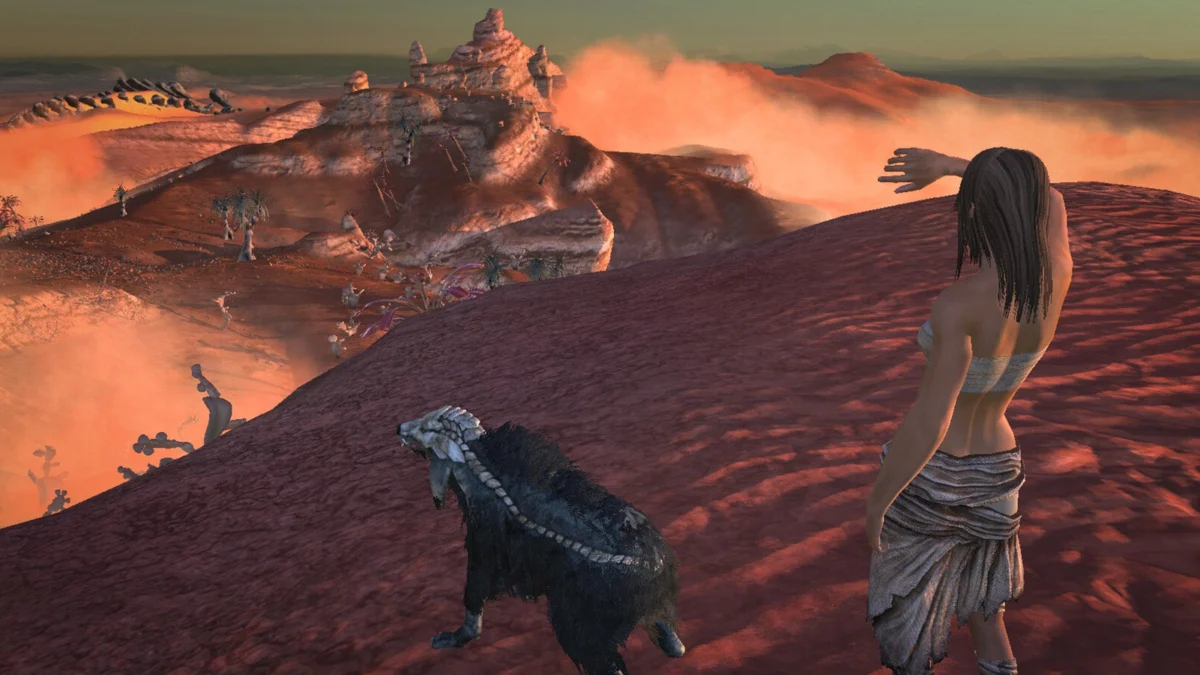
Kenshi is frequently described as a "sword-punk" sandbox, set in a sprawling 870-square-kilometer desert world. Unlike traditional role-playing games (RPGs) that utilize quest markers, linear narratives, or power fantasies, Kenshi drops the player into the world with no direction and minimal resources. The game’s philosophy is rooted in the concept that "you are not special." Players can be kidnapped, enslaved, or lose limbs in combat, and the game continues without a "game over" screen unless the player’s entire squad is deceased.
The game’s systems are deep and interconnected. It features a robust base-building mechanic, a complex medical system where injuries must be specifically treated to prevent permanent disability, and a dynamic economy. The world is populated by various factions, such as the religious zealots of the Holy Nation, the aristocratic United Cities, and the warrior-culture Shek Kingdom. Players can interact with these factions in any way they choose—becoming a loyal citizen, a revolutionary, a trader, or a bandit.
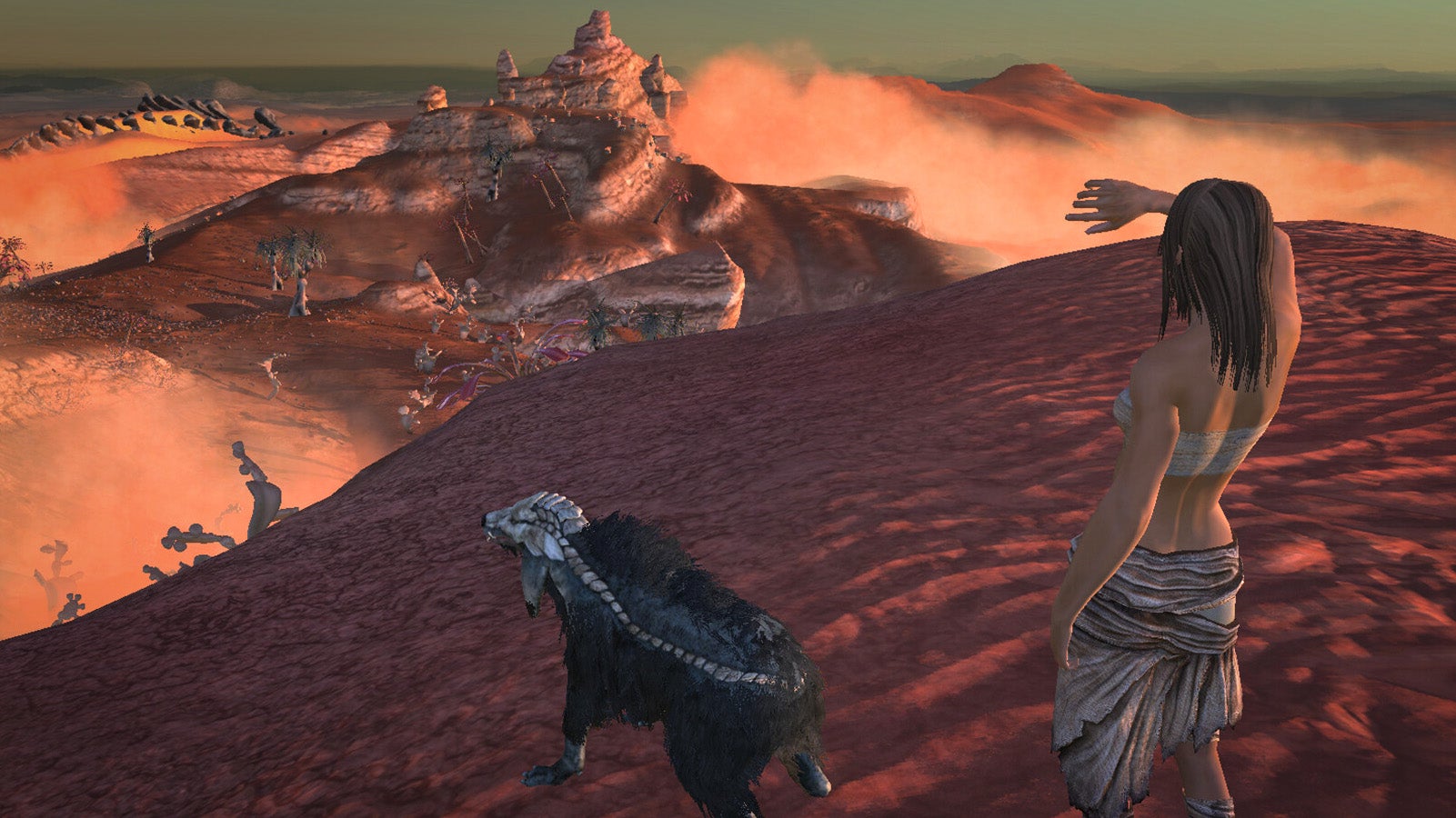
One of the most praised aspects of Kenshi is its skill progression system. Rather than gaining experience points through quests, characters improve by doing. To get better at running, a character must run; to get better at swordplay, they must engage in combat. Notably, the "Toughness" stat is increased by taking damage and surviving, essentially rewarding the player for failing and being beaten in fights. This "learn through suffering" loop has become a hallmark of the Kenshi experience, creating a unique sense of accomplishment when a player finally manages to establish a self-sustaining settlement.
The Significance of Three Million Sales in the Current Market
The announcement of three million sales is particularly noteworthy when placed in the context of the modern gaming market. For an independent studio, three million full-price sales represent a level of financial independence that allows for total creative control over future projects. To put this figure in perspective, many AAA titles with marketing budgets in the tens of millions often struggle to reach the three-million-unit mark within their first year. Kenshi’s success has been driven almost entirely by word-of-mouth, community content creation, and a "long tail" sales strategy rather than a traditional front-loaded marketing blitz.
The game’s visual presentation is often described as "lo-fi" or dated, utilizing the OGRE engine which was already aging by the time the game was released. However, the 3 million sales milestone proves that for a significant portion of the PC gaming audience, mechanical depth and player agency are more valuable than high-fidelity graphical assets. This success mirrors other "systemic" hits like RimWorld and Project Zomboid, which have also seen multi-million unit sales despite their minimalist or retro aesthetics.
Community Contribution and the Modding Scene
A vital component of Kenshi’s longevity is its integration with the Steam Workshop. The game was designed to be highly moddable, and the community has responded by creating thousands of mods that range from simple bug fixes to massive overhauls. These mods have added new factions, expanded the map, introduced complex new crafting systems, and even overhauled the game’s UI.
The community has also fostered a unique subculture. Characters like "Beep," a lowly hive worker who dreams of becoming the greatest warrior, have become internet memes and mascots for the game. This organic community engagement has kept Kenshi relevant in the public eye long after its 2018 launch. Content creators on platforms like YouTube and Twitch have found Kenshi to be a goldmine for "emergent storytelling," where the game’s systems create unscripted, dramatic moments that are more engaging than many pre-written narratives.
Official Response from Lo-Fi Games
In a formal statement released via Steam, Lo-Fi Games expressed deep gratitude toward the player base that sustained the project over the last two decades. The studio highlighted the various roles the community has played, from modders and fan artists to the "Beep enthusiasts" who have championed the game’s quirks.
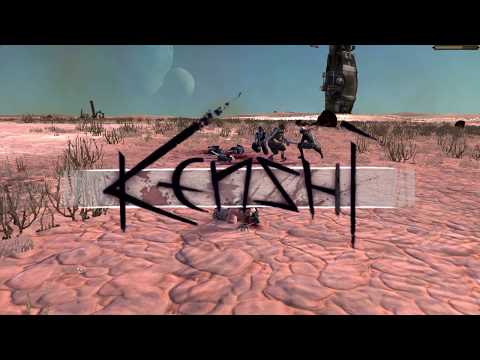
"Since its original launch in 2018, Kenshi has found its way into the hands of more than 3m players," the studio wrote. "In recognition of this milestone and the community that helped us achieve it, we wanted to take a moment and express our thanks. To the people who picked Kenshi up on a whim. To the modders, fan artists, storytellers… and content creators. To everyone who’s ever pointed a friend toward Kenshi, posted a screenshot, or clocked more hours than they’d care to admit. Thank you. We wouldn’t be here without you."
This statement reflects the studio’s humble origins and its continued focus on its core audience. The success of the original Kenshi has allowed Lo-Fi Games to expand its staff and move into a larger office in Bristol, ensuring the studio remains a key player in the UK’s thriving independent development scene.
Looking Forward: Kenshi 2 and the Studio’s Future
The commercial success of Kenshi has directly paved the way for the development of Kenshi 2. Announced in 2019, the sequel is being developed in the Unreal Engine, a significant technological leap from the original’s engine. Kenshi 2 is set to be a prequel, taking place 1,000 years before the events of the first game, during the height of the "Old Empire."
By moving to Unreal Engine, Lo-Fi Games aims to address many of the technical limitations and performance issues that plagued the first title while maintaining the core gameplay philosophy that made it a hit. The three million sales of the original provide a massive built-in audience for the sequel, making it one of the most anticipated upcoming titles in the PC RPG space.
The success of Kenshi serves as a case study for the "slow and steady" approach to game development. In an industry often criticized for its reliance on microtransactions, battle passes, and "live service" models, Kenshi stands as a testament to the enduring power of a one-time purchase, deep systems, and a developer who trusts their players to find their own way through a difficult world. As Lo-Fi Games moves forward with the sequel, the three million players of the original represent not just a sales figure, but a validated community that values substance over style and challenge over convenience.