
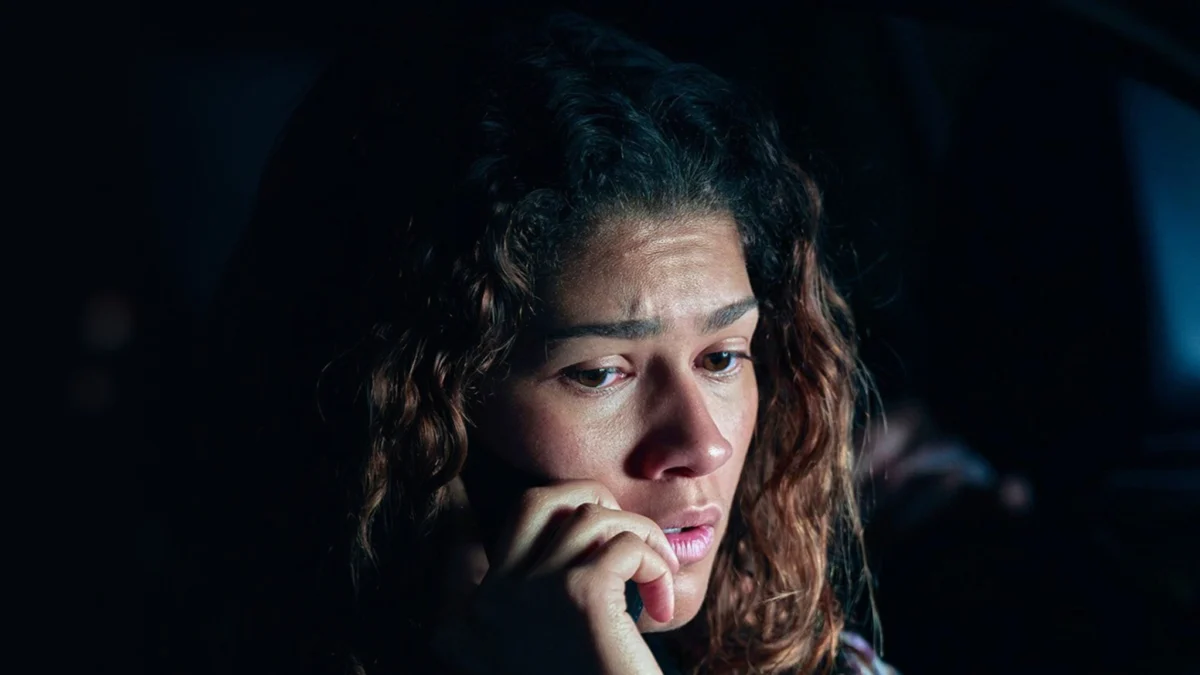
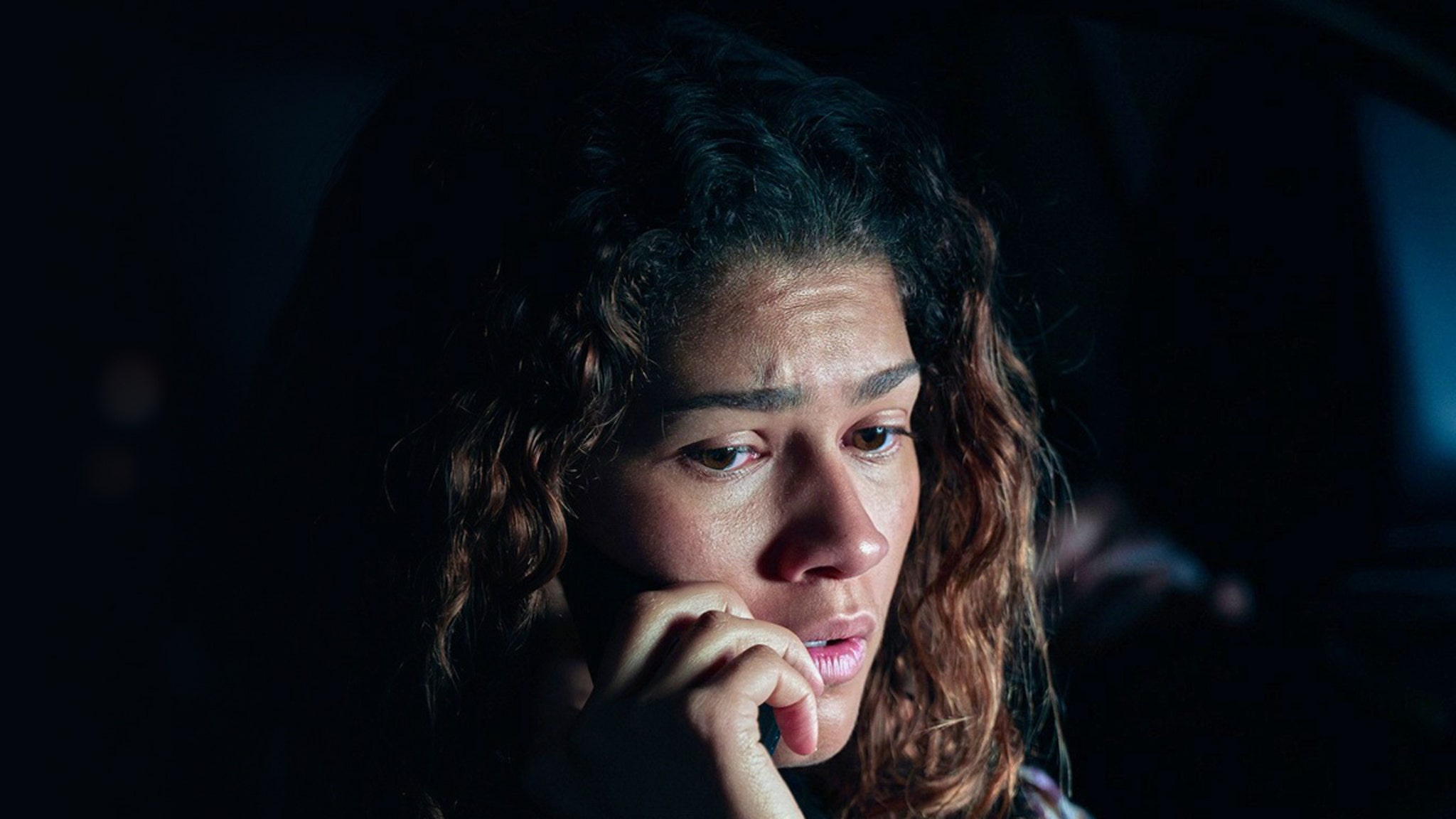
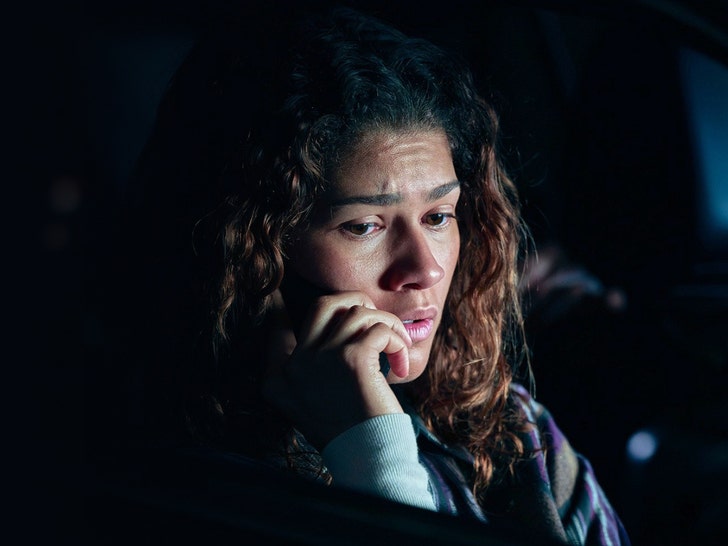
The climactic events of the finale depicted Rue ingesting Percocet pills that had been deliberately laced with fentanyl. These lethal narcotics were left for her by the ruthless crime lord Alamo Brown, who sought retribution after discovering Rue had been acting as a snitch. Brown, fully aware of Rue’s severe and chronic drug dependency, exploited her vulnerability, orchestrating her demise through what appeared to be a self-inflicted overdose, but was in fact a calculated act of murder. The scene unfolded with a grim realism that has become a hallmark of the series, refusing to shy away from the brutal consequences of drug abuse and the dangerous underworld it often entails.
The Haunting Farewell: Rue’s Final Dream
As Rue lay dying, the series offered a poignant and deeply emotional sequence: a dream vision where she reunited with Fezco, played by the late Angus Cloud. In this ethereal dreamscape, Rue and Fezco were depicted together in a tranquil field, a stark contrast to the gritty urban landscape that had defined much of their lives. The dream showed Fezco, having seemingly broken out of prison, finding peace alongside Rue. This moment resonated profoundly with the audience, not only for its narrative weight but also for its tragic real-world parallels. Angus Cloud, who portrayed the beloved drug dealer Fezco, tragically passed away in July 2023 from an accidental overdose involving fentanyl, cocaine, and methamphetamine, just one year after the second season of Euphoria had aired. The inclusion of this dream sequence, filmed posthumously using a combination of archival footage and subtle digital reconstruction, served as a powerful and heartbreaking tribute to Cloud, transforming Rue’s fictional death into a shared moment of grief and reflection for both the characters and the show’s dedicated fanbase.
The creative team behind Euphoria had previously acknowledged the profound impact of Cloud’s death on the production and narrative trajectory. Sources close to the production indicated that the decision to incorporate Fezco into Rue’s final moments was a deliberate choice to honor Cloud’s memory and to underscore the devastating reach of the opioid crisis, both within the fictional world of the series and in reality. The dream sequence, therefore, acted as a dual elegy: for Rue Bennett, the character, and for Angus Cloud, the actor, whose life was cut short by the very issues the show sought to dramatize.
Creator’s Rationale: "An Honest Ending"
Following the finale’s broadcast, Euphoria creator Sam Levinson addressed Rue’s death in a post-episode segment. Levinson defended the controversial decision, stating, "It felt like an honest ending because people like Rue don’t make it." His statement underscored the show’s unwavering commitment to depicting the unvarnished realities of severe drug addiction, even when those realities are bleak and devoid of conventional happy endings. Levinson has consistently emphasized that Euphoria aims to be a raw and authentic portrayal of contemporary youth struggles, and for many individuals grappling with profound addiction, a tragic outcome is a harsh, but unfortunately common, reality.
This justification aligns with the series’ long-standing thematic exploration of addiction as a relentless and often insurmountable force. Throughout its run, Euphoria has been both lauded and criticized for its graphic depiction of drug use, violence, and sexual content. However, proponents argue that its unflinching approach serves as a vital commentary on the dangers faced by young people today. Levinson’s remarks suggest a deliberate artistic choice to prioritize realism over a more palatable, redemptive arc for Rue, challenging viewers to confront the difficult truths about substance abuse.
Broader Context: The Opioid Crisis and Youth Addiction
The narrative choice to have Rue die from a fentanyl overdose is particularly resonant given the ongoing public health crisis. According to the Centers for Disease Control and Prevention (CDC), synthetic opioids, primarily fentanyl, are the primary driver of overdose deaths in the United States. In 2023, preliminary data indicated over 107,000 drug overdose deaths, with fentanyl implicated in a significant majority. Adolescents and young adults are increasingly vulnerable, often unknowingly consuming fentanyl-laced drugs. The deliberate lacing of Percocet, a commonly abused prescription opioid, with fentanyl in the Euphoria storyline mirrors real-world dangers, where illicit drug manufacturers often mix fentanyl with other substances to increase potency or reduce costs, with devastating consequences.
By portraying such a realistic and tragic outcome, Euphoria steps beyond mere entertainment to become a stark public service announcement. The show has, throughout its tenure, drawn praise from addiction specialists and public health advocates for sparking crucial conversations about mental health, trauma, and substance abuse among younger demographics. While some critics argued that the show glamorized drug use, many others contended that its gritty portrayal served as a cautionary tale, illustrating the devastating toll addiction takes on individuals and their families. Rue’s death, in this context, serves as the ultimate, undeniable testament to the series’ commitment to portraying the grim realities of the opioid epidemic.
A Season of Shockwaves: Beyond Rue’s Fate
Season 3 of Euphoria was characterized by a series of dramatic and often shocking narrative twists, leading up to the impactful finale. Just one week prior, the penultimate episode delivered another seismic event: the death of Jacob Elordi’s character, Nate Jacobs. Nate, a complex and often villainous figure, met a violent end, further signaling the season’s intent to dismantle established character arcs and challenge viewer expectations. Nate’s death, while less emotionally resonant than Rue’s for many viewers, nonetheless contributed to the season’s overall atmosphere of irreversible consequences and heightened stakes.
Furthermore, the season ignited considerable discussion with a controversial scene involving Sydney Sweeney’s character, Cassie Howard. The episode featured Cassie in a wildly explicit sex scene with Dylan Reid, played by Homer Gere, son of veteran actor Richard Gere. This scene, like many others throughout the series, pushed boundaries and generated significant debate regarding the show’s depiction of female sexuality and exploitation. The accumulation of these intense, often graphic, narrative choices throughout Season 3 reinforced Euphoria‘s reputation for audacious storytelling, setting the stage for Rue’s ultimate demise as the final, and perhaps most impactful, shock.
The Legacy of Euphoria and Its Cultural Impact
Since its debut in 2019, Euphoria quickly became a cultural phenomenon, lauded for its innovative visual style, compelling soundtrack, and raw exploration of adolescent life. It garnered widespread critical acclaim, earning multiple Emmy Awards, including two for Zendaya’s transformative performance as Rue Bennett, making her the youngest two-time Emmy winner for Outstanding Lead Actress in a Drama Series. The show’s influence extended beyond television, impacting fashion trends, music, and the broader conversation around youth mental health and identity.
Its unique aesthetic, characterized by vibrant cinematography, bold makeup, and distinct fashion choices, spawned countless imitations and tributes across social media platforms. Beyond the superficial, Euphoria sparked crucial dialogues about bullying, body image, identity, sexual assault, and the complexities of modern relationships. The series’ unflinching approach to these sensitive subjects resonated deeply with a generation of viewers who saw their own anxieties and experiences reflected on screen.
However, the show also faced criticism for its graphic content, with some arguing it was exploitative or glorified dangerous behaviors. Levinson and the cast consistently defended the show’s intentions, asserting that its depictions were meant to provoke thought and highlight the very real dangers faced by young people. Rue’s death, therefore, can be seen as the ultimate culmination of this artistic philosophy, providing a definitive statement on the severity of addiction and the show’s commitment to portraying harsh truths without compromise.
Industry Reactions and Fan Fallout
The announcement of Rue’s death and the confirmation of the series finale sent shockwaves across social media and the entertainment industry. Fans expressed a mix of heartbreak, understanding, and even anger at the tragic conclusion for a character they had followed for three seasons. Hashtags related to Euphoria, Rue, and Angus Cloud immediately trended worldwide, with millions sharing their reactions, tributes, and analyses of the finale’s implications.
Industry insiders and critics weighed in on the creative decision. Many praised Levinson for his bold storytelling and for refusing to offer a simplistic resolution to Rue’s addiction. Others questioned the finality, wondering if a more hopeful, albeit still challenging, ending might have served a broader purpose. Addiction advocacy groups, while acknowledging the devastation of Rue’s fate, also used the moment to reiterate the importance of real-world resources and support for individuals struggling with substance abuse. They emphasized that while Euphoria depicted a tragic outcome, recovery is possible, and resources are available for those seeking help.
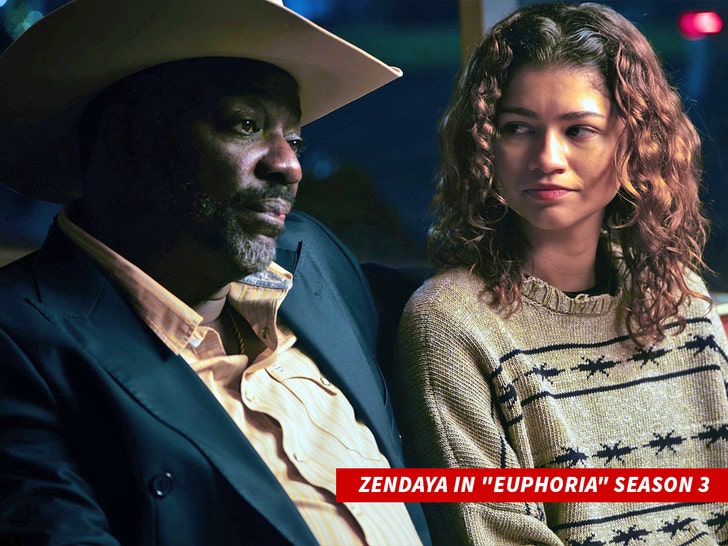
HBO, known for its prestige dramas, remained largely silent on the specific creative choices beyond Levinson’s statement, typically allowing its creators artistic freedom. However, the decision to conclude the series after three seasons, rather than continuing with a potentially less impactful storyline without its central protagonist, suggests a strategic alignment with Levinson’s vision for a definitive end to Rue’s journey.
The End of an Era: What Euphoria‘s Finale Means
The conclusion of Euphoria marks the end of an era for a show that redefined teen dramas and pushed the boundaries of television storytelling. Its legacy will undoubtedly be debated for years to come, but its impact on popular culture and its role in fostering difficult but necessary conversations about youth, mental health, and addiction are undeniable.
Zendaya’s portrayal of Rue Bennett will be remembered as one of the most compelling and nuanced performances in contemporary television, a raw and empathetic depiction of a young woman ravaged by addiction. Her final moments, shared in a bittersweet dream with the ghost of Fezco, solidify Euphoria‘s place as a series unafraid to confront the darkest corners of the human experience, even if it means leaving its audience with a profound sense of loss. The series finale, in its brutal honesty, serves as a powerful, albeit heartbreaking, testament to the show’s enduring message: that while euphoria can be found, the depths of addiction can often lead to irreversible despair.