
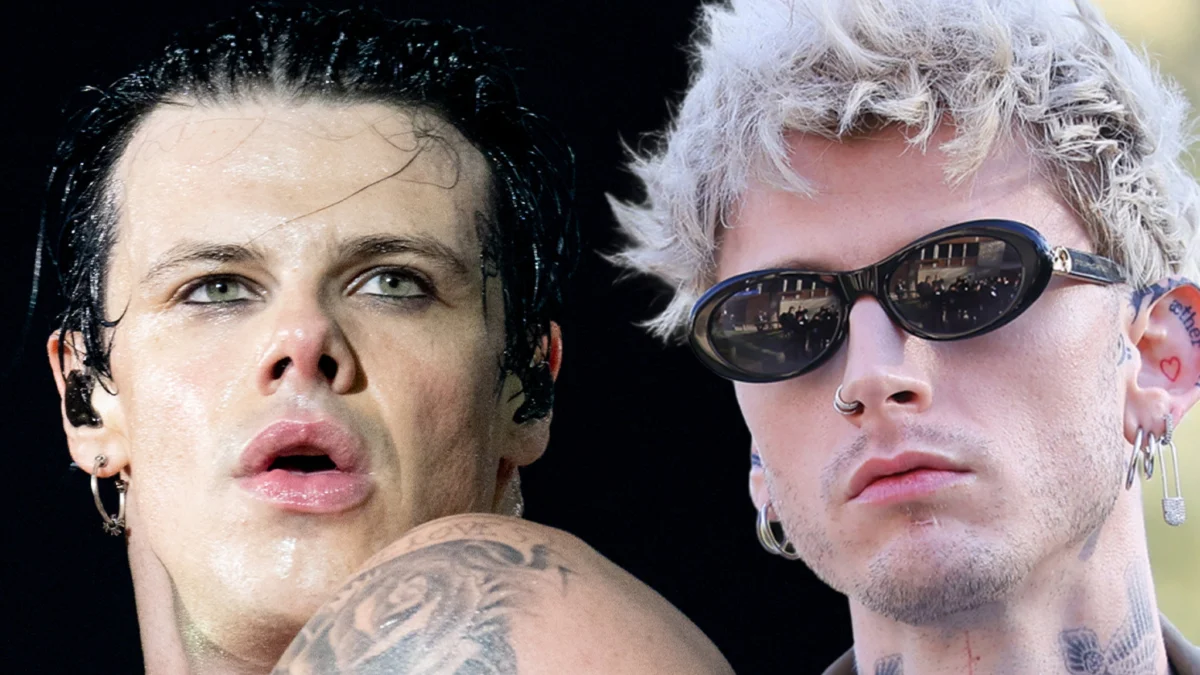
A public and acrimonious dispute has erupted between two prominent figures of the modern rock and pop-punk scene, YUNGBLUD (Dominic Harrison) and Machine Gun Kelly (Colson Baker), with YUNGBLUD’s team issuing a strong condemnation of comments made by MGK that allegedly weaponized Harrison’s mental health struggles. The controversy, which unfolded on social media, centers on allegations regarding tour cancellations and the broader accessibility of live music, escalating into a bitter war of words between former collaborators.
The Genesis of the Dispute: Advocacy for Accessible Live Music
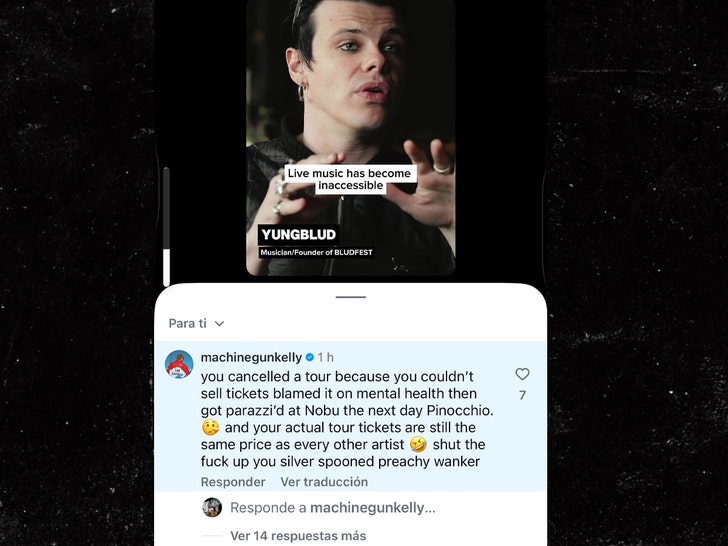
The roots of the current friction can be traced to YUNGBLUD’s recent advocacy for greater accessibility within the live music industry. Harrison, known for his outspoken nature and commitment to his fanbase, posted a video highlighting concerns that "live music has become inaccessible" for many fans due to soaring ticket prices and associated costs. This statement was part of a broader initiative, including projects like BLUDFEST, designed to foster more affordable and inclusive fan experiences. YUNGBLUD has consistently championed the idea of democratizing live entertainment, arguing that the communal experience of concerts should not be a luxury reserved for a select few but a fundamental aspect of youth culture and artistic connection. His efforts with BLUDFEST, envisioned as a festival offering lower ticket prices and a focus on community, underscore this commitment. This stance resonates with a growing segment of the music-loving public, who frequently voice frustrations over dynamic pricing, exorbitant service fees, and the perceived corporatization of concert-going.
Machine Gun Kelly’s Incendiary Response
The situation took a sharp turn when Machine Gun Kelly, an artist with whom YUNGBLUD previously shared a close professional and personal relationship, reportedly posted a scathing comment in response to YUNGBLUD’s video. Although the comment was swiftly deleted, it circulated widely across social media platforms, igniting the controversy. MGK’s alleged remark directly challenged YUNGBLUD’s integrity, accusing him of hypocrisy. He asserted that YUNGBLUD had canceled a past tour not due to the reasons publicly cited, but because he "couldn’t sell tickets," subsequently blaming "mental health struggles" as a convenient excuse. The comment further derided YUNGBLUD’s ticket prices for his own shows, suggesting a contradiction in his advocacy for affordability. The tirade culminated in a harsh personal insult, with MGK reportedly labeling Harrison a "silver spooned preachy wanker," implying a lack of genuine understanding of financial hardship and a self-righteous demeanor. This aggressive rebuttal from MGK quickly became a focal point of discussion, drawing significant attention to the underlying tensions between the two artists.
YUNGBLUD’s Official Counter-Statement and Defense
In the wake of Machine Gun Kelly’s incendiary comments, a representative for YUNGBLUD issued an official statement to TMZ, directly addressing the accusations and condemning the nature of MGK’s attack. The spokesperson unequivocally clarified YUNGBLUD’s original message, stating, "Dom’s message was about the growing reality that live music is becoming financially impossible for a lot of young fans. It was never directed at any individual artist." This clarification sought to re-center the discourse on the systemic issues within the live music industry rather than framing it as a personal critique of other artists.
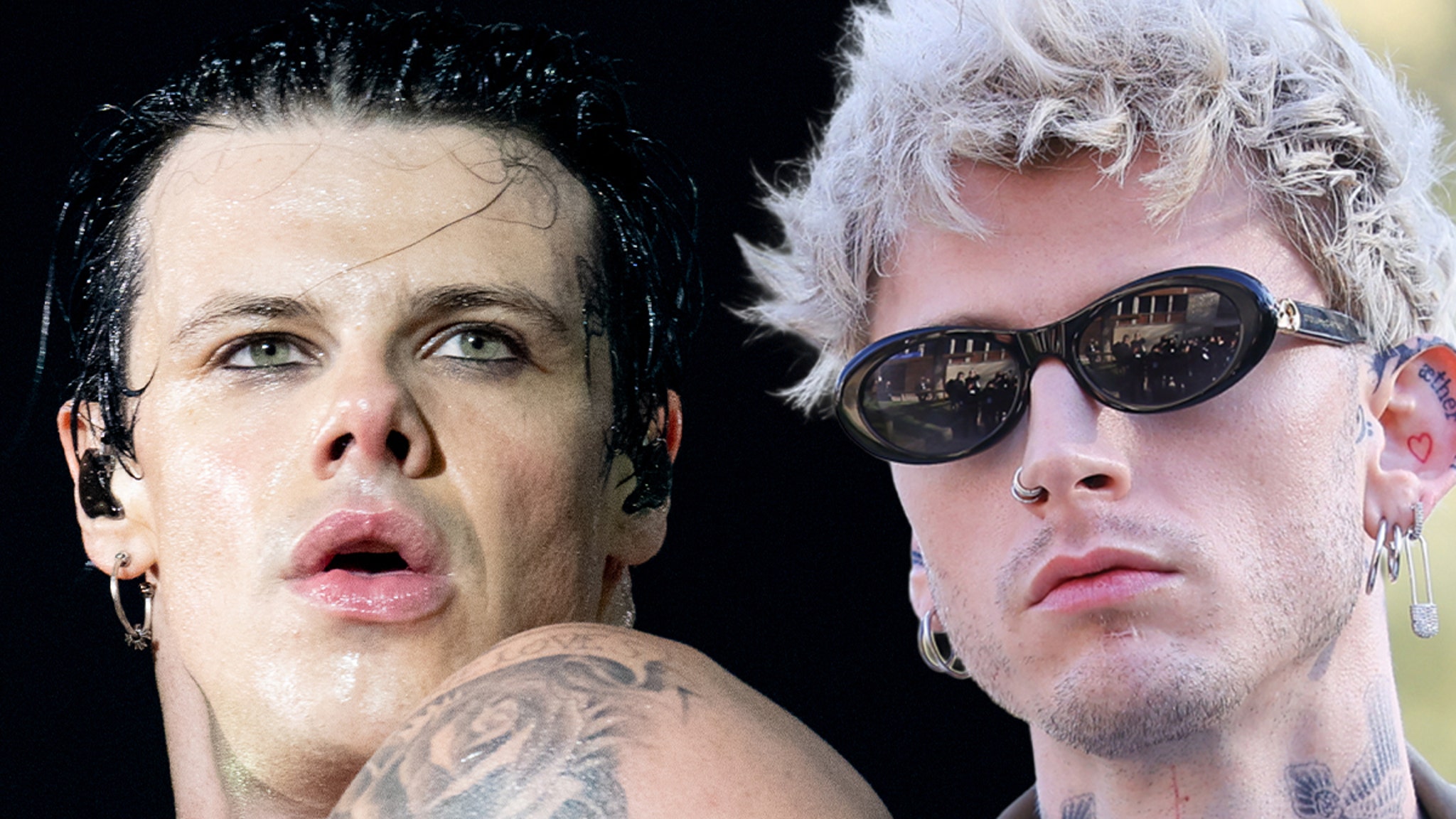
The representative then pivoted to the more serious accusation regarding mental health, expressing profound disappointment. "To weaponize somebody’s mental health in a public space like this is incredibly disappointing," the statement read. "Dom has always been honest about his struggles and has worked hard to encourage open conversations around mental wellbeing." This part of the response highlighted YUNGBLUD’s consistent efforts to be transparent about his personal challenges and his role as an advocate for mental health awareness. In an industry where mental health struggles are increasingly acknowledged but still often stigmatized, the act of using such issues as a rhetorical weapon is particularly egregious. YUNGBLUD has, on numerous occasions, spoken about his battles with anxiety, depression, and ADHD, using his platform to foster a supportive community for his fans who may be facing similar challenges. His openness has been a hallmark of his public persona, resonating deeply with a generation that values authenticity and destigmatization.
Furthermore, YUNGBLUD’s team firmly refuted MGK’s claims about the canceled tour, asserting that the suggestion of poor ticket sales as the sole reason was "simply false." The representative clarified, "There were multiple legitimate factors behind those decisions, both personal and logistical, and suggesting otherwise is simply false." While specific details were not disclosed, tour cancellations in the music industry can stem from a myriad of complex issues beyond mere ticket sales, including unforeseen logistical hurdles, production complications, scheduling conflicts, and indeed, personal health considerations that artists are increasingly prioritizing. To reduce such complex decisions to a single, disparaging factor, especially when it involves mental health, was presented as a profound misrepresentation.
The Shifting Sands of a Once-Strong Alliance
The public clash is particularly striking given the well-documented history of collaboration and camaraderie between YUNGBLUD and Machine Gun Kelly. For several years, they were considered practically inseparable, emblematic of the burgeoning pop-punk revival era that saw a resurgence of guitar-driven, angst-fueled music. Their artistic synergy was evident in several high-profile collaborations, most notably on MGK’s 2019 hit "I Think I’m OKAY" alongside Travis Barker, and later on YUNGBLUD’s "body bag." They frequently appeared together at events, in interviews, and on social media, often seen as part of a close-knit circle that included influential figures like Travis Barker, who played a significant role in producing and shaping the sound of this new wave of pop-punk.
Their collaborations were lauded by fans as bringing fresh energy to the genre, blending rap, rock, and punk sensibilities. This period was characterized by a shared aesthetic and a mutual artistic appreciation that seemed to solidify their bond. However, over the past few years, observant fans began to notice a significant decline in their public interactions. The once-constant social media exchanges and joint appearances became increasingly rare, leading to widespread speculation among their respective fanbases about a potential rift. This gradual cooling of their relationship, while never publicly addressed by either artist, now appears to have culminated in a full-blown and very public war of words, transforming a perceived friendship into a bitter rivalry. The shift from close allies to public adversaries highlights the volatile nature of celebrity relationships, particularly in an industry often fueled by competition and public scrutiny.
Broader Context: Mental Health in the Music Industry
This incident unfolds against a backdrop of increasing awareness and frank discussion surrounding mental health within the music industry. In recent years, numerous artists, including high-profile figures, have bravely shared their struggles with mental health conditions, ranging from anxiety and depression to burnout and addiction. This growing openness has been crucial in destigmatizing these issues, encouraging fans and fellow artists alike to seek help and engage in more compassionate dialogue. Organizations like MusiCares, a charity founded by the Recording Academy, have expanded their services to provide critical support for musicians dealing with mental health and addiction challenges, underscoring the pervasive nature of these issues in a high-pressure profession.
The weaponization of an artist’s mental health struggles, as alleged by YUNGBLUD’s team, represents a significant setback to these collective efforts. It not only undermines the trust and vulnerability required for honest mental health discourse but also sends a chilling message that such personal revelations can be exploited for public ridicule or strategic advantage in a dispute. This particular aspect of the feud has drawn widespread concern from mental health advocates and industry observers, who emphasize the importance of maintaining a supportive and understanding environment for those who choose to be transparent about their struggles. Public figures, by virtue of their platforms, have a unique responsibility in shaping public perception and contributing to constructive conversations around sensitive topics.
The Economics of Live Music and Fan Experience
YUNGBLUD’s initial comments about the inaccessibility of live music tap into a broader, ongoing debate within the entertainment industry. The post-pandemic era has seen a dramatic shift in concert economics, with many artists and promoters facing increased costs for touring, production, and security. These rising expenses are often passed on to consumers, leading to significantly higher ticket prices. Practices such as dynamic pricing, where ticket costs fluctuate based on demand, have become more common, often pricing out segments of the fanbase. The secondary market, rife with scalpers, further exacerbates the problem, pushing prices beyond the reach of average concert-goers.
YUNGBLUD’s BLUDFEST initiative, envisioned as an antidote to this trend, aims to create a festival experience that prioritizes affordability and community. This aligns with a growing movement among artists who are experimenting with alternative ticketing models and fan engagement strategies to ensure their music remains accessible. The tension between the commercial realities of touring and the desire to connect with fans at an affordable price point is a complex challenge that the industry continues to grapple with. MGK’s counter-argument, suggesting that YUNGBLUD’s own ticket prices or tour cancellations contradict his advocacy, underscores the intricate and often contradictory pressures artists face when balancing artistic ideals with financial viability.
Social Media as a Battleground
The entire dispute played out, as is increasingly common, on social media platforms, highlighting their role as both a primary communication channel for artists and a volatile battleground for public disagreements. MGK’s comment, though deleted, swiftly went viral, demonstrating the instantaneous and far-reaching nature of digital interactions. The ephemeral quality of a deleted post does little to erase its impact once it has been screenshotted and shared, proving that in the digital age, very little is truly removed from public record. This incident serves as another stark reminder of the permanence of online content and the magnified scrutiny celebrities face in an era of constant connectivity. Fans and media outlets alike dissect every interaction, comment, and perceived slight, turning private disagreements into public spectacles. The rapid dissemination of information, coupled with the often-unfiltered nature of social media communication, can quickly escalate tensions and shape public narratives around celebrity feuds.
Implications for Artist Image and Public Discourse
This high-profile spat carries significant implications for both YUNGBLUD and Machine Gun Kelly, as well as for the broader discourse on celebrity conduct and accountability. For YUNGBLUD, the incident has allowed his team to reiterate his commitment to mental health advocacy and accessible live music, potentially reinforcing his image as a socially conscious artist. His representative’s firm stance against the weaponization of mental health aligns with contemporary values of empathy and support.
For Machine Gun Kelly, the public reaction to his alleged comments has been mixed. While some fans might view his remarks as a raw, unfiltered expression, many others have criticized the perceived insensitivity of his statements, particularly concerning mental health. In an era where authenticity is valued, but so too is social responsibility, MGK’s approach risks alienating segments of his audience who prioritize compassionate discourse. The controversy may prompt both artists, and indeed others in the public eye, to consider the profound impact of their words, especially in the highly visible and often unforgiving landscape of social media.
Ultimately, the clash between YUNGBLUD and Machine Gun Kelly transcends a mere celebrity feud. It encapsulates several critical discussions facing the music industry today: the financial barriers to live music, the imperative of mental health awareness, and the complex dynamics of public communication in the digital age. As the dust settles, the ramifications of this public spat will likely continue to unfold, prompting reflection on the responsibilities of artists and the evolving nature of their relationships, both personal and professional, in the public sphere.