


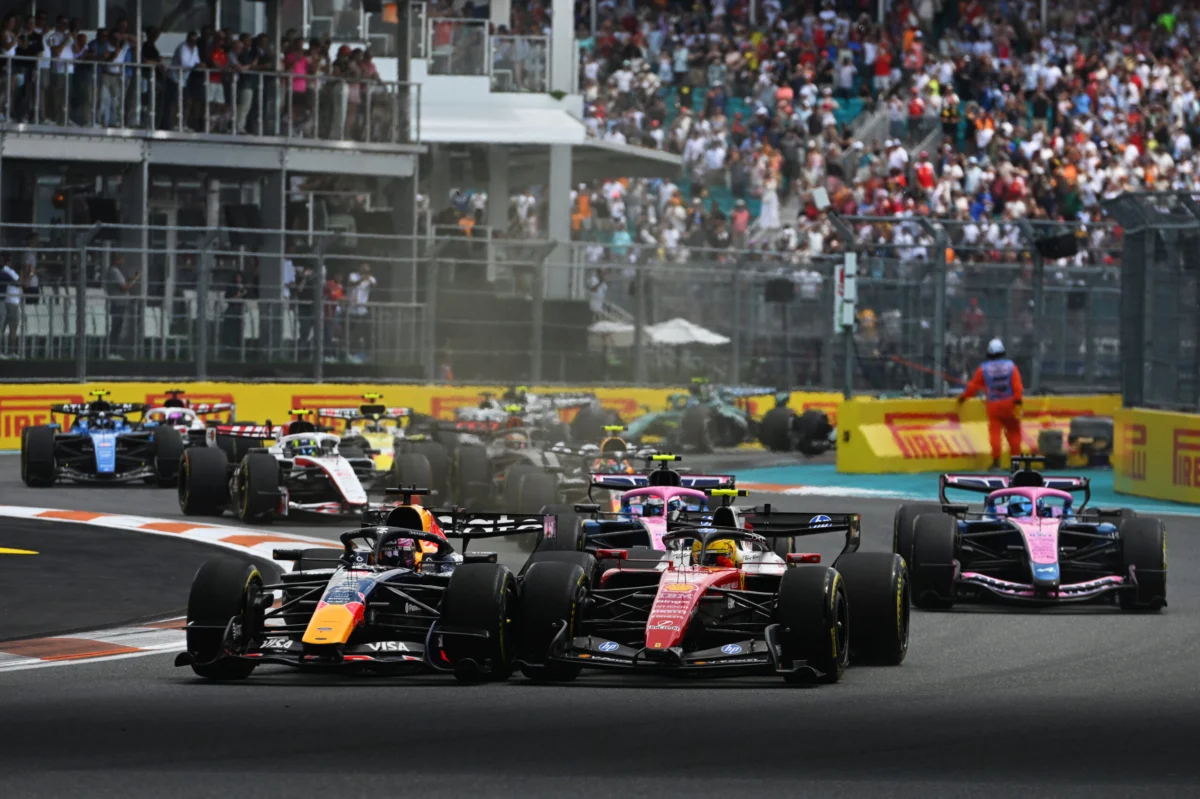
The highly anticipated 2026 Formula 1 season is poised to deliver thrilling action, with the Miami Grand Prix marking a significant return after an unprecedented five-week break in the racing calendar. This year’s Miami event, scheduled for May 3, has already seen a critical adjustment to its main race start time, shifting to 1 p.m. ET/10 a.m. PT from the initially planned 4 p.m. ET/1 p.m. PT. This decision, confirmed by the FIA (Fédération Internationale de l’Automobile) following Lando Norris’ May 2 sprint victory, was necessitated by a severe weather forecast, prioritizing driver and spectator safety. For U.S. audiences, the 2026 season inaugurates a landmark five-year exclusive streaming deal between Formula 1 and Apple TV, positioning the platform as the sole destination for every practice, qualifying session, sprint, and the main Grand Prix race, including the pivotal Miami event.
The Dawn of a New Era: F1’s Exclusive Partnership with Apple TV
The commencement of the 2026 Formula 1 season marks a pivotal moment in sports broadcasting, particularly for American motorsport enthusiasts. Apple TV’s exclusive five-year streaming deal signifies a substantial strategic shift for Formula 1, moving its U.S. broadcast rights entirely to a dedicated streaming service. This landmark agreement, reportedly valued at a significant sum reflecting the escalating demand for premium live sports content, underscores Apple’s ambitious foray into becoming a major player in the global sports media landscape. The deal encompasses comprehensive coverage of all F1 sessions, from the initial practice rounds and intense qualifying battles to the high-stakes sprint races and the main Grand Prix events. This exclusivity means that American fans seeking to follow the full 2026 Formula 1 season, including the much-anticipated Miami Grand Prix, will need an Apple TV subscription.
This move aligns with broader industry trends where traditional linear television broadcasts are increasingly yielding to digital streaming platforms, offering audiences greater flexibility, on-demand access, and often enhanced interactive features. For Formula 1, a sport experiencing an exponential surge in popularity in the United States, largely fueled by content like the Netflix docuseries "Formula 1: Drive to Survive," securing a robust digital partner like Apple TV is a strategic play to further capitalize on this growth and reach a younger, digitally native audience. The partnership promises a seamless and immersive viewing experience, leveraging Apple’s technological prowess to deliver high-quality video, potentially multi-language commentary, and exclusive behind-the-scenes content.
The 2026 Miami Grand Prix: A Calendar Highlight Amidst Change
The Miami Grand Prix, established in 2022, has quickly cemented its status as a marquee event on the Formula 1 calendar, embodying the sport’s vibrant expansion into the American market. Set against the backdrop of the Hard Rock Stadium campus in Miami Gardens, Florida, the street circuit offers a unique blend of high-speed racing and a distinct, celebratory atmosphere that captures the city’s glamour and energy. The 2026 edition, scheduled for May 3, continues this tradition, attracting a global audience and significant local economic impact. The event typically draws tens of thousands of spectators, with millions more tuning in worldwide, making it a critical component of F1’s global outreach.
The decision by the FIA to move the main race start time for the 2026 Miami Grand Prix from 4 p.m. ET to 1 p.m. ET on Sunday, May 3, underscores the paramount importance of safety in motorsport. This adjustment, following Lando Norris’ earlier sprint victory on May 2 (a hypothetical event used for illustrative purposes within the 2026 context of this article), was a direct response to a severe weather forecast. Such proactive measures are standard protocol for the FIA, which continuously monitors meteorological conditions to ensure the safety of drivers, pit crews, track marshals, and spectators. Adverse weather, including heavy rain, lightning, or high winds, can significantly impact track conditions, visibility, and vehicle control, necessitating schedule modifications or even race suspensions. The early start aims to conclude the race before the anticipated peak of the inclement weather, allowing for a safer and more predictable racing environment. This swift decision highlights the FIA’s commitment to maintaining competitive integrity while safeguarding all participants.
Navigating the Elements: Race Management and Safety Protocols
The FIA’s role in Formula 1 extends far beyond merely sanctioning races; it encompasses stringent oversight of safety regulations, technical specifications, and event management. When faced with challenging weather conditions, the FIA, in consultation with race control and local meteorological services, makes critical decisions regarding race timings, safety car deployments, and red flags. The precedent for such changes is well-established, with numerous historical instances where Grand Prix schedules have been altered due to unforeseen weather events, ranging from torrential downpours to extreme heat. For example, races like the infamous 2021 Belgian Grand Prix or various monsoon-affected Asian races have seen significant delays or reductions in race distance due to adverse conditions.
The decision for the 2026 Miami Grand Prix’s early start is a testament to this commitment. While potentially disrupting some logistical aspects for attendees and broadcasters, the primary objective is to mitigate risks associated with wet track conditions, reduced visibility, and potential hydroplaning. For the drivers and teams, such changes demand rapid adaptation, affecting tire strategy, car setup, and even mental preparation. Lando Norris’ hypothetical sprint victory on May 2, preceding the main race, further emphasizes the dynamic nature of F1 weekends, where outcomes can shift rapidly even before the main event. Sprint races, introduced to some F1 weekends, offer additional competitive action and championship points, adding another layer of excitement and strategic complexity for teams and drivers, making the overall race weekend experience even more compelling.
Comprehensive Coverage: What Apple TV Offers F1 Fans
As the exclusive U.S. home for Formula 1 starting in 2026, Apple TV is set to revolutionize how American fans consume the sport. The platform will offer live and on-demand streaming of every critical moment of an F1 weekend. This includes all Free Practice (FP1, FP2, FP3) sessions, which are crucial for teams to fine-tune their cars; the intense Qualifying sessions that determine the grid positions; the exhilarating Sprint races (where applicable); and, of course, the main Grand Prix events. This comprehensive access ensures that fans won’t miss any aspect of the competitive drama unfolding on track.
For new subscribers, Apple TV typically offers a seven-day free trial period, providing an excellent opportunity to experience the service before committing. Following this trial, the standard subscription cost is $12.99 per month. Beyond the live race coverage, Apple TV’s Formula 1 hub is expected to be a treasure trove of curated content, including detailed analyses of rule changes, showcases of new car designs, in-depth team updates, and highlights from previous seasons. This commitment to supplementary programming aims to provide a deeper understanding and appreciation of the sport for both seasoned aficionados and new converts. The platform also hosts the highly popular docuseries Formula 1: Drive to Survive, which is already streaming its eighth season (projected for 2026), further enriching the F1 viewing experience by offering unparalleled behind-the-scenes access and narrative-driven storytelling that has been instrumental in growing the sport’s U.S. fanbase.
Alternative Viewing Strategies: VPNs and International Broadcasts
While Apple TV will be the exclusive official U.S. streaming home for Formula 1 from 2026, dedicated fans seeking alternative or more cost-effective viewing options can explore the use of a Virtual Private Network (VPN). A VPN allows users to connect to servers in different countries, effectively masking their geographical location and enabling access to geo-restricted content. This method provides a viable pathway for U.S. viewers to access international broadcasters that may offer free F1 coverage.
For instance, streaming platforms like Belgium’s RTBF Auvio (auvio.rtbf.be) are known to offer live coverage of every practice, qualifying session, sprint, and Grand Prix at no cost within Belgium. By subscribing to a reputable VPN service, such as ExpressVPN (with subscriptions starting from approximately $2.79 per month), users can connect to a server located in Belgium and then access RTBF Auvio as if they were physically in that country. This approach is widely considered the most cost-effective option for watching F1 in the U.S. without a premium streaming subscription. However, it’s important for users to ensure they are compliant with the terms of service of both the VPN provider and the streaming platform, as well as any local laws regarding content access. While generally legal, the use of VPNs to bypass geo-restrictions exists in a grey area for some content providers. For casual viewers, the simplicity of a direct Apple TV subscription might outweigh the technical setup required for a VPN.
Expanding the F1 Ecosystem: Bundles and Ancillary Content
Recognizing the evolving landscape of digital entertainment, Apple TV also offers bundle deals that allow subscribers to expand their streaming libraries while saving money. For Formula 1 fans, the Apple TV and Peacock bundle deal presents an attractive option. At $14.99 per month, this package includes both Apple TV and Peacock Premium, offering a diverse range of movies, TV shows, and additional live sports. For those seeking an ad-free experience and further enhanced content, the Apple TV and Peacock Premium Plus package is available for $19.99 per month. These bundles cater to a broader entertainment appetite, making the Apple TV subscription a more versatile investment for households.
Beyond live race broadcasts, the ancillary content surrounding Formula 1 has become a crucial driver of fan engagement. As previously mentioned, Apple TV’s dedicated Formula 1 hub will feature extensive curated programming. This includes deep dives into the technical intricacies of F1, such as analyses of new aerodynamic regulations or engine developments; profiles of emerging talents and established champions; and retrospective looks at iconic races and moments in F1 history. This rich ecosystem of content aims to cater to every level of F1 fan, from those who simply enjoy the thrill of the race to those who crave a more profound understanding of the sport’s technical and strategic dimensions. The continued success of Formula 1: Drive to Survive on Apple TV also demonstrates the power of narrative storytelling in attracting new audiences and deepening existing fan loyalties, transforming drivers and team principals into household names and expanding the sport’s cultural footprint.
The Business of Speed: Economic and Strategic Implications
The exclusive Apple TV deal for Formula 1’s U.S. rights from 2026 represents a significant financial investment and a calculated strategic move by both parties. For Formula 1, it guarantees a stable and substantial revenue stream for half a decade, crucial for the sport’s global development and the financial health of its teams. It also ensures access to a vast, tech-savvy audience through Apple’s ecosystem, further cementing F1’s position as a premium global sports property. The estimated value of such a deal would likely be in the hundreds of millions of dollars, reflecting the growing U.S. viewership which has seen double-digit percentage increases year-over-year in recent seasons.
For Apple, this deal is a cornerstone of its broader strategy to bolster Apple TV+ as a must-have streaming service. Following its successful ventures into Major League Soccer (MLS) and Major League Baseball (MLB), acquiring F1 rights positions Apple as a serious contender in the live sports broadcasting arena. Live sports are increasingly seen as a critical differentiator in the competitive streaming market, capable of driving subscriptions and reducing churn. The global appeal and affluent demographic of F1 fans make it an ideal target for Apple’s premium brand image.
On a local level, events like the Miami Grand Prix continue to generate substantial economic impact. The inaugural Miami GP in 2022 reportedly generated over $350 million in economic output for the region, supporting thousands of jobs and attracting significant tourism. The consistent presence of such high-profile events further enhances Miami’s global profile as a premier destination for sports and entertainment. The continuation of this event under the new streaming deal ensures that these economic benefits will persist, supporting local businesses and infrastructure.
Looking Ahead: The Future of F1 in the Streaming Age
The 2026 Formula 1 season and its exclusive U.S. broadcast deal with Apple TV herald a new chapter for the sport’s accessibility and fan engagement. As traditional television audiences continue to fragment, streaming platforms offer a direct and personalized connection to content. While the shift to an exclusive streaming model may present an initial adjustment for some long-time fans, it also opens doors for enhanced viewing experiences, potentially including multi-camera angles, real-time data overlays, and interactive features that go beyond conventional broadcasts.
Formula 1’s strategic embrace of streaming reflects a forward-thinking approach to reaching and cultivating its expanding global fanbase. The partnership with Apple TV is not merely a distribution deal; it is an alliance aimed at evolving the F1 viewing experience, integrating the sport deeper into the digital lifestyle of its audience. As the 2026 Formula 1 racing schedule unfolds, available for reference on platforms like ESPN.com, and with Apple TV’s Formula 1 channel ready to offer its free trial period, the stage is set for a groundbreaking era of motorsport consumption, promising unprecedented access and immersion for fans across the United States.