


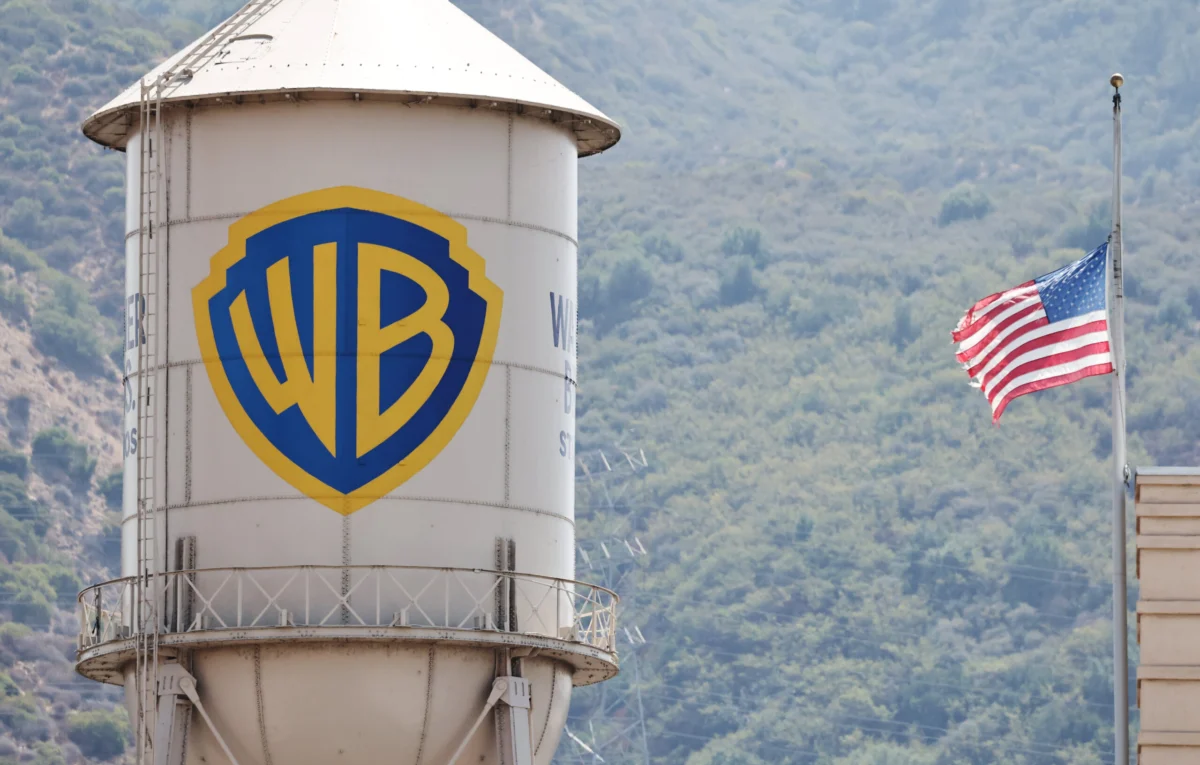
The Warner Bros. Discovery board of directors reached a definitive crossroads on Thursday, opting to accept a merger and acquisition proposal from Paramount Skydance over a rival bid from the streaming giant Netflix. While the decision is viewed by market analysts as a victory for shareholders seeking immediate financial premiums, the announcement has sent ripples of anxiety through the hallways of Warner Bros. Discovery (WBD). The move signals a massive consolidation within the traditional media landscape, potentially creating a powerhouse capable of rivaling Disney and Netflix, but it also raises urgent questions regarding job security, corporate culture, and the editorial independence of some of the world’s most storied media brands.
Financial Dynamics of the Rival Bids
The financial calculus behind the board’s decision centered on a superior valuation offered by the Paramount Skydance consortium. The winning bid, valued at approximately $31 per share, represents a significant premium over the $27.75 per share offer submitted by Netflix. For a company like WBD, which has struggled with a fluctuating stock price and a heavy debt load since the 2022 merger of WarnerMedia and Discovery, the immediate financial upside for investors was difficult for the board to ignore.
The total enterprise value of the deal is estimated at $111 billion. However, this figure includes a staggering $64 billion in debt that the combined entity will be forced to service. This particular detail has become a focal point of concern for both market observers and internal staff. In contrast, Netflix’s bid was viewed by many as a "cleaner" exit. With a market capitalization exceeding $400 billion, Netflix offered the stability of a cash-rich tech giant. Paramount Skydance, by comparison, has a market valuation of roughly $15 billion, leading some to question the long-term sustainability of the combined WBD-Paramount entity in a high-interest-rate environment.
Internal Turmoil and Employee Sentiment
While the board celebrated the financial terms of the deal, the reaction within the company’s offices in Burbank, New York, and Atlanta has been described as "deflated" and "terrified." CNBC spoke with 10 WBD employees across various divisions, all of whom requested anonymity to protect their professional standing. The consensus among these individuals was a deep-seated fear of the "synergies" that typically follow such mega-mergers.
"It’s fair to say people are deflated by the news," one long-term WBD executive noted. The primary source of this anxiety is the overlap between the two companies. Unlike the proposed Netflix deal, which would have seen Netflix leave much of WBD’s legacy infrastructure intact, a merger with Paramount presents significant redundancies. Paramount executives have already signaled an aggressive cost-cutting strategy, aiming to slash $6 billion by eliminating what Chief Strategy Officer Andy Gordon termed "duplicative operations." These cuts are expected to hit back-office functions, finance, legal, and technology departments particularly hard.
The Netflix Alternative: A Lost Path for Autonomy
The preference for a Netflix acquisition among WBD staff was rooted in the strategic differences between the two potential buyers. Netflix co-CEO Ted Sarandos had reportedly communicated a plan to allow WBD’s various divisions to operate with a high degree of autonomy. Under the Netflix proposal, WBD’s theatrical film business would have remained a separate entity, and HBO Max would have continued as an independent streaming service for the foreseeable future.
Most significantly for the employees of CNN, TNT Sports, and the legacy Discovery networks, Netflix did not intend to acquire WBD’s linear cable assets. This would have allowed those networks to spin off into a standalone, publicly traded company, theoretically insulating them from the "stream-first" restructuring that has dominated the industry. With the Paramount Skydance deal, those assets will instead be integrated into a massive traditional media conglomerate, leading to fears that the unique identities of these brands may be diluted or dismantled.
The Future of CNN and Editorial Independence
One of the most contentious aspects of the merger involves the future of CNN. The news organization, currently led by Mark Thompson, faces a potential leadership shift that has sparked internal alarm. Bari Weiss, the editor-in-chief of Free Press and a prominent figure at CBS News under the Skydance umbrella, is rumored to be a candidate for a broader role that could include oversight of CNN.
The Wall Street Journal previously reported that Paramount CEO David Ellison had promised President Donald Trump that he would implement sweeping changes at CNN if the acquisition were successful. This has led to rampant speculation regarding changes to the network’s tone and its roster of anchors. Three CNN employees expressed fear that the network’s editorial independence could be compromised to align with new corporate or political priorities.
In an attempt to stabilize the workforce, Mark Thompson issued a memo on Thursday urging staff not to jump to conclusions. "Despite all the speculation you’ve read during this process, I’d suggest that you don’t jump to conclusions about the future until we know more," Thompson wrote. Meanwhile, CNN media reporter Brian Stelter pointed out that CNN remains a highly profitable business, suggesting that any new owner would be "foolish" to jeopardize its financial viability through radical restructuring.

Integration Challenges in Entertainment and Sports
The merger also presents a complex puzzle in the entertainment and sports sectors. WBD employees have voiced concerns that the new organization will have "too many cooks in the kitchen," potentially stifling the creative freedom that has been the hallmark of HBO and Warner Bros. Pictures.
The leadership ranks of the combined company will feature several high-profile executives accustomed to holding the reins. Paramount’s President Jeff Shell, Direct-to-Consumer Chair Cindy Holland, and TV Chair George Cheeks all bring extensive experience—Shell as the former CEO of NBCUniversal and Holland as a long-time Netflix veteran. How these individuals will mesh with WBD’s existing leadership, including CEO David Zaslav, remains an open question that many fear will lead to protracted culture clashes.
In the sports arena, the integration of TNT Sports and CBS Sports offers a mix of opportunity and friction. TNT Sports, led by Luis Silberwasser, has successfully pivoted toward younger demographics through investments in Bleacher Report and House of Highlights. CBS Sports, conversely, has historically catered to an older, more traditional broadcast audience.
However, there is a glimmer of optimism in this department. WBD and CBS have a long history of collaboration, most notably in their joint production of the NCAA men’s basketball tournament, "March Madness." This existing relationship provides a foundation of familiarity that other divisions lack. Furthermore, after losing NBA rights in the previous season, the merger with CBS—which holds rights to the NFL and the Masters—positions WBD as a dominant force in sports once again, albeit as part of a larger corporate structure.
Regulatory Hurdles and the Path Ahead
Despite the board’s approval, the merger of Warner Bros. Discovery and Paramount Skydance is far from a certainty. The deal faces rigorous scrutiny from antitrust regulators in both the United States and Europe. California Attorney General Rob Bonta emphasized this reality, stating that the merger "is not a done deal."
Regulators are expected to examine whether the consolidation of two of the "Big Five" Hollywood studios unfairly limits competition in film production, television distribution, and the burgeoning streaming market. If the deal is blocked, WBD is protected by a $7 billion breakup fee, a point that CEO David Zaslav highlighted during a recent all-hands meeting.
"The deal may not close," Zaslav told employees, according to leaked audio. "If it doesn’t close, we get $7 billion, and we get back to work." Zaslav also acknowledged the "whiplash" employees have felt as the company’s future shifted from a potential Netflix partnership to a Paramount merger, expressing sympathy for the uncertainty currently permeating the organization.
Strategic Implications for the Media Industry
The WBD-Paramount Skydance merger represents a defensive consolidation in an industry under siege from tech-led disruption. As cord-cutting continues to erode the profitability of linear television, traditional media companies are racing to achieve the scale necessary to compete with the likes of Netflix, Amazon, and Apple.
By combining assets, WBD and Paramount hope to create a streaming ecosystem with enough content—ranging from HBO’s prestige dramas to CBS’s live sports and Paramount’s blockbuster franchises—to reduce churn and attract a global subscriber base. However, the success of this strategy depends entirely on the company’s ability to manage its massive debt while simultaneously funding the high costs of content production.
For the thousands of employees at Warner Bros. Discovery, the coming months will be defined by a "wait and see" approach as the regulatory process unfolds. While the board has made its choice in favor of the Paramount Skydance bid, the true cost of the merger—measured in human capital and corporate culture—has yet to be fully realized. As the media landscape continues to shift, the iconic studios in Burbank remain at the center of a storm that is reshaping the future of global entertainment.