The media landscape underwent a seismic shift on Thursday as shareholders of Warner Bros. Discovery (WBD) formally approved the company’s proposed merger with Paramount Skydance. The preliminary vote marks a definitive turning point in a high-stakes, multi-billion-dollar bidding war that has captivated Wall Street and Hollywood for months. By greenlighting the transaction, investors have signaled their support for a massive consolidation intended to create a "next-generation" media titan capable of rivaling tech-heavy incumbents like Netflix, Apple, and Amazon.
The deal, valued at $31 per share for the entirety of Warner Bros. Discovery, represents a significant premium over the company’s recent trading prices. The acquisition encompasses a vast portfolio of premium assets, including the historic Warner Bros. film and television studios, the HBO Max streaming platform, and a suite of influential cable networks including CNN, TNT, and Discovery Channel. This consolidation follows a period of intense volatility for WBD, which has spent the last two years navigating a heavy debt load and a rapidly evolving digital advertising market.
A Highly Competitive Bidding Process
The path to Thursday’s shareholder approval was far from linear. The sale process, which began in earnest in September, evolved into a public bidding war that tested the strategic resolve of several industry giants. While Paramount Skydance ultimately emerged as the victor, the road was marked by aggressive counter-offers and tactical withdrawals from some of the most powerful players in the entertainment sector.
Initially, the process saw significant interest from Comcast and Netflix. Netflix, in particular, sought to acquire WBD’s studio and streaming assets to bolster its content library and production capabilities. However, the competition intensified in late February when Paramount Skydance increased its offer to the $31-per-share mark. This move effectively priced out Netflix, which subsequently walked away from the negotiating table, citing a lack of strategic alignment at the elevated valuation.
The deal’s structure includes several "hell-or-high-water" provisions designed to ensure completion. Paramount has agreed to a $7 billion breakup fee if the merger fails to receive necessary regulatory approvals—a clear signal of confidence in the deal’s legality despite an increasingly hawkish antitrust environment in Washington. Furthermore, Paramount has assumed responsibility for the $2.8 billion breakup fee WBD owed to Netflix following the termination of their earlier, more limited discussions.
Financial Architecture and Strategic Rationale
The merger is being positioned by leadership as a necessary evolution in an era of "peak streaming." For Paramount Skydance, the acquisition of WBD provides a massive infusion of intellectual property. The combined entity will house legendary franchises ranging from DC Comics and Harry Potter to Star Trek and Mission: Impossible.
From a financial perspective, the $31-per-share offer was viewed favorably by institutional investors. Institutional Shareholder Services (ISS), the nation’s leading proxy advisory firm, had urged stockholders to support the deal. In its report, ISS noted that the transaction was the result of a "competitive sales process" and provided "liquidity and certainty of value" in an otherwise uncertain market for legacy media stocks.
The strategic rationale hinges on scale. As the costs of content production continue to soar and the traditional "linear" cable bundle continues to erode, media companies are finding that mid-sized operations are increasingly unsustainable. By merging, Paramount and WBD aim to streamline operations, eliminate redundant overhead, and leverage a combined subscriber base to increase the profitability of their streaming services.
The Executive Compensation Controversy
Despite the overwhelming support for the merger itself, the shareholder meeting was not without friction. A significant point of contention involved the proposed "golden parachute" payouts for WBD’s top brass, most notably CEO David Zaslav.
While the merger was approved, shareholders voted against the executive compensation packages in a non-binding but symbolic gesture of disapproval. The exit package for Zaslav is estimated to exceed $800 million, consisting of hundreds of millions in severance, stock awards, and a controversial "excise tax gross-up."
The tax gross-up, valued at approximately $335 million, is a mechanism where the company pays the taxes owed by the executive on their windfall, effectively ensuring the executive receives the full intended amount. This specific tax, known as the golden parachute excise tax, was originally established by Congress in the 1980s to discourage excessive payouts during corporate takeovers. The decision by WBD’s board to cover these taxes for Zaslav drew sharp criticism from governance watchdogs and institutional investors alike.
ISS had previously advised against the pay package, labeling the awards excessive and poorly aligned with long-term shareholder interests. Because the "say-on-pay" vote is non-binding, the payments are still expected to proceed, but the dissent highlights a growing rift between corporate boards and the investors they represent regarding executive accountability.
Statements from Leadership
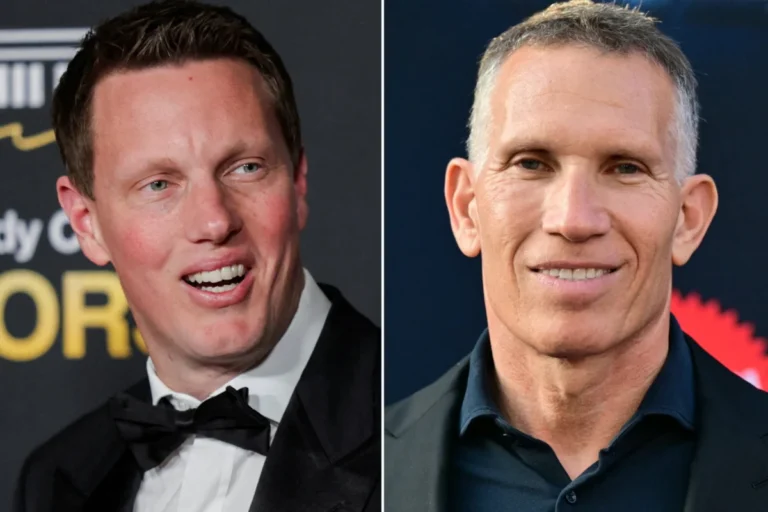
Following the vote, executives from both companies expressed optimism regarding the future of the combined enterprise. David Zaslav, who has led WBD through a period of aggressive cost-cutting and restructuring since the Discovery-WarnerMedia merger in 2022, framed the vote as a validation of the company’s trajectory.
"Over the past four years, our teams have transformed Warner Bros. Discovery and returned the company to industry leadership," Zaslav stated. "Today’s stockholder approval is another key milestone toward completing this historic transaction that will deliver exceptional value to our stockholders."
Paramount issued a parallel statement, emphasizing the technological and creative potential of the new firm. "We look forward to closing the transaction in the coming months and realizing the creation of a next-generation media and entertainment company that better serves both the creative community and consumers," the company noted. Paramount also highlighted its successful debt and equity syndication, which provides the necessary capital to finalize the acquisition.
Regulatory Scrutiny and the Path to Closing
While the shareholder vote is a critical hurdle, the deal is not yet finalized. The merger now moves into a rigorous regulatory review phase. Both companies have stated they expect the deal to close in the third quarter, but that timeline remains subject to the approval of the Department of Justice (DOJ) and the Federal Trade Commission (FTC).
The current regulatory climate, under the leadership of FTC Chair Lina Khan and DOJ Antitrust Chief Jonathan Kanter, has been characterized by increased skepticism toward large-scale mergers. Regulators are expected to closely examine the impact of the deal on the labor market for creative talent, as well as the potential for reduced competition in the streaming and advertising sectors.
The $7 billion breakup fee serves as a financial buffer for WBD shareholders, but it also underscores the risk involved. If regulators demand significant divestitures—such as the sale of CNN or specific cable networks—the ultimate value of the deal could be altered. However, proponents of the merger argue that the combination is pro-competitive, as it creates a stronger third-party challenger to the dominance of Netflix and Disney.
Broader Industry Implications
The WBD-Paramount Skydance merger is likely to trigger a new wave of consolidation across the media and telecommunications industries. With two of the "Big Five" studios now coming under one roof, pressure will mount on remaining players like Lionsgate, AMC Networks, and even larger entities like NBCUniversal to seek out strategic partnerships or acquisitions.
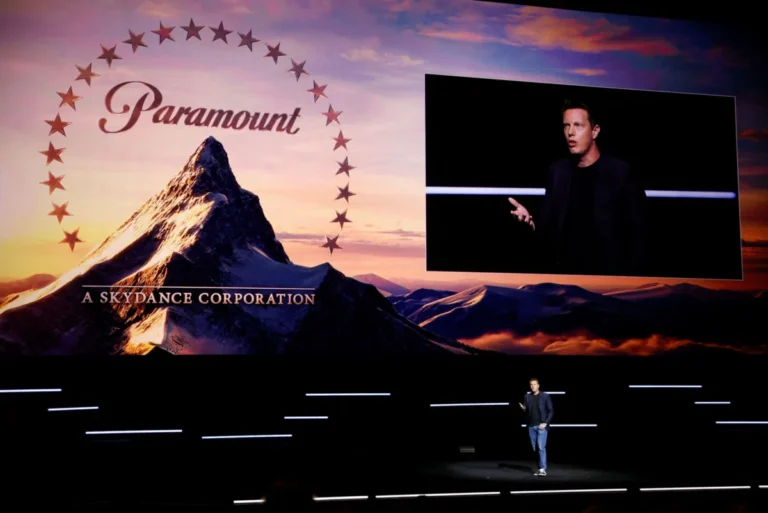
Furthermore, the deal marks the end of an era for the Redstone family’s control over Paramount and the beginning of a new chapter led by David Ellison’s Skydance. This transition reflects a broader shift in Hollywood power dynamics, where traditional media dynasties are giving way to tech-adjacent entrepreneurs and private equity-backed consolidators.
For consumers, the merger will likely lead to further changes in the streaming landscape. Industry analysts predict a consolidation of the Max and Paramount+ platforms into a single service, mirroring the recent integration of Disney+ and Hulu. While this may simplify the user experience, it also raises concerns about potential price hikes as the number of major competitors in the streaming space dwindles.
As the third quarter approaches, the industry will be watching closely to see if the "next-generation" company promised by Zaslav and Ellison can deliver on its lofty ambitions. For now, the shareholder vote stands as a monumental endorsement of a deal that will redefine the entertainment world for decades to come.