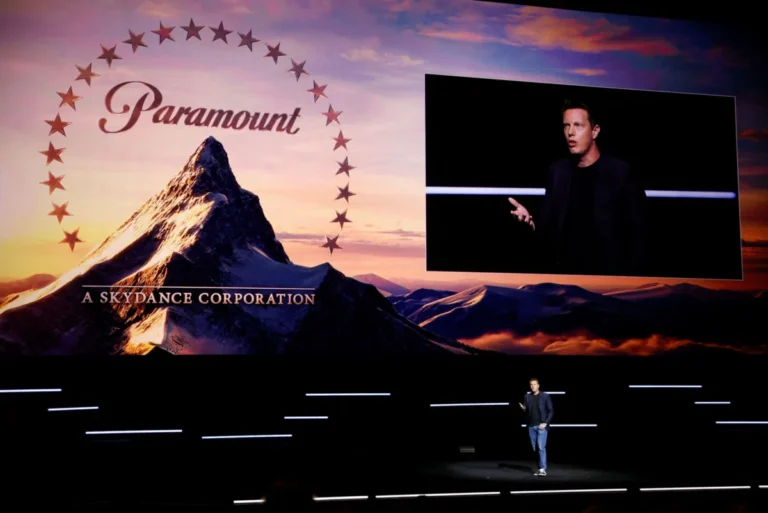
Shareholders of Warner Bros. Discovery (WBD) reached a historic turning point on Thursday, casting a preliminary vote to approve a massive merger with Paramount Skydance. The decision marks a penultimate step in a high-stakes corporate saga that has seen bidding wars, strategic retreats from industry giants, and intense scrutiny over executive compensation. The deal, valued at $31 per share for the entirety of Warner Bros. Discovery, positions the combined entity to become a dominant force in the global media landscape, integrating iconic assets ranging from the Warner Bros. film studio and HBO Max to Paramount’s extensive production capabilities.
The approval follows months of speculation and competitive maneuvering among the world’s largest media and technology firms. Under the terms of the agreement, Paramount Skydance will acquire WBD’s diverse portfolio, which includes its influential cable networks such as TNT, CNN, and the Discovery Channel, alongside its premier streaming services and historic movie studio. The $31 per share offer represents a significant premium over the company’s recent trading levels, a factor that ultimately secured the support of major institutional investors despite lingering concerns regarding the deal’s long-term integration challenges.
A Highly Competitive Bidding War
The path to Thursday’s vote was characterized by a volatile auction process that began in earnest in September. For months, Warner Bros. Discovery was the subject of intense interest from multiple suitors, most notably Netflix and Comcast. The competition highlighted the ongoing consolidation within the entertainment industry as legacy media companies and streaming pioneers alike seek the scale necessary to survive the decline of traditional linear television.
The bidding reached a fever pitch in early February when Paramount Skydance increased its offer to $31 per share. This aggressive move served as the "knockout blow" for Netflix, which had been aggressively pursuing WBD’s studio and streaming assets to bolster its own content library. Following the Paramount hike, Netflix officially withdrew its proposal, citing the prohibitive cost and the superior financial terms offered by the Paramount Skydance coalition.
To secure the deal, Paramount Skydance offered robust financial safeguards. These include a $7 billion breakup fee—a substantial sum intended to provide WBD shareholders with security should the merger fail to pass regulatory muster. Furthermore, Paramount Skydance agreed to assume the $2.8 billion breakup fee that WBD owed to Netflix following the termination of their previous preliminary discussions. These financial commitments underscored Paramount Skydance’s determination to bring WBD under its umbrella, even in the face of potential antitrust headwinds.
Shareholder Dissent Over Executive "Golden Parachutes"
While the merger itself received "overwhelming" support from the shareholder base, the vote was not without significant friction. A primary point of contention centered on the proposed executive compensation packages, specifically the "golden parachutes" designated for WBD CEO David Zaslav and other top-tier leadership.
According to the filings, Zaslav’s exit package is valued at more than $800 million, a figure that includes hundreds of millions in severance payments and stock awards triggered by the change in control. Institutional Shareholder Services (ISS), a leading proxy advisory firm, had previously urged shareholders to vote against these payouts. ISS highlighted a $500 million portion of the package consisting of stock awards and a $335 million "excise tax gross-up."
The excise tax gross-up refers to a controversial practice where a company pays the taxes owed by an executive on their golden parachute payments. This practice stems from Section 280G of the Internal Revenue Code, a rule established by Congress in the 1980s to discourage excessive executive payouts during corporate takeovers. However, by "grossing up" the payment, the company essentially shifts the tax burden from the executive to the shareholders.
Despite the majority of shareholders voting against the compensation plan, the vote is non-binding. Consequently, the payouts to Zaslav and his executive team are expected to proceed as planned. Critics argue that such payouts are disconnected from the company’s recent performance, while proponents suggest they are necessary contractual obligations to facilitate a smooth leadership transition during a multi-billion-dollar acquisition.
Strategic Vision and Leadership Responses
Following the vote, leadership from both organizations expressed optimism about the future of the combined company. In a statement released shortly after the preliminary results were announced, Paramount Skydance characterized the approval as a "milestone" in the creation of a "next-generation media and entertainment company."
"Shareholder approval marks another important milestone towards completing our acquisition of Warner Bros. Discovery, building on our successful equity and debt syndications and progress across regulatory approvals," the company stated. "We look forward to closing the transaction in the coming months and realizing the creation of a next-generation media and entertainment company that better serves both the creative community and consumers."
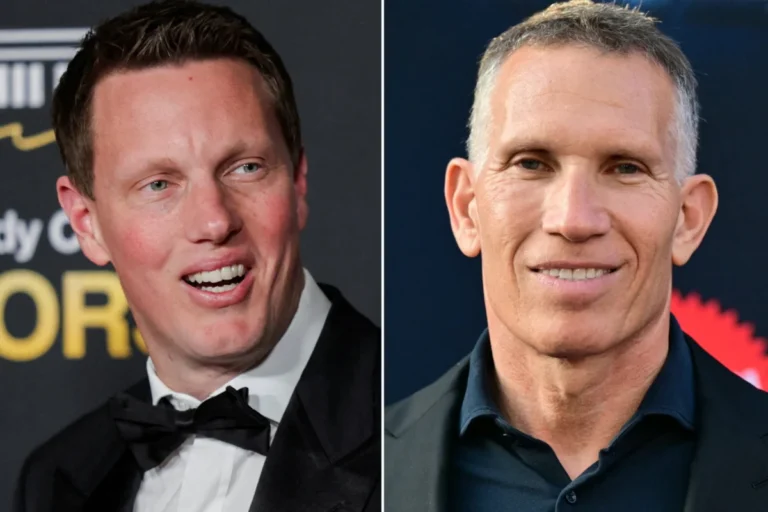
David Zaslav, who has led WBD through a period of aggressive cost-cutting and restructuring since the 2022 merger of Discovery and WarnerMedia, echoed this sentiment. He emphasized that the deal would deliver "exceptional value" to stockholders and solidify the company’s position as an industry leader.
"Over the past four years, our teams have transformed Warner Bros. Discovery and returned the company to industry leadership," Zaslav said. "Today’s stockholder approval is another key milestone toward completing this historic transaction that will deliver exceptional value to our stockholders. We will continue to work with Paramount to complete the remaining steps in this process."
Regulatory Hurdles and the Road to Closing
The merger is currently scheduled to close in the third quarter, but several significant hurdles remain. The most prominent of these is regulatory approval. The Department of Justice (DOJ) and the Federal Trade Commission (FTC) have signaled a more aggressive stance toward large-scale media consolidations in recent years, citing concerns over reduced competition and the impact on consumer pricing.
The $7 billion breakup fee included in the deal serves as a testament to the perceived regulatory risk. Analysts suggest that regulators will look closely at the concentration of sports broadcasting rights, the control of news media (particularly CNN), and the combined share of the streaming market held by HBO Max and Paramount’s existing services.
To mitigate these concerns, Paramount Skydance and WBD may be required to divest certain assets. There has been ongoing speculation regarding the future of WBD’s linear cable networks, which continue to generate significant cash flow but face long-term headwinds from cord-cutting. Some industry observers suggest that a spin-off of these legacy assets could be a condition for the merger’s approval.
Industry Implications: The Quest for Scale
The WBD-Paramount Skydance merger is the latest and perhaps most significant example of a broader trend: the "Scale or Fail" era of the streaming wars. As the cost of producing premium content continues to skyrocket, media companies are finding that they require massive subscriber bases and diverse revenue streams to achieve profitability in the digital space.
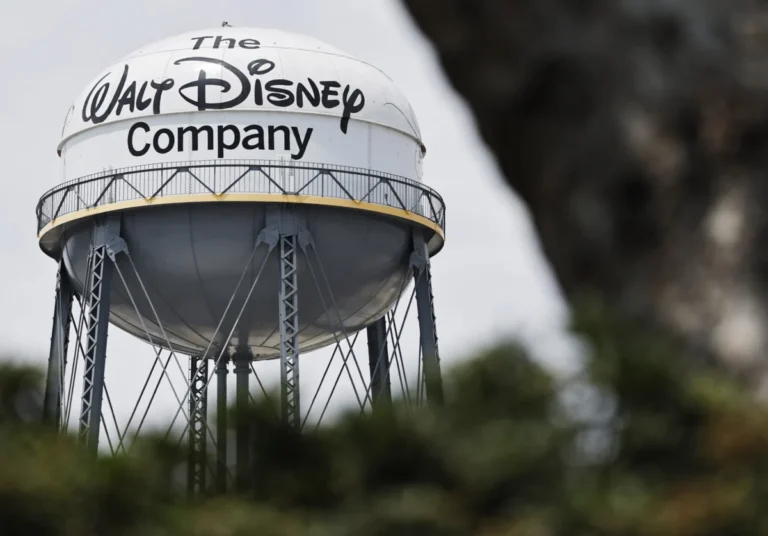
By combining WBD’s prestigious content library—which includes the DC Universe, the Harry Potter franchise, and HBO’s prestige dramas—with Paramount’s production engine and Skydance’s technological expertise, the new entity aims to compete more effectively with the likes of Disney, Netflix, and Amazon.
Furthermore, the deal represents a shift in strategy for Skydance, led by David Ellison. Traditionally a production partner for major studios, Skydance’s move to acquire a legacy titan like WBD signals an ambition to control the entire value chain, from creation to distribution.
Timeline of the WBD-Paramount Skydance Transaction
- September: Initial reports of interest from multiple parties, including Skydance and Comcast, begin to circulate.
- November: Netflix enters the fray with a focus on acquiring WBD’s film and television studios.
- January: Bidding intensifies; Paramount Skydance secures a $10 billion debt syndication to back a potential offer.
- February 26: Paramount Skydance raises its bid to $31 per share. Netflix officially walks away from the process, stating the valuation exceeds its strategic threshold.
- March 20: Institutional Shareholder Services (ISS) releases a report recommending the merger but advising against the executive "golden parachute" payouts.
- Thursday: WBD shareholders vote "overwhelmingly" to approve the merger. The executive compensation package is rejected in a non-binding vote.
- Q3 (Projected): The deal is expected to close, pending final regulatory sign-offs and customary closing conditions.
Conclusion
The approval of the Warner Bros. Discovery merger with Paramount Skydance marks the end of WBD’s tenure as a standalone entity and the beginning of a new chapter in media history. While the $800 million executive payout remains a point of public and shareholder frustration, the financial logic of the $31 per share deal proved too compelling for investors to ignore.
As the industry moves toward the projected third-quarter closing date, the focus will shift from the boardroom to the regulatory offices in Washington. The success of this "next-generation media company" will ultimately depend on its ability to integrate two massive corporate cultures while navigating an increasingly fragmented and competitive entertainment landscape. For now, the vote stands as a clear signal that in the modern media environment, consolidation is no longer just an option—it is viewed by many as a necessity for survival.