



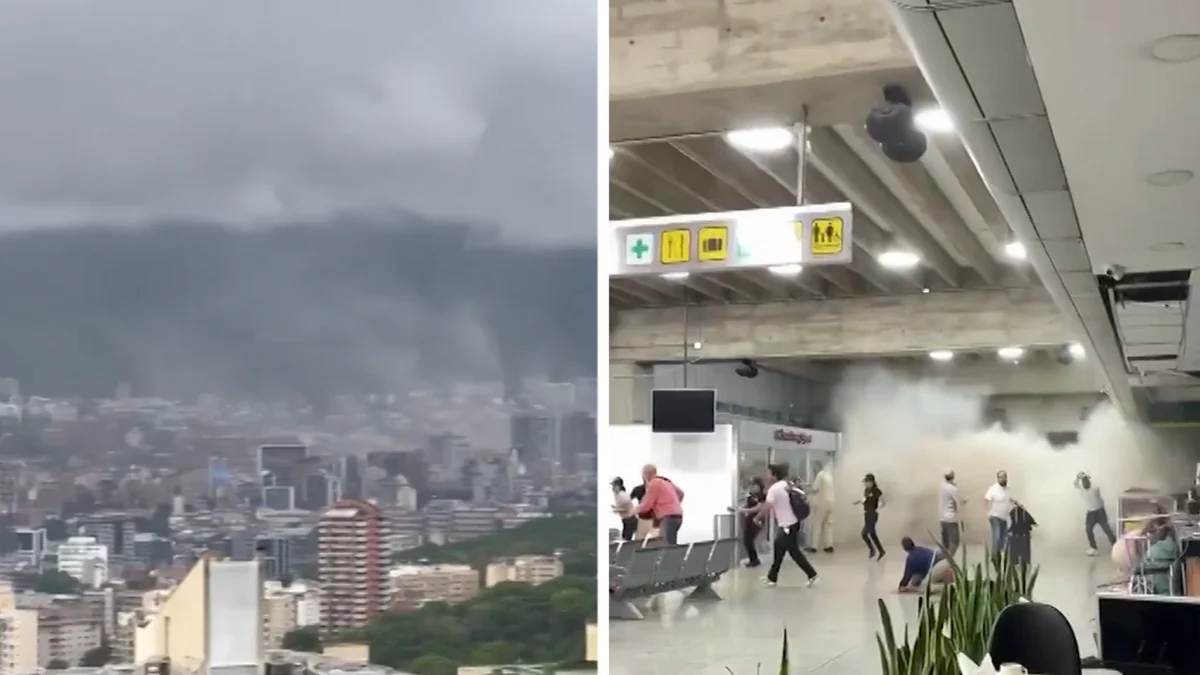
A catastrophic series of seismic events struck Venezuela on Wednesday, June 25, 2026, leaving at least 164 people dead and nearly a thousand injured. The nation was plunged into chaos as two powerful earthquakes, registering magnitudes of 7.2 and 7.5, ripped through the South American country within a minute of each other. Buildings across various regions sustained significant damage, power grids failed, and widespread panic gripped the populace, leading President Delcy Rodríguez to declare a national state of emergency as recovery efforts commenced under dire circumstances.
The initial tremor, a formidable 7.2 magnitude quake, was quickly followed by an even more devastating 7.5 magnitude event, according to monitoring agencies in the United States. This second, more powerful quake is being described as the worst to hit Venezuela in over a century, underscoring the severity and unprecedented nature of the disaster. The epicenters of both quakes were located perilously close to the city of San Felipe, a vibrant urban center with an estimated population of 220,000 residents, situated approximately 127 miles west of the capital, Caracas. The shallow depth of the tremors likely contributed to the extensive surface damage and intense shaking experienced across a wide area.
The Catastrophe Unfolds: A Nation Trembles
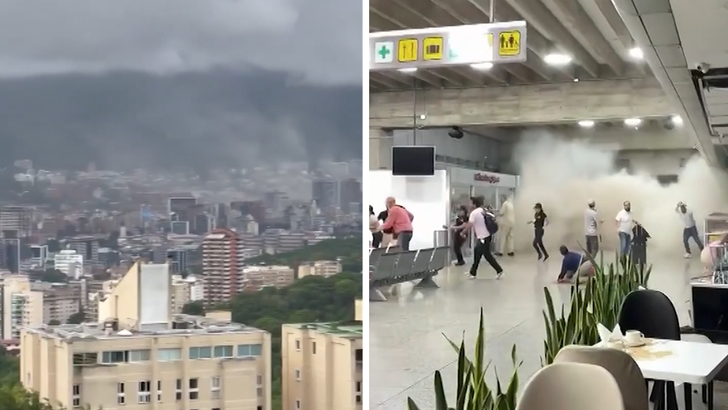
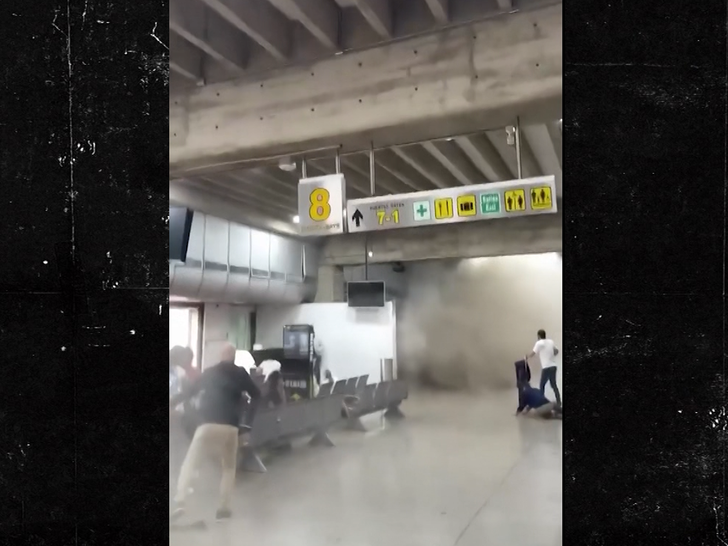
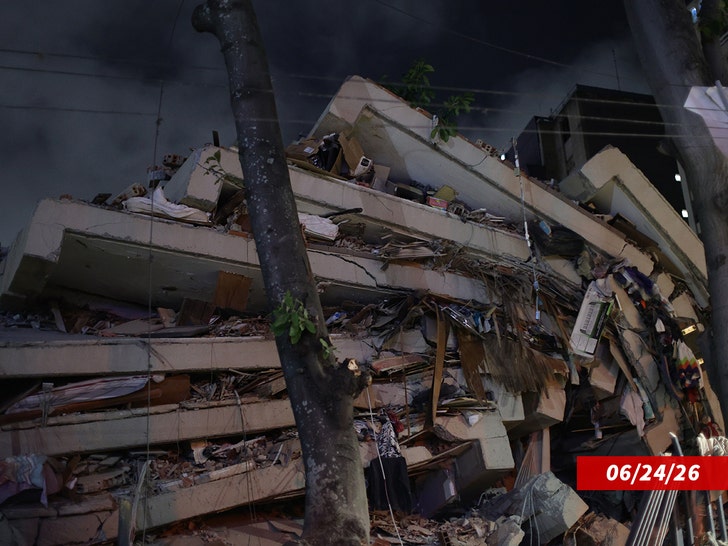
Harrowing footage and eyewitness accounts circulating online painted a grim picture of the immediate aftermath. Videos captured moments of sheer terror as high-rise buildings swayed violently, infrastructure crumbled, and terrified residents fled into the streets. The ground visibly buckled in some areas, creating fissures and triggering landslides in more mountainous regions. The sheer force of the 7.5 magnitude quake caused widespread structural failures, particularly in older buildings not constructed to modern seismic standards. Many homes and businesses were rendered uninhabitable, with entire facades collapsing and debris littering major thoroughfares.
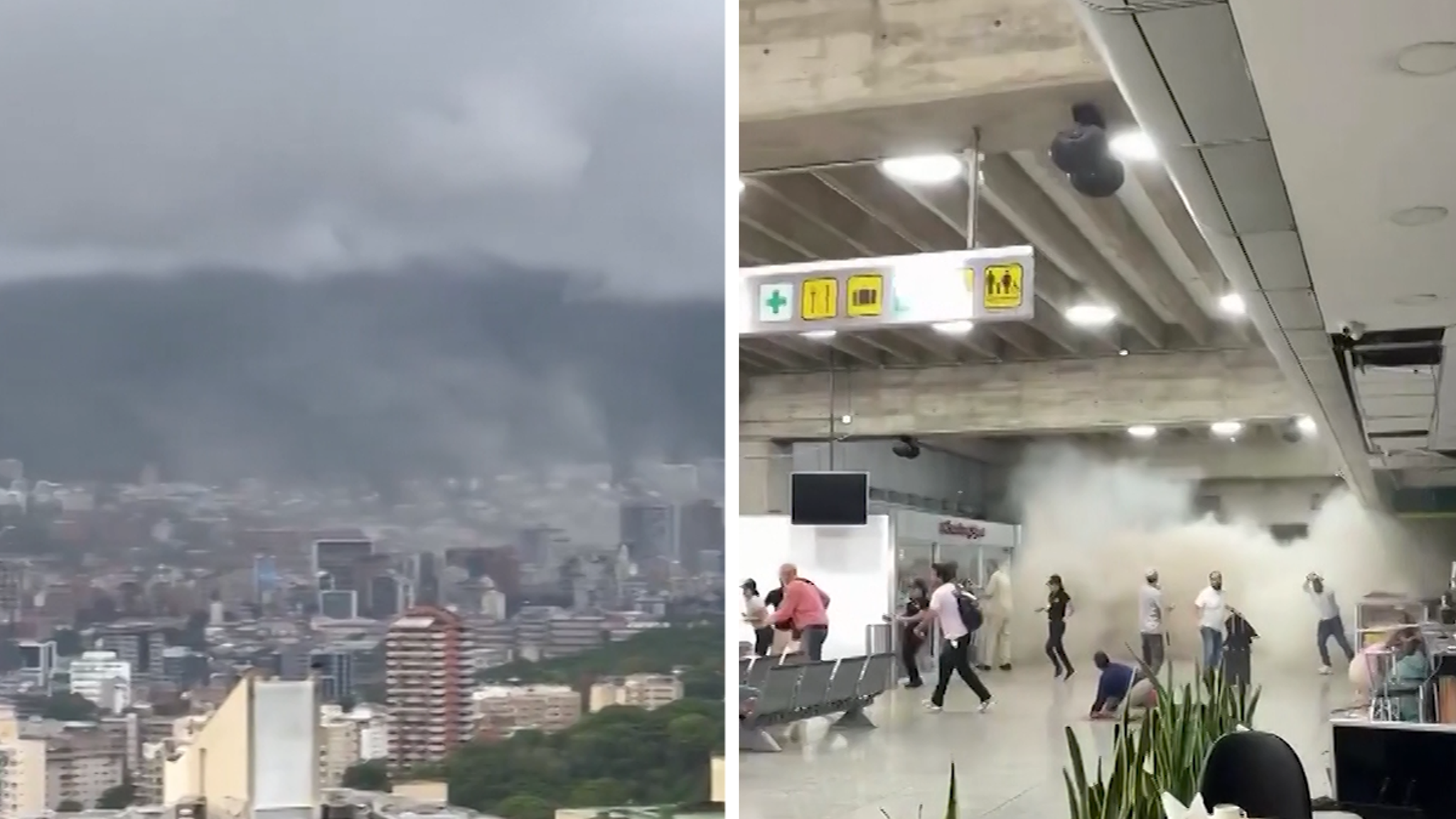
In the capital city of Caracas, a metropolis home to millions, the impact was profound. While further from the epicenter, the quakes’ intensity was sufficient to cause significant damage and disruption. Numerous buildings, including residential towers and commercial complexes, suffered partial or complete collapse. Residents described a terrifying experience, with the prolonged shaking forcing them to seek refuge outdoors, fearing further collapses. Pockets of the capital were plunged into darkness as power lines snapped and substations failed, exacerbating the sense of confusion and emergency. Essential public services were severely impacted; the city’s vital subway and train networks were immediately halted to prevent accidents and allow for safety inspections, further isolating communities and hindering emergency response efforts.
La Guaira: An Unfolding Tragedy
President Delcy Rodríguez, in her initial address to the nation, confirmed the staggering death and injury tolls. However, she gravely noted that these numbers did not yet fully encompass the devastation in La Guaira, a coastal state and port city located north of Caracas. Early reports from La Guaira indicated that it had borne the brunt of the seismic activity, with dozens of buildings completely destroyed or severely compromised. Access to some of the hardest-hit areas within La Guaira was initially challenging, impeding rapid assessment of casualties and damage. Rescue teams faced immense obstacles, including impassable roads, collapsed structures, and the risk of aftershocks, suggesting that the final death toll could tragically rise as more areas become accessible and search-and-rescue operations progress. The scale of destruction in La Guaira is expected to significantly increase the national casualty count, making the initial figures merely a preliminary snapshot of a much larger human tragedy.
Government Response and Mobilization
In the face of such widespread calamity, President Rodríguez moved swiftly to implement emergency measures. Following the declaration of a state of emergency, which grants authorities broader powers to coordinate relief efforts, she issued an immediate directive for all doctors and nurses to report to work, regardless of their scheduled shifts. This crucial call aimed to bolster medical facilities, many of which were overwhelmed by the influx of nearly a thousand injured individuals requiring urgent care for fractures, lacerations, crush injuries, and psychological trauma.
Furthermore, the government initiated efforts to provide immediate relief for those displaced by the destruction. Hotels and emergency shelters were rapidly designated to accommodate citizens whose homes had been leveled or rendered unsafe. Public appeals were made for citizens to report any missing persons to government authorities, centralizing efforts to reunite families and account for the disappeared. National guard units and civil defense forces were deployed to assist in search and rescue operations, clear debris, and maintain order in affected areas. International aid organizations and neighboring countries were also reportedly contacted, with appeals for humanitarian assistance, including medical supplies, temporary shelters, and specialized rescue equipment, anticipated or already underway.
Seismic Context and Historical Precedent
Venezuela’s vulnerability to earthquakes is rooted in its complex geological setting. The country lies at the convergence of the Caribbean Plate and the South American Plate, two major tectonic plates that are constantly in motion. This interaction creates significant seismic stress along fault lines, particularly the Boconó Fault system, which runs through much of western Venezuela. While smaller tremors are relatively common, events of the magnitude 7.2 and 7.5 are rare and profoundly destructive. The claim that this is the worst earthquake in over a century harkens back to the 1900 San Narciso earthquake or the 1967 Caracas earthquake, both of which caused extensive damage and fatalities, highlighting a historical pattern of seismic risk that Venezuela continues to confront. Understanding this geological context is critical for long-term urban planning and the implementation of stringent building codes.
The Moment Magnitude Scale (Mw), which superseded the Richter scale for large earthquakes, provides a more accurate measure of the total energy released. A jump from 7.2 to 7.5 represents a significant increase in energy, with each full point on the scale indicating approximately 32 times more energy released. The proximity of the epicenters to densely populated areas, combined with the intensity of the quakes, amplified the catastrophic impact, transforming geological forces into a human catastrophe.
Infrastructure Resilience and Vulnerabilities
The extent of structural damage observed in cities like San Felipe, La Guaira, and Caracas raises critical questions about the resilience of Venezuela’s infrastructure. While newer constructions in urban centers may adhere to more rigorous seismic building codes, many older buildings, particularly residential structures, were likely not designed to withstand such powerful tremors. Economic challenges and a lack of consistent enforcement of building regulations in certain regions may have contributed to the vulnerability of existing infrastructure. The collapse of multiple buildings, some reportedly multi-story, points to potential deficiencies in construction practices or materials. This event will undoubtedly prompt a re-evaluation of national building standards and urban planning strategies, especially in high-risk seismic zones.
Socio-Economic Implications and Long-Term Recovery
The earthquakes strike Venezuela at an already challenging period, compounding existing socio-economic difficulties. The immediate costs of search and rescue, medical care for the injured, and temporary housing are immense. In the longer term, the financial burden of reconstruction will be staggering. Thousands have been displaced, losing their homes, livelihoods, and possessions. The destruction of businesses and infrastructure will disrupt economic activity, impacting employment and income generation. The psychological toll on survivors, many of whom witnessed scenes of unimaginable horror, will be profound and long-lasting, requiring sustained mental health support.
The recovery and reconstruction efforts will require massive investment and coordinated action, both domestically and potentially with significant international aid. Restoring basic services, rebuilding homes, schools, and hospitals, and rehabilitating affected communities will be a multi-year endeavor, testing the nation’s resilience and resourcefulness.
Regional and International Reactions
News of the devastating earthquakes quickly reverberated across the globe. Neighboring countries, including Colombia, Brazil, and Ecuador, immediately expressed their condolences and began coordinating offers of humanitarian assistance, including specialized urban search and rescue teams (USAR), medical personnel, and emergency supplies. International organizations such as the United Nations Office for the Coordination of Humanitarian Affairs (OCHA) and the Organization of American States (OAS) also issued statements of solidarity, pledging support and activating emergency response mechanisms. The international community’s response will be crucial in supplementing Venezuela’s national capacity to manage a disaster of this scale.
Interestingly, Wednesday also saw two other notable seismic events globally, though with far less severe consequences. A 5.6 magnitude earthquake struck Northern California, leading to reports of minor injuries and localized power outages, but no widespread destruction. Simultaneously, a 6.9 magnitude quake occurred off the coast of Japan. Given Japan’s advanced seismic engineering and robust early warning systems, there were no reports of serious damage or injuries from this event, serving as a stark contrast to the unfolding tragedy in Venezuela and highlighting the critical role of preparedness and infrastructure resilience.
The Road Ahead: Challenges and Reconstruction
As the immediate shock begins to subside, Venezuela faces an arduous journey toward recovery. The immediate priorities remain search and rescue, providing medical care, and ensuring the safety and basic needs of the displaced. The meticulous work of identifying victims and supporting grieving families will be central to the initial phase. Beyond this, the nation must embark on a comprehensive reconstruction plan. This will involve not only rebuilding physical infrastructure but also addressing the socio-economic and psychological scars left by the catastrophe. International cooperation, sustained funding, and a commitment to implementing robust, earthquake-resistant building standards will be essential for Venezuela to emerge stronger from this profound natural disaster. The path to full recovery will be long and challenging, but the resilience of the Venezuelan people will be paramount in overcoming this immense tragedy.