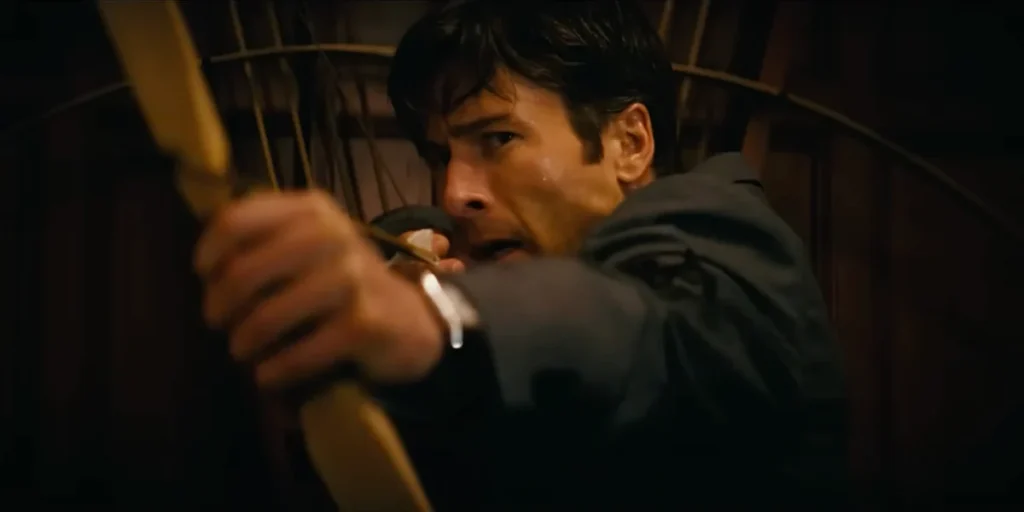




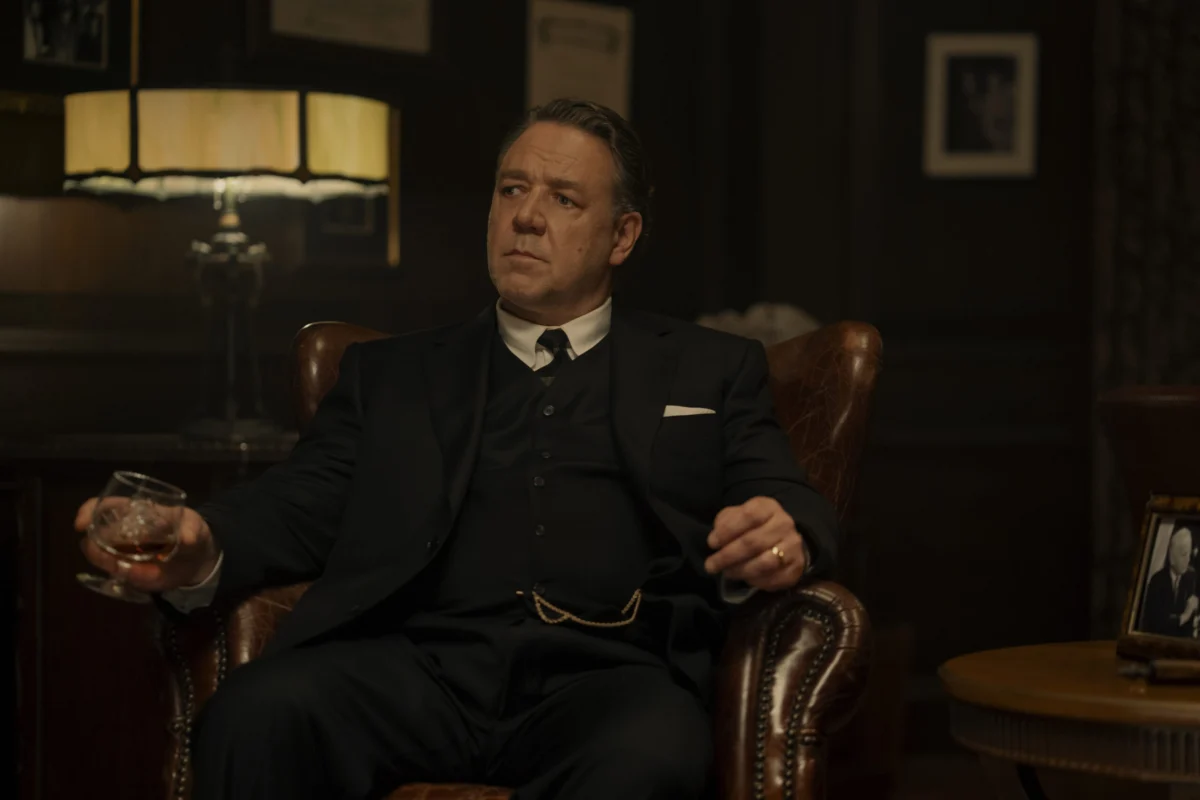
The upcoming Netflix production Unabomber marks a significant shift in the cinematic portrayal of one of the most notorious domestic terrorists in American history. Rather than focusing solely on the mail-bombing spree that terrorized the United States between 1978 and 1995, the film pivots to the formative years of Ted Kaczynski, specifically his time as a 16-year-old undergraduate at Harvard University. Screenwriters Sam Chalsen and Nelson Greaves have centered the narrative on the psychological exploitation of a young, intellectually gifted, yet socially isolated Kaczynski by Professor Henry Murray, a figure whose own life was marked by extreme contradictions.
The film, featuring Jacob Tremblay as Kaczynski and Russell Crowe as Murray, interrogates the intersection of academic prestige and psychological trauma. For Chalsen and Greaves, the project was not merely a biographical study but an investigation into the nature of power, compliance, and the long-term consequences of institutional abuse.
The Harvard Years: A Foundation of Isolation
Ted Kaczynski’s arrival at Harvard in 1958 was a product of his extraordinary academic acceleration. By the age of 16, he had skipped multiple grades, arriving in Cambridge as a social outlier. It was during this period that he became a subject in a series of psychological experiments conducted by Dr. Henry Murray, a high-ranking academic whose reputation as a pioneer in personality psychology masked a complex and often troubling personal life.
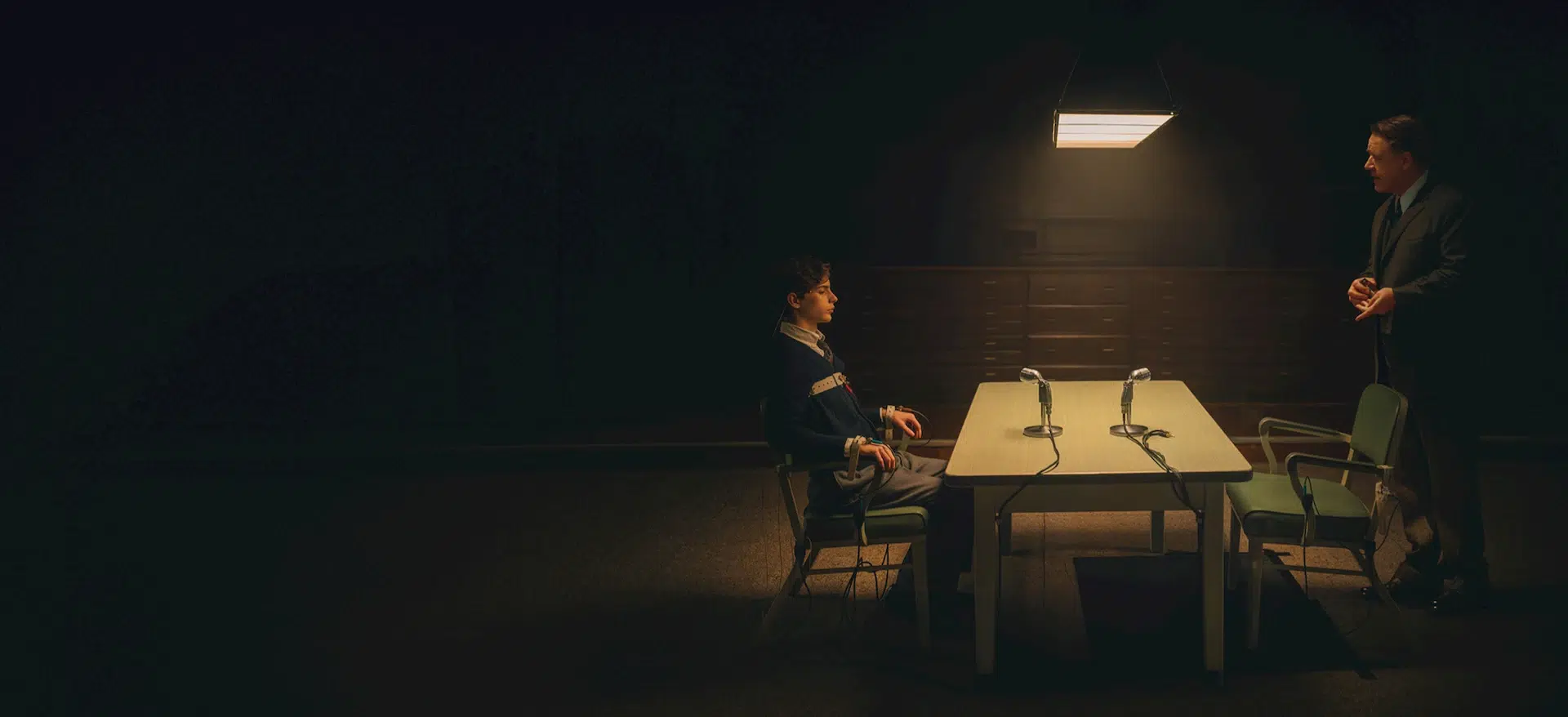
The experiments conducted by Murray and his team were designed to measure stress responses. Subjects were subjected to intense psychological pressure, including verbal abuse and the systematic dismantling of their core beliefs. For Kaczynski, these sessions—which occurred repeatedly over the course of his undergraduate career—involved being placed in a room with a spotlight and a camera, subjected to aggressive interrogation by individuals who were often his peers or law students masquerading as peers.
Chronology of the Murray Experiments
The involvement of Kaczynski in the Harvard psychological studies spanned from 1959 to 1962. During this three-year window, the methodology employed by Murray’s team was consistent:

- 1959: Initial recruitment of subjects, targeting intellectually gifted students. Kaczynski is identified as a prime candidate for long-term study.
- 1960–1961: The intensification of the "dyad" tests. Students are encouraged to write personal journals detailing their secrets, fantasies, and insecurities. Unbeknownst to the subjects, these documents are utilized by their interrogators to provoke emotional distress.
- 1962: Kaczynski graduates from Harvard, marking the end of his participation in the studies. The data collected remains largely shielded by Harvard’s administrative privacy policies, fueling decades of speculation regarding the impact of these sessions on his radicalization.
The Duality of Dr. Henry Murray
While history remembers Henry Murray as a distinguished scholar—the architect of the Thematic Apperception Test (TAT) and a pivotal figure in the Office of Strategic Services (OSS) during World War II—his private life told a different story. Research by Chalsen and Greaves revealed that Murray’s domestic life was defined by a long-term, clandestine, and often sadomasochistic relationship with Christiana Morgan.
This relationship, which involved distinct power dynamics and role-playing, arguably mirrored the psychological structures Murray imposed upon his students. The screenwriters noted that the "dyad"—a psychological term for a pair of individuals in a communicative relationship—was a recurring theme in both Murray’s academic work and his personal life. By positioning Murray as a man obsessed with dominance and ego, the film explores the theory that the professor sought to recreate his own internal power dynamics within the laboratory setting.
Data and Methodology: Truth Versus Dramatization
The production team behind Unabomber faced the challenge of working with limited primary source material, as Harvard has never fully unsealed the records of the experiments. However, the screenwriters relied on publicly available reports from the era and descriptions provided by other participants in the study.
Evidence suggests that the interrogations were indeed as aggressive as the film portrays. Subjects were routinely subjected to heat lamps, intense questioning, and the betrayal of their private journals. In many instances, the journals intended for the eyes of a "caring" doctor were instead passed to the interrogator, who would then use the sensitive information to humiliate the student during the test. According to Chalsen, the film exercises minimal dramatic license; the reality of the experiments was, in several documented instances, more invasive than what could be depicted on screen.
The Parallel of Egos
A central analytical theme of the film is the striking symmetry between the professor and his subject. Both men were driven by an overwhelming need for recognition. Murray sought academic immortality and prestige through his experiments, while Kaczynski, decades later, would seek validation for his anti-technology ideology through the publication of his manifesto.
This parallel serves as a cautionary tale regarding the misuse of intellectual authority. The film does not attempt to excuse Kaczynski’s later actions as a domestic terrorist. Instead, it posits that the institutional environment at Harvard—a pressure cooker of ego and competition—served as a catalyst for a young man who was already struggling with his place in society. The film implies that while Kaczynski’s path to violence was the result of a multitude of factors, the exploitation he faced at Harvard was a critical, unchecked variable.
Implications and Institutional Secrecy
The silence of Harvard University regarding these experiments remains a point of contention. Scholars and historians have long called for the transparency of these records, arguing that the psychological impact of such studies on the student body is a matter of public interest. The refusal to release the documents is frequently cited by critics as an example of academic institutions protecting their reputation at the expense of historical truth.
For the production team, the lack of transparency was a narrative hurdle, but it also underscored the film’s central point: the arrogance of power. By creating a fictionalized, yet factually grounded, account of these events, the film forces a dialogue about the ethics of psychological research in the mid-20th century.
Conclusion: A Legacy of Complexity
As Unabomber prepares for its debut, the discussions surrounding the film are already moving beyond mere entertainment. By humanizing the environment in which Kaczynski was molded, the film invites viewers to consider how institutional dynamics can influence individual trajectories. Whether or not Murray’s experiments were the primary cause of Kaczynski’s radicalization remains an open question—one that the film wisely leaves for the audience to evaluate.
The story of Ted Kaczynski and Henry Murray is ultimately a reminder that even the most extreme figures in history do not emerge in a vacuum. They are the products of their circumstances, their environments, and the individuals who hold sway over their formative years. In examining this dark chapter of American academic history, Unabomber serves as both a historical inquiry and a chilling psychological thriller, shedding light on a relationship that remains, in many ways, one of the most significant and under-examined power dynamics of the 20th century.