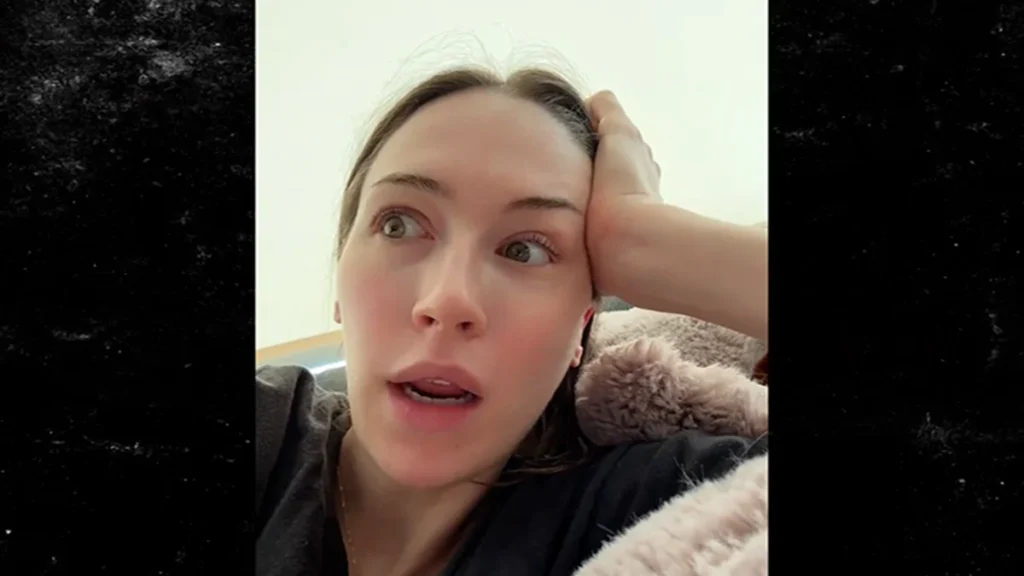


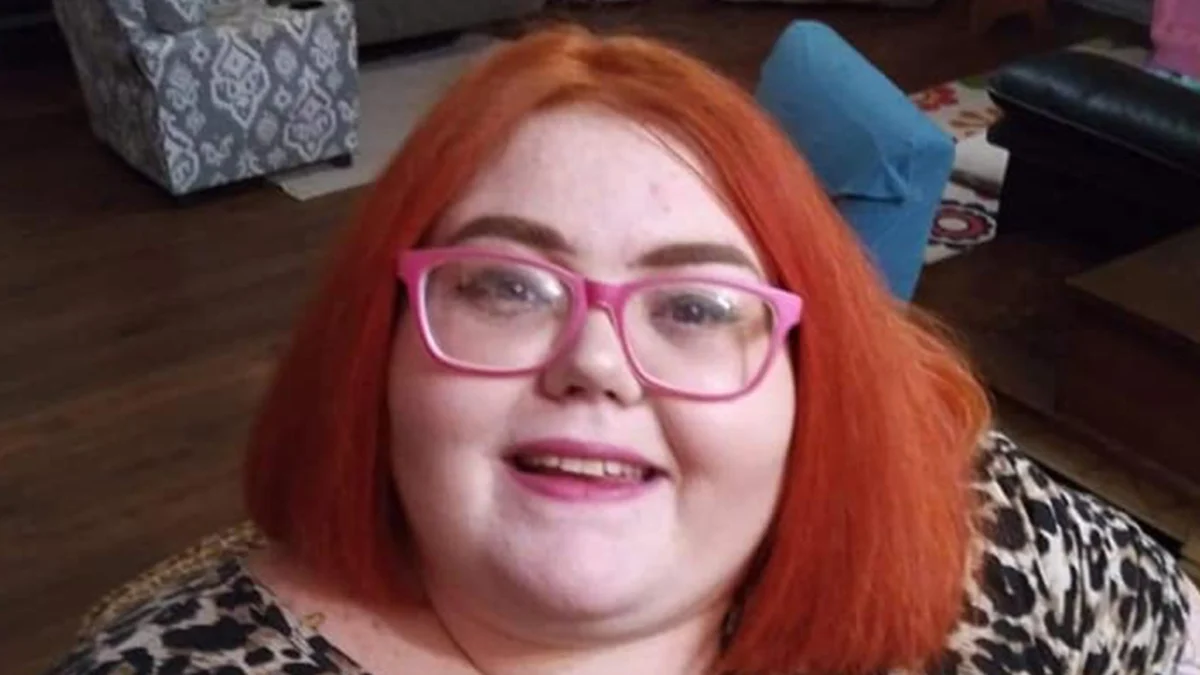
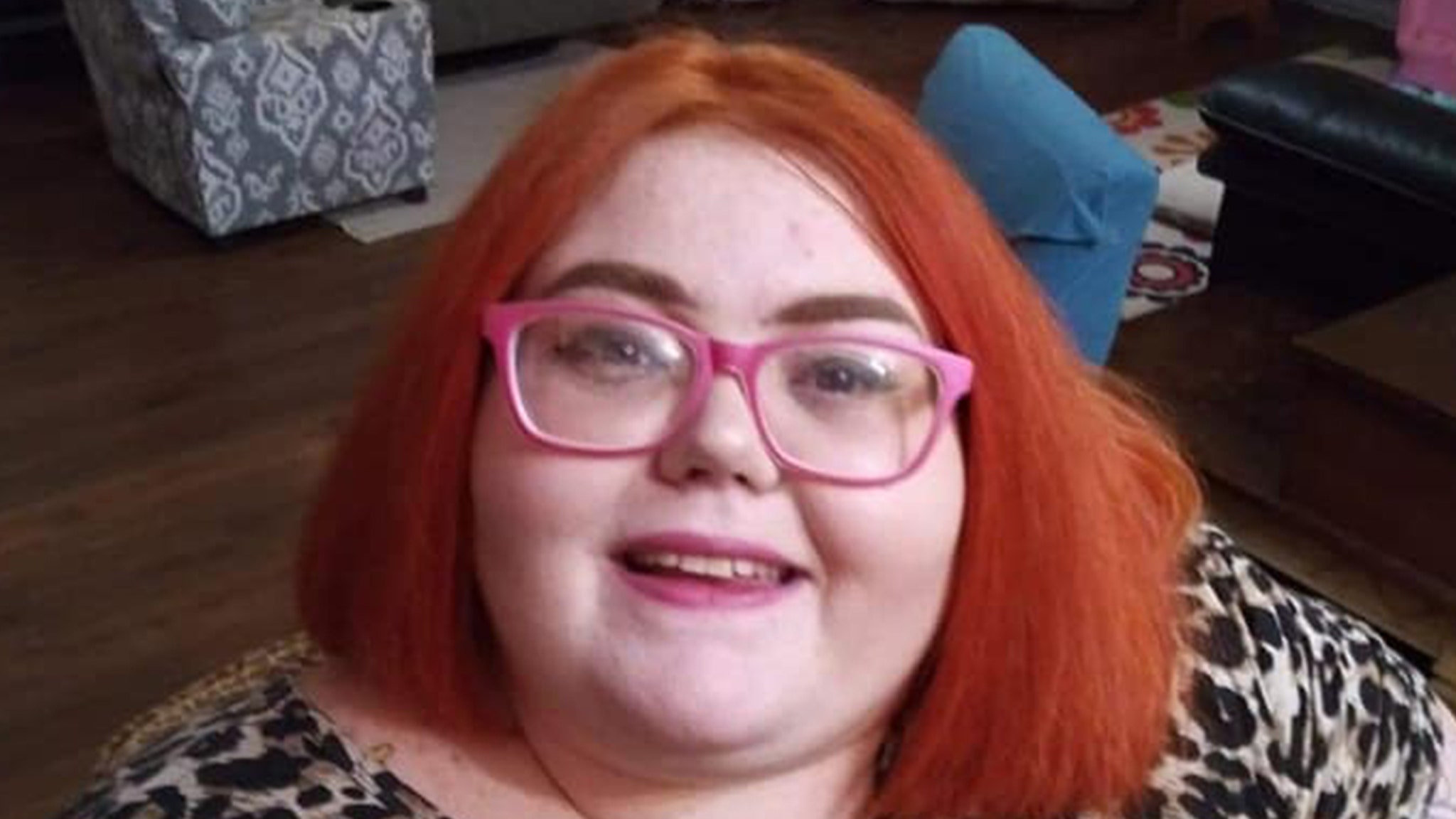
Dolly Martinez, a participant on TLC’s impactful reality series "My 600-Lb. Life," has passed away at the age of 30. The news of her death, which occurred on Saturday, April 11, 2026, was confirmed by her sister, Lindsey, through a heartfelt post on Facebook. While the family shared their profound grief, the specific cause of death has not been publicly disclosed, leaving many questions in the wake of this tragic announcement. Martinez’s passing adds another somber note to the complex narrative surrounding the lives and struggles of individuals featured on the long-running show.
A Life Documented: Dolly Martinez’s Journey on "My 600-Lb. Life"
Dolly Martinez captured the attention and empathy of viewers during her appearance on Season 10 of "My 600-Lb. Life." Her episode, which reportedly aired in late 2024, detailed her profound struggles with severe food addiction and its devastating impact on her physical and mental health. At the outset of her documented journey, Martinez weighed 593 pounds, a condition that rendered her largely dependent on others for daily tasks and necessitated continuous oxygen support due to respiratory complications. Her candid portrayal of vulnerability and determination resonated with many who watched her story unfold.
During her time on the show, Martinez made the significant decision to relocate from Fort Worth, Texas, to Houston, a move often required of participants to be closer to Dr. Younan Nowzaradan, the bariatric surgeon who guides individuals through their weight loss endeavors. This geographic shift symbolized her commitment to seeking life-saving intervention and her hope of qualifying for bariatric surgery, a procedure often presented as a last resort for those suffering from morbid obesity. Despite her efforts, which included a reported weight loss of approximately 40 pounds during the filming period, Martinez was not approved for the surgery by the time her episode concluded. The strict criteria for surgical approval, which typically involve demonstrating consistent progress and adherence to a rigorous diet and exercise regimen, proved to be an insurmountable hurdle for her within the show’s timeframe. Her story highlighted the immense challenges faced by individuals battling extreme obesity, where progress, even if substantial, may not always meet the stringent medical benchmarks for surgical intervention.
Family’s Heartbreak and Public Condolences
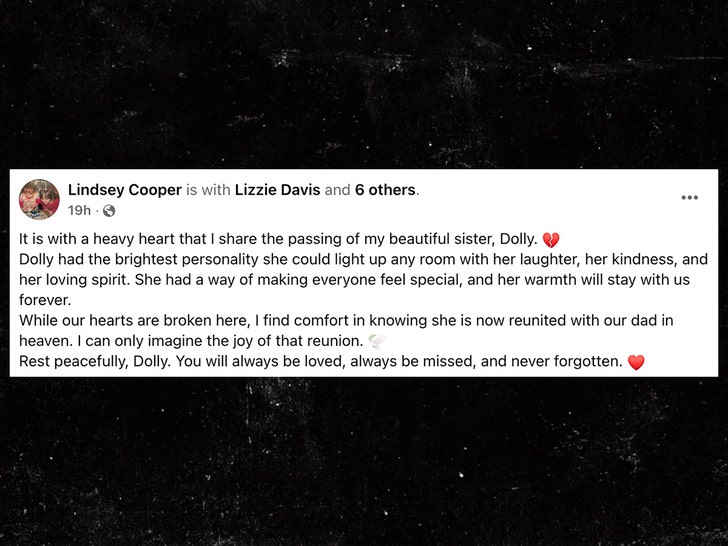
Lindsey Martinez’s Facebook announcement conveyed the deep sorrow felt by Dolly’s family. In her post, Lindsey remembered her sister as a person with the "brightest personality" whose laughter and kindness had the power to illuminate any room. The sentiment underscored the personal loss beyond the public persona, painting a picture of a beloved family member whose absence will be keenly felt. Lindsey added that while the family is heartbroken, they find comfort in the belief that Dolly is now reunited with their father. The post concluded with a poignant message: "Rest peacefully… you will always be loved, always be missed, and never forgotten." This outpouring of grief from her sister swiftly garnered condolences from fans and fellow members of the "My 600-Lb. Life" community, who had followed Dolly’s struggle and rooted for her recovery. The online tributes reflected a collective sorrow for a young life cut short and a recognition of the immense battles she faced.
The Broader Context: Morbid Obesity and Its Complexities
Dolly Martinez’s death at such a young age starkly underscores the severe health implications associated with morbid obesity. Defined as having a Body Mass Index (BMI) of 40 or higher, or a BMI of 35 or higher with co-morbid conditions, morbid obesity is a chronic, progressive disease affecting millions globally, particularly in the United States. According to the Centers for Disease Control and Prevention (CDC), the prevalence of obesity in the U.S. was over 42% in 2017-2018, with severe obesity affecting approximately 9.2% of adults. This condition significantly increases the risk of a myriad of life-threatening diseases, including Type 2 diabetes, severe cardiovascular disease, hypertension, sleep apnea, certain cancers, and debilitating joint problems. The cumulative effect of these health issues drastically reduces life expectancy, often by 5 to 20 years, depending on the severity and onset of the condition. For individuals like Dolly, who were severely impacted at a young age, the health risks are compounded.
Beyond the physical toll, morbid obesity is frequently intertwined with profound mental health challenges. Individuals often grapple with depression, anxiety, low self-esteem, social isolation, and trauma. Food addiction, a central theme in many "My 600-Lb. Life" narratives, is often a coping mechanism for underlying emotional pain, stress, and past trauma. Breaking this cycle requires not just physical intervention but also intensive psychological support, therapy, and a robust support system. The show often highlights this dual battle, showcasing Dr. Nowzaradan’s emphasis on psychological readiness as a crucial component of long-term success. Dolly Martinez’s reported struggles with mental health alongside her food addiction illustrate this complex interplay.
"My 600-Lb. Life": Impact, Ethics, and Long-Term Outcomes
"My 600-Lb. Life" has been a polarizing series since its inception, lauded for raising awareness about extreme obesity and the challenges of weight loss, but also criticized for its perceived exploitation of vulnerable individuals. The show typically follows a year-long journey of morbidly obese individuals striving to lose enough weight to qualify for bariatric surgery under the guidance of Dr. Nowzaradan. The narrative often emphasizes personal responsibility, strict dietary adherence, and overcoming psychological barriers.
While the show has documented numerous success stories, it has also faced scrutiny regarding the long-term support provided to participants after filming concludes. The intense pressure of public scrutiny, coupled with the profound lifestyle changes required, can be overwhelming. The series has, unfortunately, seen a number of its participants pass away, many at relatively young ages, both during and after their time on the show. These tragic outcomes ignite ongoing debates about the ethical responsibilities of reality television producers, the adequacy of post-show care, and the inherent difficulties of sustaining significant weight loss and health improvements in the face of a chronic and complex disease. Each death serves as a stark reminder of the gravity of the health battles these individuals face, battles that often extend far beyond the camera’s lens.
The show’s format, which compresses a year-long journey into a single episode, can sometimes oversimplify the monumental effort and continuous struggle required for sustained weight loss and health management. Critics argue that while the show brings much-needed attention to the obesity crisis, it may inadvertently contribute to a narrative that emphasizes dramatic transformations over the slow, often arduous, and frequently relapsing nature of recovery from severe food addiction and obesity.
The Unanswered Questions and the Call for Comprehensive Care
The undisclosed cause of Dolly Martinez’s death, while understandable given the family’s privacy, leaves many speculating about the specific health complications that led to her passing. For individuals with morbid obesity, sudden cardiac events, respiratory failure, complications from diabetes, or other chronic conditions can tragically cut lives short. Her youth at the time of her death, just 30 years old, underscores the urgency of early intervention and comprehensive, long-term care for those struggling with extreme weight.
Dolly’s journey, much like many others on "My 600-Lb. Life," highlights the critical need for integrated healthcare approaches that extend beyond surgical considerations. This includes consistent access to nutritional counseling, intensive psychotherapy, physical therapy, and ongoing medical monitoring. The challenges of navigating a complex healthcare system, securing insurance coverage for long-term care, and maintaining motivation in the face of setbacks are significant barriers for many. Martinez’s inability to qualify for surgery during her time on the show reflects the harsh reality that even with professional guidance and personal effort, the path to recovery is rarely linear or guaranteed.
Her passing serves as a poignant reminder that while reality television can offer a glimpse into extreme human conditions, the real-life struggles of individuals battling morbid obesity are profound, complex, and often fatal. It renews calls for greater understanding, compassion, and more robust, accessible healthcare systems designed to support individuals through every stage of their difficult journeys toward health and well-being.
A Legacy of Awareness and Empathy
Dolly Martinez’s appearance on "My 600-Lb. Life" offered a raw and honest look into the daily realities of living with morbid obesity. Her vulnerability in sharing her story contributed to a broader public understanding of food addiction, mental health struggles, and the systemic challenges faced by those seeking help. While her journey on the show did not conclude with the surgical intervention she hoped for, her willingness to open her life to millions undeniably fostered empathy and sparked conversations about a pervasive health crisis.
Her sister Lindsey’s tribute, remembering Dolly’s "brightest personality" and ability to light up a room, paints a picture of a person whose spirit shone despite immense physical and emotional burdens. It is a reminder that beyond the medical diagnoses and the television narrative, there was a vibrant individual with a loving family and a desire for a healthier life. Dolly Martinez’s death is a tragic loss, not only for her family and friends but also for the community of viewers who followed her story and were touched by her courage. Her legacy will endure as a testament to the profound struggles of those battling extreme obesity and a continuing call for greater support, understanding, and comprehensive care for all.