

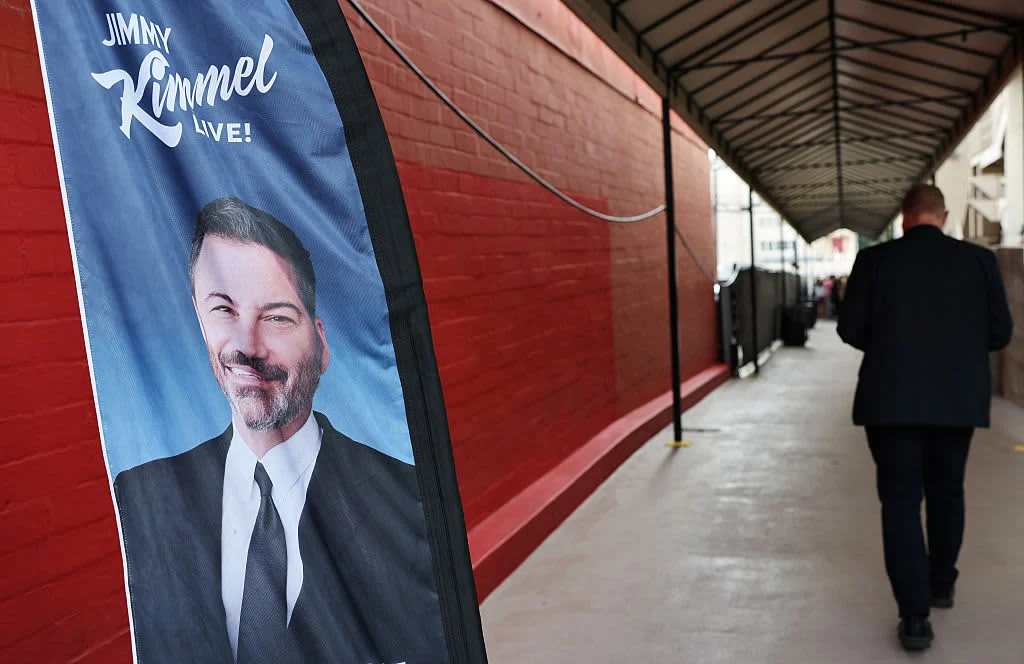
President Donald Trump has intensified his long-standing campaign against Disney-owned ABC, calling for the immediate termination of late-night host Jimmy Kimmel. This latest confrontation, sparked by a controversial comedy sketch, represents a significant escalation in the administration’s friction with legacy media outlets and serves as a pivotal test for the late-night television landscape during the President’s second term. The Renewed calls for Kimmel’s removal come at a time of administrative transition within The Walt Disney Company, as newly installed CEO Josh D’Amaro navigates a complex political and regulatory environment that has already seen other late-night staples removed from the airwaves.
The current controversy stems from a monologue delivered by Kimmel last week, in which he referred to First Lady Melania Trump as an "expectant widow." The remark, intended as a satirical jab at the age difference between the President and the First Lady, was broadcast just days before an alleged assassination attempt was thwarted near the White House Correspondents’ Dinner. The timing of the comment prompted an immediate and sharp response from the Executive Mansion. First Lady Melania Trump addressed the incident on the social media platform X, categorizing Kimmel’s humor as "hateful and violent rhetoric" designed to "divide our country." President Trump echoed these sentiments on Truth Social, characterizing the monologue as a "call to violence" that exceeded the boundaries of acceptable political satire.
The Monologue and the White House Response
On Monday night, Jimmy Kimmel utilized his platform to address the mounting criticism. He defended the remark as a joke regarding the President’s age and denied that it constituted a threat or an incitement to violence. "It was a joke about their age difference," Kimmel told his audience. "It was not, by any stretch of the definition, a call to assassination. And they know that." Despite this clarification, the White House has maintained its pressure on ABC. White House Director of Communications Steven Cheung issued a statement on Tuesday via X, suggesting that Kimmel should be "shunned" for his refusal to issue a formal apology, accusing the host of "doubling down" on rhetoric that the administration deems dangerous.
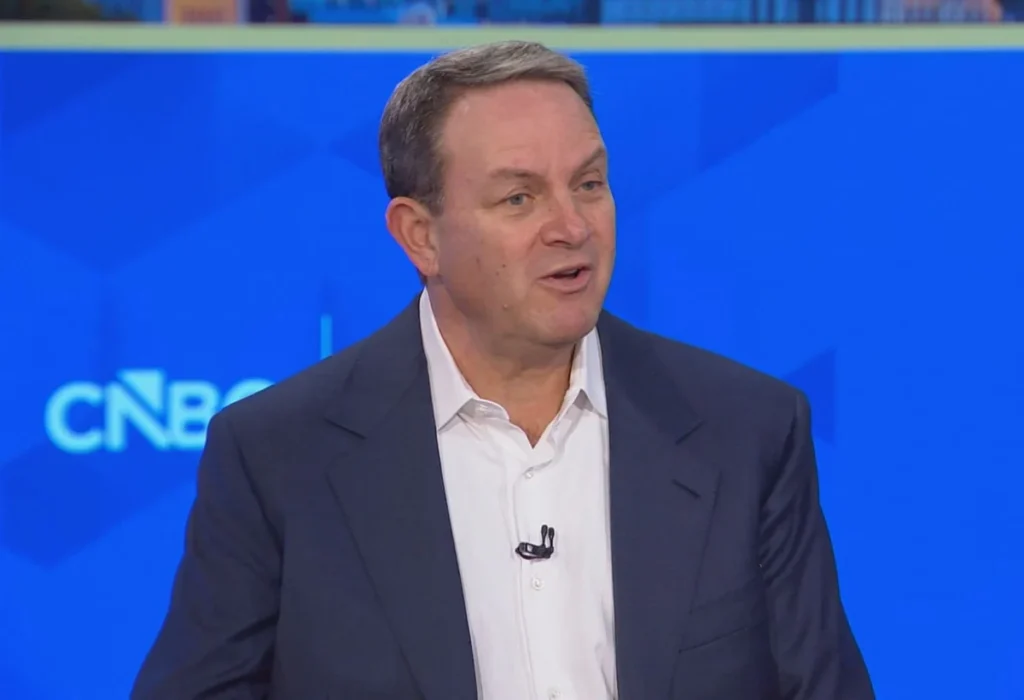
The standoff places Disney’s leadership in a precarious position. Josh D’Amaro, who took over as CEO of Disney last month, is now facing his first major political crisis. D’Amaro inherited a company that has spent several years embroiled in various political disputes, ranging from Florida state legislation to federal regulatory scrutiny. While Disney has historically stood by its creative talent under the banner of the First Amendment, the increasing frequency of these confrontations has raised questions about the long-term viability of high-profile political satire on broadcast television.
A Timeline of Escalating Tensions
The current friction is not an isolated incident but rather the latest chapter in a series of conflicts between the Trump administration and ABC. To understand the gravity of the current situation, one must look at the events of the past year:
- December 2024: ABC News reached a $15 million settlement with Donald Trump to resolve a defamation lawsuit. The lawsuit centered on comments made by "This Week" anchor George Stephanopoulos regarding the President’s legal proceedings. As part of the settlement, the funds were directed toward the President’s future presidential library.
- Early 2025: ABC News terminated its relationship with national correspondent Terry Moran. The dismissal followed a social media post in which Moran characterized the President and senior advisor Stephen Miller as "world-class" haters, a move seen by many as an attempt by the network to curb perceived partisan bias among its journalistic staff.
- September 2025: Jimmy Kimmel’s show was briefly suspended following a monologue concerning the death of conservative activist Charlie Kirk. The suspension occurred after broadcast station owners, including Nexstar Media Group and Sinclair Broadcast Group, threatened to preempt the program.
- March 2026: Josh D’Amaro officially assumes the role of CEO at Disney, signaling a "new chapter" for the conglomerate.
- April 2026: Reports emerge that the Federal Communications Commission (FCC) is preparing a comprehensive review of Disney’s broadcast licenses. While sources suggest the timing is coincidental, the review coincides with the President’s renewed calls for Kimmel’s firing.
Regulatory Pressure and the Role of the FCC
The involvement of the FCC has introduced a regulatory dimension to the dispute that extends beyond simple rhetoric. In September, FCC Chairman Brendan Carr suggested that broadcast station licenses—which are granted based on the "public interest, convenience, and necessity"—could be at risk if networks fail to meet standards of responsibility. Carr’s comments specifically targeted Kimmel’s earlier remarks about Charlie Kirk, leading to a temporary suspension of the show.
Broadcast giants Nexstar and Sinclair, which own hundreds of local stations that carry ABC programming, have previously demonstrated a willingness to intervene. During the September incident, both companies indicated they would air alternative content in Kimmel’s time slot rather than broadcast material they deemed offensive to their local audiences. While both Nexstar and Sinclair declined to comment on the most recent "expectant widow" remark, their previous actions serve as a precedent for how local affiliates might respond to federal pressure.

The threat of license revocation is a potent tool. Under the Communications Act of 1934, the FCC has the authority to review whether a licensee is serving the public interest. While the First Amendment provides broad protections for speech, broadcast television is subject to stricter regulations than cable or streaming services because it utilizes public airwaves. Legal analysts suggest that while a full revocation of a license over a comedy sketch is unlikely to survive a court challenge, the mere threat of a review can cause significant financial and administrative strain on a media corporation.
The Late-Night Industry in Flux
The pressure on Kimmel occurs within a broader trend of contraction and caution in the late-night television industry. Last year, Paramount-owned CBS announced the cancellation of "The Late Show with Stephen Colbert." The move came at a critical juncture as Paramount sought FCC approval for its merger with Skydance Media. Industry observers noted that the removal of a vocal critic of the administration appeared to smooth the path for regulatory approval, which was granted shortly after the show’s cancellation was finalized.
For Disney, the stakes are equally high. Although the company has stated it has no immediate plans for major mergers or acquisitions, it remains a massive conglomerate with interests in theme parks, streaming, and film production—all of which are subject to federal oversight and policy decisions. The "Colbert Precedent" suggests that media companies may be increasingly willing to sacrifice high-rated but controversial talent to ensure a more favorable regulatory environment for their broader business interests.
Financial and Audience Implications
The financial health of late-night television has been in decline for several years, exacerbated by the shift to digital streaming and the fragmentation of the viewing audience. According to industry data, ad revenue for traditional late-night talk shows has seen a steady decrease, falling by an estimated 15-20% over the last three years. However, these programs remain vital for networks as they generate significant engagement on social media platforms like YouTube and TikTok.
Jimmy Kimmel Live! remains a significant revenue generator for ABC, but the cost of maintaining the program now includes the potential for litigation, regulatory scrutiny, and friction with advertisers who may be wary of being associated with "violent rhetoric." If major affiliates like Sinclair or Nexstar begin to systematically preempt the show, the resulting loss in national reach would make the program less attractive to blue-chip advertisers, potentially forcing Disney’s hand regardless of the creative merits of the show.
Broader Impact on Media and Satire
The ongoing battle between the White House and ABC raises fundamental questions about the future of political satire in the United States. If the executive branch successfully pressures a private corporation into firing a satirist, it could signal a shift toward a more restricted media environment. Conversely, critics of Kimmel argue that the host has moved beyond satire into the realm of personal vitriol, and that broadcast networks have a duty to maintain a level of decorum that reflects the "public interest" standard of their licenses.
The response from the creative community has been one of concern. Advocacy groups for the First Amendment have warned that using regulatory bodies like the FCC to influence programming content constitutes a form of "soft censorship." However, the administration’s supporters maintain that they are simply holding broadcasters accountable for the content they choose to transmit into American homes.
As of Tuesday, Disney has not issued an official response to the President’s latest demands. The silence from the Burbank headquarters suggests a deliberate strategy of internal deliberation as the company weighs the risks of standing by Kimmel against the risks of appearing to capitulate to political pressure. With the FCC license review looming and the administration’s rhetoric showing no signs of softening, the fate of Jimmy Kimmel may serve as the definitive bellwether for the relationship between the White House and the media in the years to come.