
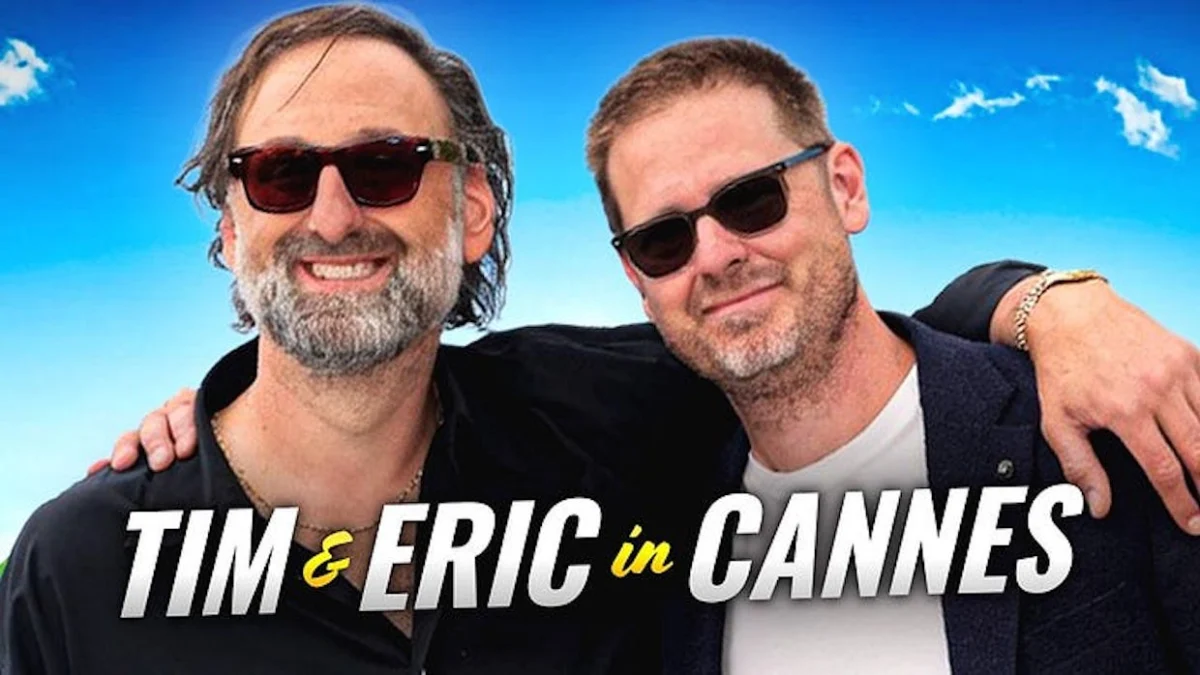
The presence of Tim Heidecker and Eric Wareheim at the 77th Cannes Film Festival marks a significant cultural intersection between the avant-garde world of American sketch comedy and the prestigious landscape of international cinema. Known collectively as Tim and Eric, the duo arrived on the French Riviera to celebrate the premiere of Quentin Dupieux’s latest feature, Full Phil, a film that further cements their transition from cult television icons to versatile performers within the global arthouse circuit. Their participation in the festival, which included a keynote address on the future of filmmaking, highlights a career trajectory that has fundamentally altered the DNA of internet culture and contemporary humor.
The Premiere of Full Phil and the Dupieux Collaboration
Quentin Dupieux, the prolific French filmmaker and electronic musician known as Mr. Oizo, debuted two films at this year’s Cannes: Vertiginous and Full Phil. The latter, which served as the primary vehicle for Heidecker and Wareheim’s attendance, has been described by Dupieux as a satirical nightmare—specifically, "Emily in Paris in hell." The narrative follows a wealthy patriarch, portrayed by Woody Harrelson, who attempts to bridge the emotional distance between himself and his daughter, played by Kristen Stewart, through an opulent trip to Paris.
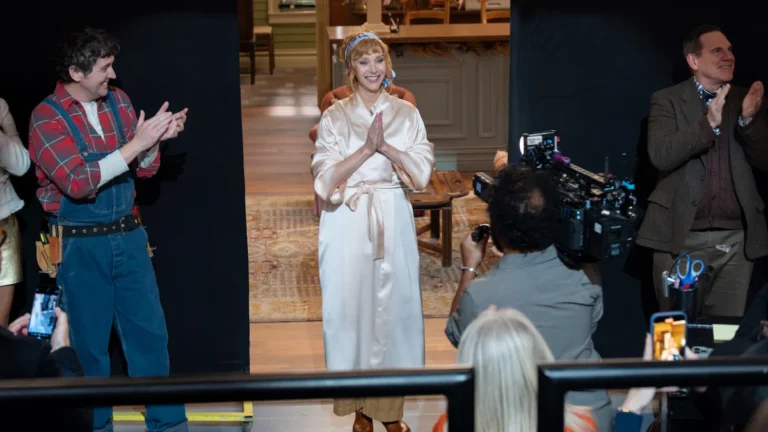
Heidecker and Wareheim appear within a "film-within-a-film" sequence, assuming the roles of eccentric scientists reminiscent of the classic Universal Monsters era. Their performances draw heavily from the aesthetic of James Whale’s Frankenstein (1931) and Bride of Frankenstein (1935), utilizing exaggerated Mid-Atlantic accents and theatrical "scenery-chewing" techniques. This stylistic choice complements Dupieux’s signature brand of existential meta-comedy, which often blurs the lines between reality and absurdist fiction.
Wareheim’s involvement with Dupieux is longstanding, having previously appeared in Wrong Cops (2013) and Reality (2014). For Heidecker, Full Phil represents a new collaboration, though one rooted in a shared comedic philosophy. The production, filmed over four days in Paris, utilized traditional cinematic techniques, including wheelchair dollies and synchronized camera movements, to achieve a specific vintage horror aesthetic.
A Chronology of Influence: From Temple University to Adult Swim
The partnership between Heidecker and Wareheim began at Temple University in Philadelphia during the late 1990s. Their early work, characterized by a low-fidelity, public-access television aesthetic, eventually caught the attention of Bob Odenkirk, who helped shepherd their vision to a wider audience.
The launch of Tim and Eric Awesome Show, Great Job! (2007–2010) on Adult Swim proved to be a watershed moment for American comedy. The program’s use of jarring edits, uncomfortable silences, and satirical takes on corporate instructional videos resonated with a generation of viewers raised on the burgeoning internet. Industry analysts often cite the duo as the "progenitors of the creator economy," noting that their ability to build a self-contained comedic universe predated the rise of modern social media influencers and independent content platforms.
In 2007, they founded Abso Lutely Productions, which became a powerhouse for alternative comedy. The company produced several critically acclaimed series, including The Eric Andre Show, Nathan for You, and Check It Out! with Dr. Steve Brule. This infrastructure allowed Heidecker and Wareheim to maintain creative independence while fostering a new wave of comedic talent.
The Diversification of the Tim and Eric Brand
In the 15 years following the conclusion of their flagship show, both men have pursued distinct and successful solo ventures. Heidecker has expanded his reach into music, releasing six rock albums, and has sustained a decade-long narrative project titled On Cinema at the Cinema. This multimedia "psychodrama," co-starring Gregg Turkington, satirizes film criticism and toxic fandom, evolving into a complex fictional universe with its own dedicated subscription service, the HEI Network.
Wareheim has pivoted toward the culinary and viticultural worlds. He has authored a cookbook and established himself as a respected winemaker through his label, Las Jaras Wines. More recently, Wareheim has entered the botanical industry, specializing in the importation and curation of rare plants and bonsai. During his time at Cannes, Wareheim noted that his "post-food world" focus has shifted from high-end restaurants to botanical gardens, viewing the cultivation of plants as another form of creative expression aimed at providing people with a "beautiful feeling."
The InfoWars Acquisition and Political Satire
A major development in Heidecker’s recent career is his appointment as the creative director of InfoWars. This move followed the acquisition of Alex Jones’s media empire by The Onion in April 2026. The purchase occurred as part of a bankruptcy auction intended to satisfy legal judgments against Jones related to his rhetoric concerning the Sandy Hook Elementary School shooting.
Heidecker’s role at InfoWars is part of a broader strategy to transform the platform into a satirical incubator. During discussions at Cannes, Heidecker revealed that his pitch to The Onion involved using the infrastructure of InfoWars to host a "direct-to-consumer" model, similar to the blueprint established by the HEI Network. The goal is to move beyond mere parody, eventually utilizing the platform’s resources to produce "pure" independent content.
The reaction from the previous administration of InfoWars has been hostile. Alex Jones has publicly criticized Heidecker’s involvement, labeling the comedic duo as "demonic" and accusing them of being part of a broader cultural conspiracy. Heidecker has characterized these reactions as "unreal" and "funny," suggesting that the previous regime cannot comprehend the satirical nature of the takeover.
The Economics of Independent Production and the Sale of Abso Lutely
The landscape of independent television production has shifted dramatically since the founding of Abso Lutely Productions. At a keynote address at the American Pavilion in Cannes, Heidecker and Wareheim discussed the challenges of maintaining a production company in the post-COVID era.
The duo explained that as streaming networks moved toward in-house production models, the financial viability of maintaining a large, independent office became untenable. This led to the decision to sell Abso Lutely to Mosaic, a management and production company led by Jimmy Miller. While the brand continues to produce stand-up specials and other content, Heidecker noted that it has become increasingly difficult to secure funding for "weird" or experimental projects within the traditional Hollywood system.
"We were in development hell with a show at FX," Wareheim remarked, describing the process as overly academic and restrictive. "It was like we were in a grad student program, with constant second-guessing. Eventually, you realize the only way to survive and ensure your work reaches the screen as intended is to do your own thing."
Broader Impact and Future Implications
The appearance of Tim and Eric at Cannes signifies more than just the promotion of a film; it represents the formal recognition of a comedic style that was once considered peripheral. Their influence is visible in the works of a new generation of filmmakers and digital creators who prioritize surrealism and social satire over traditional narrative structures.
Looking ahead, both performers have significant projects on the horizon. Wareheim is set to appear in Onslaught, an upcoming film by director Adam Wingard (Godzilla x Kong: The New Empire). The project marks a return to Wingard’s indie horror roots and represents Wareheim’s most significant role alongside "real actors" to date. Heidecker is involved in the military-themed film Atropia, starring Chloe Sevigny, which is expected to debut in 2025.
The duo’s ability to navigate the "gilded tumult" of Cannes while maintaining their "healthy suspicion" of celebrity culture suggests that their commitment to independence remains intact. As they continue to experiment with direct-to-consumer models and satirical takeovers of legacy media brands, Tim Heidecker and Eric Wareheim remain at the forefront of a shifting media landscape where the boundaries between the creator and the distributor are increasingly blurred.
In an era where traditional studio models are being questioned, the Tim and Eric model—rooted in autonomy, low-overhead production, and a direct connection with a loyal audience—provides a potential roadmap for the future of the industry. Their journey from public-access outsiders to Cannes participants serves as a testament to the enduring power of a singular, uncompromising creative vision.