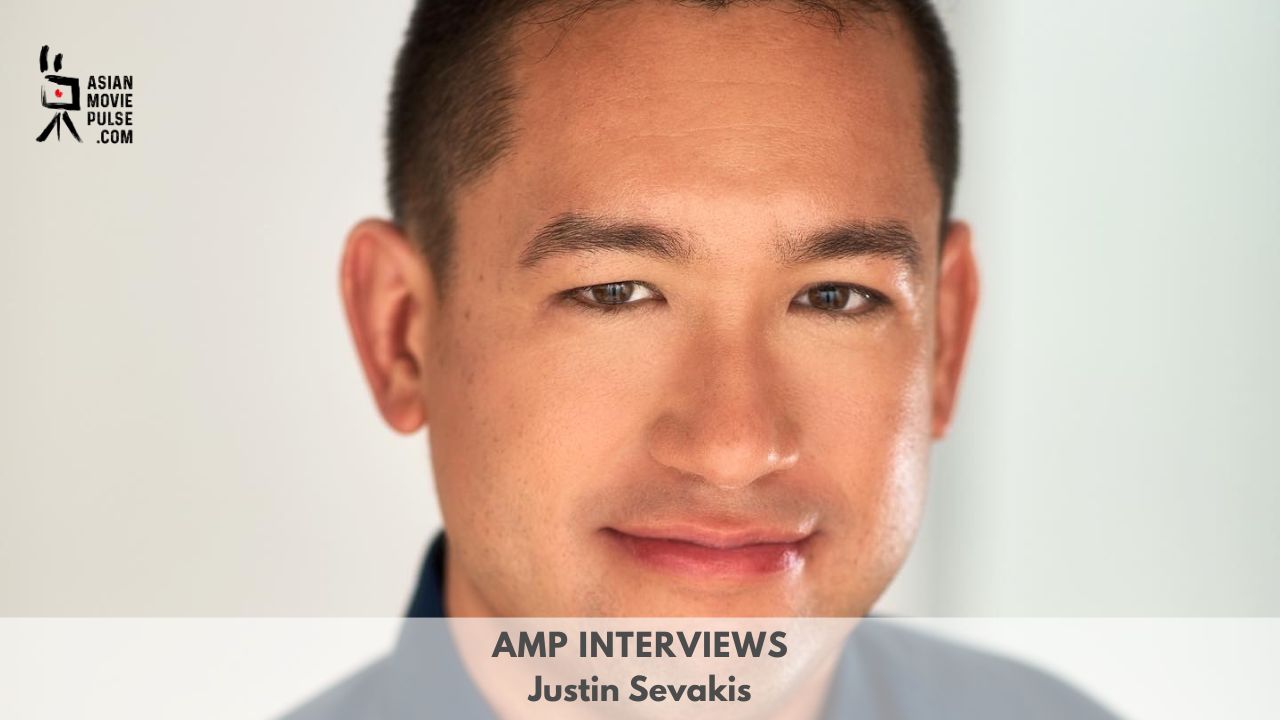
Justin Sevakis occupies a unique and influential position within the North American landscape of anime and Asian cinema. His career, spanning journalism, fan culture, restoration, disc production, distribution, and preservation, has consistently revolved around a deep connection to the collector and enthusiast communities that have fueled his endeavors. From his early days at Anime News Network to his current work with Whole Grain Pictures, Sevakis has navigated the complexities of the industry, acting as a crucial bridge between creators, distributors, and the passionate audiences who champion these cinematic forms.
The Genesis of a Passion: From Projection Booths to Blockbuster Aisles
Sevakis’s initial fascination with cinema was rooted in its very mechanics. As a child, he was captivated by the technical aspects of filmmaking, often observing the projected light from the booth even when a movie failed to hold his attention. This innate curiosity laid the groundwork for a lifelong engagement with the medium. His introduction to anime occurred around the age of 13, when his local Blockbuster Video in Detroit began stocking a modest selection of Japanese animated titles. At a time when Western animation often felt geared towards a younger demographic, anime presented itself as a vibrant, mature, and largely undiscovered art form. This discovery quickly broadened his horizons, leading him to explore Hong Kong cinema and, subsequently, the burgeoning "Korean Wave," positioning him at the vanguard of what he terms a significant surge in Asian content accessibility in North America.
Forging a Community Hub: The Birth of Anime News Network
The burgeoning interest in anime and Asian cinema in the late 1990s was met with a stark lack of centralized, reliable information. This void became acutely apparent to Sevakis as he wrote for his high school anime club’s newsletter. He recognized the arduous task fans faced in obtaining verified details about new releases, licensing deals, and industry shifts. Information was fragmented, scattered across Usenet groups and early online forums, while print magazines often lagged behind or were biased towards specific distributors. This frustration became the catalyst for the creation of Anime News Network (ANN) in 1998. Sevakis envisioned ANN as a comprehensive clearinghouse, a central repository for news, reviews, and industry analysis. Crucially, from its inception, ANN was conceived as a business venture, a bold move given that internet journalism in 1998 offered limited avenues for profitability.
ANN’s establishment not only addressed an informational deficit but also profoundly reshaped Sevakis’s understanding of the dynamic between fans and the professional industry. While it didn’t immediately grant him access to the Japanese market, it facilitated crucial connections with American anime companies. These interactions provided invaluable insights into the intricacies of licensing, publishing, and distribution strategies. He observed how fan speculation often filled the informational vacuum, and he was motivated to present a more grounded perspective on the realities of the business to ANN’s readership. This dual role as an industry insider and a voice for the fan community became a hallmark of his career.
Transitioning from Journalism to Production: A Natural Evolution
Sevakis’s transition from journalism to production was not a sharp demarcation but rather a fluid progression, predating ANN’s founding. He was already involved in VHS fansubbing, a practice where fan groups created subtitled versions of anime unavailable officially. His group, Kodocha Anime, gained recognition within fan circles for its commitment to producing releases with a polished and professional aesthetic, a rare feat in the DIY landscape of early fansubbing.
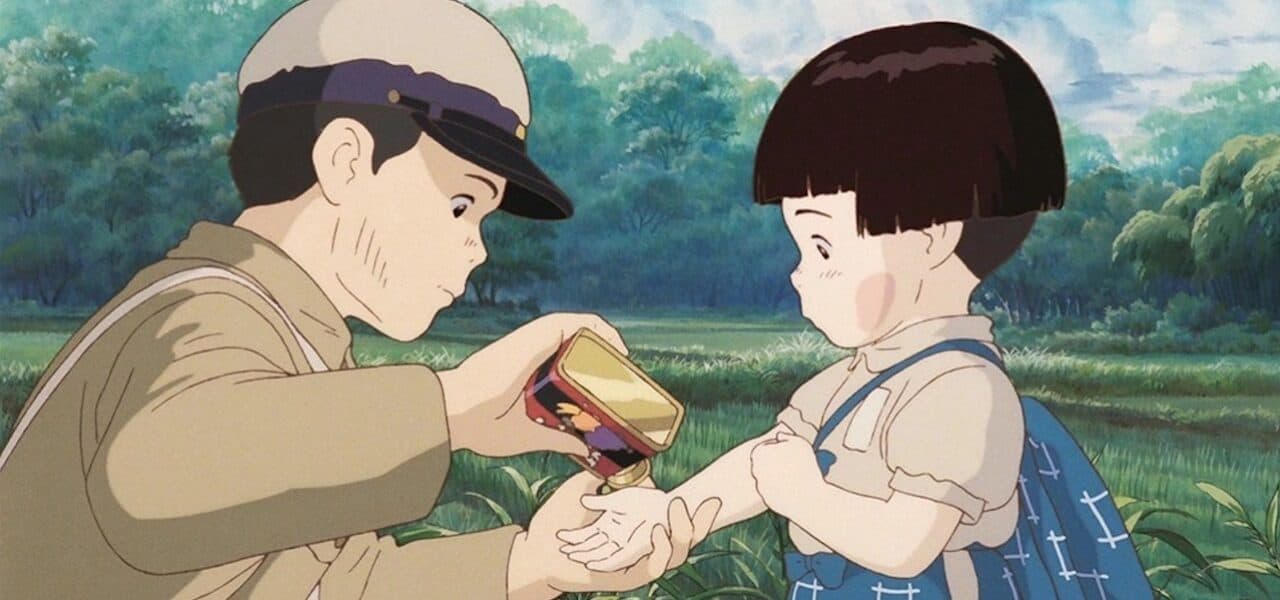
His move to New York for film school serendipitously led him to Central Park Media. A chance encounter with founder John O’Donnell on an airplane resulted in a job offer. Central Park Media had distributed many of the very titles Sevakis had rented as a teenager, creating a full-circle moment. His tenure at Central Park Media exposed him to a remarkably diverse array of titles, ranging from critically acclaimed films like "Grave of the Fireflies" and cult classics such as "Project A-Ko" to more niche and adult-oriented material.
More significantly, Sevakis became one of the few outspokenly fan-oriented voices within the company. He actively represented Central Park Media in online forums and played a pivotal role in channeling fan feedback into the production process. According to Sevakis, this open communication loop demonstrably improved the quality of releases, enabled the company to address technical criticisms effectively, and fostered a more robust and positive relationship between the audience and the professional side of the industry. This period underscored the potential for synergistic relationships between fan communities and commercial enterprises.
Navigating the Evolving Media Landscape: From Television to Blu-ray
Following his time at Central Park Media, Sevakis joined ImaginAsian TV, a startup dedicated to showcasing Asian content. This role provided him with practical experience in licensing and theatrical distribution, alongside valuable lessons in navigating the challenges of a nascent media venture. He later returned to Anime News Network, where he explored the burgeoning realm of streaming. However, he acknowledges that this initiative was ahead of its time and lacked the resources to contend with larger, more established platforms.
His career then pivoted towards freelance Blu-ray production. This move coincided with a critical industry shift, as many companies that had mastered DVD production struggled to adapt to the more demanding technical requirements of the Blu-ray format. Sevakis’s expertise in this area positioned him to fill a growing need within the market.

The Discotek Media Partnership: A Collector’s Dream Realized
This trajectory eventually led to Sevakis’s enduring and impactful association with Discotek Media. At the time, Discotek was a smaller anime publisher in Florida seeking to transition into Blu-ray production. Sevakis was approached by the company, and their collaboration began modestly. Over time, it evolved into one of the most respected and distinctive operations in the field, renowned for its dedication to restoration and its focus on the collector market.
Sevakis describes Discotek Media as an environment where, once a foundation of trust was established, he and his team were granted significant creative autonomy. This freedom allowed them to produce releases characterized by meticulous technical execution, archival rigor, and an attention to detail that was largely unprecedented in anime disc releases. The emphasis was on delivering a product that resonated deeply with dedicated fans, often including extensive bonus features, high-quality transfers, and accurate subtitle work, setting a new benchmark for the industry.
Documenting the Pioneers: The "Anime Business" Project
Driven by a desire to preserve the history of the North American anime and manga industries, Sevakis embarked on a significant documentary project titled "Anime Business." His focus was not on the broader narrative of fandom, but rather on the individuals who actively worked to bring anime legally into the marketplace, persuade retailers to stock it, and secure its broadcast on television. The COVID-19 pandemic prompted him to accelerate this effort, recognizing that many pioneers from the 1980s and 1990s were aging, and their firsthand accounts risked being lost.
He conducted over 30 interviews with industry figures across New York, London, and Los Angeles. While the comprehensive documentary project faced challenges in its completion, the recorded interviews found a new home and continued life online as part of the AnimEigo ecosystem. This initiative represents a crucial archival undertaking, preserving invaluable oral histories that illuminate the formative years of the industry.
AnimEigo and the Birth of Whole Grain Pictures: Expanding the Scope
AnimEigo entered Sevakis’s professional life in an unexpected manner. During an interview with its founder, Robert Woodhead, Sevakis was directly asked about his interest in acquiring the company. Woodhead, approaching retirement, trusted Sevakis to uphold the brand’s legacy. Sevakis accepted the offer. However, as the acquisition process unfolded, he also contemplated the limitations of vintage anime as a sole business focus. Seeking a broader and more diverse catalog, he established Whole Grain Pictures as a sister label. This new venture was dedicated to restoring and releasing a wider array of overlooked works, notably including live-action titles.
Whole Grain Pictures: A Curated Vision for Neglected Cinema
The initial acquisitions for Whole Grain Pictures clearly reflected this expanded philosophy. One of the label’s flagship projects was "Too Much Sleep," an independent American film by a Filipino American director. Sevakis describes this as a dream project, made possible by the recovery of the original camera negatives and the subsequent 4K restoration. Another significant acquisition was "Journey from the Fall," a Vietnam War drama that Sevakis had encountered during his previous distribution work.
From these foundational titles, the label’s focus naturally gravitated towards Asian and Asian American cinema. This expansion was not driven by a rigid agenda but rather by the realization that many of the films Sevakis felt compelled to rescue and reintroduce to audiences happened to fall within these categories. This approach highlights a commitment to cinematic preservation based on artistic merit and historical significance, rather than strict genre or origin limitations.
Anticipated Releases and the Future of Niche Distribution
Among the upcoming releases from Whole Grain Pictures, Sevakis expresses particular excitement for "Red Sorghum," "Failan," and "Microhabitat." His acquisition of the Zhang Yimou classic "Red Sorghum" came after a visit to TIFFCOM, where he discovered its availability through a catalog linked to CCTV. He describes the deal as "almost unbelievable" and emphasizes that the film deserves a "royal treatment" in its presentation.
"Failan" and "Microhabitat" were secured through Echelon, whose catalog featured festival favorites that immediately captured Sevakis’s attention. He characterizes "Failan" as a "gorgeous and yearning work" from the Korean Wave era, while "Microhabitat" struck him as a "quirky and immediately appealing contemporary Korean title." These selections underscore Whole Grain Pictures’ commitment to showcasing diverse and impactful cinematic voices.
Looking ahead, Sevakis acknowledges that anime remains the bedrock of his business. He points to the organized, communicative nature of anime fans, who often contribute to the marketing of releases through word-of-mouth. While live-action audiences can be equally passionate, he notes they are typically more fragmented and thus harder to reach. Nevertheless, Sevakis has no intention of abandoning live-action cinema. As a dedicated collector and cinephile, he feels a personal imperative to ensure that certain films exist on disc, compelling him to undertake their restoration and release.
This underlying motivation may explain why Whole Grain Pictures defies easy categorization. Its catalog seamlessly juxtaposes a prestigious film like "Red Sorghum" with cult animation, unconventional comedies, and other unexpected obscurities. Sevakis humorously likens the label to a "less pretentious Criterion Collection," a description that, while lighthearted, captures the broader ethos behind his work. Whether through Anime News Network, Discotek Media, AnimEigo, or Whole Grain Pictures, Sevakis’s career has been consistently guided by a singular impulse: to preserve cinematic works that might otherwise vanish, to demystify the workings of the industry, and to bring overlooked and cherished titles to the audiences most likely to appreciate them. His sustained efforts have not only enriched the North American market for Asian cinema but have also set a standard for dedication to preservation and fan engagement.