

Freestyle Digital Media has officially released the full trailer for The Third Degree, a suspenseful mystery thriller poised to captivate audiences with its intricate plot and atmospheric setting. Directed by the seasoned Canadian filmmaker Ryan Little, the film is slated for a direct-to-VOD release on July 10th, 2026, positioning it as a significant independent offering in the summer cinematic landscape. The trailer, first highlighted by FirstShowing.net on June 26, 2026, offers a tantalizing glimpse into a narrative that blurs the lines between theatrical performance and terrifying reality, set against the backdrop of a centuries-old London theater.
Unpacking the Narrative: A Labyrinth of Deception
At its core, The Third Degree delves into the treacherous world of ambition, manipulation, and hidden desires within a tight-knit group of actors. The premise centers on four young performers rehearsing an upcoming West End play in a London theater steeped in history and perhaps, a lingering sense of foreboding. As the rehearsals progress, a web of secret affairs and buried betrayals among the cast members begins to unravel, transforming their professional interactions into a perilous game of cat and mouse. The film’s tagline, "When the curtain falls, the truth is deadlier than the fiction," succinctly encapsulates the escalating stakes and the psychological intensity that define its narrative.
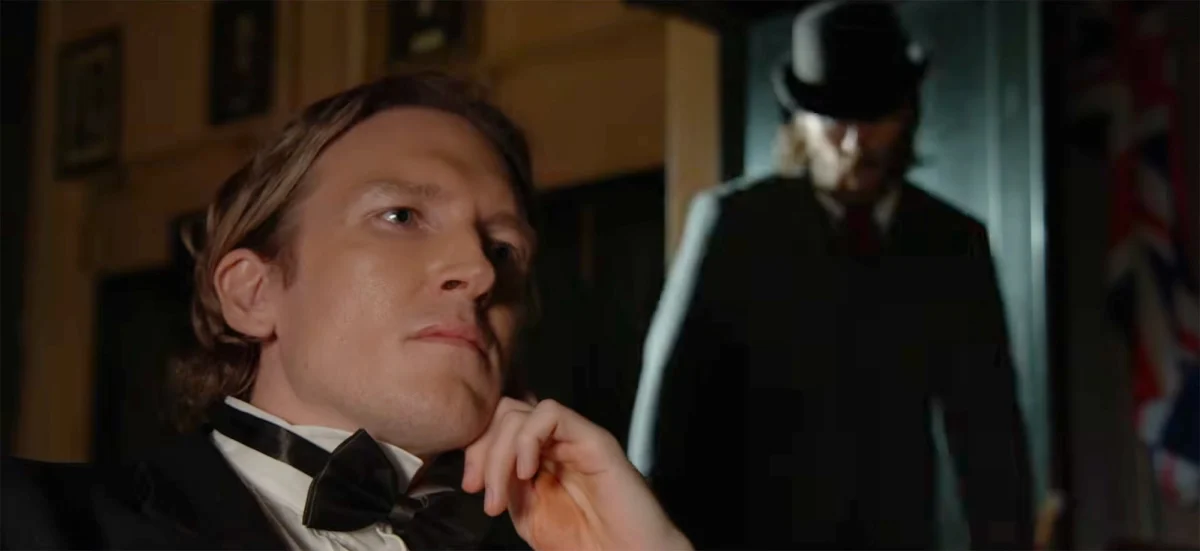
The plot, penned by McKay Daines, introduces William, a multi-faceted character who has not only written the murder mystery play but is also directing it. His work is described as steeped in "Hitchcockian dread and 1920s film noir," hinting at a classic, suspense-driven aesthetic that promises intricate twists and moral ambiguities. William, portrayed as a manipulative force, gathers former classmates from an English Dramatic Academy, seemingly hand-picking a cast he believes he can control. However, as the night wears on, his carefully constructed script begins to deviate from the intended performance. The trailer suggests that William actively rewrites scenes on the fly, a tactic that allows him to exploit the egos and desires of his fellow actors, blurring the boundaries between their stage roles and their real-life personas.
This manipulation escalates into a series of "twist after twist," where the actors, initially attempting to outwit each other within the confines of their personal dramas, find themselves entangled in consequences that transcend the theatrical. The violence, initially confined to the script, starts to manifest in reality, leading to a perilous situation where "no one is certain who is performing and who’s in genuine danger." Flashbacks to 1922 are woven into the narrative, adding another layer of mystery and suggesting a historical echo or parallel to the unfolding events, further blurring the lines between past and present, fiction and a far more sinister reality. This multi-layered storytelling technique is a hallmark of sophisticated psychological thrillers, promising a rich and engaging viewing experience.
The Director’s Vision: Ryan Little’s Return to Suspense

Ryan Little, a prolific Canadian filmmaker, takes the helm of The Third Degree, bringing his diverse directorial experience to the suspense genre. Little’s filmography is notably varied, spanning from war dramas like Saints and Soldiers and War Pigs to fantasy adventures such as Age of the Dragons, and even romantic comedies like A Fiancé for Christmas. This wide range demonstrates his versatility and ability to navigate different narrative styles and production scales. The Third Degree marks a distinct return to the more intense, character-driven storytelling often found in his earlier, critically recognized works.
In his own words, Little describes The Third Degree as "a psychological puzzle box wrapped in a classic murder mystery." This description highlights his intention to create a film that is both intellectually stimulating and viscerally thrilling. He elaborates, stating that the film "explores the dark side of ambition when the characters they create refuse to stay on the page. It is a story about control, manipulation, and the deadly consequences of blurring art with real life." This thematic depth is crucial for a psychological thriller, moving beyond mere jump scares to delve into the human psyche and the moral compromises individuals make in pursuit of their goals. Little’s emphasis on control and manipulation suggests a narrative where power dynamics are constantly shifting, and trust is a luxury no character can afford. His background in directing ensemble casts in high-stakes situations in his war films could lend itself well to managing the intense interpersonal dynamics required for this thriller.
The collaboration between Little and writer McKay Daines, who also serves as a producer alongside Steven A. Lee, appears to be a synergistic one, aiming to craft a narrative that is both razor-sharp and emotionally resonant. The choice of a theatrical setting is particularly apt for exploring themes of performance, identity, and the masks people wear, both on and off stage.
The Ensemble Cast: Pillars of the Psychological Drama
The success of a character-driven psychological thriller hinges significantly on the strength of its cast. The Third Degree features a quartet of actors tasked with bringing this complex narrative to life: James Barrington, Eric Geynes, Tom Hutch, and Nicola Posener. While their specific roles and character arcs are not fully detailed in the initial announcement, their collective performance will be instrumental in conveying the escalating tension and intricate emotional landscape of the film.
- James Barrington: Known for his roles in independent films and television, Barrington likely brings a gravitas necessary for a character entangled in a psychological struggle. His experience in nuanced performances will be key to portraying the internal conflict and external deception required by the script.
- Eric Geynes: Geynes’s background, potentially in theater or other dramatic roles, would prepare him for the demands of playing an actor whose reality begins to fracture. His ability to convey vulnerability alongside ambition will be crucial.
- Tom Hutch: Hutch’s presence could suggest a character who brings a particular dynamic to the group, perhaps a volatile element or a seemingly innocent figure whose true intentions are gradually revealed.
- Nicola Posener: Posener, often recognized for her work in various genres, including fantasy and drama, brings a strong screen presence. Her role in The Third Degree will undoubtedly require a delicate balance of theatricality and raw emotional honesty as her character navigates the dangerous interplay between art and life.
The chemistry and tension between these four actors will be paramount to the film’s believability and its ability to draw viewers into the intricate web of deceit. Their portrayals of individuals caught between their staged performances and their genuine, often darker, selves will define the film’s psychological impact.
The Haunting London Stage: A Character in Itself

The choice of a "creaky, centuries-old London theater" is far from incidental; it serves as a powerful atmospheric element, almost a character in itself. London’s rich theatrical history provides an immediate sense of grandeur, tradition, and perhaps, lingering spirits. A centuries-old theater inherently carries a certain weight – whispers of past performances, echoes of forgotten dramas, and the accumulated energy of countless human stories.
This setting significantly enhances the "Hitchcockian dread" mentioned by the director. Hitchcock famously used confined spaces and psychological pressure to build suspense, and an old theater, with its hidden corridors, dim lighting, and cavernous acoustics, is a perfect crucible for such tension. The crumbling grandeur and inherent eeriness of such a venue can amplify the feeling of isolation and paranoia among the characters. The physical environment itself mirrors the crumbling reality of the actors’ relationships and their descent into madness. The "creaky" nature of the theater suggests instability, mirroring the fragile mental states of the characters and the precarious balance of their relationships. It provides a tactile, sensory backdrop that can heighten the audience’s immersion and discomfort, making the psychological horror more palpable.
Furthermore, the theater setting allows for a constant interplay between the literal stage and the "stage" of real life. The actors are performing a murder mystery within a setting that increasingly becomes a real-life murder mystery. This meta-narrative layer adds intellectual depth, inviting audiences to question the nature of performance, identity, and truth.
The VOD Release Strategy: Navigating the Modern Distribution Landscape
Freestyle Digital Media’s decision to release The Third Degree directly to VOD on July 10th, 2026, reflects a growing trend in the independent film industry. In an era where streaming platforms and digital distribution channels dominate, VOD offers a viable and often lucrative pathway for films that might not secure a wide theatrical release. This strategy allows the film to reach a broad audience instantly, bypassing the significant marketing costs and logistical challenges associated with traditional theatrical distribution.
For an independent psychological thriller like The Third Degree, a direct-to-VOD release can be particularly effective. The genre often thrives on word-of-mouth and targeted marketing to specific niche audiences who actively seek out suspenseful, thought-provoking content. VOD platforms provide direct access to these viewers, allowing them to discover and consume the film at their convenience. This approach also aligns with contemporary viewing habits, where audiences are increasingly comfortable consuming new releases from the comfort of their homes.
However, the VOD landscape is also highly competitive. To stand out, The Third Degree will rely heavily on its compelling trailer, strong critical reception (if early reviews emerge), and effective digital marketing campaigns. The intriguing premise, coupled with Ryan Little’s established reputation, could provide the necessary impetus for the film to gain traction in the crowded VOD market. The timing of a summer release, typically a period for blockbusters, might also allow The Third Degree to capture the attention of audiences looking for more nuanced and intellectually stimulating alternatives.

Anticipation and Broader Implications
The trailer for The Third Degree has generated considerable interest among fans of psychological thrillers and independent cinema. Its blend of classic mystery tropes with modern psychological depth, coupled with a strong directorial vision and an intriguing premise, positions it as a film to watch in the coming months. The emphasis on character, atmosphere, and a continuously twisting plot suggests a film that aims for more than superficial scares, instead seeking to burrow into the viewer’s mind.
The film’s exploration of themes such as ambition, control, and the blurred lines between art and reality holds significant relevance in today’s media-saturated world, where constructed realities and manipulated narratives are increasingly prevalent. By examining these concepts within the contained world of a theatrical rehearsal, The Third Degree offers a microcosmic reflection of broader societal concerns.
As the release date of July 10th, 2026, approaches, industry observers will be keen to see how The Third Degree performs in the VOD market. Its success could further underscore the viability of digital distribution for independent films, particularly those with a strong genre appeal and a compelling story. It will also be a testament to Ryan Little’s continued evolution as a director, showcasing his ability to craft impactful narratives across diverse genres. For audiences seeking a razor-sharp psychological thriller that promises to keep them guessing until the final curtain call, The Third Degree appears poised to deliver a captivating and unsettling experience.