


A Dual-Timeline Narrative
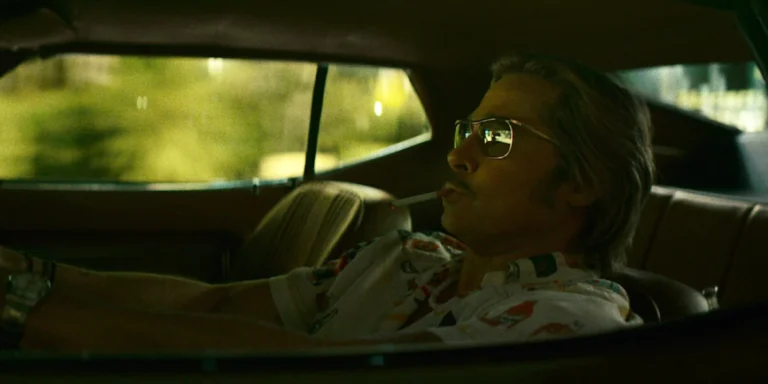
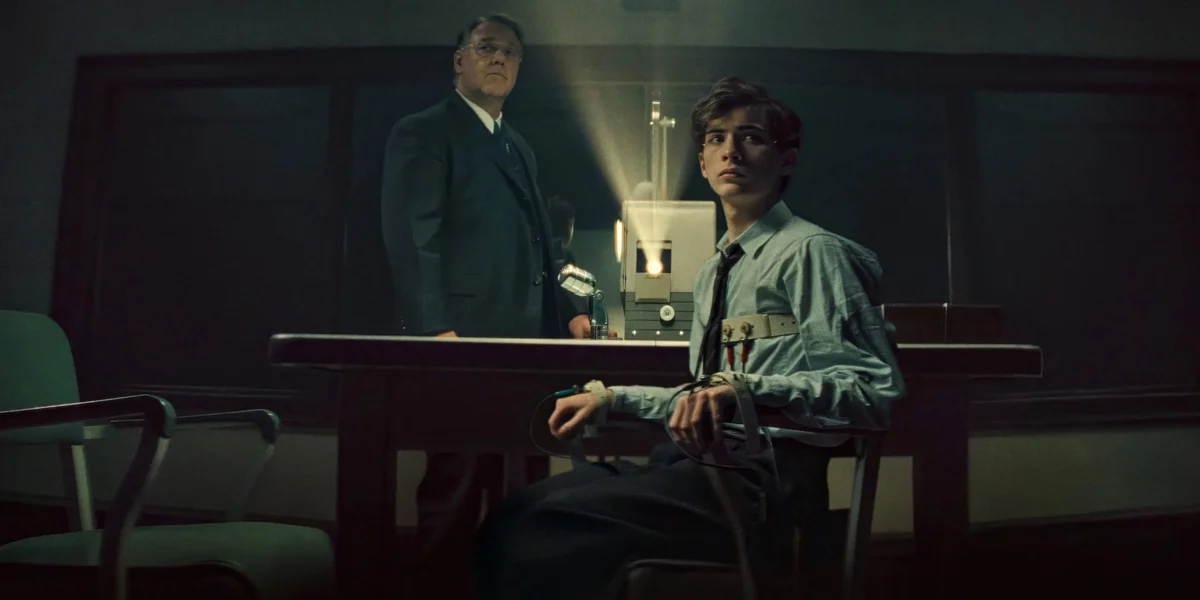
The film distinguishes itself by employing a dual-timeline structure designed to contrast the man’s intellectual promise with his eventual descent into violence. The narrative shifts between Kaczynski’s formative years at Harvard University—where he was a young, isolated mathematical genius—and the intense, multi-agency manhunt that consumed the Federal Bureau of Investigation (FBI) during the 1980s and 1990s. By juxtaposing these two distinct periods, director Janus Metz Pedersen seeks to provide viewers with a deeper understanding of the environmental and psychological pressures that fueled Kaczynski’s radicalization.
Jacob Tremblay takes on the challenging role of the young Kaczynski, while the broader cast navigates the high-stakes investigation that defined the final years of the 20th century. The film is slated for a worldwide release on Netflix on September 25, positioning it as a significant addition to the streaming platform’s library of true-crime dramas.
The Historical Context of the Unabomber Case
To understand the gravity of the film’s subject matter, one must examine the reality of the Unabomber’s spree. Between 1978 and 1995, Ted Kaczynski engaged in a relentless campaign of mail bombings that targeted individuals associated with modern technology, universities, and airlines. The moniker "Unabomber" was coined by the FBI, derived from the case name "UNABOM," which stood for "University and Airline Bomber."
Kaczynski’s campaign resulted in the deaths of three individuals and injured 23 others. Beyond the physical toll, the terror campaign exerted a massive psychological burden on the American public. The sophistication of his devices, combined with his elusive nature, made him one of the most sought-after fugitives in FBI history. The investigation eventually became the longest and most expensive manhunt in the history of the bureau, requiring unprecedented cooperation between federal agencies and private entities.
Chronology of the Terror Campaign
The timeline of the Unabomber case serves as a harrowing reminder of the era’s vulnerability:
- 1978: The first mail bomb is discovered at Northwestern University, marking the beginning of the series.
- 1979-1980: The scope of the attacks expands to include airline targets, leading to the involvement of the FBI.
- 1985: The first fatality occurs when Hugh Scrutton, a computer store owner, is killed by a package bomb in Sacramento, California.
- 1995: Kaczynski sends a 35,000-word manifesto, titled Industrial Society and Its Future, to major news outlets, demanding its publication in exchange for halting his attacks.
- 1996: Acting on a tip from Kaczynski’s brother, David, the FBI raids a remote cabin in Lincoln, Montana, apprehending the suspect.
Analyzing the Manhunt and FBI Tactics
The capture of Kaczynski was not the result of a traditional breakthrough in forensic ballistics or surveillance, but rather the culmination of linguistic analysis and familial intervention. The FBI’s decision to publish the manifesto—a move that sparked significant debate among law enforcement and the public at the time—ultimately proved decisive. David Kaczynski recognized his brother’s distinct writing style and political ideology within the text, leading him to contact the FBI.
This dynamic provides the foundation for the dramatic tension in the film. The production focuses not just on the explosive acts of violence, but on the intellectual cat-and-mouse game played by the authorities. Director Janus Metz Pedersen has emphasized that the film’s goal is to examine the "why" behind the radicalization process, rather than merely documenting the acts themselves. In interviews, Pedersen has noted the complexity of directing performances that must convey the isolation and intellectual rigidity Kaczynski possessed, noting the necessity of portraying him as a human figure rather than a caricature.

The Psychological Impact and Broader Implications
The Unabomber case continues to resonate in contemporary society, particularly as questions regarding the impact of rapid technological advancement grow more urgent. Kaczynski’s manifesto, while undeniably rooted in a murderous ideology, touched upon legitimate fears regarding the loss of human autonomy to industrial and technological systems.
Academic and social critics often analyze the Unabomber’s legacy as a cautionary tale regarding the fringes of intellectual discourse. By grounding the film in the academic environment of Harvard, the production invites audiences to consider how extreme isolation and perceived grievances can distort genius into radicalism. This approach elevates the film from a standard crime procedural to a character study that asks difficult questions about the responsibility of intellectuals and the societal structures that fail to integrate them.
Production and Creative Vision
The collaboration between Pedersen, Chalsen, and Greaves has been noted for its focus on historical accuracy and character-driven narrative. Russell Crowe’s involvement provides a substantial anchor for the investigative side of the plot, while the younger cast members bring a necessary intensity to the historical flashbacks. The film’s production design aims to capture the specific aesthetic of the late 20th century, contrasting the sterile, high-pressure environments of the FBI with the decaying, rugged isolation of the Montana wilderness.
As streaming services continue to dominate the distribution landscape for feature-length dramas, the release of Unabomber on Netflix is expected to draw a significant international audience. The platform’s ability to reach a global demographic ensures that the discourse surrounding the film will be expansive, potentially renewing interest in the historical records and FBI case files associated with the investigation.
Institutional Legacy and Future Reflections
The legacy of the Unabomber investigation remains a cornerstone of training for federal agents, particularly in the fields of criminal profiling and linguistic analysis. The case changed the way the FBI handles serial offenders and solidified the importance of public communication during high-stakes manhunts.
As the public prepares for the September 25th release, interest in the behind-the-scenes development of the film has surged. The production team has engaged with various media outlets to discuss the technical challenges of recreating 1990s-era forensics and the ethical considerations of portraying a real-world figure responsible for profound loss of life.
Ultimately, Unabomber serves as a cinematic examination of a fractured life and the far-reaching consequences of one man’s war against the modern world. By balancing the technical aspects of the investigation with the intimate details of Kaczynski’s life, the film promises to be a poignant and thought-provoking entry into the true-crime genre. Whether the audience is familiar with the historical specifics or coming to the story for the first time, the narrative is crafted to leave a lasting impression on the complexities of American history and the enduring shadows of the 20th century.