


The four-part Spanish miniseries titled The Final Problem, recently released on Netflix, presents a narrative framework that leans heavily into the tropes of the classic whodunit genre. Set against the isolated backdrop of the remote Santa Agueda island off the coast of Mallorca, the production seeks to deconstruct the archetype of the legendary detective Sherlock Holmes through the lens of a fictional, aging actor. While the series attempts to marry traditional murder mystery conventions with a meta-narrative conceit, the execution raises significant questions regarding pacing, character development, and the overall coherence of the mystery genre in contemporary streaming media.
Narrative Overview and Character Dynamics
The central protagonist of the series is Benjamin Basil, portrayed by José Coronado. Basil is established as a veteran Spanish actor whose career peak was defined by his portrayal of Sherlock Holmes in a series of film adaptations based on Arthur Conan Doyle’s iconic works. The character is depicted as struggling with personal decline, including issues with sobriety and a waning presence in the Hollywood industry. His journey to Santa Agueda is prompted by a professional proposition from a producer acquaintance, Fonseca, played by Gonzalo De Castro.
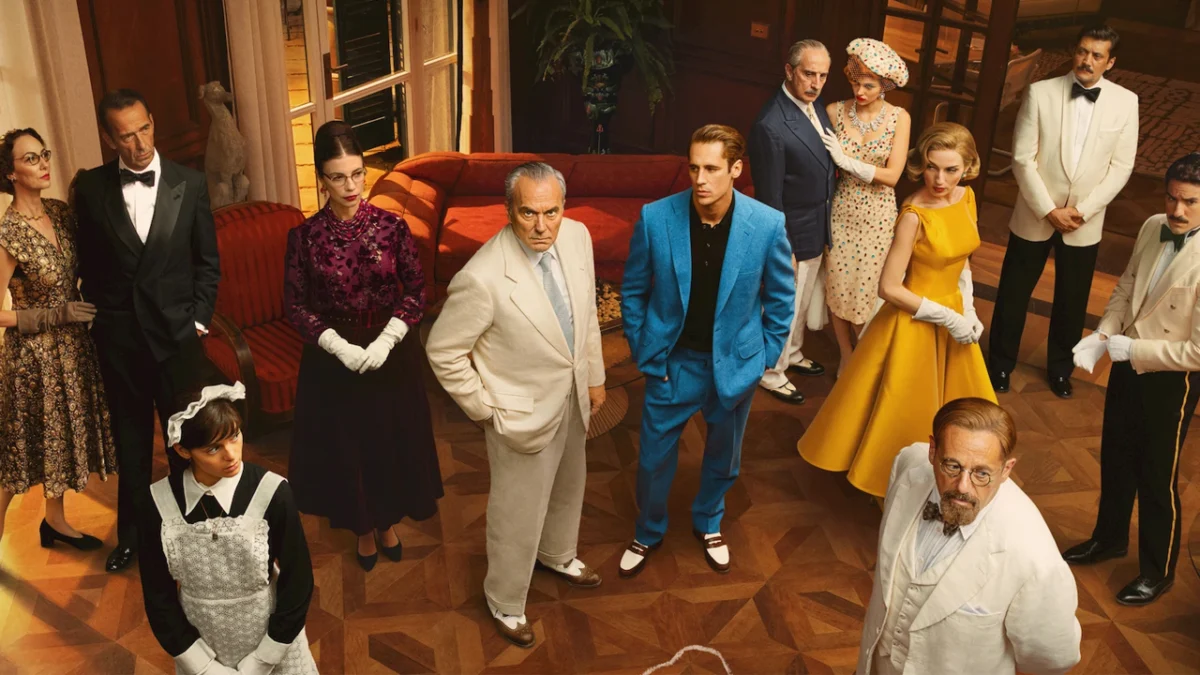
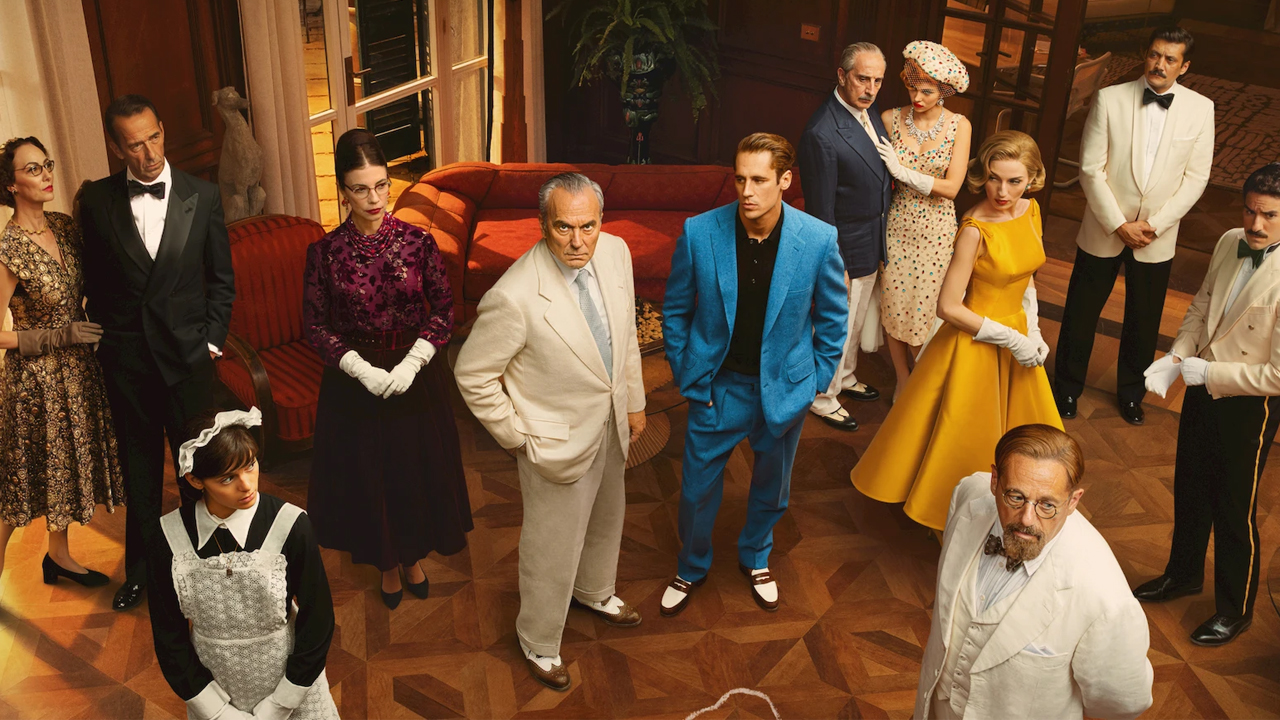
Upon their arrival at a remote establishment overseen by the manager Mrs. Ausländer, played by Maribel Verdú, the ensemble cast is introduced. The group includes the abrasive producer Fonseca, his young romantic partner Vicky (Cristina Kovani), and an aspiring crime novelist named Francisco Foxá (Martiño Rivas). The catalyst for the central plot is a stormy night followed by the discovery of a body, initially categorized as a suicide. Through Basil’s application of deductive reasoning—which he presumably honed through his extensive experience playing the detective—the event is reclassified as a homicide.
Chronological Development of the Mystery
The narrative trajectory follows a structured, albeit predictable, path. The discovery of the body serves as the inciting incident, immediately isolating the cast on the island due to a delay in the arrival of law enforcement. This classic “locked-room” scenario is a staple of the genre, designed to foster a sense of paranoia and urgency.
- The Arrival: Basil and his associates reach the Santa Agueda establishment under the pretense of discussing a new film role.
- The Inciting Incident: A violent storm isolates the island, coinciding with the discovery of the deceased.
- The Deduction Phase: Basil assumes the mantle of the investigator, utilizing his "Holmesian" training to scrutinize the remaining guests and the hotel staff.
- The Escalation: As the investigation proceeds, the lack of external authorities forces the characters to rely on internal suspect assessments, though the series struggles to maintain tension during this period.
- The Resolution: The narrative culminates in a final reveal, which serves to conclude the four-episode arc but has faced criticism for its lack of emotional or intellectual resonance.
Critical Analysis of the Meta-Narrative Conceit
A significant point of discussion regarding The Final Problem is its handling of the "actor-as-detective" premise. The series assumes that the audience will accept the concept of a method actor who has become so immersed in his role that he possesses near-supernatural observational skills. However, the screenwriters—Alberto Macías, Carlos Molinero, and Marisol Farré—opt to play the scenario with a high degree of seriousness rather than irony.
In the current landscape of mystery programming, where titles like Rian Johnson’s Knives Out and its sequel Glass Onion have successfully utilized humor, self-awareness, and subversion of genre expectations, The Final Problem chooses a more traditional approach. By failing to lean into the meta-humor of an actor being mistaken for a real investigator, or by not having other characters challenge his authority, the series misses an opportunity to offer a fresh perspective on the well-worn Holmesian template. The result is a procedural that treats its own premise with a rigidity that may alienate viewers accustomed to more dynamic storytelling.
Supporting Data and Production Context
The production of The Final Problem is part of a broader trend of Spanish-language content expansion on global streaming platforms. Netflix has invested heavily in regional content, with data indicating that non-English series often achieve significant viewership metrics by appealing to both local and international audiences.
- Format: 4-episode miniseries.
- Key Creative Team: Alberto Macías, Carlos Molinero, and Marisol Farré.
- Lead Cast: José Coronado, Maribel Verdú, Gonzalo De Castro, and Martiño Rivas.
- Genre: Mystery/Whodunit.
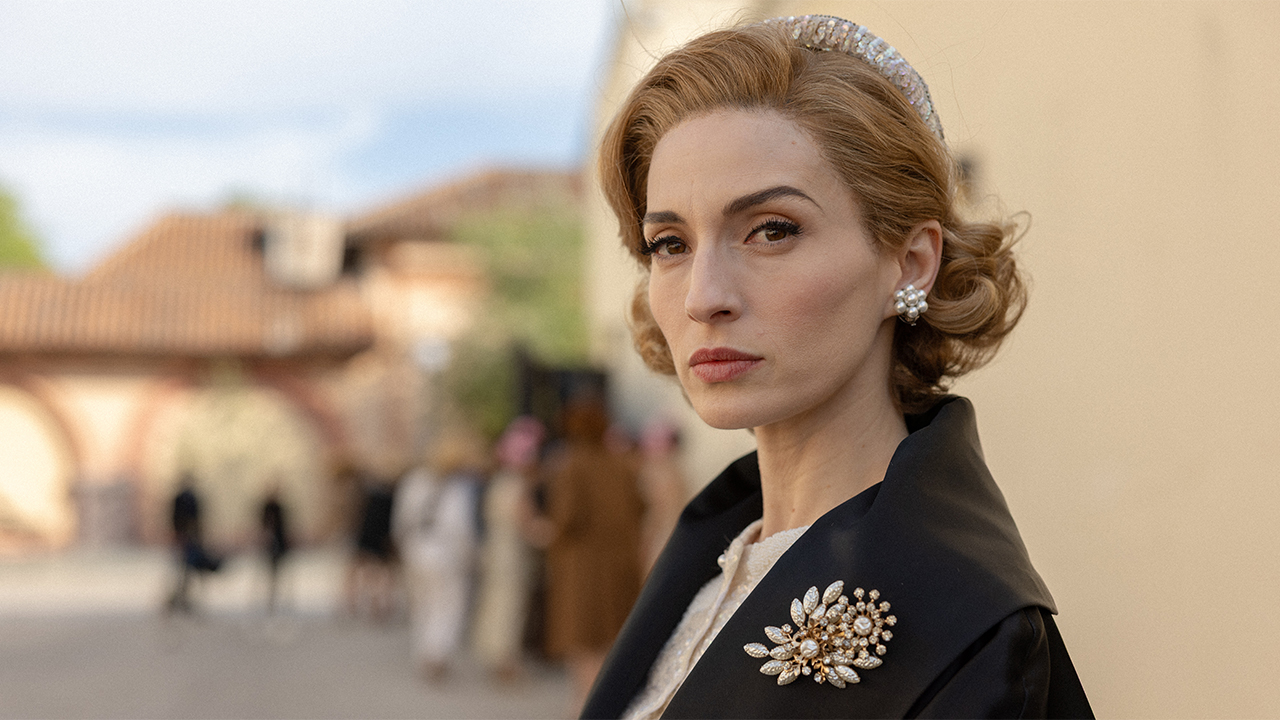
Despite the pedigree of the cast—specifically the inclusion of industry veterans like Coronado and Verdú—the production has faced scrutiny regarding the depth of its supporting characters. For instance, the role of Francisco Foxá, intended as a foil or "Watson" figure, is characterized by a lack of clear motivation, making his eventual suspicions regarding the protagonist feel unearned or underdeveloped. Similarly, the performance of María Valverde as the widow Adela Figueroa stands out as one of the few instances of nuanced character work, providing a brief departure from the otherwise static interactions of the supporting cast.
Implications for the Genre
The reception of The Final Problem highlights a growing fatigue with "by-the-numbers" mystery series that adhere too strictly to the conventions of Agatha Christie or Arthur Conan Doyle without offering a unique stylistic or thematic hook. While the aesthetic of a remote, isolated island remains a visually compelling setting, the lack of genuine suspense or a compelling "tapestry of suspects" limits the show’s impact.
From an analytical standpoint, the failure of the series to fully utilize the "actor playing a detective" trope is a missed opportunity for character-driven comedy or psychological drama. By treating the mystery partition with extreme sobriety, the writers have created a scenario where the audience is left to solve a puzzle that lacks the complexity or the high-stakes atmosphere required to justify its four-hour runtime.
Conclusion and Industry Response
The series serves as a case study in the risks of relying solely on established genre frameworks. While the technical aspects of the production—such as cinematography and location scouting—meet the high standards expected of prestige streaming television, the writing fails to provide the necessary narrative "spark" to maintain engagement across all four episodes.
As the streaming market continues to saturate with high-quality mystery content, viewers are increasingly discerning. Productions that fail to innovate or at least execute the standard tropes with exceptional panache are finding it difficult to gain traction in the critical discourse. Ultimately, The Final Problem stands as a reminder that a well-known archetype, when stripped of context and self-awareness, often struggles to stand on its own merits in the modern entertainment landscape. While individual performances provide glimpses of potential, the project as a whole is viewed by critics as a tepid contribution to the genre, suggesting that the "final problem" for the show is its inability to justify its own existence as a distinct, engaging, or necessary piece of television.