



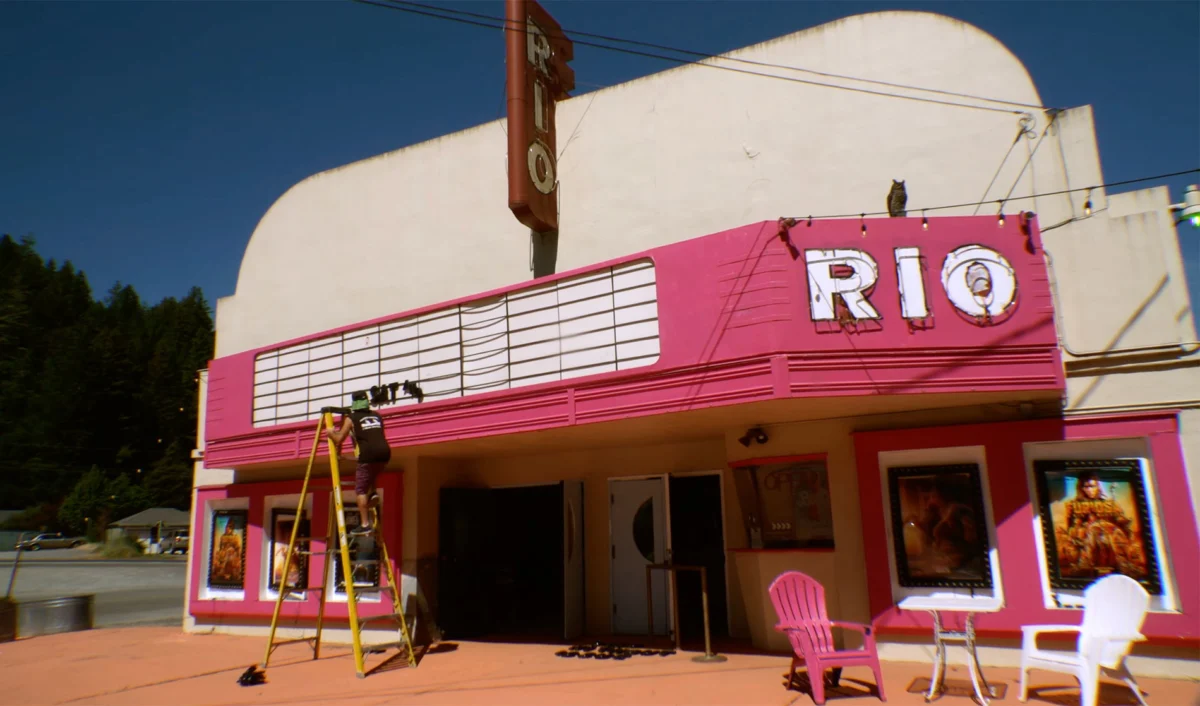
Foghorn Features has unveiled the official trailer for The Last Picture Shows, a poignant and timely documentary directed by Rustin Thompson that delves into the enduring, yet increasingly imperiled, legacy of movie theaters across the American West. Set to debut in select U.S. theaters on July 5th, 2026, with key openings in New York and Los Angeles slated for August, the film offers a nostalgic, often melancholic, but ultimately hopeful portrait of these cultural keystones. The documentary, which first premiered to critical acclaim at the 2026 Santa Barbara Film Festival, embarks on an ambitious journey spanning "Ten states. 10,825 miles. 123 theaters," charting the profound transformation of an industry grappling with unprecedented challenges.
The Evolving Landscape of American Cinemas
For generations, the local movie theater stood as an undisputed epicenter of community life, a place where shared stories unfolded on the silver screen, fostering collective wonder and connection. From the opulent picture palaces of the early 20th century to the charming single-screen venues that dotted countless small towns, these establishments were more than just entertainment venues; they were social hubs, first-date destinations, and communal gathering points. However, the American cinematic landscape has undergone a dramatic metamorphosis over the past several decades, driven by a confluence of technological advancements, shifting consumer habits, and economic pressures.

The decline of the traditional movie house began subtly, accelerated by the advent of home video in the late 20th century, which offered an unprecedented level of convenience. The proliferation of multiplexes in the 1980s and 90s, while expanding choice, often led to the closure of smaller, independent theaters unable to compete with the modern amenities and wider film selections. This trend of consolidation further marginalized community-focused cinemas, replacing unique architectural gems with standardized, often soulless, corporate chains. Data from the National Association of Theatre Owners (NATO) indicates a steady decrease in the number of single-screen theaters since the 1970s, starkly contrasting with the growth of multi-screen complexes.
The 21st century introduced an even more formidable adversary: the digital revolution and the rise of streaming services. Platforms like Netflix, Amazon Prime Video, and Disney+ fundamentally altered content consumption, offering vast libraries of films and television shows accessible from the comfort of one’s home. This paradigm shift was further exacerbated by the global COVID-19 pandemic, which forced widespread cinema closures, disrupted film production and distribution schedules, and instilled a lingering hesitancy among audiences to return to enclosed public spaces. The pandemic era saw a significant drop in box office revenues, with 2020 marking the lowest figures in decades, underscoring the fragility of the theatrical exhibition model. While a recovery has been observed, box office numbers have yet to consistently return to pre-pandemic levels, indicating a permanent recalibration of audience engagement with theatrical releases.
Rustin Thompson’s Odyssey: Tracing the Veins of Cinematic History
It is against this backdrop of industrial upheaval that Rustin Thompson, an acclaimed independent filmmaker known for works such as Spree and The Ends of the Earth, embarks on his ambitious exploration. The Last Picture Shows is not merely a historical retrospective; it is an active investigation into the contemporary state of these revered institutions. Thompson’s extensive journey across the American West serves as the documentary’s narrative spine, guiding viewers through a diverse array of cinematic spaces. He uncovers long-abandoned and forgotten cinemas, their grandeur faded and their screens gathering dust, standing as silent monuments to a bygone era. He encounters movie houses that have fallen into disrepair, their once vibrant marquees now dim, struggling against the relentless march of time and neglect.

Yet, Thompson’s narrative transcends mere lamentation. He also spotlights theaters recently closed, their doors shuttered due to insurmountable financial pressures or changing demographics, and others clinging precariously to existence, their future uncertain. Crucially, the film celebrates those remarkable establishments that, against all odds, are not only surviving but thriving. These are the "oases of community and gathering" that persist even in vast "cinema deserts"—regions with scarce access to theatrical screenings. The survival of these theaters, as Thompson eloquently demonstrates, is largely attributable to their "thoughtful caretakers"—dedicated owners, passionate volunteers, and local communities who recognize the invaluable cultural and social capital these venues represent.
A Deeper Look into the Caretakers and Communities
The heart of The Last Picture Shows lies in the human stories behind these structures. Thompson’s conversations with theater owners, projectionists, and local patrons reveal a profound sense of dedication and resilience. These individuals often view their work not merely as a business, but as a custodianship of local heritage and a vital service to their communities. Many have poured their life savings and countless hours into renovating and maintaining these historic venues, adapting them for modern audiences while preserving their unique character.
For instance, the documentary likely features stories of theaters that have reinvented themselves as multi-purpose community centers, hosting live music, theatrical performances, educational workshops, and local events alongside film screenings. Others might have embraced niche programming, focusing on independent films, classic cinema, or foreign language features to cultivate a loyal audience that values the curated experience. These adaptations highlight a proactive approach to survival, demonstrating that the future of cinema exhibition may lie in diversification and a renewed emphasis on the communal aspect of the experience, something streaming services cannot replicate. The film implicitly argues that the intrinsic value of the theatrical experience—the shared laughter, gasps, and tears in a darkened room, the anticipation of a new release, the collective immersion in a story—remains potent, even if its traditional delivery mechanisms are challenged.

Thematic Resonance and Intertextual Dialogue
Thompson’s documentary is not only a timely exploration of an industry in crisis but also a rich tapestry woven with intertextual references. Poetically interspersed throughout the film are excerpts from Peter Bogdanovich’s seminal 1971 classic, The Last Picture Show. This deliberate inclusion is a powerful artistic choice, creating a dialogue between the past and the present. Bogdanovich’s film, set in a desolate Texas town in the early 1950s, famously depicts the closure of the local movie house as a symbol of lost innocence and a changing America. By invoking this cinematic touchstone, Thompson underscores the enduring anxieties surrounding the fate of these cultural institutions while also providing a historical mirror to reflect contemporary struggles. The title itself, The Last Picture Shows, intentionally echoes Bogdanovich’s work, signaling a continuation of this cultural lament, yet with a crucial distinction: Thompson also seeks out the enduring "shows" that refuse to become "last."
The film delves into broader reflections on the past and present hardships facing the film exhibition industry. It examines the economic headwinds of consolidation, which have seen smaller chains and independent theaters absorbed by larger entities or forced out of business. It scrutinizes the impact of streaming and the diminishing theatrical window—the period during which a film is exclusively available in cinemas before migrating to home viewing platforms. This shrinking window poses a significant threat to theaters, as it reduces the exclusivity and urgency of the theatrical experience. Thompson’s work implicitly asks: what is lost when the communal ritual of movie-going fades? What happens to the cultural fabric of small towns when their "picture shows" go dark?
Release and Broader Implications

Following its initial positive reception at the 2026 Santa Barbara Film Festival, The Last Picture Shows is poised for a significant theatrical run. Foghorn Features’ decision to release the documentary in select U.S. theaters starting July 5th, with a strategic rollout in major cinematic hubs like New York and Los Angeles in August, suggests confidence in its appeal to both cinephiles and a broader audience interested in Americana and cultural preservation. The film’s official site, rustinthompson.com/last-picture-shows, serves as a central hub for further details, screening schedules, and presumably, opportunities for audiences to engage with the film’s themes and potentially support local cinemas.
The implications of The Last Picture Shows extend beyond mere cinematic critique. It serves as a potent reminder of the importance of tangible cultural spaces in an increasingly digital world. The documentary implicitly advocates for the preservation of these theaters, not just as historical artifacts, but as active, breathing components of community identity. It encourages viewers to reflect on their own relationship with the theatrical experience and consider the value of supporting local, independent cinemas. In an era where passive consumption dominates, the film champions the active, shared experience of watching a story unfold on a grand scale, surrounded by fellow enthusiasts.
Ultimately, The Last Picture Shows is a profound and visually stunning tribute to the architectural beauty, historical significance, and enduring spirit of America’s movie theaters. Through Rustin Thompson’s empathetic lens, audiences are invited on a deeply personal journey that navigates the complexities of an industry in flux, celebrating the resilience of those who refuse to let the magic of the movies fade from the silver screen. It is a compelling narrative for anyone who cherishes the unique wonder, contemplation, and connection that only a movie house can provide, reminding us that even amidst the shadows of decline, there are beacons of light illuminating the path forward for cinematic culture.