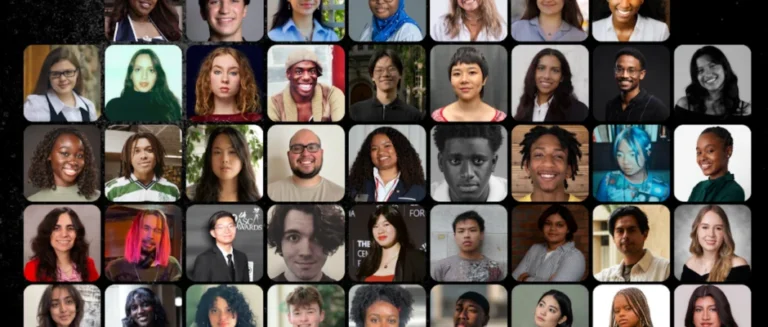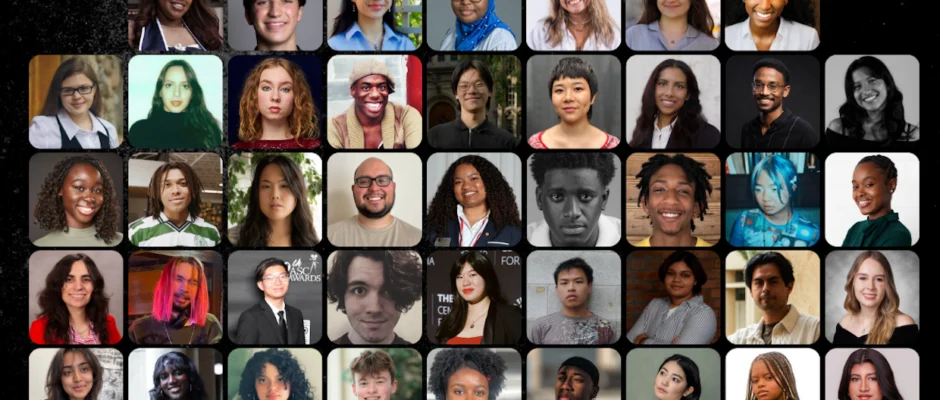
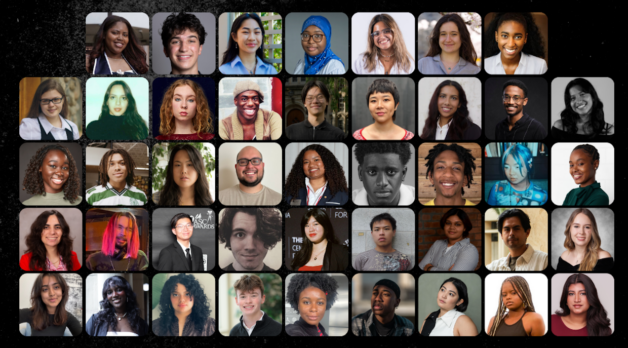
The Gotham Film & Media Institute, the non-profit organization and publisher of Filmmaker magazine, has officially revealed the 43 students selected for the 2026 edition of The Gotham EDU Film and Media Career Development Program. This eight-week virtual initiative is designed to bridge the gap between academic study and professional practice, providing a select group of college students from 31 different institutions across the United States with direct access to the inner workings of the global entertainment industry. Through a combination of structured mentorship, curated educational sessions, and practical pitch feedback, the program aims to equip the next generation of creators and executives with the roadmap necessary to navigate an increasingly complex media landscape.
As the entertainment industry continues to undergo rapid transformation driven by technological shifts and evolving distribution models, programs like Gotham EDU have become critical pipelines for talent. The 2026 cohort represents one of the most geographically and institutionally diverse groups in the program’s history, reflecting a concerted effort to democratize access to industry resources that have historically been concentrated in major coastal hubs like Los Angeles and New York City.
Evolution and Historical Context of the Gotham EDU Program
The Gotham EDU Film and Media Career Development Program was established in 2020, a year that marked a significant turning point for the film industry due to the global pandemic. Originally launched with a modest cohort of 22 students, the program was conceived as a response to the sudden cancellation of traditional internships and the need for virtual professional development. Over the past six years, the program has nearly doubled in size, reflecting both the growing demand for specialized media training and the success of its virtual-first model.
The transition to an eight-week virtual format was initially a necessity, but it has since become a strategic pillar of the program. By maintaining a digital structure, The Gotham is able to include students who might otherwise be barred from participating due to the high costs of travel and housing. The 2026 edition continues this tradition of accessibility, ensuring that students from a wide array of backgrounds—ranging from Ivy League institutions like Yale and Princeton to specialized arts colleges like CalArts and public universities like New Mexico State—can participate on equal footing.
Specialized Career Tracks and Curricula
A defining feature of the 2026 program is its division into six distinct tracks, each tailored to specific career trajectories within the media ecosystem. This specialization allows students to receive targeted guidance that aligns with their professional goals.
The Sidney Poitier Initiative (SPI) Track for Multi-Hyphenates
Named in honor of the legendary actor and trailblazer, this track is designed for students who do not wish to be confined to a single discipline. In the modern industry, the "multi-hyphenate"—the writer-director-producer or actor-creator—is becoming the standard. The SPI track provides these students with the tools to manage multifaceted careers, supported directly by the Sidney Poitier Initiative.
Executive Leadership and Ambassador Track
Recognizing the need for diversity within the executive ranks of Hollywood, this track focuses on the business and administrative side of film and media. Participants in this track explore talent management, development, and distribution. A unique component of the 2026 program includes the opportunity for these students to shadow professionals at companies such as Storm City Films, providing a rare look at high-level decision-making processes.
Television and Episodic Creator Track
As streaming platforms continue to prioritize serialized content, this track prepares students for the rigors of the writers’ room and the specific demands of episodic storytelling. Students learn the nuances of pilot development, showrunning, and the seasonal architecture of modern television.
Documentary Filmmaker Track
Focusing on non-fiction storytelling, this track emphasizes the ethical, logistical, and creative challenges of documentary production. Students receive feedback on how to navigate the funding landscape for non-fiction and how to manage long-term projects that often require years of dedication.
Narrative Filmmaker Track
This track serves traditional aspiring directors and screenwriters, focusing on the craft of fictional storytelling. The curriculum covers everything from script development to on-set leadership and post-production management.
Entrepreneurship in Media Track
Supported by Joe and Christie Marchese, this track addresses the reality that many modern filmmakers must operate as small business owners. It covers media tech, independent financing, and the creation of sustainable production companies.
Strategic Partnerships and Financial Support
The viability of the Gotham EDU program is sustained through a robust network of corporate, philanthropic, and institutional backers. For the 2026 cycle, the program is supported by the Burke Family Foundation, NBCUniversal, Colgate University, and Yale University. This collaborative funding model is what allows The Gotham to offer the program with full tuition coverage for all 43 participants.
By removing the financial barrier to entry, the program ensures that merit and vision remain the primary criteria for selection. This is particularly significant given the rising costs of higher education and the often unpaid or low-paid nature of entry-level positions in the film industry. The involvement of major entities like NBCUniversal also provides students with a direct link to one of the world’s largest media conglomerates, offering insights into the corporate side of the industry that are often difficult to obtain in an academic setting.
Leadership Perspectives on Industry Impact
The leadership at The Gotham emphasizes that the program is about more than just education; it is about providing a practical "roadmap" for students who often arrive with immense talent but little knowledge of how to navigate the professional world.
Kia Brooks, The Gotham’s Managing Director, noted that the 2026 cohort is characterized by a high level of drive and a clear vision of where the industry is heading. According to Brooks, the tracks were specifically designed to reflect current industry trends, ensuring that the skills being taught are immediately applicable in a professional context.
Jeffrey Sharp, The Gotham’s Executive Director, highlighted the importance of "unfiltered access." He suggested that the program’s vitality stems from the honesty of the industry professionals who serve as mentors. These professionals, who have previously included representatives from Netflix, MGM, MACRO, and Blumhouse, provide a realistic look at the industry, moving beyond theoretical discussions to address the actual day-to-day work required to succeed.
The 2026 Timeline and Gotham Week
The program is scheduled to run from June 15 through August 6, 2026. While the core curriculum is delivered virtually, the experience culminates in a transition to real-world networking. Select students from the cohort will be invited to attend Gotham Week, which is scheduled for September 27 through October 3. Gotham Week is a premier industry event that brings together creators, financiers, and distributors, offering students a platform to apply their newly acquired skills in a high-stakes environment.
The 2026 Gotham EDU Cohort
The 43 students selected for the program represent a cross-section of the next generation of American media talent. Below is the full list of participants and their respective tracks:
Executive Ambassador Track
- Ayana Ahuja (Brown University)
- Layla Santana (St. John’s University)
- Sierra Bleu Bivins (Emerson College)
Executive Leadership Track
- Ashley Dunbar (Colgate University)
- Ava Maire Mc Dermott (Pace University)
- Avantika Matele (Princeton University)
- Gabriela Acensio (Oglethorpe University)
- Nil Mira Celik (American University)
Narrative Filmmaker Track
- Chenjun Gao (Yale University)
- Eduardo Diaz Sandoval (New Mexico State University)
- Kai Tomizawa (New York University)
- Lynn Nguyen (Brown University)
- Nicholas Diodato (Rutgers University)
- Tramaine Raphael Gray (CalArts)
- Will Beere (Colgate University)
SPI Track for Multi-Hyphenates
- Amber Dhall (New York University)
- Brian Wade (Feirstein Graduate School of Cinema)
- Chiamaka Okafor (University of Connecticut)
- Ganiah Lucinda Bracy (Washington & Jefferson College)
- Grant Fortune (Howard University)
- Isabella Maaliki (New York University)
- Mareme Fall (Vassar College)
Entrepreneurship in Media Track
- Aric Julian Lopez (University of Southern California)
- Dominique de Castro (Columbia University)
- Kyara Gandara (San Diego State University)
- Mary Moussa (Hunter College)
- Saifeddine Lahmar (Northwestern University)
- Xavier Peng (Chapman University)
Television/Episodic Creator Track
- Amy B. Tiong (Northwestern University)
- Essence Jackson (Howard University)
- Haley Sakamoto (Stonybrook University)
- Kahley Burwell (Loyola Marymount University)
- Nathaniel Kron (Colgate University)
- Nicole Viloria (Yale)
- Trish Owyang (Columbia College Chicago)
Documentary Filmmaker Track
- Alexus Anderson (Georgia State University)
- Alice Adriana Estrada (Tufts University)
- Christian Lee (UCLA)
- Edward Nguyen (Yale)
- Joshua Jones (Colgate University)
- Kg Giroux (New York University)
- Logan R. St Hilaire (The Ohio State University)
- Toby Nicholson (Colgate University)
Analysis of Broader Implications for the Film Industry
The continued growth of the Gotham EDU program signals a broader shift in how talent is scouted and developed in the entertainment sector. For decades, the "gatekeeper" model dominated, where entry into the industry was largely dependent on personal networks and the ability to relocate to Los Angeles. By utilizing a virtual platform and a diverse selection process, The Gotham is actively challenging this model.
The inclusion of an "Entrepreneurship in Media" track is particularly telling of the current economic state of filmmaking. With the contraction of traditional studio deals and the rise of independent financing, the modern filmmaker must be as adept at reading a balance sheet as they are at directing a scene. This program recognizes that creative talent alone is no longer sufficient for a long-term career; financial literacy and business acumen are now essential components of a filmmaker’s toolkit.
Furthermore, the emphasis on "Multi-Hyphenates" through the Sidney Poitier Initiative suggests that the industry is moving away from hyper-specialization. In an era where creators can produce, edit, and distribute their own content via digital platforms, the ability to wear multiple hats is a competitive advantage. The Gotham EDU program is positioning its students to thrive in this decentralized environment.
As the 2026 cohort prepares to begin their sessions in June, the impact of their participation will likely be felt in the years to come. By fostering a community of diverse, well-trained, and business-savvy young professionals, The Gotham is not only supporting individual careers but is also contributing to the long-term resilience and inclusivity of the film and media industries.