

The National Football League and Paramount Global’s Skydance-led leadership have entered a critical phase of negotiations to renew the media rights for the league’s Sunday afternoon package on CBS, marking a significant shift in the sports broadcasting landscape. According to sources familiar with the ongoing discussions, the two parties are moving toward a deal that would see a substantial price increase for Paramount, with the bid-ask spread currently hovering around a 50% to 60% premium over existing rates. Under the current agreement, CBS pays an average of approximately $2.1 billion annually for its package of Sunday games. A 50% increase would elevate that annual commitment to more than $3 billion, a figure that reflects the NFL’s unparalleled leverage in an increasingly fragmented media market.
In exchange for this significant financial commitment, the NFL has reportedly offered to eliminate the opt-out clause originally slated for the 2029-30 season. This clause was a central component of the 11-year, $110 billion media rights package signed in 2021, which runs through the 2033-34 season. By waiving this exit right, the league provides Paramount with long-term certainty for its most valuable programming asset, while the league secures a massive infusion of revenue ahead of schedule. If finalized, the new payment structure would take effect as early as next season and extend for the remaining eight years of the contract.
The Catalyst for Early Renegotiation: Change of Control
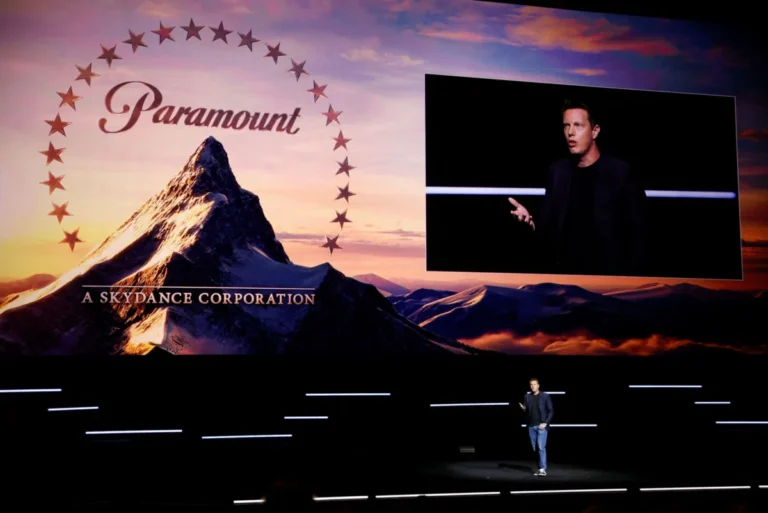
The impetus for these early talks, which come years before the standard renewal window, stems from a "change-of-control" provision triggered by Skydance Media’s acquisition of Paramount Global. In July 2025, the Federal Communications Commission approved the $8 billion merger, a move that fundamentally altered the ownership structure of CBS’s parent company. This corporate shift granted the NFL a legal window to potentially exit its deal with Paramount by 2027.
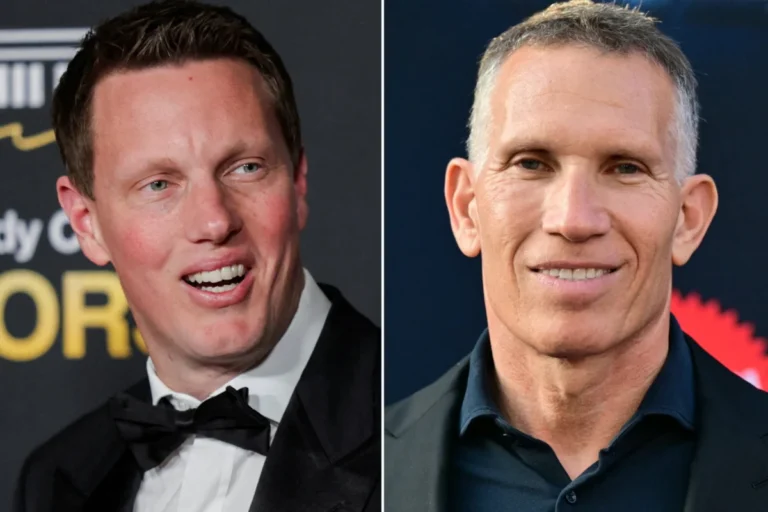
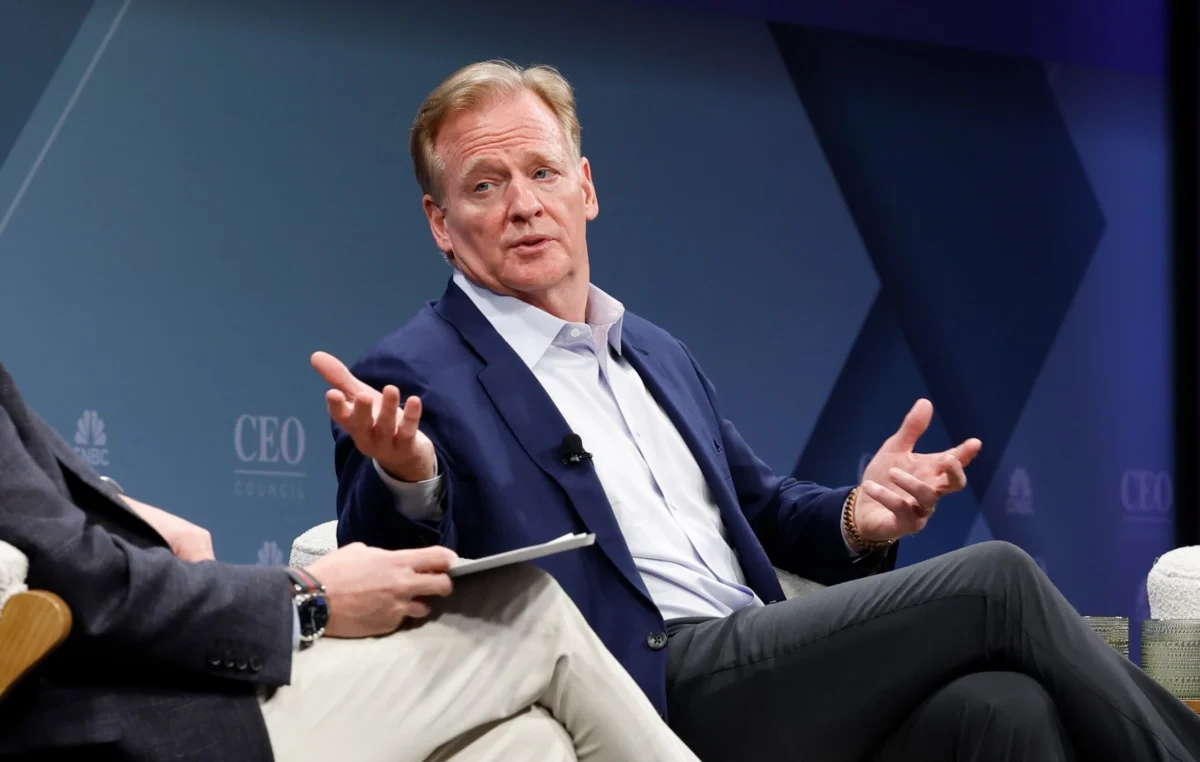
Rather than exercising that exit to find a new partner, NFL Commissioner Roger Goodell appears to be leveraging the provision to reset the market rate for Sunday afternoon broadcasts. By starting with Paramount, the league sets a high-water mark for its other broadcast partners. David Ellison, the CEO of the newly formed Paramount-Skydance entity, has emphasized the necessity of the partnership. Speaking at the CNBC CEO Council in Arizona in May 2025, Ellison described the NFL as one of the company’s "most important partners," following a historic season that included a record-breaking Super Bowl broadcast.
The strategic importance of the NFL to CBS cannot be overstated. As traditional linear television faces headwinds from cord-cutting, live sports—and the NFL in particular—remain the primary driver of both advertising revenue and subscriber retention for the Paramount+ streaming service. The league’s decision to prioritize Paramount for early negotiations is also a logistical one; by securing a 50% to 60% increase here, the NFL establishes a precedent for its upcoming discussions with Fox, NBC, and Disney.
Chronology of the NFL Media Rights Evolution
To understand the current negotiations, one must look at the trajectory of the NFL’s media strategy over the last decade. In 2021, the league finalized a landmark set of agreements that nearly doubled its previous media revenue. That deal brought Amazon Prime Video into the fold as the exclusive home of Thursday Night Football, while maintaining long-standing partnerships with CBS, Fox, NBC, and ESPN/ABC.
The timeline of these agreements is structured as follows:
- March 2021: The NFL signs 11-year deals with CBS, Fox, NBC, Amazon, and Disney, totaling over $110 billion.
- July 2025: The FCC approves the Skydance-Paramount merger, triggering the change-of-control clause.
- February 2026: Super Bowl LX takes place at Levi’s Stadium, demonstrating the continued massive reach of the NFL on broadcast television.
- May 2025 – May 2026: Paramount and the NFL engage in intensive price discovery and term negotiation.
- 2029-2030: The original opt-out period for NBC, Fox, and Amazon.
- 2031: The original opt-out period for Disney (ESPN/ABC).
The current negotiations represent a mid-cycle correction that allows the league to capitalize on the rising value of live content before the broader economic landscape shifts further toward digital distribution.
Financial Projections and Corporate Mergers
The financial stakes for Paramount are heightened by its broader corporate strategy. Paramount Chief Financial Officer Dennis Cinelli recently informed investors that the company’s adjusted projection for earnings before interest, taxes, depreciation, and amortization (EBITDA) for 2026 is $3.6 billion. However, this figure could be dwarfed if a proposed merger with Warner Bros. Discovery (WBD) receives regulatory approval.
A combined Paramount-WBD entity would have a projected adjusted EBITDA of $18 billion. Such a merger would consolidate two of the most significant sports portfolios in the world, combining the NFL on CBS with WBD’s rights to the NBA (subject to ongoing litigation and new deals), MLB, and the NHL. For the NFL, a more financially robust partner reduces the risk of long-term default on rights payments, further justifying the removal of the opt-out clause.
The Ripple Effect Across the Broadcast Industry
The NFL’s success in squeezing more revenue from CBS is sending shockwaves through the executive suites of other major broadcasters. Fox Corporation, which pays approximately $2.2 billion annually for its Sunday afternoon package, is widely expected to be the next network at the negotiating table. Fox CEO Lachlan Murdoch has acknowledged that the relationship remains "mutually beneficial," but he also noted at the Morgan Stanley Technology, Media & Telecom Conference that the company would need to "rebalance" its sports portfolio to accommodate the rising costs of the NFL.
This "rebalancing" suggests that Fox and other networks may have to let go of secondary sports rights to afford the "must-have" NFL content. This sentiment is echoed by Mark Lazarus, CEO of Versant (the parent company of NBCUniversal and CNBC). Lazarus indicated that as the NFL consumes a larger share of broadcast budgets, networks might pivot toward sports like the NHL or Major League Baseball, which offer high volume at a lower relative cost.
Meanwhile, a growing tension is emerging among the "Big Three" legacy broadcasters (NBC, CBS, and ABC/Disney) regarding the NFL’s relationship with Amazon. Executives at NBC and Disney have privately expressed concerns that the strength of Sunday Night Football and Monday Night Football is being diluted. In recent years, the NFL has shifted more high-quality matchups to Amazon’s Thursday Night Football to bolster the streaming platform’s value.
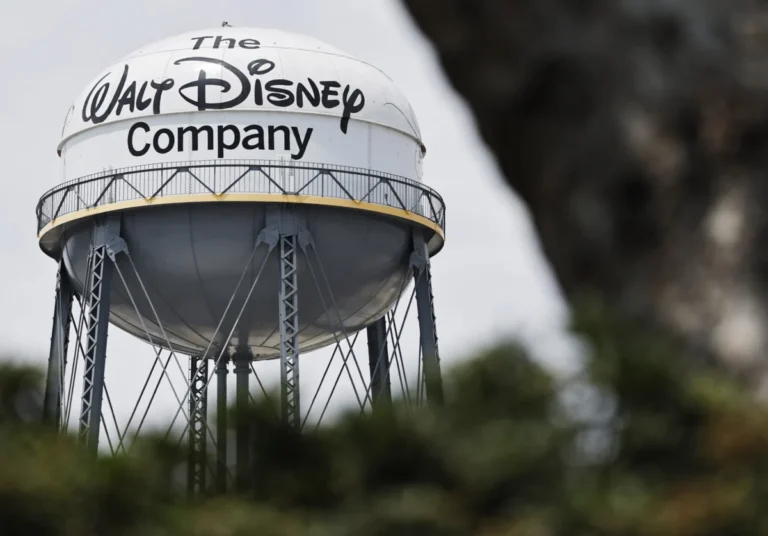
Disney, which currently pays a premium of $2.7 billion for the Monday Night Football package, faces a particularly daunting prospect. If the NFL seeks a similar 50% increase from Disney, the annual cost would exceed $4 billion. Analysts suggest Disney would likely balk at such a figure, potentially leading to a standoff or a restructuring of how games are distributed across ESPN and the ABC broadcast network.
Broader Market Implications and the Future of Sports Rights
The outcome of the NFL-Paramount negotiations will serve as a bellwether for the entire sports industry. Other leagues, most notably the NHL, are watching closely. NHL Commissioner Gary Bettman is currently navigating the expiration of the league’s deals with Disney and WBD after the 2028 season. Sources indicate that Bettman has sought to renew his deals early, but the uncertainty surrounding the Paramount-WBD merger has created a logjam. The NHL will likely have to wait for the dust to settle on the NFL’s major renewals before it can find its place in the new budgetary reality of these media giants.
The removal of the 2029-30 opt-out clause for CBS also signals a shift in the NFL’s long-term strategy. By locking in partners for the full duration of the 11-year cycle at higher rates, the league is insulating itself against potential volatility in the streaming market or a further decline in the traditional cable bundle. It also ensures that the league remains the undisputed anchor of the American media economy for the next decade.
As the negotiations proceed, the focus will remain on whether the NFL can maintain this 50%-plus growth trajectory across all its partners. While the league’s ratings remain dominant—often accounting for 90 or more of the top 100 most-watched television programs annually—the ability of media companies to monetize these rights through traditional advertising is under pressure. The pivot to streaming-first valuations, where subscriber acquisition and churn reduction are the primary metrics, will ultimately determine if a $3 billion-plus annual price tag for Sunday afternoon football is sustainable for Paramount and its peers.
For now, the NFL appears to have the upper hand, utilizing corporate mergers and change-of-control clauses to accelerate its revenue growth. The finalization of the CBS deal will likely trigger a domino effect, forcing Fox, NBC, and Disney to decide how much they are willing to pay to stay on the field with the most powerful force in entertainment.