Vietnam’s cinematic landscape has been undergoing a significant transformation in recent years, with a burgeoning output of genre films garnering increasing international attention. This surge in creative output, characterized by a diverse range of narratives and a growing technical proficiency, positions Vietnam as a notable player in the global film festival circuit. The latest testament to this trend is Quoc Trung Do’s "Phi Phong: The Blood Demon," a supernatural horror film that has earned a coveted screening at the prestigious Neuchâtel International Fantastic Film Festival (NIFFF). This selection underscores the growing recognition of Vietnamese filmmakers’ ability to craft compelling genre stories that resonate with international audiences.
The film’s inclusion at NIFFF, a festival renowned for its dedication to showcasing the cutting edge of fantasy, science fiction, and horror cinema, speaks volumes about the quality and thematic depth of Vietnamese productions. Over the past half-decade, titles such as "The Soul Reaper," "Spirit Whisker: The Revenant," and "The Ancestral Home" have, in various capacities, achieved international acclaim, hinting at a deeper wellspring of talent and storytelling innovation within the country. "Phi Phong: The Blood Demon" now joins this distinguished roster, further solidifying Vietnam’s reputation as a source of exciting and original genre content. The Neuchâtel International Fantastic Film Festival, established in 2000, has become a crucial platform for discovering emerging talent and promoting the artistic evolution of genre filmmaking. Its programming decisions are closely watched by industry professionals and cinephiles alike, making an official selection a significant marker of a film’s potential.
Narrative and Thematic Exploration
At its core, "Phi Phong: The Blood Demon" delves into the dark recesses of Vietnamese folklore, weaving a tale of ancient curses and the enduring power of family. The narrative centers on Con (Kieu Minh Tuan) and Duong (Minh Anh), two apprentice shamans embarking on a perilous journey into the remote mountains. Their mission is to rescue their mother, who has fallen victim to the Phi Phong curse, a malevolent entity steeped in mountain mythology and known for its bloodthirsty nature. This ancient demon has cast a long shadow over generations, its legend a chilling reminder of the untamed forces that lie beyond human comprehension.
Parallel to the siblings’ quest, a series of increasingly gruesome deaths grips a remote village. Suspicion quickly falls upon Mon (Diep Bao Ngoc) and her daughter Lua (Nina Nutthacha), whose peculiar behaviors and unsettling aura bear an uncanny resemblance to the manifestations of the demon itself. The film masterfully builds an atmosphere of paranoia and dread, illustrating how the isolated community relies heavily on arcane rituals and ancient superstitions for protection against the encroaching evil. This intricate tapestry of local beliefs and practices forms the bedrock of the film’s narrative strength, allowing it to explore not only supernatural horror but also the unsettling complexities of human nature. The film skillfully probes the depths of village hysteria, leaving the audience to grapple with the unsettling question of whether Mon is the true harbinger of doom or if a more human, manipulative force is exploiting the pervasive fear and madness.
The film’s commitment to exploring its cultural roots is a significant contributing factor to its critical reception. Vietnamese folklore is rich with spirits, demons, and ancestral tales, providing a fertile ground for horror narratives. "Phi Phong: The Blood Demon" taps into this heritage, offering a glimpse into a world where the spiritual and the material realms are inextricably linked. This connection to local mythology differentiates it from more generic horror fare, imbuing it with a unique cultural flavor that appeals to audiences seeking authentic and culturally specific cinematic experiences.
Cinematic Execution and Spectacle
When the supernatural elements of "Phi Phong: The Blood Demon" are unleashed, the film delivers a series of truly spectacular and unsettling moments, particularly within the creature-feature framework. The possession sequences are a standout, transforming ordinary villagers into terrifying, almost bestial figures driven by a chilling, gleeful malevolence. The demon’s ability to traverse between bodies maintains a constant state of high tension, ensuring that no character is truly safe and leaving the audience guessing who will succumb next. This dynamic element is complemented by impressive special effects that elevate the ritualistic combat scenes, adding a visual grandeur to the supernatural confrontations.
The film culminates in a climactic showdown within a subterranean cave. This chaotic battle pits the possessed villagers against the resilience of a seasoned shaman and the determination of the two siblings. The sequence is a thrilling amalgam of supernatural curses, dark magic, and a profound emotional test of Con and Duong’s bond. It effectively balances the fantastical elements with a grounded emotional core, all while delivering a compelling twist regarding the insidious mechanism by which the curse propagates. The visual design of the demon and its manifestations, while rooted in local lore, is rendered with a visceral intensity that translates effectively to the screen, providing memorable and frightening imagery.
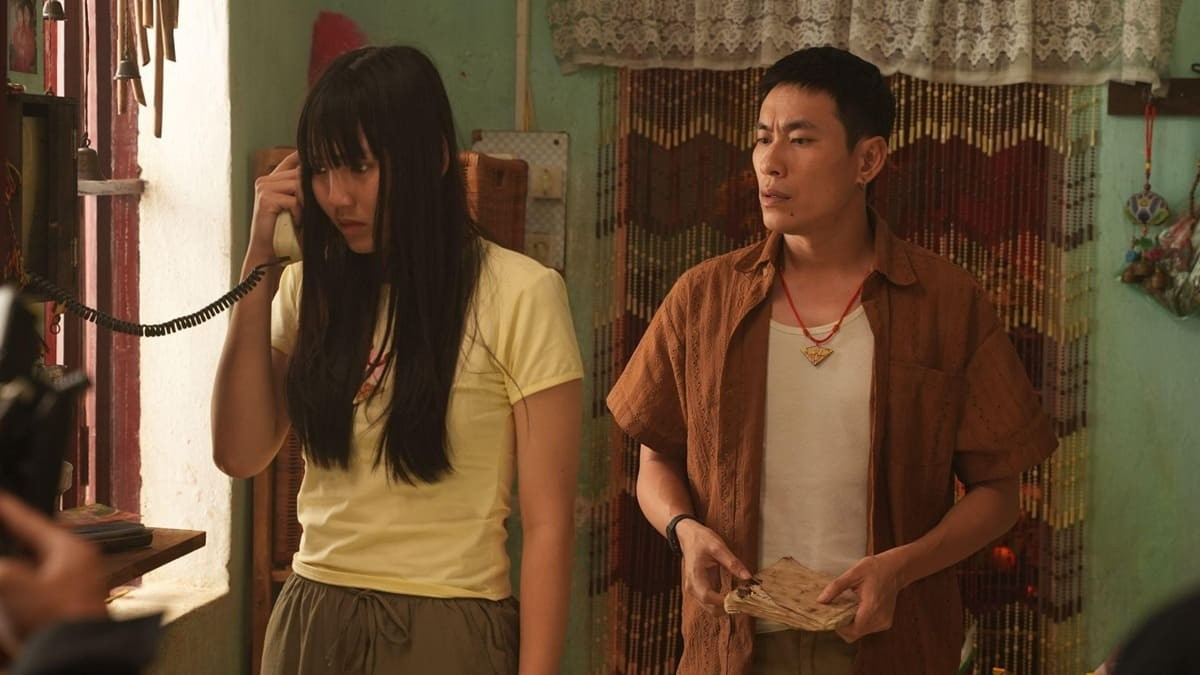
The production design and cinematography play crucial roles in establishing the film’s oppressive atmosphere. The remote mountain setting, often shrouded in mist and darkness, becomes a character in itself, amplifying the sense of isolation and vulnerability. The visual storytelling effectively conveys the fear and desperation of the villagers, underscoring the psychological toll of living under the constant threat of the Phi Phong. This meticulous attention to detail in crafting the film’s aesthetic contributes significantly to its overall impact, immersing the audience in its dark and mystical world.
Challenges in Narrative Clarity and Pacing
Despite its many strengths, "Phi Phong: The Blood Demon" encounters some notable challenges in its execution, particularly concerning its narrative accessibility for a global audience. A significant hurdle lies in its reliance on the viewer possessing prior familiarity with the Phi Phong lore. While the creature is deeply embedded within regional Vietnamese mythology, international viewers or those unacquainted with this specific legend may find the supernatural rules and intricate details somewhat perplexing. The film, unfortunately, does not invest sufficient effort in elucidating the demon’s origins and motivations through its own narrative devices. This lack of exposition can, at times, diminish the perceived stakes of Con and Duong’s ultimate mission, as the underlying threats and their implications are not always clearly communicated.
Furthermore, the film’s final act suffers from an overabundance of narrative twists and clandestine revelations. This abrupt influx of exposition, delivered in a concentrated manner, has the effect of stalling the film’s hard-won narrative momentum precisely at a point where it should be accelerating towards its conclusion. Consequently, the finale can feel unnecessarily convoluted and somewhat rushed, detracting from the overall impact of the climax. This "plot dump" phenomenon, where crucial information is delivered rapidly at the end, is a common pitfall in genre filmmaking, and "Phi Phong: The Blood Demon" falls prey to it to a degree that impacts its otherwise strong pacing.
The challenge of balancing cultural specificity with universal appeal is a delicate act for many international films. While the film’s deep roots in Vietnamese folklore are a source of its uniqueness, they also present an inherent barrier to comprehension for audiences unfamiliar with that cultural context. Future Vietnamese genre productions might benefit from incorporating more explicit world-building elements or subtle explanations of their mythological underpinnings to ensure broader accessibility without sacrificing their cultural authenticity. This would allow international audiences to engage more fully with the intricate lore and the thematic depth of these narratives.
Broader Implications for Vietnamese Cinema
"Phi Phong: The Blood Demon," despite its narrative and expository shortcomings, stands as a compelling example of the recent wave of successful Vietnamese horror films. It represents a significant step forward in the country’s cinematic journey, demonstrating a growing confidence in exploring complex themes and sophisticated visual storytelling within the genre. The film’s success on the festival circuit, particularly at a reputable event like NIFFF, signifies a positive trajectory for Vietnamese cinema on the international stage. This increased visibility not only promotes individual films but also contributes to a broader perception of Vietnam as a hub for creative and high-quality genre filmmaking.
The implications of this growing recognition are multifaceted. For Vietnamese filmmakers, it offers greater opportunities for international co-productions, distribution deals, and access to global talent and resources. For the Vietnamese film industry as a whole, it can lead to increased investment, cultural exchange, and a more robust cinematic infrastructure. The international appreciation for films like "Phi Phong: The Blood Demon" also serves to challenge existing stereotypes about Asian cinema, showcasing the diversity of storytelling and artistic expression emanating from the region.
The success of films rooted in specific cultural mythologies also highlights a growing global appetite for diverse and authentic cinematic experiences. Audiences are increasingly seeking out stories that offer a glimpse into different cultures and traditions, making Vietnamese folklore-driven horror a particularly attractive proposition. This trend suggests a promising future for genre cinema from Vietnam and other emerging cinematic powers, as they continue to captivate and engage audiences worldwide with their unique perspectives and compelling narratives. The continued commitment to exploring rich cultural heritage, coupled with a dedication to refining filmmaking techniques, will undoubtedly cement Vietnam’s position as a vital contributor to the global genre film landscape.
In conclusion, "Phi Phong: The Blood Demon" is a testament to the evolving strength of Vietnamese horror. While it may present some challenges for viewers unfamiliar with its specific folkloric underpinnings and experiences some pacing issues in its final act, its rich thematic exploration, captivating atmosphere, and impressive visual execution make it a noteworthy entry into the genre. For enthusiasts of Asian horror or anyone who appreciates folklore-driven supernatural thrillers, "Phi Phong: The Blood Demon" is a highly recommended viewing experience, further solidifying Vietnam’s growing reputation in the world of international cinema. The film’s journey through festivals like NIFFF serves as a beacon, illuminating the path for future Vietnamese cinematic endeavors to reach and resonate with a global audience.