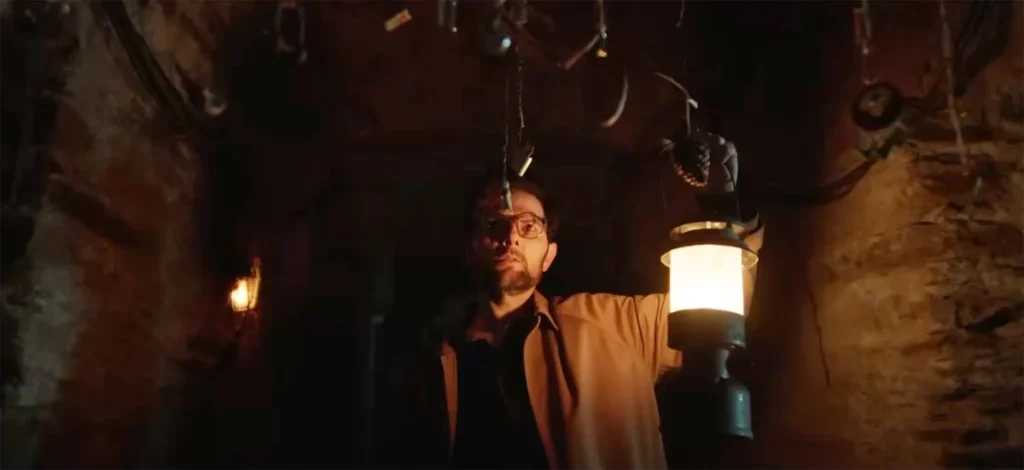


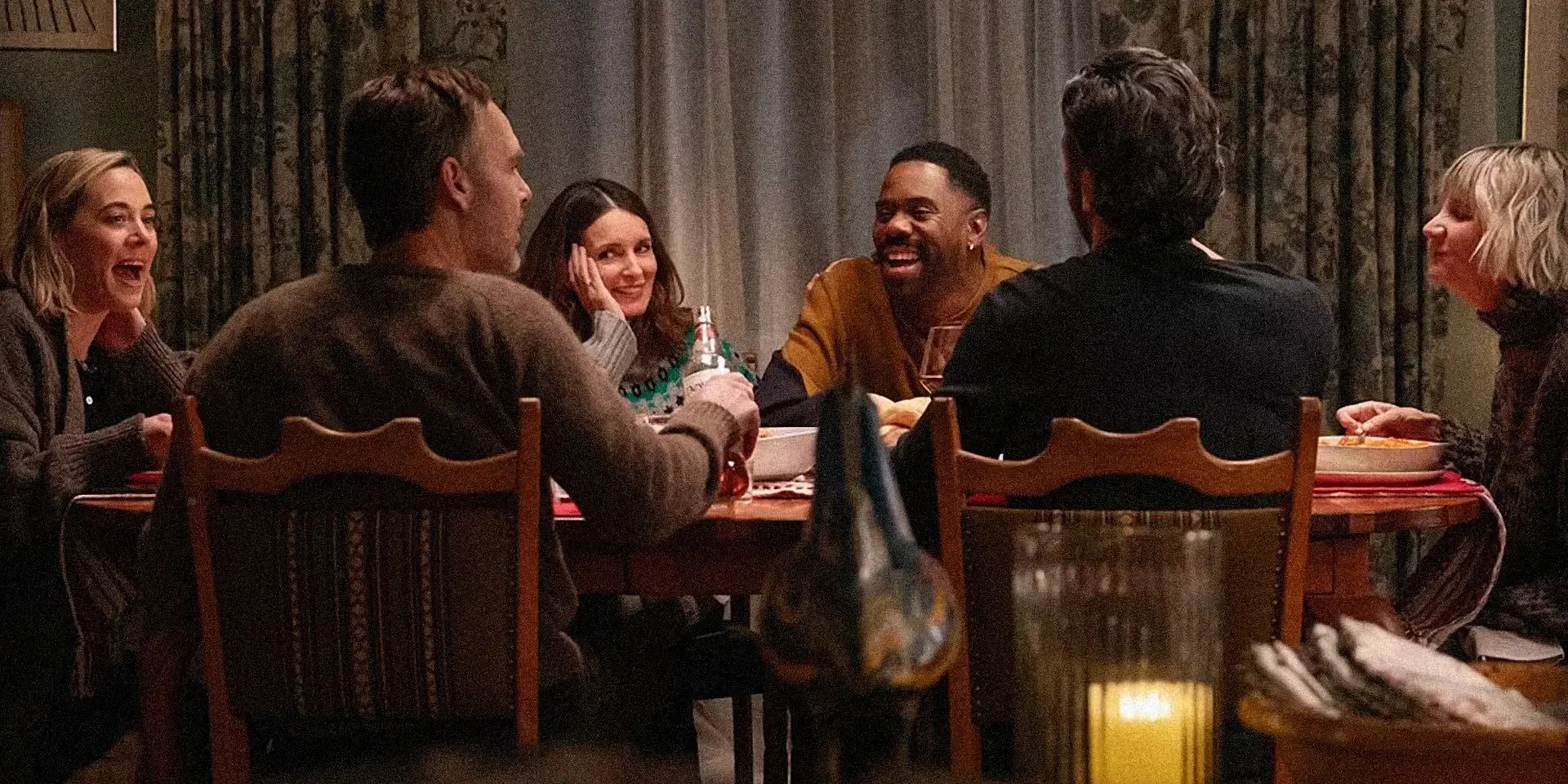
The enduring bonds of friendship, particularly those forged over decades and tested by life’s inevitable upheavals, form the emotional core of the second season of Tina Fey’s acclaimed comedy-drama, The Four Seasons. Picking up in the aftermath of a significant loss, the series delves deeper into the complexities of long-term relationships, navigating the delicate balance between grief, personal growth, and the unwavering need for connection. While the initial season laid the groundwork, establishing the comfortable rhythm of quarterly weekend getaways shared by three married couples, the sophomore outing bravely tackles a more somber narrative, proving that even in the face of tragedy, laughter and camaraderie can provide a crucial lifeline.
The Premise: Navigating Loss and Shifting Dynamics
At the heart of The Four Seasons is a core group of friends whose decades-long friendship is the bedrock of their lives. This ensemble, featuring a stellar cast including Tina Fey as Kate, Will Forte as Jack, Kerri Kenney-Silver as Anne, Marco Calvani as Claude, Erika Henningsen as Ginny, Colman Domingo as Danny, and the late Steve Carell as Nick, faces a profound challenge as the second season commences. The unexpected death of Nick, a pivotal character whose midlife crisis and complicated romantic entanglements were central to the first season’s arc, casts a long shadow over the group. The narrative picks up several months after Nick’s passing, with the remaining core five—along with Ginny, Nick’s significantly pregnant and surprisingly energetic girlfriend—grappling with the emotional fallout. Their initial attempt to honor Nick’s memory by scattering his ashes on a mountain during a spring getaway immediately highlights the new tensions and unresolved issues within the group.
A Season of Transition: From Celebration to Somber Reflection
The transition from the lighthearted, albeit occasionally fraught, dynamics of the first season to the heavier themes of the second is a deliberate creative choice by creators Tina Fey, Lang Fisher, and Tracey Wigfield. While the first season closely adhered to the narrative of the 1981 film of the same name, the expansion into a second season provided the writers with the freedom to forge a new path. The departure of Steve Carell’s character, Nick, necessitated a significant shift in the show’s trajectory, leaving a void that the remaining ensemble must now navigate. This season, the creators have opted to explore the more profound implications of loss and the inherent challenges of maintaining long-term relationships when faced with such significant life events.
The opening episodes of the second season immediately establish the simmering conflicts that have emerged in Nick’s absence. Anne, Nick’s ex-wife, portrayed with sharp wit by Kerri Kenney-Silver, and Ginny, played by Erika Henningsen, find themselves in a clandestine feud over Nick’s finances. This covert antagonism, played out against the backdrop of their shared grief and their attempts to maintain a semblance of normalcy for their friends, adds a layer of dramatic tension. Meanwhile, Claude (Marco Calvani) and Danny (Colman Domingo) experience their own growing pains, particularly when the sensitive topic of children arises, hinting at potential future divergences in their paths. Kate, as ever, finds herself in the role of emotional anchor, attempting to comfort her husband, Jack, who appears to be taking Nick’s death the hardest.
Character Arcs: Evolution and Revelation
As the season progresses and the initial shock of Nick’s death begins to recede, the characters are forced to confront their own evolving needs and desires. The writers have commendably shifted the focus, allowing individual character arcs to take center stage. Kate and Jack’s relationship, which experienced a predictable see-sawing of status in the first season, becomes less of a central plot point, though its ongoing evolution remains a subtle undercurrent. The creators have wisely chosen to streamline these familiar dynamics, allowing for greater exploration of other characters.
Danny and Claude’s storylines demonstrate a more organic progression. While they face challenges, their individual growth and ability to communicate more healthily allow them to navigate these issues with a newfound maturity. The strong bond between Danny and Kate, a highlight of the previous season, is tested this year, yet the undeniable chemistry between Colman Domingo and Tina Fey ensures that this crucial friendship remains a steadfast element of the series.
Perhaps the most significant character development of the season lies with Anne. Freed from her marriage to Nick and now an empty nester, she embarks on a journey of self-discovery, seeking a new purpose. Kerri Kenney-Silver’s portrayal is masterful; she imbues Anne with a resilience and charm that prevents the character from succumbing to self-pity. Instead, her quest for meaning resonates with a relatable vulnerability, making her a compelling figure in the ensemble.

A Shift in Tone: From Banality to Profundity
A notable improvement in the second season is its pacing and narrative depth. While the first season sometimes felt like a series of snapshots, with significant time passing between episodes without adequate exploration of the interim, the second season effectively bridges these gaps. The plot and character development unfold more seamlessly, creating a more cohesive and engaging viewing experience. The creators have addressed the critiques of shallow storytelling, offering a more immersive narrative that reflects the gradual nature of healing and adaptation.
The stakes, while lower in terms of external crises, are arguably higher emotionally. The season delves into the pervasive sense of grief that accompanies the loss of a close friend, moving beyond the perceived banality of middle-aged concerns to explore the harder truths of life. This pervasive undercurrent of sadness, while lending a certain heaviness to the proceedings, is skillfully balanced by the sharp wit and impeccable comedic timing of the veteran performers. The humor, though more subdued than in the first season, often lands with a poignant resonance, offering moments of levity amidst the emotional weight. The banter among the friends may occasionally feel less congruous, a natural consequence of their individual struggles, but the strength of the acting and the consistent storytelling make the season an undeniably bingeable watch.
The Ensemble: The Undeniable Draw
The true strength of The Four Seasons lies in its exceptional ensemble cast. Each performer brings a unique brilliance to their role, elevating the material and creating a believable and compelling group dynamic. Colman Domingo continues to be a standout, delivering his signature blend of sardonic wit, insightful judgment, and effortless style. His presence alone is a significant draw for the series. Tina Fey’s comedic timing remains as sharp as ever, though one might wish for her character, Kate, to have more moments of personal humor beyond her role as the emotional support for her husband. Will Forte, while capable of much more, often finds his character, Jack, relegated to a more somber role, which, at times, detracts from the show’s comedic potential. Kerri Kenney-Silver’s return as Anne is a triumph. Her dry humor and graceful portrayal of a woman navigating a significant life transition are a welcome and vital addition to the second season.
The World of "The Four Seasons": More Than Just Exotic Locales
The series’ commitment to showcasing aspirational settings—from luxurious homes to breathtaking vacation destinations—serves as more than just a visual backdrop. These exotic locales act as a seventh character, offering a glimpse into a world of apparent privilege where money, family, and strong friendships seem to offer a perfect life. However, The Four Seasons consistently reminds its audience that beneath this polished surface lie the universal complexities and imperfections of long-term relationships.
As the characters age, the inevitability of loss becomes a more palpable reality, and the rigidity of established lives makes adaptation more challenging. The show’s exploration of moving forward, of leaning on loved ones during difficult times, is a timeless theme. In the hands of Tina Fey and her talented team, this exploration is infused with the characteristic humor and charm that have endeared them to audiences for years. The series ultimately offers a poignant and often humorous reflection on the enduring power of friendship in the face of life’s most profound challenges.
Supporting Data and Context
- Original Film Inspiration: The series is a reimagining of the 1981 film The Four Seasons, directed by and starring Alan Alda. The original film also explored the dynamics of three couples and their annual vacations, though the narrative was less focused on the impact of death.
- Creative Team: The series is created by Tina Fey, Lang Fisher, and Tracey Wigfield, a trio known for their work on other successful comedic projects, including 30 Rock and Unbreakable Kimmy Schmidt. This shared background contributes to the show’s consistent comedic voice and sharp writing.
- Cast Turnover: The significant narrative shift in Season 2, particularly the absence of Steve Carell’s character, Nick, is a crucial element that distinguishes it from the original film’s trajectory. Carell’s departure from the core ensemble necessitated a reevaluation of the show’s thematic direction.
- Critical Reception of Season 1: The first season was generally well-received for its strong ensemble cast and Fey’s signature humor, though some critics noted pacing issues and a reliance on familiar comedic tropes. The second season’s attempt to address these criticisms by deepening the narrative and character development is a key focus of reviews.
- Thematic Resonance: The exploration of midlife crises, marital challenges, and the impact of grief are themes that resonate with a broad audience, particularly those in a similar age demographic. The series taps into universal experiences of aging, loss, and the evolving nature of long-term friendships.
Broader Impact and Implications
The success of The Four Seasons in its second season signals a growing audience appetite for television that balances humor with genuine emotional depth. The show’s willingness to tackle sensitive topics like grief and the complexities of aging within a comedic framework demonstrates a maturation of the genre. For creators and networks, this suggests that audiences are ready for more nuanced storytelling, even within the realm of comedy. The series’ ability to retain its core comedic appeal while delving into heavier themes is a testament to the talent of its writers and performers, and it sets a precedent for how similar themes can be explored in future productions. The ensemble nature of the show also highlights the enduring appeal of strong character-driven narratives, where the chemistry and interplay between actors can be as compelling as any plot-driven storyline. Ultimately, The Four Seasons offers a hopeful message: that even in the face of life’s most difficult moments, the bonds of friendship and the power of laughter can provide solace and a path forward.