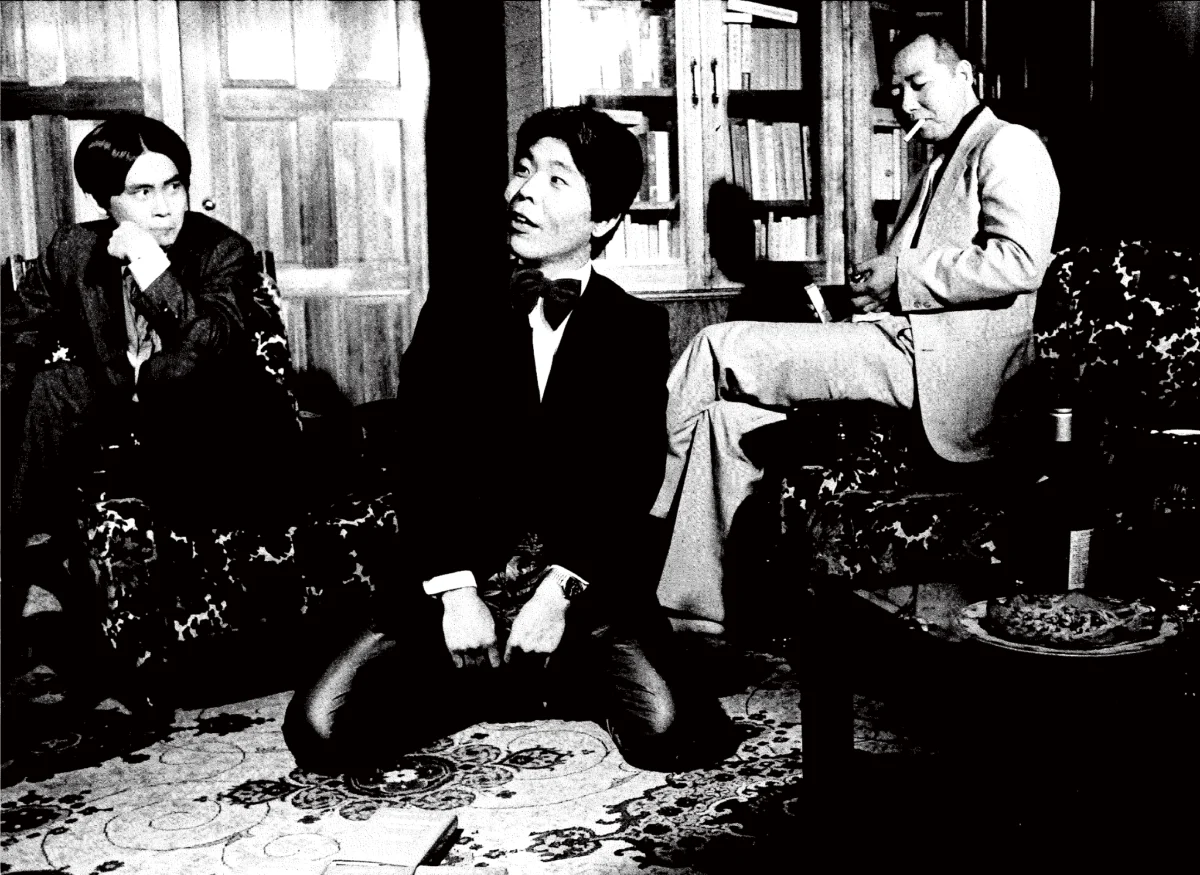
Akira Suei, a figure whose life and career are inextricably linked to the tumultuous and often controversial landscape of Japanese publishing, has carved a unique path from humble beginnings to becoming a pivotal editor and essayist. Born in Okayama Prefecture in 1948, Suei’s early life was marked by a diverse array of experiences, including stints as a factory worker and a cabaret sign painter, before he found his calling in the burgeoning world of self-publishing. His journey, deeply intertwined with the history of Byakuya-Shobo, a publishing house he helped establish and shape, offers a fascinating lens through which to view the evolution of Japanese erotic media, censorship, and cultural expression over several decades. This exploration delves into the key milestones of Suei’s career, the rise of Byakuya-Shobo, and the complex interplay of art, commerce, and societal norms that defined his influential work.
The Genesis of Byakuya-Shobo and Suei’s Editorial Ascent
The story of Akira Suei’s professional life is inseparable from that of Byakuya-Shobo. The company traces its origins to December 4, 1975, when it was founded as Self Publishing by Shintaro Morishita. Initially, the focus was on adult literature and niche subcultures, a market ripe for exploration in post-war Japan. By 1977, the company was officially incorporated as Byakuya-Shobo, signaling a transition towards a broader publishing scope, though its early identity remained deeply rooted in adult-oriented content. Headquartered in Tokyo’s Toshima-ku, Byakuya-Shobo would soon become a significant player in the Japanese media landscape.
Akira Suei’s direct involvement began with the founding of Self Publishing, which later transformed into Byakuya-Shobo. His tenure as chief editor marked a significant period for the company, particularly in the 1980s. During this time, Suei spearheaded a series of erotic magazines that would define the era, including New Self, Weekend Super, and Shashin Jidai. These publications were not merely collections of images and text; they were cultural artifacts that reflected and shaped societal attitudes towards sexuality, censorship, and artistic expression.
Early Life and the Shadow of Tragedy
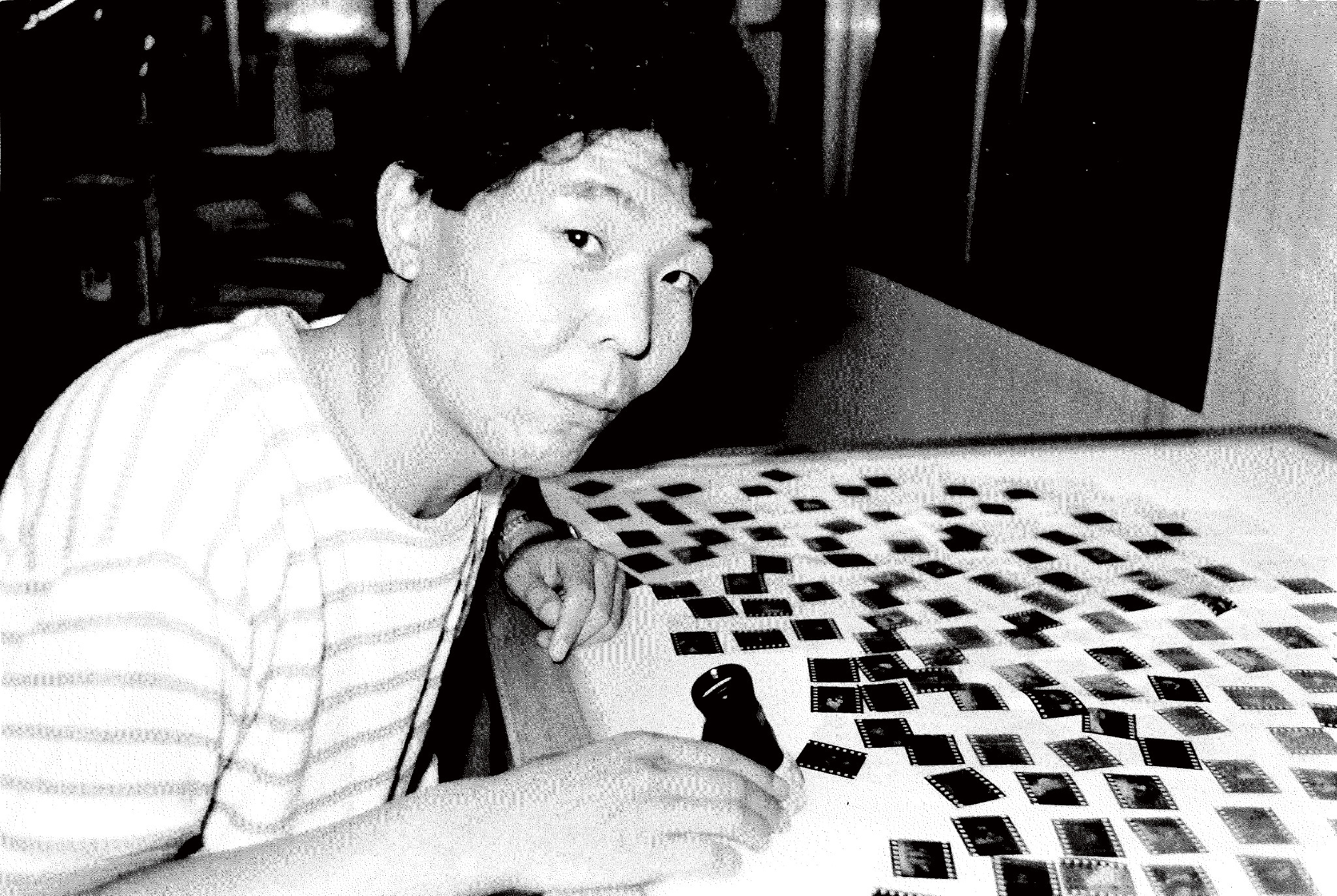
Suei’s personal narrative is marked by a profound and tragic event that would indelibly shape his worldview and artistic sensibilities. He recounts the death of his mother in an explosion, a stark reminder of the volatile nature of life and the unexpected ways in which explosive materials could be accessed. His mother, along with a neighborhood man, died by suicide using dynamite. This event, rooted in a remote area of Okayama Prefecture known for its mines, highlighted the lax security surrounding explosives, a detail that speaks to a less regulated industrial past. This personal tragedy, while not directly fueling his creative output in a straightforward manner, undoubtedly cast a long shadow, influencing his perspective on life’s fragility and the potential for explosive consequences.
Suei’s narrative deliberately eschews the conventional trope of overcoming adversity as a direct motivational force for his art. Instead, he describes a more passive, "flowing" existence, where he is carried along by circumstances and encounters. This perspective is crucial to understanding his approach to his career and his interactions with other artists. He cites his chance meeting with renowned photographer Nobuyoshi Araki as an example of this passive yet transformative process, where influence and change occur organically through shared experiences. This "feminine way of being," as he describes it, contrasts with a more aggressive, self-driven approach to artistic development.
The Shinjuku Oiwake Bombing: A Personal Connection to Chaos
A second, deeply unsettling event that marked Suei’s life was the Shinjuku Oiwake Police Box Bombing Incident on Christmas Eve in 1971. While working as a cabaret sign painter, Suei was immersed in the commercialized atmosphere of the holiday season, an experience he found artificial and detached. The bombing, which injured several pedestrians and cost a police officer his leg, was a violent act that intruded upon the manufactured festivity. The true shock came months later when Suei discovered that the perpetrator was his wife’s younger brother, who was involved with a radical leftist group known as the Black Helmet faction.
This revelation brought the volatile undercurrents of Japanese society directly into Suei’s personal life. The subsequent legal battle, his wife’s family’s involvement, and the extended pre-trial detention and eventual long prison sentence for his brother-in-law, painted a picture of political radicalism and its severe consequences. Suei’s participation in the defense committee, including legally adopting his brother-in-law to facilitate visits, underscores the profound impact this event had on him and his family. The legal adoption, later dissolved, highlights the lengths to which individuals would go to navigate the complex legal and familial responsibilities arising from such incidents.
Navigating Censorship: The Art of the Implicit
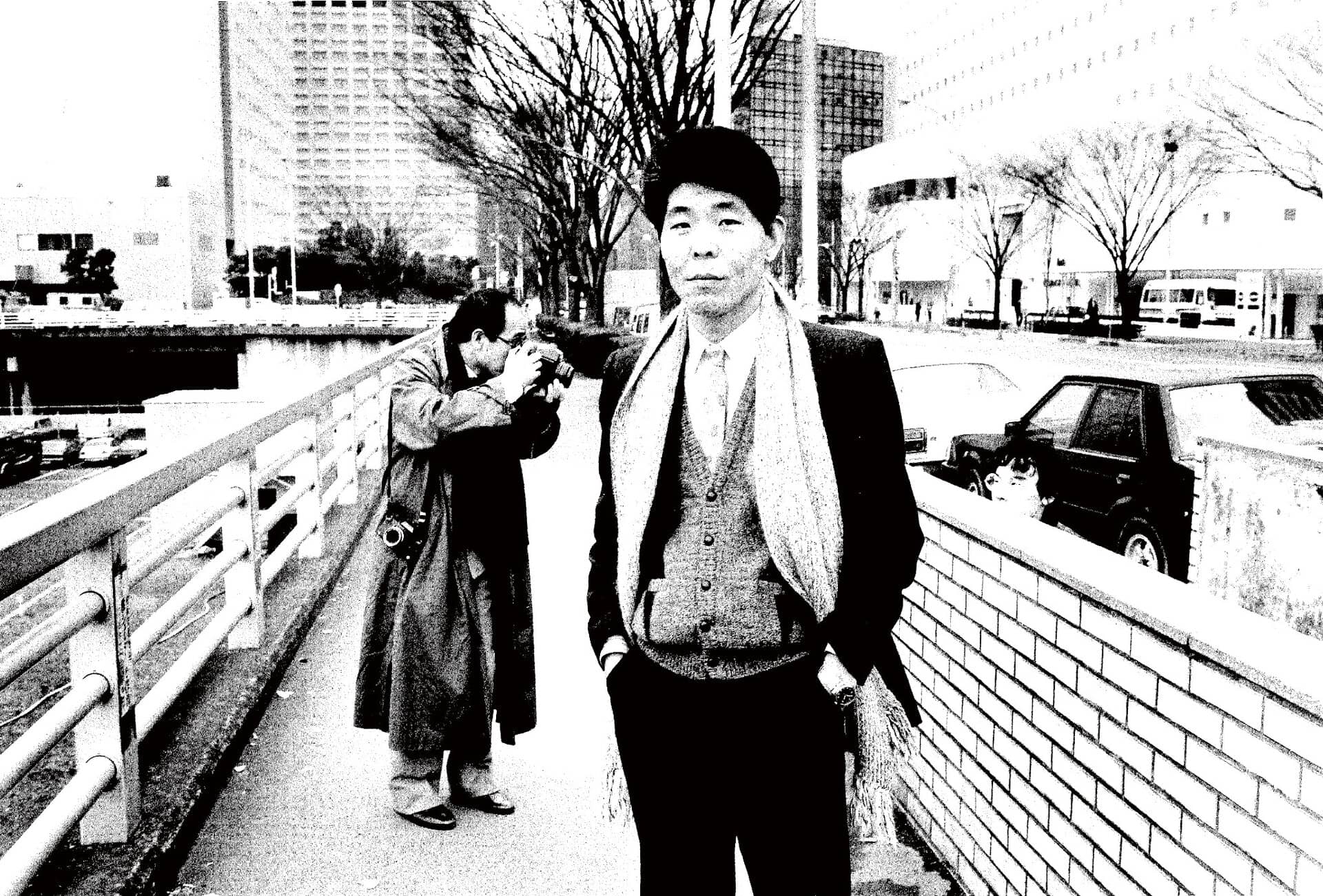
The editorial work of Akira Suei at Byakuya-Shobo was defined by a constant negotiation with Japan’s strict censorship laws. The era in which he operated saw evolving, yet consistently present, regulations governing the publication of explicit material. Notably, Shashin Jidai gained prominence in the 1980s, featuring the work of influential photographers like Nobuyoshi Araki. The magazine, alongside others like Manga Burikko (a lolicon hentai manga magazine) and Billy (focused on extreme fetishes), pushed boundaries while adhering to legal constraints.
Suei’s insights into navigating these regulations are particularly telling. He recounts the surreal situation where full frontal nudity was prohibited, yet publications featuring minors were, under specific conditions, allowed. The crucial distinction lay in the visibility of genitalia. As long as minors were below a certain age and no genitals were shown, the content was generally tolerated. This created a complex gray area, forcing editors and photographers to be meticulously careful. The informality of sourcing child models, often through word-of-mouth, further complicated matters.
A strict rule during photo shoots was the mandatory presence of a parent or guardian. This served as a crucial layer of consent and legal protection, ensuring that parents observed the entire process. Suei also details the creative circumvention of censorship. He describes how, when confronted with police scrutiny over visible pubic hair, editors resorted to suggesting models shave. This tactic initially seemed like a breakthrough, reducing the censored area significantly. However, the authorities quickly escalated their demands, stating that any area where hair should grow had to be fully concealed, a rule that proved difficult to implement consistently.
The controversy surrounding Kanako Higuchi’s late-1980s photo book and Rie Miyazawa’s Santa Fe photobook exemplify the heated debates surrounding artistic expression and censorship. Suei recalls the unofficial coordination with the Tokyo Metropolitan Police regarding Santa Fe, where the decision was made to allow its publication to avoid further backlash, suggesting a pragmatic approach to enforcement rather than rigid adherence to the letter of the law in all instances. This period highlights a dynamic where artistic intent, legal restrictions, and public perception constantly influenced each other.
The "Jōcho" Factor: Eroticism and Intimacy in Japanese Culture
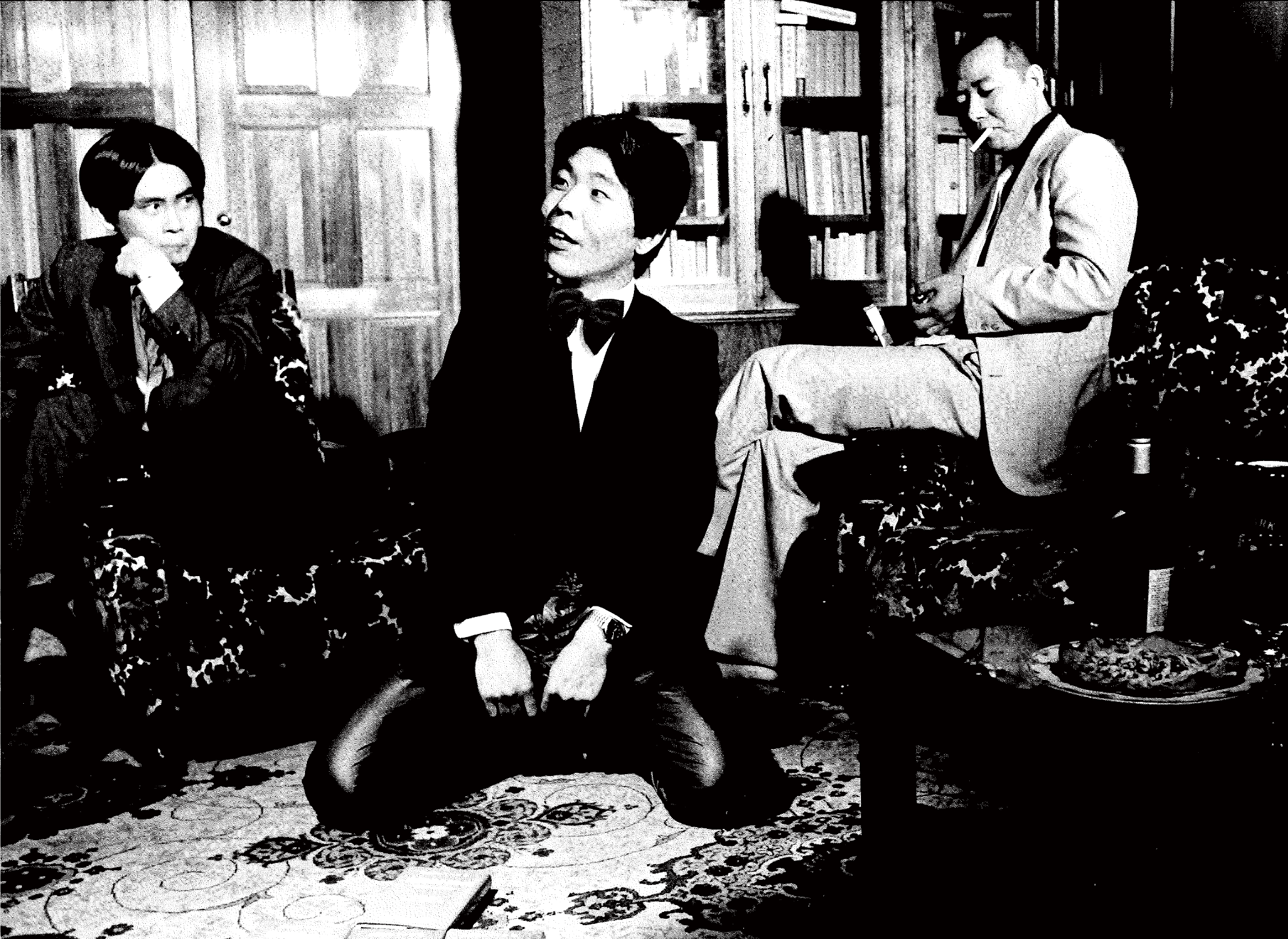
Suei’s perspective on eroticism and intimacy in Japanese culture, particularly in contrast to Western portrayals, offers a nuanced understanding of jōcho (sentiment). He observes that explicit photographs from the U.S. often emphasize physicality, a direct collision of bodies. In contrast, Japanese eroticism, as he perceives it, is layered with shyness, hesitation, and a wrestling with emotions like love and uncertainty. This focus on the emotional undercurrents, the unspoken feelings, and the internal experience differentiates Japanese erotic expression.
He notes that while Western magazines like Penthouse and Playboy were observed, their influence was primarily for curiosity regarding technical details rather than a deep erotic connection. The emphasis remained on the subtle and the unsaid, a cultural tendency that permeated the erotic media he helped produce. This understanding of jōcho is key to appreciating the aesthetic and emotional aims of the magazines he edited, moving beyond mere explicitness to explore a deeper, more complex human experience.
From Niche to Mainstream: The Evolution of Byakuya-Shobo’s Portfolio
Byakuya-Shobo’s trajectory mirrors the broader shifts in Japanese media consumption and societal attitudes. While gaining prominence in the 1980s for its adult-oriented publications, the company astutely adapted to changing market demands. By the 1990s, a significant pivot occurred, with Byakuya-Shobo shifting its focus to general hobby and entertainment magazines and books. This strategic move allowed the company to broaden its appeal and secure its long-term viability.
Today, Byakuya-Shobo is recognized for publishing idol and entertainment magazines such as BUBKA and BRODY. The establishment of Core Magazine in 1985 as a subsidiary, however, demonstrates a continued engagement with adult material, including adult magazines and hentai manga, indicating a dual strategy of catering to both mainstream and niche markets. This evolution showcases Byakuya-Shobo’s resilience and its ability to adapt to the ever-changing media landscape.
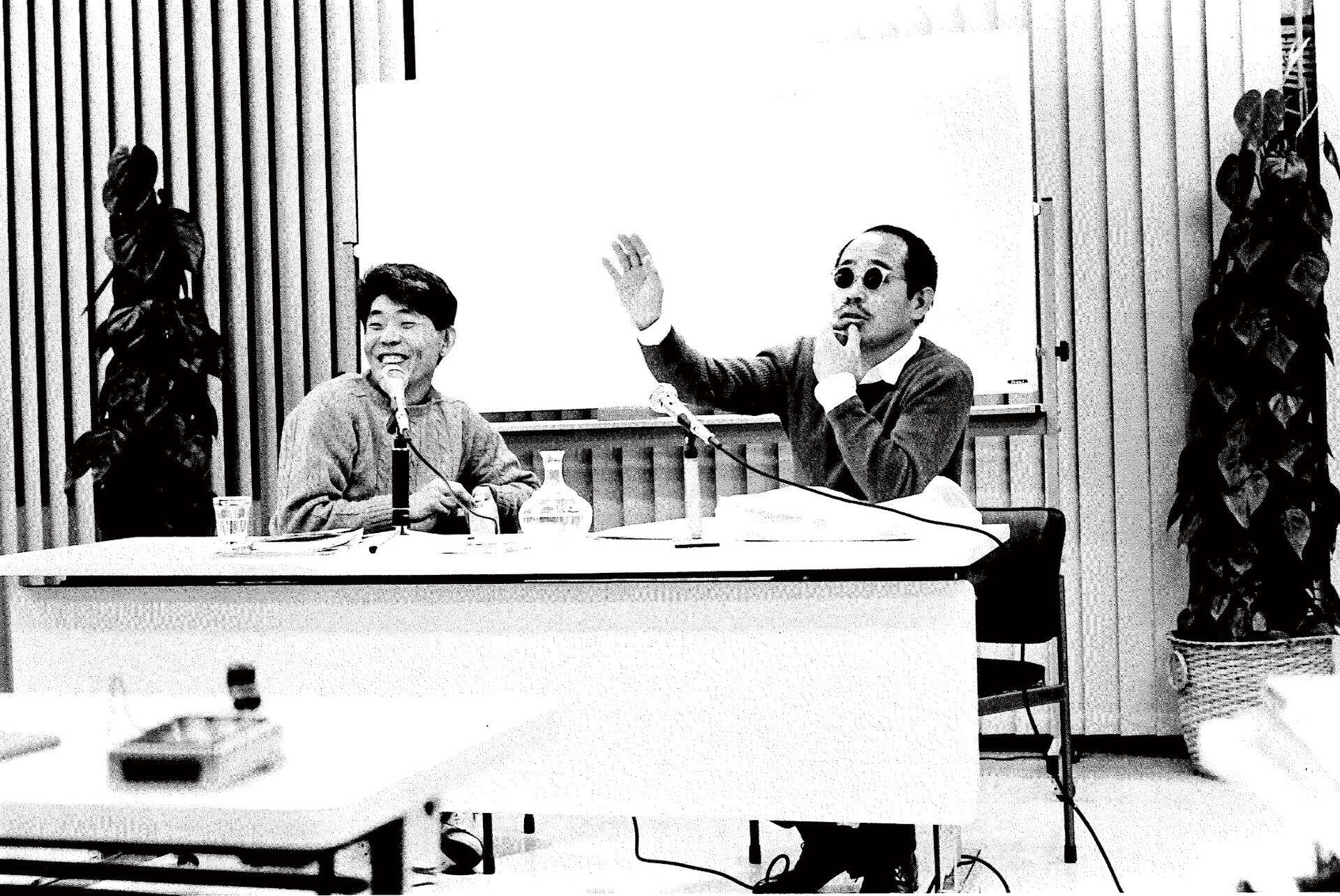
The Art of the Deal: Shinjuku’s Creative Crucible
Suei’s essays often paint Shinjuku as the vibrant epicenter of the erotic magazine industry during its heyday. He describes a chaotic yet remarkably fluid creative process, where instinct and serendipity played significant roles. Photo shoots were often improvised, with teams gathering at locations like Coffee Road Shimizu, making spontaneous decisions about clothing, models, and settings. The availability of connections – hotel managers, drivers, lighting technicians – facilitated these guerrilla-style operations, allowing for shoots in diverse and unexpected locations, from parking lots to rooftops and even department store restrooms.
The atmosphere was one of remarkable freedom, where permits were often unnecessary, and a simple declaration of working for a magazine sufficed. Models, often part-timers or friends of friends, were not subjected to the rigorous management seen today; instead, the emphasis was on capturing a raw, casual essence. Post-shoot gatherings in Shinjuku’s coffee shops and bars often served as informal brainstorming sessions, where ideas for future projects would emerge from late-night conversations, scribbled on napkins. The local processing labs, with their intimate understanding of the desired aesthetic, also played a crucial role, often pre-emptively adjusting development for a grittier look. This period in Shinjuku represented a unique confluence of creative energy, adaptability, and a palpable sense of adventure.
The Police and the Art of Subversion
Suei’s relationship with the police was a constant, albeit complex, dance. He describes receiving monthly summonses from the Morals Unit of the Metropolitan Police Department, who regularly purchased adult magazines for review. The individual with the most "inappropriate sections" marked by sticky notes would be called in. Suei, however, viewed these interactions not as confrontations, but as a form of "messing with" or "teasing" the authorities. He did not actively oppose power but rather subverted it in subtle ways.
He explains that the police, while representing authority, would not escalate to military intervention. His approach was to "turn the tables in my own way," a strategy that involved navigating the system without directly challenging its fundamental structure. This nuanced resistance allowed him to continue his work while maintaining a degree of creative autonomy. The "death sentence" metaphor for police recalls, signifying an effective ban on publication, illustrates the power wielded by the authorities, even without explicit legal prohibition. This system, Suei suggests, often led to the material being repurposed or humorously recontextualized.
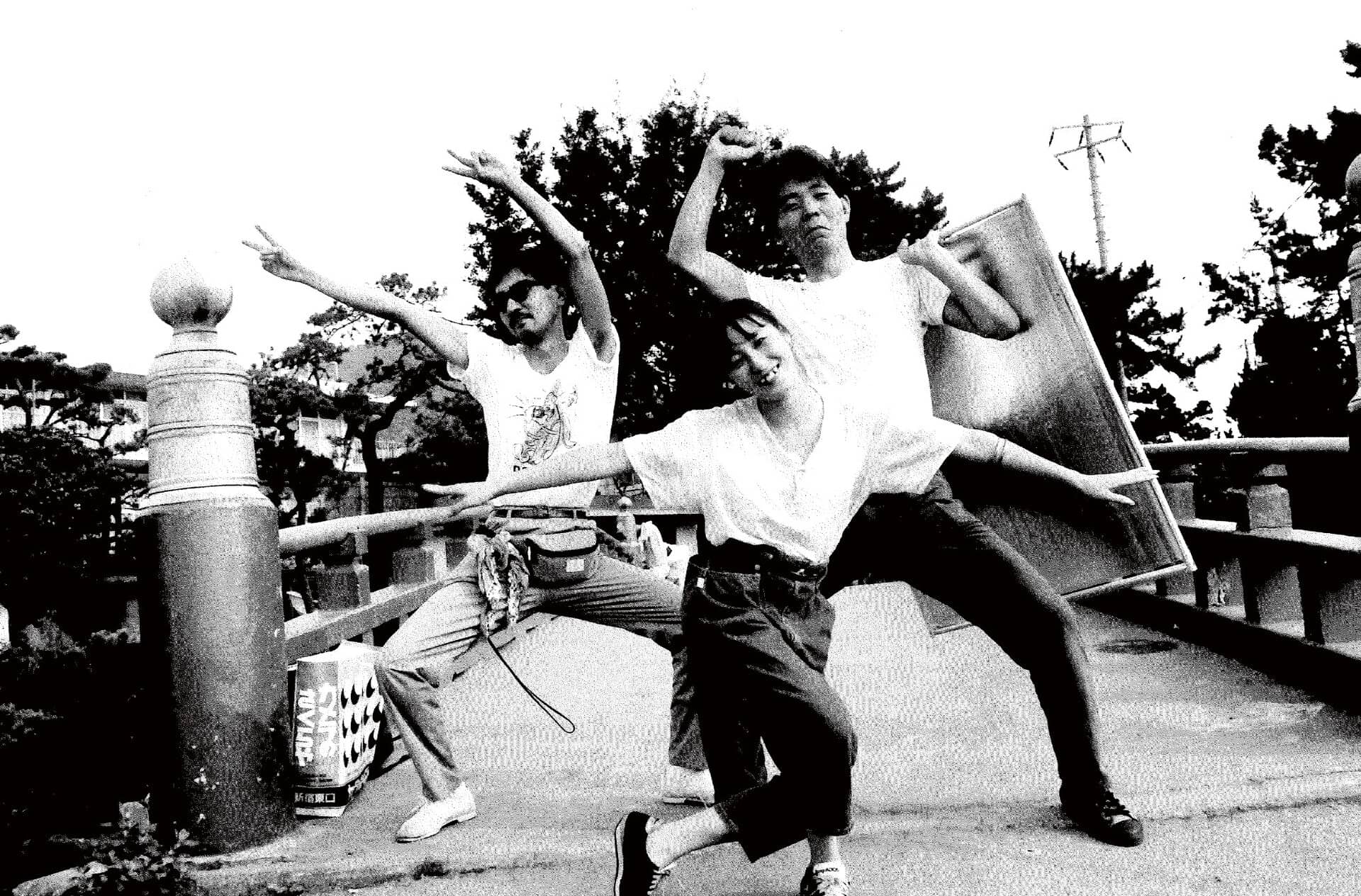
The Changing Landscape of Erotica and Expression
Suei’s reflections on the evolution of the erotic media landscape reveal a profound shift in how such content is consumed and perceived. He notes a sense of nostalgia, not for the difficulties of the past, but for a "kinder, more forgiving attitude" that characterized a previous era. In that time, obtaining erotic material was an experience in itself, requiring effort and a sense of occasion. The current ease of access through social media and smartphones, he laments, has diminished the buildup, the creativity, and the overall meaning associated with it.
He observes that society today struggles with individuals who do not conform to norms, a stark contrast to a past where diverse livelihoods, like those of pachinko parlor workers, were more readily accepted. The inherent effort involved in acquiring content in the past, Suei suggests, fostered a deeper appreciation and a more memorable experience. The current ubiquity and accessibility, while democratizing access, have, in his view, led to a "dullness," a lack of creative edge, and a less engaging consumption of erotic material. This sentiment underscores his belief that something vital has been lost in the transition from a more curated and effortful engagement with media to the instant gratification of the digital age.
Akira Suei’s career is a testament to a life lived at the intersection of art, commerce, and cultural currents. From the explosive origins of his personal history to his role in shaping the landscape of Japanese erotic publishing, his journey reflects the dynamic evolution of media, censorship, and societal attitudes in Japan. His introspective commentary on jōcho, his strategic navigation of censorship, and his nuanced relationship with authority offer invaluable insights into a pivotal period of Japanese cultural history. His legacy, intertwined with the enduring presence of Byakuya-Shobo, continues to resonate, offering a complex portrait of a man who, through his work, not only documented but also influenced the evolving narrative of desire and expression in Japan.