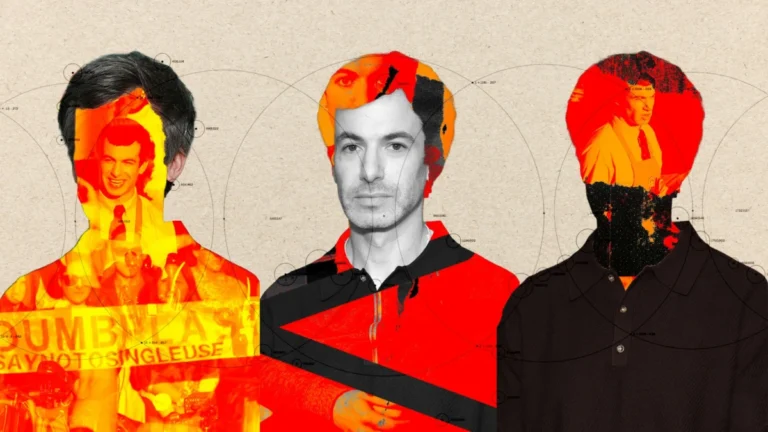



The ascent of 20-year-old filmmaker Kane Parsons represents a pivotal shift in the traditional Hollywood pipeline, marking the transition of digital-native creators into the highest echelons of cinematic production. Parsons, who rose to prominence through his viral YouTube series, has recently seen his debut feature film, Backrooms, positioned as a cornerstone of the summer blockbuster season. Produced by A24, the film signifies a landmark moment for the studio as Parsons becomes the youngest director in its history to helm a major theatrical release. The project, which stars Academy Award nominee Chiwetel Ejiofor and Renate Reinsve, is an expansion of the atmospheric horror universe Parsons first conceptualized in his bedroom using consumer-grade visual effects software.
Despite the rapid trajectory of his career, Parsons maintains that his success was not the result of a calculated attempt to court industry executives. In recent statements, he noted that his original intention was never to use his digital shorts as a proof of concept for a feature-length film, but rather to explore a specific aesthetic that he felt was missing from contemporary media. The transition from a viral sensation to a professional director has been so swift that Parsons admits he has had little opportunity to reflect on the magnitude of his achievements, describing the process as a continuous period of intense production.
The Origins of a Digital Legend: From 4chan to YouTube
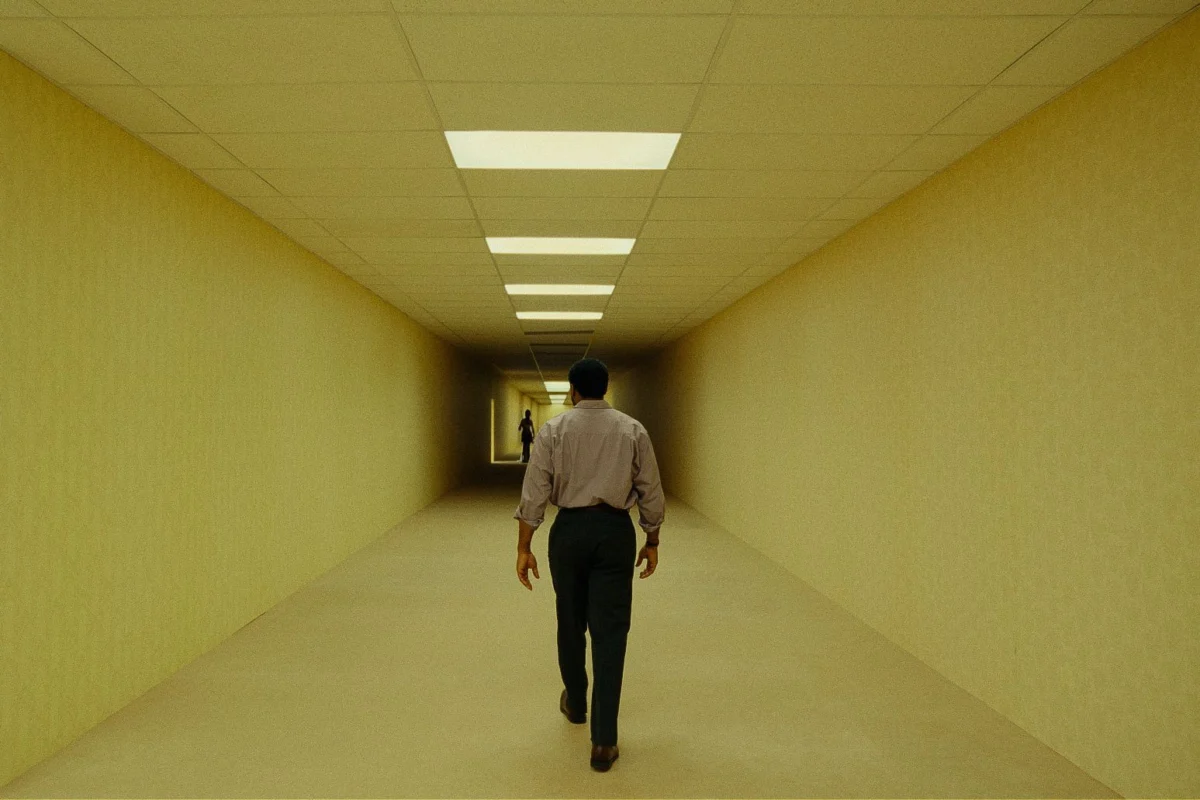
The conceptual foundation of Backrooms lies in the "creepypasta" culture of the late 2010s, specifically a 2019 post on the /x/ paranormal forum of the image board 4chan. The post featured a low-resolution photograph of an empty, yellowish office space with fluorescent lighting and a caption describing "the Backrooms"—a purgatorial dimension one enters by "noclipping" out of reality in the wrong places. This anonymous contribution sparked a collaborative mythology involving millions of square miles of empty, segmented rooms, characterized by the hum of lights and the smell of damp carpet.
Parsons encountered this folklore and identified a unique psychological resonance in the concept of "liminal spaces"—physical locations that feel eerie because they are transitional or abandoned. In 2022, at the age of 17, Parsons uploaded a nine-minute short titled "The Backrooms (Found Footage)." Utilizing Blender 3D and Adobe After Effects, he created a photorealistic environment that captured the collective imagination of the internet. The video quickly amassed tens of millions of views, praised for its technical sophistication and its ability to evoke dread without relying on conventional jump scares.
The success of the YouTube series created an immediate frenzy among Hollywood production houses. Within a month of the initial video’s release, multiple studios began reaching out to the teenager. Parsons, however, remained cautious, citing a distrust of how such viral moments often fail to materialize into meaningful creative opportunities. Ultimately, he partnered with A24, a studio known for its auteur-driven horror slate, including hits such as Hereditary and The Witch.
Narrative Structure and Cinematic Adaptation
The feature-length adaptation of Backrooms seeks to bridge the gap between the cryptic, lore-heavy nature of the YouTube series and the narrative requirements of a theatrical film. Written by Will Soodik, known for his work on Westworld and Homeland, the film introduces a grounded human element to the surreal environment. The story follows Clark (Ejiofor), a divorcé and struggling business owner living in San Jose, California. Clark’s failing furniture store serves as a thematic precursor to the Backrooms—a space filled with domestic objects that lack a true sense of home.
Clark’s psychological state is central to the film’s tension. His sessions with a therapist named Mary (Reinsve) reveal a man haunted by past failures and a "volcanic anger" hidden beneath a veneer of victimhood. The narrative takes a turn when Clark discovers a physical anomaly in his showroom—a glowing seam in the wall that allows him to step into the labyrinthine dimension of the Backrooms.
Setting the film in the 1990s was a deliberate creative choice by Parsons and Soodik. By removing modern technology such as smartphones, GPS, and the internet, the film heightens the isolation of its protagonist. Clark cannot search for answers online or use drones to map the infinite hallways, forcing him to rely on rudimentary tools and his own increasingly fractured psyche. This period setting also aligns with the visual aesthetic of the original meme, which evokes the "corporate-drab" architecture of the late 20th century.
Production Pedigree and Industry Support
To translate Parsons’ vision to the big screen, A24 assembled a high-profile production team. James Wan, the director behind The Conjuring and Saw franchises, serves as a producer through his Atomic Monster banner. His involvement, alongside horror veteran Osgood Perkins, provided the technical and logistical infrastructure necessary for a first-time director.
The collaboration between a 20-year-old YouTube creator and established industry titans has been viewed by analysts as a sign of Hollywood’s evolving talent-scouting methods. The production utilized a blend of practical sets and advanced CGI to maintain the "found footage" feel of the original shorts while elevating the production value to match theatrical standards. Parsons’ proficiency in Blender allowed him to remain hands-on with the visual effects, ensuring that the film’s aesthetic remained consistent with the digital origins that built his fan base.
Market Analysis and Box Office Projections
Industry tracking for Backrooms suggests a significant commercial impact. The film is currently projected to surpass A24’s previous box office records, which were set by films like Everything Everywhere All At Once and Civil War. Analysts attribute this high level of anticipation to the "built-in" audience provided by Parsons’ YouTube channel, which has millions of subscribers and hundreds of millions of cumulative views.
The marketing strategy has leveraged the mystery of the source material, targeting both "puzzle-oriented" fans who enjoy deconstructing lore and general horror audiences seeking a fresh cinematic experience. The film’s ability to tap into the "liminal space" trend—a phenomenon that has seen a surge in interest across TikTok and Instagram—positions it as a culturally relevant piece of media that transcends traditional genre boundaries.
| Metric | Projection/Data |
|---|---|
| Director Age | 20 (Youngest in A24 history) |
| Original Short Views | 60+ Million (as of 2024) |
| Projected Opening | Tracking to break A24 internal records |
| Primary Software | Blender 3D, Adobe After Effects |
| Thematic Focus | Liminal spaces, 1990s isolation, psychological trauma |
Implications for the Future of Horror Auteurs
The success of Kane Parsons follows a pattern established by other digital creators, such as Danny and Michael Philippou (the duo behind the YouTube channel RackaRacka), who directed the 2023 A24 hit Talk to Me. These filmmakers bring a unique understanding of pacing, visual storytelling, and audience engagement derived from years of creating content for the internet’s decentralized attention economy.
Parsons’ approach to Backrooms suggests a shift away from the "reboot and sequel" culture that has dominated Hollywood for the last decade. While the film is based on existing IP, that IP is communal and non-traditional, born from internet folklore rather than a studio-owned franchise. This "bottom-up" development process allows for a level of creative originality that is increasingly rare in high-budget filmmaking.
Furthermore, Parsons’ emphasis on the "discomfiting mystery" of the Backrooms—refusing to provide easy answers or a definitive origin for the dimension—reflects a sophisticated understanding of horror. By maintaining the ambiguity of the 4chan post that started it all, the film honors its roots while challenging the audience to find their own meaning within the "mono-yellow" madness.
Conclusion and Reflective Outlook
As Backrooms enters the global market, the conversation surrounding Kane Parsons is likely to shift from his age and digital origins to his long-term viability as a filmmaker. For now, the director remains focused on the immediate demands of the release, noting that he has yet to fully process his transition from a student to a major film director.
The film serves as a testament to the power of niche internet communities to influence mainstream culture. By tapping into the collective anxieties of the digital age—isolation, the breakdown of reality, and the haunting nature of forgotten spaces—Parsons has created a cinematic experience that resonates far beyond the forums of 4chan. Whether Backrooms becomes a standalone classic or the start of a new horror franchise, it has already secured its place as a landmark moment in the democratization of filmmaking.