

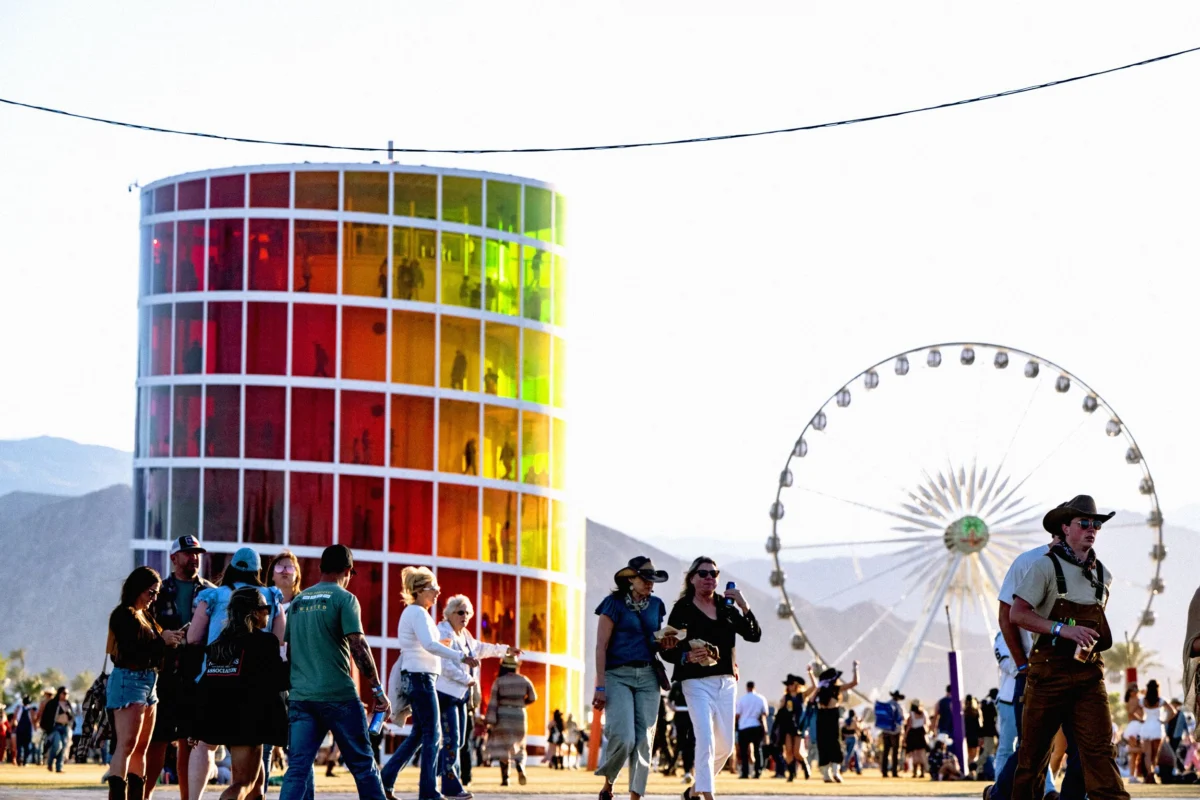
The Coachella Valley Music and Arts Festival has long served as a bellwether for the global music industry, not only in terms of musical trends and fashion but also in the technological delivery of live entertainment. In its 2025 iteration, the festival has significantly expanded its digital footprint, pivoting toward a mobile-first strategy that prioritizes vertical video formats and high-definition streaming. This shift reflects a broader industry-wide transition as major media conglomerates and live event organizers adapt to the consumption habits of a demographic increasingly reliant on smartphones and short-form social media content. By integrating exclusive vertical feeds, 4K multiview options, and hardware partnerships, Coachella is redefining the "Couchella" experience—the phenomenon of attending the festival remotely—from a secondary viewing option into a primary, curated digital product.
The Strategic Shift to Mobile-First Broadcasting
Since its inception, Coachella has faced the dual challenge of maintaining its status as an elite, high-cost destination event while maximizing its global reach. The introduction of the YouTube livestream in 2011 was the first major step in democratizing the experience. However, the 2025 festival marks a departure from traditional horizontal broadcasting. This year, the festival revamped its digital infrastructure to appeal directly to the "scrolling" generation, introducing a vertical video feed designed specifically for mobile users.
The festival’s digital strategy is anchored by a comprehensive partnership with YouTube, which now streams content from seven stages simultaneously. The technical upgrades include 4K resolution and a multiview feature, allowing remote viewers to monitor multiple performances in a grid format, effectively mimicking the experience of a broadcast sports event. This technological pivot is not merely a convenience; it is a calculated response to data showing that the majority of digital engagement with music festivals now occurs through mobile devices rather than desktop computers or smart televisions.
Technical Specifications and the Google Pixel Partnership
A cornerstone of Coachella’s 2025 digital expansion is the Quasar stage, an area dedicated to extended electronic dance music (EDM) and DJ sets. In a notable technical experiment, the Quasar stage’s livestream was shot exclusively on Google Pixel devices and broadcast via YouTube Shorts. This partnership serves as a high-stakes demonstration of mobile hardware capabilities, emphasizing that professional-grade festival coverage can now be achieved through consumer-grade mobile technology.
The use of vertical cinematography on the Quasar stage provides a distinct aesthetic that differs from traditional wide-angle festival shots. By utilizing the vertical aspect ratio, producers are able to create a sense of intimacy, often positioning cameras directly adjacent to the performers. This perspective is designed to simulate the experience of being on stage or in a VIP enclosure, directly feeding into the festival’s marketing engine of "exclusivity." However, this format has met with mixed reactions from purists who argue that the "squished" view limits the visual impact of the stage’s expansive LED screens and large-scale pyrotechnics.
Broader Media Trends: The Industry-Wide Move Toward Verticality
Coachella’s move toward verticality does not exist in a vacuum. It is part of a systemic shift across the entertainment landscape. For example, Disney+ recently introduced "Verts," a feature consisting of short-form vertical videos designed to drive engagement within its streaming platform. Similarly, NBCUniversal’s Peacock app has announced plans to deploy AI-driven features, including vertical video clips hosted by an AI avatar of Andy Cohen, to share highlights from its reality television portfolio.
Even traditional institutions like the Academy of Motion Picture Arts and Sciences have acknowledged the trend, with recent Oscar ceremonies incorporating vertical-friendly segments to capture viral moments. The logic behind this trend is rooted in user retention. Vertical video feeds, characterized by their endless scrollability, have been shown to increase time-on-app metrics. For Coachella, this means that even if a viewer is not interested in a specific artist, the ease of swiping to the next stage keeps them within the festival’s digital ecosystem.
The Chronology of a Digital Festival Experience
The digital experience of Coachella 2025 unfolded over a three-day weekend, with the livestream schedule meticulously planned to mirror the physical event’s flow.
Day One: The Transition to Digital
The festival began with a focus on emerging artists and high-energy electronic acts. Remote viewers were introduced to the new multiview interface, which allowed for seamless switching between the main Coachella Stage and the more niche Mojave and Gobi tents. The initial reaction on social media platforms like Reddit was polarized, with some users praising the clarity of the 4K streams while others lamented the loss of the panoramic views typical of traditional festival cinematography.
Day Two: Peak Engagement and Technical Resilience
By Saturday, the digital audience reached its peak. Performances by artists such as David Guetta and Joy (Anonymous) highlighted the strengths and weaknesses of the vertical format. While the close-up shots of DJs provided a "front-row" feel, the wide-scale light shows of the Quasar stage were often cropped, leading to a fragmented visual experience. Despite these criticisms, engagement metrics remained high, with the vertical stream on YouTube Shorts garnering over 42,000 "likes" by the end of the day, occasionally surpassing the engagement levels of the standard horizontal streams.
Day Three: The Fatigue Factor and Final Headliners
The final day of the festival tested the limits of digital spectatorship. As acts like Fatboy Slim took the stage, the live chat features became a focal point of the experience. The digital "crowd" engaged in real-time commentary, ranging from technical critiques of the audio mix to expressions of FOMO (fear of missing out). The day concluded with the realization that while digital streaming offers unparalleled convenience, the sheer volume of content—often exceeding 18 hours of live footage over the weekend—can lead to "digital fatigue" among remote viewers.
Economic Barriers and the Rise of the ‘Couchella’ Demographic
The push toward a more robust digital experience is also a response to the increasing economic barriers associated with physical attendance. In 2025, the cost of attending Coachella remains prohibitive for a significant portion of the global music-buying public. Between Tier 1 general admission tickets, which often exceed $500, and the ancillary costs of flights, shuttle passes, and desert accommodations, a weekend at the Empire Polo Club can easily cost an individual upwards of $2,000 to $3,000.
Furthermore, the logistical challenges of the Colorado Desert—including high temperatures, dust storms, and notorious traffic congestion—have made the "Couchella" alternative increasingly attractive. The digital version of the festival allows consumers to bypass these physical hardships while still participating in the cultural conversation. From a brand perspective, this allows Coachella to maintain its cultural relevancy across all socio-economic tiers, even if only a fraction of its audience can afford to be there in person.
Marketing Through FOMO: The Psychological Architecture of the Livestream
Coachella’s primary marketing tool has long been the cultivation of FOMO. The vertical video feed is an optimized engine for inducing this psychological state. By providing views that appear to be filmed by an attendee’s smartphone, the livestream blurs the line between professional broadcast and social media post. This creates a sense of immediacy and authenticity that traditional television broadcasts lack.
Observers note that the "VIP-style" shots—filmed from behind the DJ booth or from the side of the stage—are specifically designed to make the remote viewer feel like an insider. However, this strategy is a double-edged sword. While it keeps viewers engaged, it also serves as a constant reminder of the "real" experience they are missing. The inclusion of live chat and emoji reactions further simulates a communal environment, though it remains a sterile substitute for the sensory-heavy atmosphere of the actual festival grounds.
Comparative Analysis: Vertical vs. Horizontal Engagement Metrics
Preliminary data from the 2025 festival suggests a significant shift in how audiences interact with different video formats. While horizontal 4K streams remain the preference for viewers using smart TVs and home theater systems, the vertical YouTube Shorts feed saw a higher rate of "micro-engagements," such as likes, shares, and short-form comments.
- Horizontal Streams: Favored for headliner sets (e.g., Nine Inch Noize, Justin Bieber) where the scale of the production is a primary draw. These viewers tend to watch for longer durations (30+ minutes).
- Vertical Streams: Favored for discovery and electronic acts. These viewers exhibit "channel-surfing" behavior, swiping between stages frequently and engaging with the stream in short bursts (3–5 minutes).
This data indicates that Coachella is effectively managing two different products: a "prestige" broadcast for the traditional viewer and a "snackable" social experience for the mobile user.
Industry Implications and the Future of Live Events
The success of Coachella’s vertical video integration suggests that the future of live event broadcasting will be increasingly fragmented. We are likely to see more festivals adopting "device-specific" feeds, where the cinematography is tailored to the screen on which it is being viewed. Additionally, the integration of AI-driven features and hardware-exclusive partnerships (like the Google Pixel tie-in) will become standard as tech companies seek to prove the utility of their products in high-pressure, real-world environments.
However, the "Vertichella" experiment also highlights the limitations of digital technology. No amount of 4K resolution or vertical intimacy can replicate the physical toll and communal euphoria of a live festival. As long as the physical event remains a status symbol, the digital stream will serve as both a bridge and a barrier—offering access to the music while reinforcing the exclusivity of the desert itself.
In conclusion, Coachella 2025 has successfully transitioned from a music festival that happens to be streamed into a multi-platform media event. By embracing the vertical format, the festival has acknowledged the reality of modern media consumption, ensuring that even those sitting on their couches thousands of miles away are inextricably linked to the heat and dust of the Indio desert.