




The cinematic landscape of Filipino cinema is currently graced by the limited release of “Pieta,” a compelling family drama intertwined with the stark realities of crime, helmed by acclaimed director Adolfo Alix Jr. This ambitious undertaking boasts an all-star ensemble, featuring the legendary Nora Aunor and Gina Alajar in pivotal roles, alongside the formidable talents of Bembol Roco, Jaclyn Jose, Angeli Bayani, and Alfred Vargas, who embodies the film’s protagonist. The film has already made its international debut, premiering to a global audience at the prestigious Moscow International Film Festival, marking a significant milestone for Filipino filmmaking on the international stage. Following its initial limited showing in Manila, “Pieta” is slated for a wider theatrical release across cinemas nationwide in the coming year, promising a profound cinematic experience for audiences.
A Return to a Fractured Home
The narrative of “Pieta” centers on Isaac, a man recently released from prison following a presidential pardon. Despite his past transgressions, which are not depicted as minor offenses, Isaac finds himself a free man, yet burdened by an unresolved past. He returns to his ancestral home, a place steeped in both memory and mystery, still grappling with the unresolved questions surrounding his father’s demise and the events that led to his own incarceration. His homecoming, however, is met with a profound challenge: his mother, Rebecca, a woman depicted as partially sighted, is now afflicted with dementia. This debilitating condition renders her unable to recognize her own son, creating a significant obstacle in Isaac’s quest for truth and reconciliation.
The weight of Isaac’s quest is further amplified by the presence of Beth, a steadfast friend and caretaker to Rebecca. Beth not only provides constant support to Rebecca but also diligently manages the substantial landholdings that Rebecca has accumulated over the years. It is within this complex familial dynamic that Isaac finds a nascent sense of camaraderie and support from Beth, who becomes an unexpected ally. He also discovers a kindred spirit in a fellow convict who was released concurrently, offering a temporary respite from his overwhelming isolation. However, the relentless frustration stemming from his inability to unearth the truth about his past continues to fester, pushing Isaac towards a breaking point, and ultimately, a descent into violence.
A Showcase for Stellar Performances
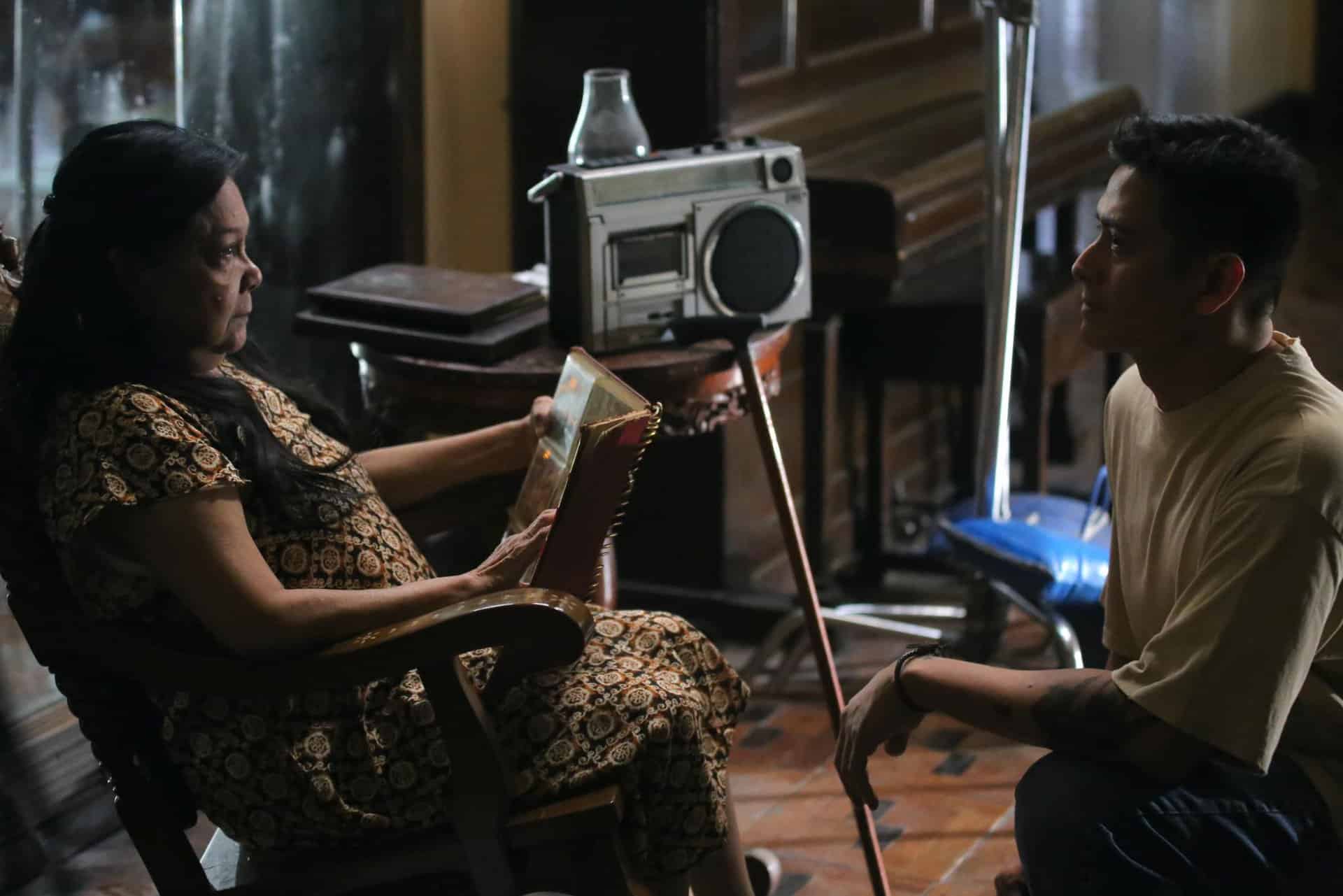
Director Adolfo Alix Jr. astutely leverages the immense star power at his disposal, placing significant emphasis on the nuanced performances of his lead actors. The film’s true brilliance, according to initial analyses, lies particularly in the intricate dynamic between Nora Aunor, portraying Rebecca, and Gina Alajar, as Beth. Their on-screen relationship is described as a masterclass in acting, developing organically throughout the narrative and culminating in a finale that is both startling and profoundly impactful. The stark contrast between the two characters serves as a compelling thematic device. Rebecca, despite her cognitive impairments, emanates an aura of sinister potential, hinting at a latent danger beneath her troubled exterior. Conversely, Beth embodies an image of unwavering innocence and constant helpfulness. This antithetical portrayal, as highlighted by critics, creates a captivating on-screen presence that is arguably the film’s most significant artistic achievement. The interplay between these two powerhouses of Philippine cinema provides a significant anchor for the film’s emotional core.
Narrative Stumbles and Scripting Challenges
While the central performances and the dynamic between Aunor and Alajar are lauded, the narrative trajectory of “Pieta” encounters considerable headwinds when it deviates from this core relationship. Observers have noted evident pacing issues that plague the film from its outset. Isaac’s character arc, in particular, is deemed less convincing, a weakness exacerbated by what is described as a subpar performance from Alfred Vargas in the protagonist role. This is compounded by a characterization that is perceived as underdeveloped, failing to fully engage the audience. Alix Jr.’s apparent intention to build towards a climactic revelation of truth appears to falter in its execution. Both the gradual build-up to the film’s conclusion and the resolution itself are presented as problematic. The ending, in particular, is criticized for being far-fetched, drawing unfortunate comparisons to the melodramatic conventions of television soap operas, a stark contrast to the film’s initial promise of nuanced drama.
The film’s structure also appears to have been influenced by a perceived over-reliance on its star-studded cast, a critique suggesting that the actors were integrated into a pre-existing narrative rather than being organic components of a tightly woven story. This approach, while aiming to capitalize on their renowned talents, has led to certain characters feeling shoehorned into the plot. Bembol Roco and Jaclyn Jose, for instance, are described as being essentially forced into the narrative, their roles feeling less integral than their stature might suggest. Similarly, Angeli Bayani’s presence is noted to be less impactful than her capabilities. While the film does offer a poignant commentary on the enduring influence of the past on the present and the lingering torment of parental transgressions on their offspring, this thematic depth is somewhat undermined by the structural and scripting weaknesses that emerge towards the film’s conclusion.
Visual Storytelling and Technical Prowess
On the technical front, “Pieta” demonstrates considerable merit. The cinematography, expertly handled by Nelson Macababat Jr., masterfully captures the film’s rural setting. From the imposing manor where the family resides to the sprawling fields that surround it, the visual language imbues the setting with both a sense of realism and artistic flair. The strategic use of shadows and color grading further enhances the film’s aesthetic, lending it a distinct noir essence that contributes positively to its overall entertainment value. Xila Ofloda’s editing, while implementing a fitting and relatively brisk pace, is ultimately unable to fully mask the underlying issues with the narrative pacing that plague the story itself. The juxtaposition of competent editing with a story that struggles with momentum highlights the challenges faced in bringing the film’s ambitious themes to fruition.
A Film of Undeniable Potential, Yet Flawed Execution
“Pieta” possesses undeniable merits, with its ensemble cast alone serving as a compelling reason for cinematic enthusiasts to seek it out. The sheer caliber of talent assembled on screen is a testament to the enduring appeal of Filipino cinema and the directorial vision of Adolfo Alix Jr. However, the film’s significant shortcomings, particularly concerning its script and narrative construction, ultimately detract from its overall impact. What emerges is a film that feels like a missed opportunity, a project with immense potential that, due to scripting challenges and structural issues, falls short of its ambitious goals. The film’s limited release in Manila provides an early glimpse into a work that, while rich in performance and visual style, struggles to fully coalesce into a cohesive and consistently engaging cinematic experience. The upcoming wider release will offer audiences a chance to engage with these complex themes and performances, but the critical consensus suggests that the film’s narrative flaws will likely remain a point of discussion.
The film’s journey from its world premiere at the Moscow International Film Festival to its current limited release and planned wider distribution reflects the ongoing efforts to elevate Filipino cinema on the global stage. The inclusion of “Pieta” in international film festivals signifies the growing recognition of the country’s filmmakers and actors, and their capacity to produce works that resonate with diverse audiences. However, the critical reception within its home country also highlights the importance of robust storytelling and script development in complementing stellar performances and technical execution. The success of future Filipino films, both domestically and internationally, will undoubtedly hinge on striking this crucial balance, ensuring that powerful performances are anchored by narratives that are as compelling as they are well-crafted. The legacy of “Pieta” may ultimately be defined by its remarkable cast and artistic direction, yet tempered by the persistent questions surrounding its narrative cohesion.