


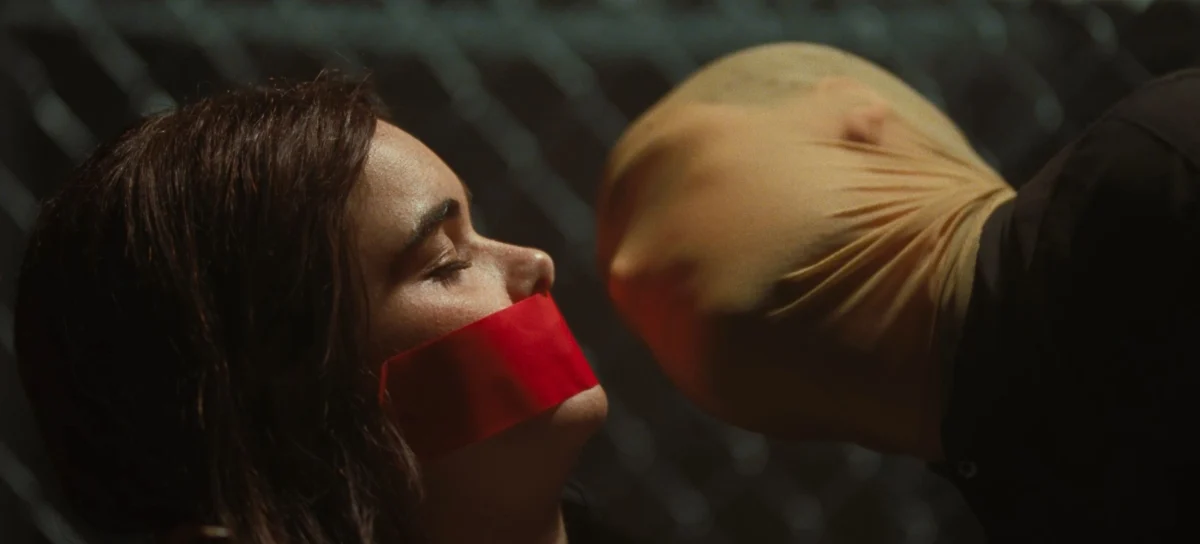
The upcoming reimagining of the 1978 cult classic Faces of Death seeks to bridge the gap between the era of underground VHS exploitation and the modern landscape of algorithmic trauma. Directed by Daniel Goldhaber and written by Isa Mazzei—the creative duo behind the psychological thriller Cam and the eco-thriller How to Blow Up a Pipeline—the film pivots from the original’s pseudo-documentary format into a narrative horror-thriller. Starring Barbie Ferreira as Margot, a content moderator for a social media platform, the story follows her descent into a digital underworld after she discovers a series of violent uploads that appear to recreate the staged deaths of the original 1978 film. This contemporary iteration serves not only as a genre exercise but as a searing critique of the "infinite scroll" and the monetization of graphic violence by Silicon Valley tech giants.
The Evolution of a Taboo: From VHS to the Infinite Scroll
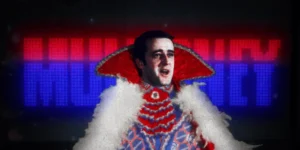
When John Alan Schwartz released the original Faces of Death in 1978, it was marketed as a documentary featuring real footage of human and animal expiration. Presented by the fictional pathologist "Dr. Francis B. Gröss," the film became a lightning rod for controversy. While later revealed to be approximately 80% staged using practical effects and clever editing, its reputation as a "snuff film" made it a forbidden fruit for a generation of horror enthusiasts. It was banned in several countries and became a staple of the "Video Nasties" era in the United Kingdom.
However, as director Daniel Goldhaber notes, the shock value of the original has been neutralized by the current state of the internet. "If you’re going to bring Faces of Death into the modern era," Goldhaber stated, "on some level, you have to contend with the fact that Faces of Death is everywhere." The reboot acknowledges that the "forbidden" imagery of the 1970s is now a standard feature of social media feeds, often delivered to users without their consent via recommendation algorithms.
The Psychological Toll of Content Moderation
The narrative backbone of the new film is informed by Goldhaber’s own brief tenure as a content moderator for a social media startup. He describes the experience as a harrowing game of "whack-a-mole," attempting to purge feeds of snuff footage and child exploitation. This lived experience is mirrored in the character of Margot, whose job is to filter the worst impulses of humanity to protect the average user.
The film highlights a burgeoning crisis in the tech industry: the mental health of the "invisible" labor force. According to a 2019 report by The Verge, content moderators for major platforms often work in high-stress environments, viewing thousands of hours of traumatic content per week. Studies have indicated that these workers frequently develop symptoms of Post-Traumatic Stress Disorder (PTSD), secondary traumatic stress, and compassion fatigue. By centering the film on a moderator, Mazzei and Goldhaber emphasize that the "faces of death" are no longer just images on a screen but a daily workplace reality for thousands of workers.
A Chronology of Digital Desensitization
The filmmakers point to a clear escalation in the public’s exposure to graphic imagery over the last two decades. Co-writer Isa Mazzei identifies the 9/11 attacks as a pivotal moment in this timeline, recalling the sight of "jumpers" from the World Trade Center as an early, formative encounter with broadcasted death. This was followed by the rise of shock sites like Rotten.com and LiveLeak in the early 2000s, which specialized in hosting unedited footage of accidents, beheadings, and suicides.
In the current decade, the shift has moved from elective viewing—where users sought out such content—to algorithmic delivery. The introduction of the "infinite scroll" on platforms like TikTok and Instagram has fundamentally altered how the human nervous system interacts with trauma. Mazzei notes that the algorithm prioritizes high-arousal content because it ensures longer engagement. "My nervous system has to react to it a bit longer before I could possibly scroll away," she explained, highlighting how biological responses to fear and disgust are exploited to keep users tethered to their screens.
Data and the Monetization of Tragedy
The reboot explores the uncomfortable financial incentives behind the spread of violent content. While social media companies publicly state their commitment to safety, the underlying metrics often tell a different story. High-engagement events, such as mass shootings or high-profile killings, generate massive spikes in traffic, which in turn drive advertising revenue and user growth.
Goldhaber points to the fictionalized or real-world parallels of viral deaths, such as the killing of right-wing commentator Charlie Kirk mentioned in the film’s context, as examples of how tragedy fuels the "attention economy." Reports from organizations like the Center for Countering Digital Hate (CCDH) have frequently noted that social media platforms struggle to balance the removal of harmful content with the immense profitability of viral, controversial posts. The film posits that as long as engagement remains the primary metric for success, graphic violence will remain a permanent fixture of the digital landscape.
Character Analysis: The "Black-Pilled" Antagonist
The film’s antagonist, Arthur, played by Dacre Montgomery, represents a specific modern archetype: the "black-pilled" troll. In online subcultures, being "black-pilled" refers to a state of nihilism and the belief that the social and political systems are irredeemably broken. Arthur’s motivation is not merely the act of killing, but the exploitation of the system’s inherent flaws to gain notoriety.
Arthur’s mantra, "Give the people what they want," reflects the symbiotic relationship between the creator of violent content and the audience that consumes it. Goldhaber describes Arthur as a character who recognizes the system is "fucked up" and chooses to accelerate its decay by providing the very trauma that the algorithm is designed to promote. This creates a feedback loop where the killer, the platform, and the viewer are all complicit in the commodification of death.
Industry and Official Responses
While the film is a fictionalized account, it reflects real-world tensions between filmmakers and tech platforms. In recent years, companies like Meta and ByteDance have faced numerous lawsuits from moderators alleging inadequate mental health support. In 2020, Meta (then Facebook) agreed to a $52 million settlement with American content moderators to compensate them for mental health issues developed on the job.
The production of the Faces of Death reboot itself required a rigorous approach to research. Mazzei and researcher Paris Peterson spent hundreds of hours licensing real news and social media footage to ground the film in reality. This process, Mazzei admits, led to a "new baseline of anxiety and alienation." The filmmakers suggest that this baseline is now shared by the general public, who have become habituated to a constant stream of global suffering.
Broader Implications and Societal Impact
The central theme of the Faces of Death reboot is the "disillusionment with the system." Margot begins her journey believing she has the power to make the internet a safer place, only to realize that her role is a "smoke screen" for a machine that profits from the very content she is trying to delete.
This mirrors a broader societal shift toward "digital nihilism." As users become increasingly desensitized to violent imagery, the ethical boundaries of digital consumption continue to blur. The film raises critical questions about the long-term effects of this desensitization:
- Political Radicalization: How does the constant stream of trauma influence political leanings and social cohesion?
- Empathy Erosion: Does the "infinite scroll" diminish the viewer’s ability to empathize with real-world victims?
- Corporate Accountability: To what extent should platforms be held liable for the psychological harm caused by their recommendation engines?
Conclusion: A New Lens on Horror
By reimagining Faces of Death through the lens of content moderation and algorithmic manipulation, Goldhaber and Mazzei have transformed a legacy of "schlock" horror into a contemporary social commentary. The film suggests that the real "faces of death" are no longer found in a grainy VHS tape, but in the blue light of the smartphones held in the hands of billions. In the modern era, death is not a rare occurrence to be sought out in the shadows of a video store; it is a permanent, monetized, and inescapable part of the digital experience.