
The acclaimed American satirical superhero streaming television series, The Boys, developed by Eric Kripke for Amazon Prime Video, has concluded its tumultuous run with its fifth and final season, premiering on April 8th. Based on the celebrated comic book series of the same name by Garth Ennis and Darick Robertson, the show has consistently delivered a visceral and unflinching critique of unchecked power, celebrity culture, and the corrosive influence of corporate interests, all through the lens of a world populated by morally compromised superpowered individuals, known as "Supes."
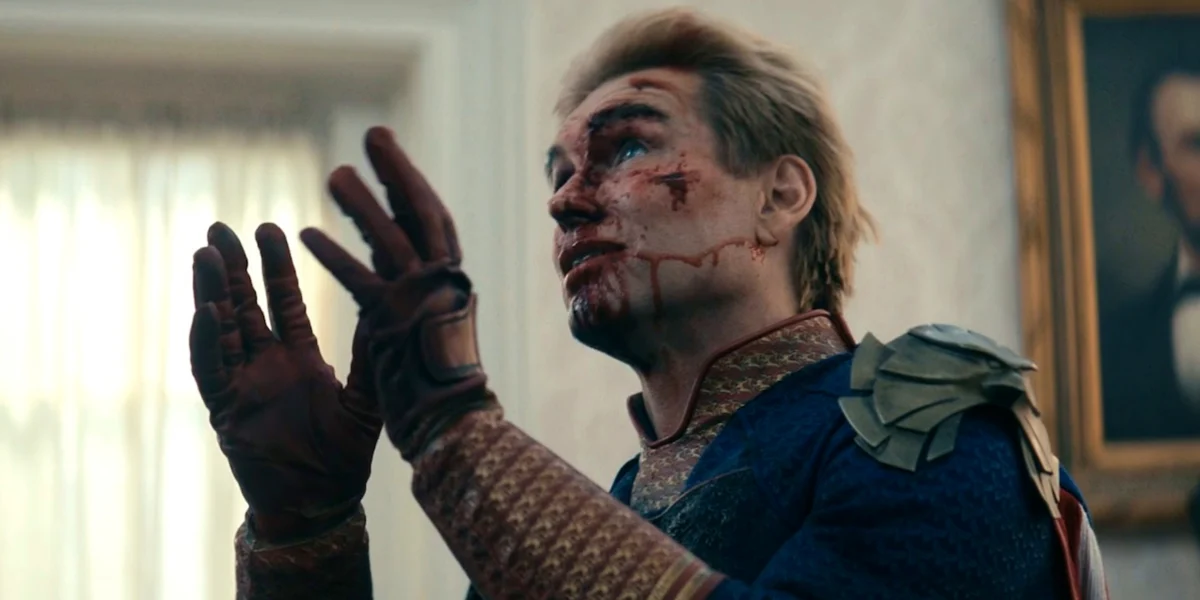
The Boys chronicles the harrowing journey of an eponymous team of vigilantes who dedicate themselves to exposing and combating the Supes. These superpowered beings, far from embodying altruism, frequently exploit their abilities for personal gain, their actions meticulously managed and laundered by Vought International, a monolithic corporation that crafts their public image as benevolent heroes. At the heart of the narrative are Hughie Campbell (Jack Quaid), a formerly ordinary electronics clerk whose life is irrevocably shattered by a Supe-related tragedy, and Billy Butcher (Karl Urban), a charismatic yet deeply scarred former SAS and CIA operative. Together, alongside the rest of the Boys, they wage a brutal and often bloody war against "The Seven," Vought’s flagship superhero team, notorious for its charismatic but terrifying leader, Homelander, portrayed with chilling intensity by Antony Starr.
The expansive ensemble cast has been a cornerstone of the series’ success, featuring notable performances from Erin Moriarty, Dominique McElligott, Jessie T. Usher, Chace Crawford, Laz Alonso, Tomer Capone, Karen Fukuhara, Nathan Mitchell, Elisabeth Shue, Colby Minifie, Aya Cash, Claudia Doumit, Jensen Ackles, Cameron Crovetti, Susan Heyward, Valorie Curry, Jeffrey Dean Morgan, and Daveed Diggs. Their collective contributions have brought to life a complex tapestry of flawed heroes, anti-heroes, and outright villains, each grappling with their own demons and motivations.
The reception to the fifth and final season, while drawing a mixed response from segments of the fanbase and critics, arrived amidst a backdrop of the show’s undisputed and widespread success. The Boys has cultivated a significant cultural footprint, lauded for its bold narrative, its unflinching deconstruction of superhero tropes, and its sharp, often profane, social commentary. The series’ impact is further evidenced by the upcoming prequel series, "Vought Rising," slated for a 2027 premiere, indicating a continued investment in this universe by Amazon Prime Video.
A Legacy of Satire and Spectacle: The Chronology of The Boys
The genesis of The Boys can be traced back to Garth Ennis and Darick Robertson’s comic book series, which first debuted in 2006. The source material immediately distinguished itself by presenting a cynical and violent counterpoint to the more idealized portrayals of superheroes prevalent in mainstream comics. The transition to the screen, spearheaded by Eric Kripke, commenced with the series’ premiere on Amazon Prime Video in July 2019. From its inception, the show signaled its intent to deviate significantly from traditional superhero fare, immediately establishing a tone of dark humor, graphic violence, and biting satire.
The first season laid the groundwork for the central conflict: the ragtag group of ordinary humans, "The Boys," against the seemingly invincible, yet deeply corrupt, Supes of Vought International. Hughie’s personal tragedy at the hands of A-Train, a speedster Supe, served as the catalyst for his recruitment into Billy Butcher’s clandestine operation. The season meticulously peeled back the facade of heroism, revealing the self-serving machinations and moral bankruptcy of The Seven, particularly the psychopathic tendencies of Homelander.
Season two, which premiered in September 2020, escalated the stakes, delving deeper into the political and societal implications of Vought’s control. It introduced new Supes, further explored the complex dynamics within The Seven, and continued to push the boundaries of graphic content and thematic exploration. The season was widely praised for its narrative momentum and its continued commitment to its subversive vision.
The third season, released in June 2022, marked a significant turning point with the introduction of Jensen Ackles as Soldier Boy, a Captain America-esque figure from a bygone era. This season delved into the history of Vought and its early Supes, providing crucial context for the present-day power structures and personal vendettas. It also saw a further descent into the moral ambiguity of its characters, with both The Boys and the Supes engaging in increasingly desperate and ethically compromised actions.
The fourth season, premiering in June 2024, continued this trajectory, with the showrunners having previously confirmed that the fifth season would be the series’ last. This decision, often a testament to a show’s ability to craft a cohesive and satisfying narrative arc, allows for a focused conclusion to the overarching storylines and character journeys. The final season’s April 8th premiere thus marks the culmination of years of intense storytelling and visceral spectacle.
Critical Acclaim and Commercial Success: Data and Awards
Despite the varied reception to its final season, The Boys has consistently garnered critical acclaim and achieved significant commercial success throughout its run. The series has been a critical darling, earning widespread praise for its writing, direction, and the exceptional performances of its cast. Antony Starr, in particular, has been lauded for his complex and terrifying portrayal of Homelander, a performance frequently cited as a masterclass in embodying pure, unadulterated narcissism and sociopathy.
The show’s visual effects, often tasked with rendering spectacular superhuman feats alongside gritty, realistic violence, have also been a consistent highlight, contributing to the immersive and impactful nature of the series. The satirical elements, which deftly target corporate greed, political corruption, and the cult of personality surrounding celebrities and influencers, have resonated deeply with audiences and critics alike, positioning The Boys as a significant cultural commentary of the 21st century.
The series’ critical recognition is underscored by its impressive array of accolades. The Boys has won four awards from twelve Primetime Emmy Award nominations. Notably, it secured the award for Outstanding Drama Series in 2021, a testament to its critical standing within the television industry. Beyond the Emmys, the show has been a perennial favorite at the Critics’ Choice Super Awards, where it has garnered seven wins, and the Astra TV Awards, where it has claimed six awards. These accolades reflect a sustained level of excellence across multiple facets of production, from acting and writing to technical execution.
While specific viewership numbers for streaming services are often proprietary, the consistent renewal and expansion of the The Boys universe, including the aforementioned "Vought Rising" prequel, strongly indicate robust and sustained audience engagement. The show’s ability to generate widespread discussion and critical analysis across its run solidifies its position as a flagship series for Amazon Prime Video and a significant contributor to the modern television landscape.
Showrunner’s Perspective: Eric Kripke on Crafting the Series
Eric Kripke, the visionary showrunner, executive producer, and writer behind The Boys, has been instrumental in translating the graphic and often controversial comic book into a compelling and critically acclaimed television series. Kripke’s approach has been characterized by a fearless commitment to the source material’s edgy tone while simultaneously imbuing it with a timely and relevant social commentary.
In interviews and discussions, Kripke has often spoken about his desire to use the superhero genre as a vehicle to explore darker aspects of human nature and societal issues. He has emphasized the importance of grounding the fantastical elements in relatable human emotions and motivations, even for characters with extraordinary powers. His dedication to maintaining the series’ subversive edge, even when facing pressure from network executives, has been a key factor in its unique identity.
Kripke’s involvement extends beyond showrunning; he has also been a prominent voice in the series’ promotional efforts and in engaging with fans and critics. His willingness to discuss the creative process, the challenges of adaptation, and the thematic underpinnings of the show has fostered a deeper appreciation for the series’ artistic merit. The availability of interviews and behind-the-scenes content, such as the embedded YouTube video featuring Kripke discussing the final season, further illuminates the dedication and passion that fueled the creation of The Boys.
Broader Impact and Implications: A Legacy of Subversion
The conclusion of The Boys marks the end of an era for a series that has not only entertained but also challenged audiences. Its impact extends beyond the realm of mere entertainment, offering a potent critique of the very tropes that have dominated popular culture for decades. By deconstructing the idealized superhero narrative, The Boys has paved the way for a more nuanced and cynical approach to character and storytelling within the genre.
The series’ success demonstrates a growing audience appetite for complex, morally ambiguous narratives that grapple with real-world issues. It has proven that audiences are receptive to stories that do not shy away from violence, profanity, and difficult ethical questions, provided they are handled with intelligence and thematic purpose. This has undoubtedly influenced the landscape of streaming television, encouraging other creators to explore more daring and unconventional approaches to storytelling.
Furthermore, The Boys‘ exploration of corporate power and its influence on public perception serves as a potent allegory for contemporary societal concerns. Vought International, with its ability to manufacture heroes and control narratives, mirrors the manipulative tactics often employed by real-world corporations and media outlets. The series’ unflinching portrayal of this dynamic has resonated with viewers, prompting reflection on the media they consume and the forces that shape public opinion.
The legacy of The Boys will likely be defined by its courage to be different, its sharp wit, and its profound impact on the superhero genre and satirical television. As the series bows out, leaving behind a universe ripe for further exploration in "Vought Rising," its influence on how we perceive heroes, villains, and the power structures that govern our lives is undeniable. The show’s final season, while met with a spectrum of reactions, stands as the concluding chapter of a groundbreaking series that dared to ask: what if our heroes were monsters? The answer, as delivered by The Boys, was as bloody and as brilliant as expected.