



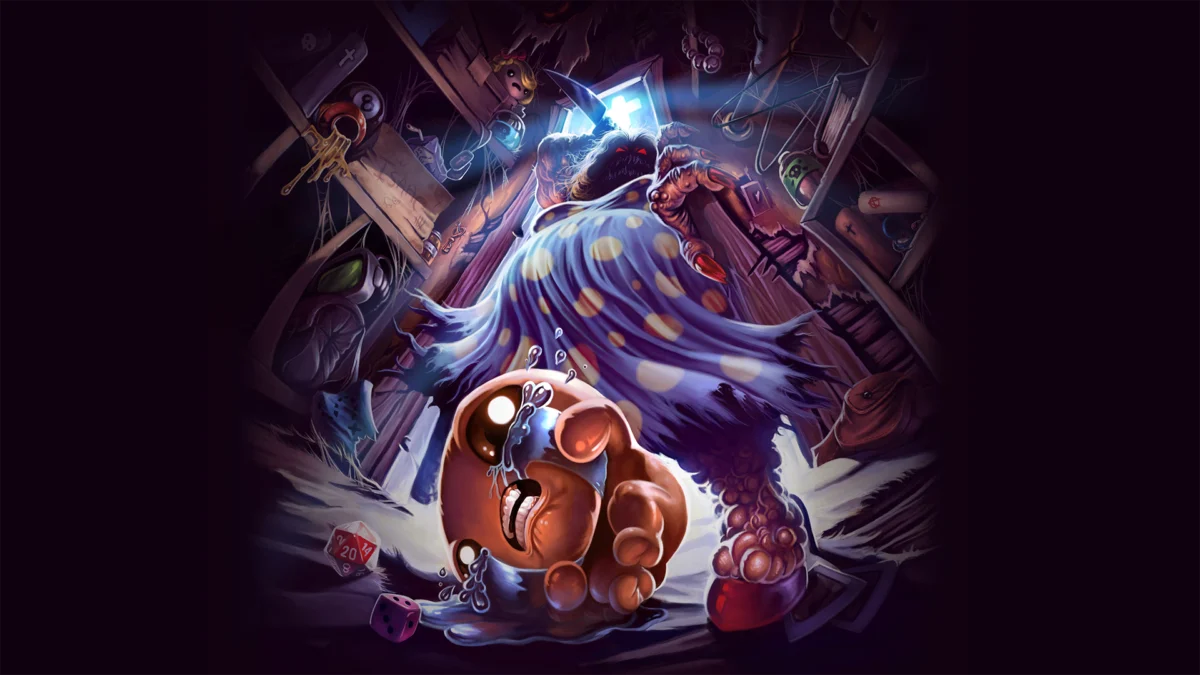
The Binding of Isaac: Rebirth has solidified its status as a cornerstone of the indie gaming landscape by shattering its previous concurrent player records more than a decade after its initial release. During the most recent Steam Summer Sale, the title experienced an unprecedented resurgence in popularity, driven by a combination of aggressive historical-low pricing and the long-awaited introduction of integrated online multiplayer functionality. At its peak during the promotional period, the game reached an astonishing 131,000 concurrent players, more than doubling its previous all-time high of approximately 70,701 recorded in April 2021. This 394.9 percent increase in player activity over a 30-day window highlights the enduring appeal of the roguelike genre and the efficacy of Valve’s seasonal sales events in revitalizing legacy titles.
The catalyst for this statistical anomaly was a 90 percent discount on the base game and its comprehensive "Complete Bundle." Priced at approximately £3.70 for the entire collection, the offer represented the lowest entry point in the history of the franchise on the Steam platform. This pricing strategy effectively removed the barrier to entry for a new generation of players while incentivizing existing fans of the original 2011 Flash version to migrate to the modernized Rebirth engine. The resulting influx of traffic propelled The Binding of Isaac: Rebirth into the top ten most-played games on Steam, briefly surpassing contemporary heavyweights and highly anticipated sequels such as Path of Exile 2 and Slay the Spire 2.
Historical Context and the Transition from Flash to Rebirth
To understand the magnitude of this recent success, one must look back at the origins of the franchise. The original Binding of Isaac was released in 2011 as a small-scale Flash project by Edmund McMillen and Florian Himsl. Despite the technical limitations of the Flash player, the game became a cult sensation due to its disturbing biblical themes, complex item synergies, and punishing difficulty. However, the limitations of the engine eventually prevented further updates, leading McMillen to partner with developer and publisher Nicalis to rebuild the game from the ground up.
The result was The Binding of Isaac: Rebirth, released in 2014. This version featured a custom-built 16-bit engine that allowed for significantly more on-screen entities, complex lighting effects, and a vastly expanded item pool. Rebirth was designed not just as a remake, but as a definitive platform that could be expanded indefinitely. This architectural decision proved prescient, as the game has spent the last decade receiving massive content injections that have more than tripled the size of the original experience.
A Decade of Expansion: From Afterbirth to Repentance
The growth of The Binding of Isaac: Rebirth has been characterized by a series of major expansions, each of which fundamentally altered the game’s meta-narrative and mechanical depth. In 2015, the Afterbirth expansion introduced "Greed Mode," a new way to play focused on wave-based combat and resource management, alongside hundreds of new items and secrets. This was followed in 2017 by Afterbirth+, which added official modding support, allowing the community to contribute directly to the game’s longevity.
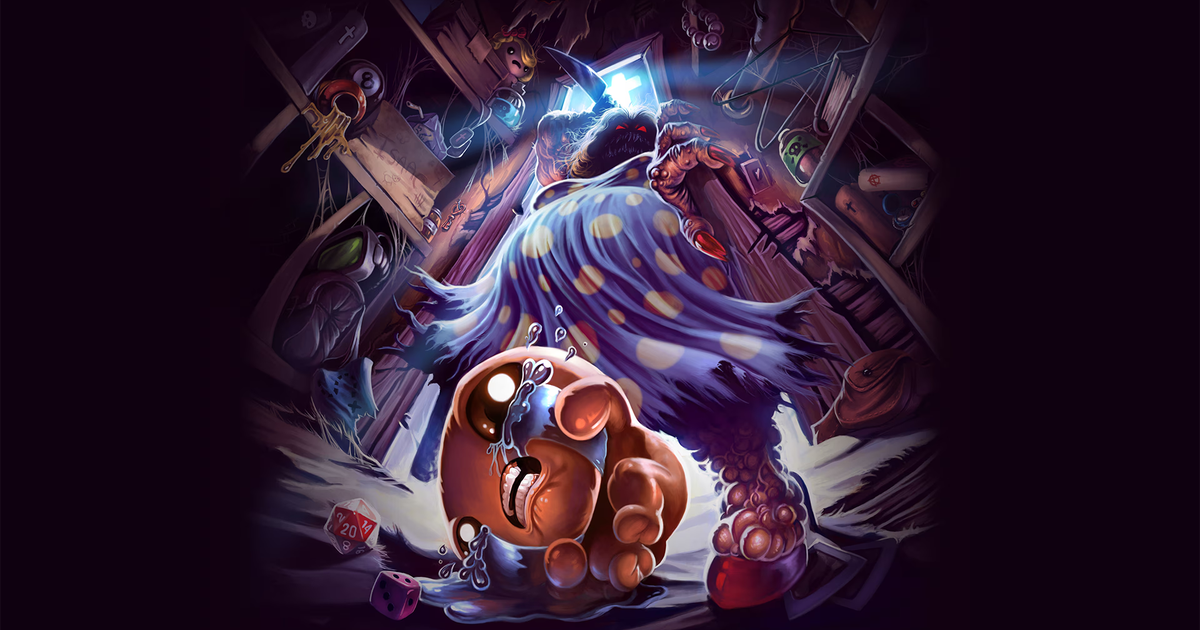
The most significant turning point, however, occurred in 2021 with the release of the Repentance DLC. Originally envisioned as a smaller update based on the popular fan-made mod "Antibirth," Repentance evolved into what Edmund McMillen described as a "sequel-sized" expansion. It overhauled the game’s balance, added an entirely new "alt-path" for progression, and introduced dozens of "Tainted" character variants that doubled the playable roster. Repentance was marketed as the final chapter in the Isaac saga, a claim that was technically true regarding paid content but did not account for the continued evolution of the game’s features.
The Impact of Repentance Plus and Online Co-op
While Repentance was intended to be the final content drop, the developers recognized a long-standing demand from the community: native online multiplayer. Historically, The Binding of Isaac was a local co-op experience, and while Steam Remote Play offered a workaround, it was often plagued by latency issues and a lack of true integration. In 2024, the release of the free Repentance+ update finally addressed this by introducing a robust online co-op mode.
This update allowed up to four players to navigate the basement together, sharing items, health, and strategies in a synchronized environment. The addition of online play transformed the game from a solitary, often grueling experience into a social one, encouraging veteran players to return and guide newcomers through the game’s notoriously steep learning curve. Industry analysts suggest that the synergy between the 90 percent discount and the availability of online co-op created a "perfect storm" for the 131,000 player peak, as groups of friends were able to purchase the complete experience for the price of a coffee and play together immediately.
Comparative Market Performance and Roguelike Dominance
The Binding of Isaac’s performance in the current market is particularly noteworthy given the saturation of the roguelike and roguelite genres. Since 2014, titles like Hades, Dead Cells, and Risk of Rain 2 have pushed the genre into the mainstream, often with higher production values and more accessible mechanics. Despite this competition, Isaac has maintained a dominant position.
By climbing to the 10th spot on Steam’s Most Played chart, Isaac outperformed several high-profile titles. It surpassed Dead by Daylight, a live-service giant known for its consistent player base, and edged out the early access launch of Path of Exile 2. This suggests that the "depth of content" model—where a game is continuously polished and expanded over a decade—can be just as effective as the "live service" model common in modern AAA gaming. The Binding of Isaac offers thousands of potential item combinations and hundreds of unique endings, providing a level of replayability that few other titles can match.
The Role of Edmund McMillen and the Indie Ecosystem
The success of Isaac is inextricably linked to the reputation of its creator, Edmund McMillen. As one of the subjects of the 2012 documentary Indie Game: The Movie, McMillen has long been a figurehead for the independent development scene. His design philosophy, which emphasizes high-risk, high-reward gameplay and unapologetically dark, personal themes, has influenced a generation of developers.

Earlier in 2025, McMillen’s latest project, Mewgenics, also achieved significant commercial success, selling 150,000 copies within hours of its release. The "halo effect" from Mewgenics likely contributed to the renewed interest in Isaac, as fans of McMillen’s work sought to revisit his most famous creation. Furthermore, the developer’s transparency and direct engagement with the community via social media have fostered a level of brand loyalty that is rare in the industry.
Technical Longevity and Future Platforms
As the industry looks toward the next generation of hardware, The Binding of Isaac continues to adapt. The announcement of a physical release for the Nintendo Switch 2 in the third quarter of 2026 indicates that the game is being positioned as a "must-have" title for future consoles. This physical edition, titled The Binding of Isaac: Repentance+, is expected to include all previous expansions and the latest online updates on the cartridge, serving as a definitive archive of the project.
From a technical standpoint, the game’s transition from a niche Flash applet to a multi-platform juggernaut capable of supporting 131,000 concurrent users on a single platform is a testament to the stability of the Rebirth engine. While many games from the 2014 era struggle to run on modern operating systems without significant patching, Isaac has remained optimized and compatible, ensuring that the "Complete Bundle" remains a functional and attractive purchase for years to come.
Conclusion: The Legacy of the Basement
The recent surge in player numbers for The Binding of Isaac: Rebirth is more than just a successful sales figure; it is a validation of a specific era of indie game development. It proves that a game built on strong mechanical foundations and a unique artistic vision can thrive for over a decade without resorting to predatory monetization or "battle pass" structures. By focusing on meaningful content expansions and listening to community demands for features like online co-op, Nicalis and Edmund McMillen have created a self-sustaining ecosystem.
As the game enters its second decade, its influence on the industry remains profound. The 131,000 players currently exploring its procedurally generated dungeons are a testament to the fact that in the world of gaming, a well-crafted "birth" followed by a decade of "rebirth" and "repentance" can lead to a legacy that is virtually immortal. Whether through the upcoming Switch 2 release or continued updates on PC, The Binding of Isaac appears poised to remain a fixture of the Steam charts for the foreseeable future.